
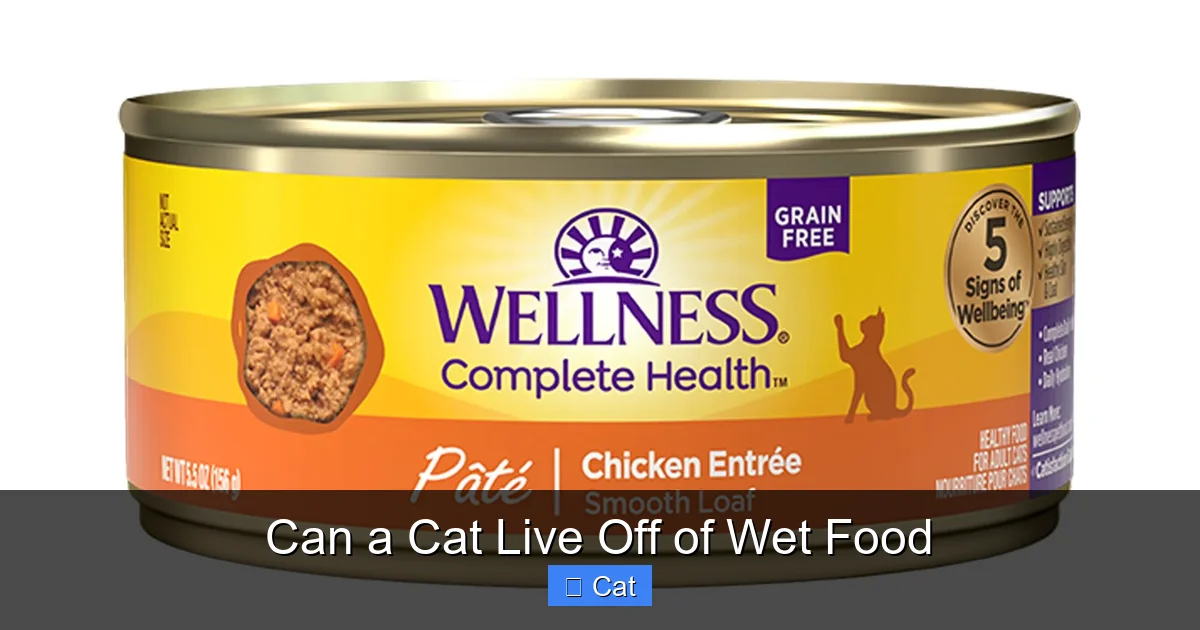
Yes, a cat can live off of wet food—and many thrive on it. Wet food provides essential hydration, supports kidney health, and often contains higher protein levels than dry kibble. However, proper nutrition balance and feeding routines are key to long-term success.
Key Takeaways
- Wet food can be a complete and balanced diet: High-quality wet cat food formulated to meet AAFCO standards provides all the nutrients your cat needs for optimal health.
- Hydration is a major benefit: Cats naturally have low thirst drives, and wet food’s high moisture content (70–80%) helps prevent urinary and kidney issues.
- Weight management support: Wet food is typically lower in carbohydrates and calories, making it ideal for overweight or sedentary cats.
- Digestive health improvement: The softer texture and higher protein content can aid digestion and reduce hairball formation.
- Potential dental concerns: Unlike dry food, wet food doesn’t help scrape plaque off teeth, so dental care becomes more important.
- Storage and cost considerations: Wet food requires refrigeration after opening and can be more expensive than dry food over time.
- Transitioning requires patience: Gradually introduce wet food to avoid digestive upset, especially if your cat has only eaten dry food.
📑 Table of Contents
- Can a Cat Live Off of Wet Food? The Complete Guide for Pet Parents
- The Science Behind Wet Food and Feline Nutrition
- Top Health Benefits of Feeding Wet Food
- Potential Drawbacks and Considerations
- How to Transition Your Cat to Wet Food
- Choosing the Right Wet Food for Your Cat
- Conclusion: Is Wet Food Right for Your Cat?
Can a Cat Live Off of Wet Food? The Complete Guide for Pet Parents
If you’ve ever watched your cat lap up a can of wet food with pure delight, you’re not alone. Many cat owners notice their feline friends seem far more excited about wet food than dry kibble. But beyond the meow-worthy aroma and texture, you might be wondering: *Can a cat live off of wet food alone?* The short answer is yes—but like any diet, it comes with nuances, benefits, and a few caveats.
Cats are obligate carnivores, meaning their bodies are designed to thrive on a diet rich in animal protein and moisture. In the wild, they get most of their water from prey, not from drinking. Domestic cats, however, often eat dry food that contains only about 10% moisture—far less than their natural diet. This mismatch can lead to chronic dehydration, which over time may contribute to urinary tract infections, kidney disease, and bladder stones. Wet food, with its 70–80% water content, helps bridge this gap and supports overall feline health.
But before you toss out the kibble and stock up on cans, it’s important to understand what a wet food-only diet really entails. Not all wet foods are created equal, and simply switching to wet food doesn’t automatically guarantee better health. The key lies in choosing high-quality, nutritionally complete options and feeding them in the right amounts. In this guide, we’ll explore the science behind wet food, its benefits and drawbacks, how to transition your cat, and expert tips to ensure your furry friend thrives on a wet food diet.
The Science Behind Wet Food and Feline Nutrition

Visual guide about Can a Cat Live Off of Wet Food
Image source: s7d2.scene7.com
To understand whether a cat can live off of wet food, we need to look at what cats need to survive and thrive. Unlike dogs, cats have unique nutritional requirements that stem from their evolutionary history as desert-dwelling hunters. Their bodies are built to extract moisture and nutrients from animal tissue, not plant matter or processed kibble.
One of the most critical aspects of feline nutrition is protein. Cats require a high-protein diet because they use amino acids like taurine, arginine, and methionine for vital functions such as vision, heart health, and immune support. Unlike humans and dogs, cats cannot synthesize certain amino acids on their own—they must get them from food. Wet food, especially varieties made with real meat, poultry, or fish as the first ingredient, typically provides a richer source of these essential nutrients.
Another key factor is moisture. In the wild, a mouse contains about 70% water—similar to the moisture content in wet cat food. Domestic cats, however, often drink very little water, especially if they’re eating dry food. This can lead to concentrated urine, which increases the risk of urinary crystals and blockages—particularly in male cats. Wet food helps maintain proper hydration, diluting the urine and reducing the likelihood of these painful conditions.
Carbohydrates are another consideration. Cats have a limited ability to digest carbs, and excessive amounts can lead to obesity and diabetes. Most wet foods are lower in carbohydrates than dry kibble, which often contains fillers like corn, wheat, or soy. By feeding wet food, you’re naturally reducing your cat’s carb intake, which can support a healthier weight and metabolism.
What Makes Wet Food Nutritionally Complete?
Not all wet foods are nutritionally balanced. To ensure your cat gets everything they need, look for products that meet the standards set by the Association of American Feed Control Officials (AAFCO). These foods undergo rigorous testing to confirm they provide complete and balanced nutrition for a cat’s life stage—whether kitten, adult, or senior.
A high-quality wet food should list a named animal protein (like “chicken” or “salmon”) as the first ingredient. It should also contain essential fatty acids like omega-3 and omega-6, vitamins (especially A, D, and B-complex), and minerals such as calcium and phosphorus. Avoid foods with excessive fillers, artificial preservatives, or vague terms like “meat by-products” or “animal digest.”
For example, a can of wet food that lists “deboned chicken, chicken broth, chicken liver, and dried egg product” as the first few ingredients is likely a solid choice. In contrast, a product that starts with “corn gluten meal” or “by-product meal” may not provide the same nutritional value, even if it’s labeled as “complete and balanced.”
Top Health Benefits of Feeding Wet Food
Switching your cat to a wet food-only diet can offer a range of health benefits—many of which are backed by veterinary research and clinical experience. While individual results may vary, the following advantages are commonly reported by cat owners and supported by experts.
Improved Hydration and Kidney Health
One of the most significant benefits of wet food is its high water content. Cats are notorious for not drinking enough water, which can lead to chronic low-grade dehydration. Over time, this stresses the kidneys and increases the risk of kidney disease—one of the leading causes of death in older cats.
Wet food helps maintain proper hydration by delivering moisture directly through meals. Studies have shown that cats fed wet food produce more dilute urine, which reduces the concentration of minerals that can form crystals or stones in the urinary tract. This is especially important for cats prone to feline lower urinary tract disease (FLUTD).
For example, a 2018 study published in the *Journal of Feline Medicine and Surgery* found that cats fed a wet food diet had significantly lower urine specific gravity (a measure of concentration) compared to those on dry food. This suggests better hydration and a reduced risk of urinary issues.
Support for Weight Management
Obesity is a growing problem among domestic cats, with estimates suggesting that over 50% of cats in the U.S. are overweight or obese. Excess weight can lead to diabetes, arthritis, and reduced lifespan. Wet food can be a powerful tool in managing your cat’s weight.
Because wet food is less calorie-dense than dry kibble (due to its high water content), you can feed larger volumes without overloading on calories. This helps cats feel full and satisfied while consuming fewer calories overall. Additionally, wet food tends to be higher in protein and lower in carbohydrates, which supports lean muscle mass and a healthy metabolism.
For instance, a 5.5-ounce can of wet food might contain around 150–200 calories, while the same volume of dry food could pack 400–500 calories. This difference allows you to feed more food by volume, which can be especially helpful for picky eaters or cats who need to gain weight in a healthy way.
Better Digestive Health
Cats on wet food often experience improved digestion. The softer texture is easier to chew and digest, especially for older cats or those with dental issues. The higher protein content also supports gut health by promoting the growth of beneficial bacteria.
Moreover, wet food can help reduce hairball formation. When cats groom themselves, they ingest loose fur, which can accumulate in the digestive tract. A diet rich in moisture and fiber (from high-quality ingredients) helps move hair through the system more efficiently, reducing the frequency of hairballs.
Some wet foods also include added fiber sources like pumpkin or psyllium, which can further support digestive regularity. If your cat has a sensitive stomach or chronic constipation, switching to wet food may provide noticeable relief.
Potential Drawbacks and Considerations
While wet food offers many advantages, it’s not without its challenges. Before making the switch, it’s important to consider the potential downsides and how to manage them effectively.
Dental Health Concerns
One common argument against wet food is that it doesn’t provide the same dental benefits as dry kibble. Dry food is often touted for its ability to “scrape” plaque off teeth as cats chew, though recent studies suggest this effect is minimal. Still, wet food’s soft texture means it doesn’t offer any mechanical cleaning action.
As a result, cats on a wet food-only diet may be at higher risk for dental disease, including gingivitis and periodontal disease. These conditions can lead to pain, tooth loss, and even systemic infections if left untreated.
To mitigate this risk, incorporate dental care into your cat’s routine. Brush their teeth regularly with a feline-safe toothpaste, provide dental treats or toys designed to reduce plaque, and schedule annual veterinary dental checkups. Some wet foods are also formulated with dental benefits—look for products with the Veterinary Oral Health Council (VOHC) seal, which indicates they’ve been proven to reduce tartar or plaque.
Storage and Shelf Life
Wet food spoils quickly once opened. Unlike dry kibble, which can sit in a bowl for hours (or even days), wet food should be refrigerated after opening and consumed within 3–5 days. Leaving wet food out at room temperature for more than 2–4 hours can promote bacterial growth, which may upset your cat’s stomach.
This means you’ll need to plan meals more carefully. Many cat owners use portioned containers or divide cans into smaller servings to reduce waste. It’s also wise to invest in a good refrigerator thermometer to ensure your fridge is cold enough (below 40°F or 4°C) to keep food fresh.
Cost and Convenience
Wet food is generally more expensive than dry food on a per-calorie basis. A single can can cost anywhere from $1 to $3, depending on the brand and quality. For multi-cat households or large cats with big appetites, this can add up quickly.
Additionally, wet food is less convenient for free-feeding. Since it can’t be left out for long periods, you’ll need to stick to scheduled meal times. This may not suit every lifestyle, especially if you’re away from home during the day.
However, many owners find the health benefits outweigh the extra cost and effort. You can reduce expenses by buying in bulk, choosing store-brand options that meet AAFCO standards, or mixing wet and dry food to balance nutrition and budget.
How to Transition Your Cat to Wet Food
Switching your cat to a wet food-only diet should be done gradually to avoid digestive upset. Cats can be notoriously picky, and sudden changes in diet may lead to refusal, vomiting, or diarrhea.
Step-by-Step Transition Plan
Start by mixing a small amount of wet food into your cat’s current dry food. Begin with a ratio of 10% wet to 90% dry. Over the course of 7–10 days, gradually increase the proportion of wet food while decreasing the dry.
For example:
– Days 1–2: 10% wet, 90% dry
– Days 3–4: 25% wet, 75% dry
– Days 5–6: 50% wet, 50% dry
– Days 7–8: 75% wet, 25% dry
– Day 9+: 100% wet food
During this time, monitor your cat’s appetite, energy levels, and litter box habits. If they show signs of digestive discomfort (like loose stools or refusal to eat), slow down the transition.
Tips for Picky Eaters
Some cats may resist wet food at first, especially if they’ve only ever eaten kibble. To make the switch easier:
– Warm the food slightly (to body temperature) to enhance the aroma.
– Try different textures (pâté, shreds, chunks in gravy) to find your cat’s preference.
– Offer small, frequent meals to encourage eating.
– Avoid feeding cold food straight from the fridge.
If your cat still refuses, consider consulting your veterinarian or a feline nutritionist. They may recommend a prescription diet or suggest ways to make the food more appealing.
Choosing the Right Wet Food for Your Cat
Not all wet foods are created equal. With so many options on the market, it’s important to know how to read labels and choose a product that supports your cat’s health.
What to Look For on the Label
Start by checking the ingredient list. The first ingredient should be a named animal protein (e.g., “chicken,” “turkey,” “salmon”)—not a by-product or meal. Avoid foods with excessive fillers, artificial colors, or preservatives like BHA, BHT, or ethoxyquin.
Next, look for a statement indicating the food is “complete and balanced” for your cat’s life stage. This should be followed by an AAFCO nutritional adequacy statement, such as “formulated to meet the nutritional levels established by the AAFCO Cat Food Nutrient Profiles.”
Finally, consider your cat’s specific needs. For example:
– Kittens need higher levels of protein and fat for growth.
– Senior cats may benefit from lower phosphorus levels to support kidney health.
– Cats with allergies may need a limited-ingredient diet with novel proteins (like duck or rabbit).
Popular Wet Food Brands to Consider
Some well-regarded brands that offer high-quality wet food include:
– **Wellness CORE**: Grain-free, high-protein recipes with real meat as the first ingredient.
– **Blue Buffalo Wilderness**: Rich in protein and free from corn, wheat, and soy.
– **Royal Canin**: Offers breed-specific and health-condition formulas (e.g., urinary care, weight management).
– **Hill’s Science Diet**: Veterinarian-recommended with balanced nutrition for all life stages.
– **Tiki Cat**: Gourmet-style wet food with high meat content and minimal processing.
Always introduce new foods slowly and watch for any adverse reactions.
Conclusion: Is Wet Food Right for Your Cat?
So, can a cat live off of wet food? Absolutely—and for many cats, it’s not just possible, it’s preferable. Wet food aligns more closely with a cat’s natural dietary needs, offering superior hydration, higher protein, and better weight management. When chosen wisely and fed appropriately, it can support long-term health and vitality.
However, a successful wet food diet requires attention to quality, portion control, and routine. It’s not just about switching from kibble to cans—it’s about making informed choices that prioritize your cat’s well-being. Be mindful of dental care, storage, and cost, and always consult your veterinarian if you have concerns about your cat’s nutrition.
Ultimately, every cat is unique. Some may thrive on wet food alone, while others do best with a combination of wet and dry. The key is to observe your cat’s health, energy, and preferences, and adjust their diet accordingly. With the right approach, wet food can be a delicious, nutritious, and life-enhancing choice for your feline companion.
Frequently Asked Questions
Can kittens eat wet food?
Yes, kittens can and should eat wet food. It’s easier for them to chew and digest, and it provides the high protein and moisture they need for growth. Look for wet food specifically formulated for kittens, as it contains higher levels of calories, fat, and essential nutrients.
How much wet food should I feed my cat per day?
The amount depends on your cat’s weight, age, and activity level. Generally, an average adult cat needs about 3–5 ounces of wet food per day, split into two meals. Always check the feeding guidelines on the can and adjust based on your cat’s body condition and vet recommendations.
Can I mix wet and dry food?
Yes, many cat owners feed a combination of wet and dry food. This can provide the hydration benefits of wet food while offering the convenience and dental support of dry kibble. Just ensure the total daily calories are balanced and not excessive.
Is grain-free wet food better for cats?
Not necessarily. Cats don’t require grains, but they also don’t need to avoid them entirely. Grain-free wet food can be a good option for cats with grain sensitivities, but the most important factor is overall ingredient quality and nutritional balance.
Can wet food cause diarrhea in cats?
It can, especially if introduced too quickly or if the food doesn’t agree with your cat’s digestive system. Always transition gradually and choose high-quality, easily digestible formulas. If diarrhea persists, consult your veterinarian.
How long can wet food sit out?
Wet food should not be left out for more than 2–4 hours at room temperature. After that, bacteria can grow, increasing the risk of foodborne illness. Refrigerate leftovers and discard any uneaten food after 3–5 days.