

While dry cat food is convenient and cost-effective, relying on it exclusively may not meet all of your cat’s nutritional needs. Cats are obligate carnivores and thrive on moisture-rich diets, so a dry-food-only approach can increase the risk of dehydration and urinary tract issues. A balanced mix of wet and dry food often supports better long-term health.
Key Takeaways
- Cats are obligate carnivores: They require a diet high in animal protein and moisture, which dry food alone may not fully provide.
- Dry food lacks sufficient moisture: Most dry kibble contains only 6–10% water, far below the 70% found in a cat’s natural prey.
- Increased risk of urinary and kidney issues: Low water intake from dry food can contribute to feline lower urinary tract disease (FLUTD) and chronic kidney disease.
- Dental benefits are overstated: While crunchy kibble may help reduce plaque, it doesn’t replace brushing or professional dental care.
- Convenience vs. health trade-off: Dry food is easy to store and feed, but long-term health may benefit more from a mixed diet.
- Portion control and weight management: Free-feeding dry food can lead to obesity, so measured meals are essential.
- Consult your vet for a personalized plan: Every cat is different—age, activity level, and health conditions should guide dietary choices.
📑 Table of Contents
- Can a Cat Only Eat Dry Food? A Complete Guide to Feline Nutrition
- Understanding Your Cat’s Nutritional Needs
- The Pros and Cons of Dry Cat Food
- Health Risks of a Dry-Food-Only Diet
- How to Transition to a Healthier Diet
- Alternatives and Supplements to Dry Food
- Conclusion: Making the Best Choice for Your Cat
Can a Cat Only Eat Dry Food? A Complete Guide to Feline Nutrition
If you’re a cat parent, you’ve probably stood in the pet food aisle staring at rows of colorful bags of kibble, wondering: “Is this really enough for my furry friend?” Dry cat food is everywhere—it’s affordable, shelf-stable, and easy to serve. Many cat owners rely on it exclusively, especially for its convenience. But here’s the real question: Can a cat only eat dry food and still live a healthy, happy life?
The short answer is yes—technically, cats can survive on dry food alone. But surviving isn’t the same as thriving. Cats are obligate carnivores, meaning their bodies are designed to get essential nutrients from animal-based proteins and fats. They also have a low thirst drive, which evolved from their desert-dwelling ancestors who got most of their hydration from prey. This biological makeup means that moisture is a critical—but often overlooked—component of feline nutrition.
While dry food can meet basic caloric and protein needs, it falls short in one major area: water content. Most dry kibble contains only 6–10% moisture, compared to the 70% or more found in a mouse or bird—what a wild cat would naturally eat. Over time, this lack of hydration can lead to serious health problems, especially in indoor cats who may not drink enough water on their own.
So, while dry food isn’t inherently “bad,” relying on it exclusively may not be the best choice for your cat’s long-term well-being. In this article, we’ll explore the science behind feline nutrition, the pros and cons of dry food, and how to create a balanced diet that keeps your cat healthy, hydrated, and content.
Understanding Your Cat’s Nutritional Needs
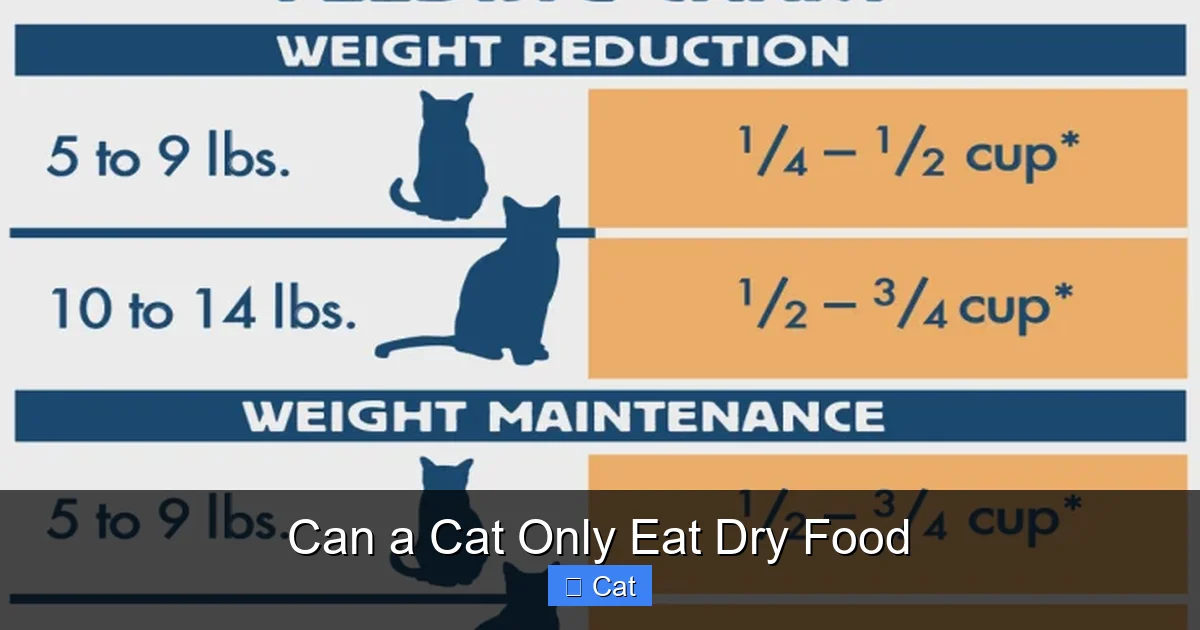
Visual guide about Can a Cat Only Eat Dry Food
Image source: i.pinimg.com
To determine whether dry food alone is sufficient, it helps to understand what cats truly need to thrive. Unlike dogs, cats are obligate carnivores. This means their bodies are built to digest and absorb nutrients from animal tissue—not plants or grains. Their metabolism is fine-tuned for processing high levels of protein and fat, and they require specific amino acids like taurine, which they can only get from meat.
Protein is non-negotiable. Cats need a diet rich in animal protein to maintain muscle mass, support organ function, and produce energy. Without enough taurine, for example, cats can develop heart disease, vision problems, or even blindness. While most commercial dry foods are fortified with taurine and other essential nutrients, the quality and digestibility of the protein matter just as much as the quantity.
Fat is fuel. Cats use fat as their primary energy source, not carbohydrates. In the wild, they consume minimal carbs—mostly from the stomach contents of their prey. Yet many dry foods are packed with grains, corn, and other fillers that spike carbohydrate levels. High-carb diets can contribute to obesity, diabetes, and digestive issues in cats.
Water is life. This is where dry food really falls short. Cats evolved to get most of their hydration from food, not by drinking water. A mouse, for instance, is about 70% water. Dry kibble, by contrast, is only 6–10% water. This means a cat eating only dry food must drink significantly more water to meet its needs—but many cats simply don’t. Indoor cats, in particular, may not drink enough, especially if water bowls are placed near litter boxes or in high-traffic areas.
The Role of Moisture in Feline Health
Dehydration is a silent threat in cats. Because they don’t feel thirsty the way humans do, they often don’t drink enough water to compensate for a dry diet. Over time, this can lead to concentrated urine, which increases the risk of urinary crystals, bladder stones, and urinary tract infections—collectively known as feline lower urinary tract disease (FLUTD). Chronic dehydration is also a major contributor to kidney disease, one of the leading causes of death in older cats.
Consider this: a cat eating wet food gets about 70–80% of its daily water intake from meals. A cat on dry food must drink nearly all of its water separately. If your cat isn’t drinking much, that’s a red flag. Signs of dehydration include lethargy, dry gums, and skin that doesn’t snap back when gently pinched.
How to Spot Nutritional Deficiencies
Even if your cat appears healthy, a dry-food-only diet may be causing subtle issues. Watch for signs like:
- Dull or matted coat
- Weight gain or loss
- Increased thirst (a sign the body is trying to compensate)
- Frequent urination or straining in the litter box
- Lethargy or reduced activity
These symptoms don’t always mean your cat is malnourished, but they could indicate that the diet isn’t meeting all their needs. Regular vet check-ups and blood work can help catch problems early.
The Pros and Cons of Dry Cat Food
Dry cat food has been a staple in many households for decades—and for good reason. It’s practical, affordable, and widely available. But like any food choice, it comes with trade-offs. Let’s break down the advantages and disadvantages of feeding your cat only dry food.
Advantages of Dry Food
1. Convenience and shelf life. Dry kibble can sit in a bowl for hours (or even days) without spoiling, making it ideal for busy pet parents or cats who graze throughout the day. It’s also easy to store—no refrigeration needed.
2. Cost-effective. Dry food is generally cheaper per calorie than wet food. A single bag can last weeks, especially for smaller cats.
3. Dental health benefits (to a degree). The crunchy texture of kibble may help scrape away plaque and tartar, reducing the risk of gum disease. However, this benefit is often overstated—many cats chew kibble like cereal, swallowing large pieces without much grinding action.
4. Portion control. Measuring dry food is simple, which helps prevent overfeeding. This is especially useful for weight management.
Disadvantages of Dry Food
1. Low moisture content. As discussed, this is the biggest drawback. Cats on dry food are at higher risk for dehydration-related conditions.
2. High carbohydrate content. Many dry foods use grains, potatoes, or legumes as fillers, which can lead to obesity and diabetes—especially in sedentary indoor cats.
3. Lower palatability for some cats. While many cats enjoy kibble, others prefer the aroma and texture of wet food. Picky eaters may eat less or refuse meals altogether.
4. Risk of overeating. Because dry food is energy-dense, free-feeding (leaving food out all day) can lead to obesity. Obesity, in turn, increases the risk of arthritis, diabetes, and heart disease.
5. Less natural diet mimicry. Dry food doesn’t resemble what cats would eat in the wild. A more natural diet includes whole prey or high-moisture, meat-based meals.
When Dry Food Might Be Acceptable
There are situations where dry food is a reasonable choice—especially as part of a mixed diet. For example:
- Active outdoor cats who drink more water naturally.
- Cats with certain medical conditions where dry food is specifically recommended (e.g., some urinary diets).
- Multi-cat households where feeding wet food to all cats is impractical.
- Budget-conscious owners who supplement with occasional wet food or hydration strategies.
Even in these cases, it’s wise to monitor your cat’s water intake and overall health closely.
Health Risks of a Dry-Food-Only Diet
Feeding your cat only dry food isn’t inherently dangerous—but it does come with increased health risks, especially over the long term. Let’s explore the most common issues linked to low-moisture diets.
Urinary Tract Problems
Feline lower urinary tract disease (FLUTD) is a broad term for conditions affecting the bladder and urethra. Symptoms include frequent urination, straining, blood in urine, and urinating outside the litter box. One of the primary causes is concentrated urine due to low water intake.
When cats don’t drink enough, their urine becomes highly concentrated, creating an environment where crystals and stones can form. These can block the urethra—especially in male cats—leading to a life-threatening emergency. Wet food helps dilute urine, reducing the risk of these complications.
Chronic Kidney Disease (CKD)
Kidney disease is extremely common in older cats. While it’s often age-related, chronic dehydration from a dry-food-only diet can accelerate kidney damage. The kidneys rely on adequate hydration to filter waste and maintain electrolyte balance. When water intake is low, the kidneys must work harder, potentially leading to earlier onset or faster progression of CKD.
Studies have shown that cats fed wet food have a lower risk of developing kidney disease compared to those on dry diets. Increasing moisture intake—whether through wet food, water fountains, or broth—can help support kidney function.
Obesity and Diabetes
Dry food is calorie-dense and often high in carbohydrates. When combined with a sedentary lifestyle (common in indoor cats), this can lead to weight gain. Obesity is a major risk factor for diabetes mellitus in cats.
Diabetic cats may show signs like excessive thirst, frequent urination, weight loss despite a good appetite, and lethargy. While diabetes can be managed with diet, insulin, and lifestyle changes, prevention is far easier. Feeding a balanced diet with controlled portions and regular exercise can help maintain a healthy weight.
Dental Disease: The Myth of Kibble
Many pet owners believe that dry food cleans teeth. While kibble may have a slight abrasive effect, it’s not enough to prevent dental disease. In fact, some studies suggest that cats on dry food have similar or even higher rates of dental problems compared to those on wet food.
Plaque and tartar buildup can lead to gingivitis, tooth loss, and even systemic infections that affect the heart and kidneys. The best way to protect your cat’s teeth is through regular brushing, dental treats, and professional cleanings—not just crunchy kibble.
How to Transition to a Healthier Diet
If you’re concerned about your cat’s dry-food-only diet, the good news is that it’s never too late to make a change. Transitioning to a more balanced diet—especially one that includes wet food—can significantly improve your cat’s health and quality of life.
Start with Small Changes
Cats can be picky, so sudden diet changes may lead to refusal or digestive upset. Instead, introduce wet food gradually:
- Mix a small amount of wet food into the dry kibble.
- Increase the ratio over 7–10 days until your cat is eating mostly wet food.
- Offer wet food at room temperature—it’s more aromatic and appealing.
If your cat resists, try different textures (pâté, shreds, gravy) or flavors (chicken, fish, turkey). Some cats prefer grain-free or limited-ingredient diets.
Hydration Strategies
Even if you continue feeding dry food, boosting hydration is crucial. Try these tips:
- Use a cat water fountain: Many cats prefer running water and will drink more from a fountain.
- Add water or broth to kibble: Soaking dry food in warm water or low-sodium chicken broth increases moisture intake.
- Place multiple water bowls around the house: Avoid placing them near litter boxes or food bowls.
- Offer ice cubes or frozen treats: Some cats enjoy licking ice or eating frozen broth cubes.
Portion Control and Feeding Schedule
Free-feeding dry food can lead to overeating. Instead, consider scheduled meals:
- Feed 2–3 measured meals per day.
- Use a kitchen scale for accuracy—volume measurements can be inconsistent.
- Monitor your cat’s weight and adjust portions as needed.
For multi-cat households, use microchip-activated feeders to ensure each cat gets the right amount.
Consult Your Veterinarian
Every cat is unique. Age, breed, activity level, and health conditions all influence dietary needs. For example:
- Kittens need high-calorie, nutrient-dense food for growth.
- Senior cats may benefit from kidney-supportive diets.
- Cats with diabetes often do better on high-protein, low-carb wet food.
- Overweight cats may need portion-controlled or prescription diets.
Your vet can help you choose the best food and feeding plan for your cat’s individual needs.
Alternatives and Supplements to Dry Food
If you’re ready to move beyond dry food, there are several options to consider. The goal is to provide a diet that’s high in animal protein, low in carbs, and rich in moisture.
Wet (Canned) Food
Wet food is the gold standard for feline nutrition. It typically contains 70–80% moisture, high protein, and minimal carbohydrates. Look for brands with:
- Named meat as the first ingredient (e.g., “chicken” not “meat by-products”).
- No artificial preservatives, colors, or flavors.
- Low or no grain fillers.
Feeding a mix of wet and dry food (e.g., wet in the morning, dry at night) can offer the best of both worlds—hydration and convenience.
Raw and Homemade Diets
Some owners choose raw or homemade diets to mimic a cat’s natural prey. These can be nutritious but require careful planning to avoid deficiencies or bacterial contamination. Consult a veterinary nutritionist before starting a raw or homemade diet.
Dehydrated and Freeze-Dried Foods
These options retain much of the nutrition of raw food while being shelf-stable. They’re typically rehydrated with water before serving, making them a good middle ground between dry and wet food.
Bone Broth and Hydration Boosters
Adding bone broth (unsalted, onion-free) to meals can increase moisture and flavor. You can also find commercial hydration supplements designed for cats.
Conclusion: Making the Best Choice for Your Cat
So, can a cat only eat dry food? Yes—but should they? That’s a more nuanced question. While dry food is convenient and can meet basic nutritional needs, it often falls short in providing adequate moisture and may contribute to long-term health issues like urinary tract disease, kidney problems, and obesity.
The ideal diet for most cats includes a balance of wet and dry food, with an emphasis on high-quality animal protein and plenty of hydration. Even small changes—like adding water to kibble or offering wet food a few times a week—can make a big difference in your cat’s health and happiness.
Remember, every cat is different. What works for one may not work for another. The best approach is to stay informed, observe your cat’s behavior and health, and consult your veterinarian regularly. By prioritizing your cat’s nutritional needs over convenience, you’re giving them the gift of a longer, healthier, and more vibrant life.
Your cat depends on you to make the right choices. And when it comes to food, a little extra effort today can lead to years of purrs, play, and purr-fect health tomorrow.
Frequently Asked Questions
Can kittens eat only dry food?
Kittens can eat dry food, but they benefit greatly from wet food due to its higher moisture and calorie content. A mix of both supports healthy growth and hydration during this critical stage.
Is dry food bad for senior cats?
Dry food isn’t inherently bad, but senior cats are more prone to kidney and urinary issues. Wet food or a prescription diet may be better for supporting aging organs and maintaining hydration.
How much water should my cat drink on a dry food diet?
A cat on dry food should drink about 3.5–4.5 ounces of water per 5 pounds of body weight daily. If your cat isn’t drinking enough, consider adding wet food or using a water fountain.
Can I mix wet and dry food?
Absolutely! Many cat owners use a combination—wet food for hydration and nutrition, dry food for convenience and dental benefits. Just monitor portions to avoid overfeeding.
Will my cat gain weight on dry food?
It’s possible, especially if free-fed. Dry food is calorie-dense, so measured meals and regular exercise are key to maintaining a healthy weight.
What if my cat refuses to eat wet food?
Try warming it slightly, mixing it with dry food, or offering different textures and flavors. Some cats take time to adjust—be patient and persistent.