

No, a cat cannot safely survive 7 days without food and water. While some cats may technically live this long under extreme conditions, doing so causes severe health damage, organ failure, and often death. Even 2–3 days without water can be life-threatening for cats.
Key Takeaways
- Cats can’t survive 7 days without water: Dehydration sets in quickly, and most cats will suffer kidney failure or death within 3–5 days without water.
- Food deprivation harms vital organs: Without food, cats develop hepatic lipidosis (fatty liver disease), a potentially fatal condition.
- Kittens and senior cats are at higher risk: Their bodies are more fragile and less able to handle stress or lack of nutrition.
- Signs of trouble appear fast: Lethargy, dry gums, sunken eyes, and loss of skin elasticity are red flags.
- Immediate veterinary care is essential: If your cat hasn’t eaten or drunk in 24–48 hours, seek help right away.
- Prevention is key: Ensure fresh water and food are always available, especially during travel or illness.
- Indoor cats are not immune: Even house cats can stop eating due to stress, dental pain, or hidden illness.
📑 Table of Contents
- Can a Cat Survive 7 Days Without Food and Water?
- How Long Can Cats Go Without Water?
- How Long Can Cats Go Without Food?
- The Dangers of Going Without Both Food and Water
- Signs Your Cat Needs Immediate Help
- How to Prevent Food and Water Deprivation
- What to Do If Your Cat Stops Eating or Drinking
- Conclusion
Can a Cat Survive 7 Days Without Food and Water?
Imagine coming home after a long weekend to find your cat hiding under the bed, weak and uninterested in food or water. Your heart sinks. How long has it been? Could your furry friend have gone without eating or drinking for days? The truth is, while cats are resilient creatures, they are not built to go without food and water for extended periods—especially not seven days.
The short answer? No, a cat should not and usually cannot survive seven days without food and water. In fact, even a few days without water can lead to serious, irreversible damage. Cats have unique metabolic needs that make them far more vulnerable to dehydration and malnutrition than many other animals. Their bodies are finely tuned machines that rely on consistent hydration and nutrition to function properly. When those basics are missing, things go downhill—fast.
This article will walk you through everything you need to know about how long cats can go without food and water, the dangers of deprivation, warning signs to watch for, and what to do if you suspect your cat is in trouble. Whether you’re a new pet parent or a seasoned cat lover, understanding these risks could save your cat’s life.
How Long Can Cats Go Without Water?
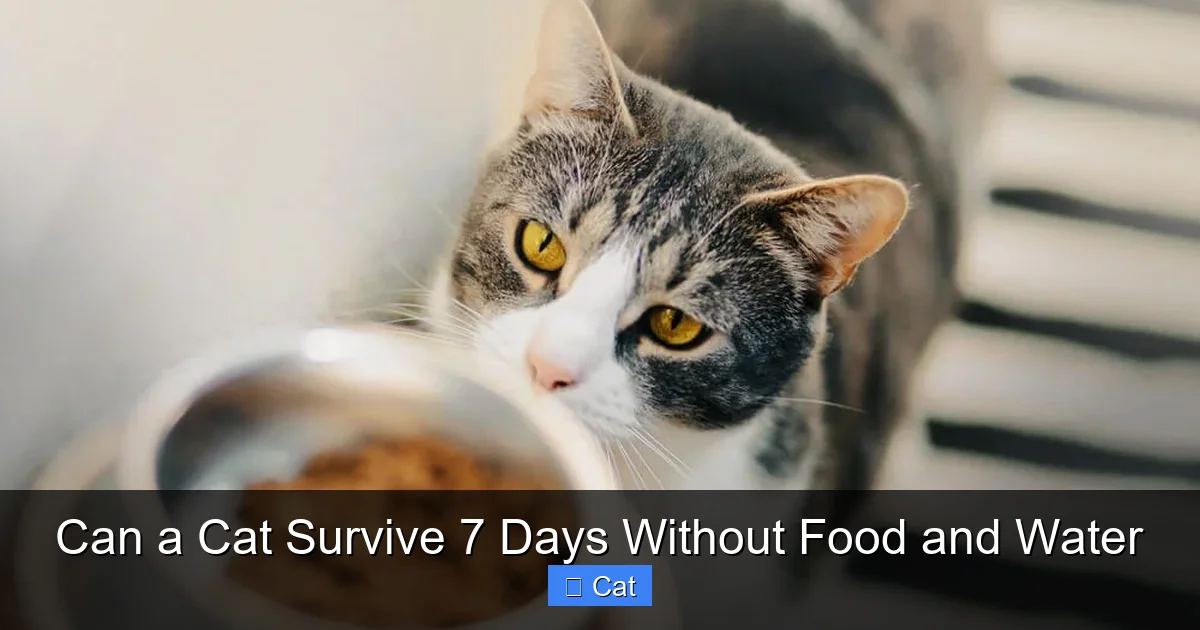
Visual guide about Can a Cat Survive 7 Days Without Food and Water
Image source: cats.com
Water is essential for every living creature, but for cats, it’s especially critical. Unlike dogs or humans, cats have a low thirst drive. In the wild, their ancestors got most of their moisture from prey, which is about 70–80% water. Domestic cats still retain this evolutionary trait, which means they don’t always feel the urge to drink even when they need to.
So, how long can a cat survive without water? Most healthy adult cats can survive only about 2 to 3 days without water before serious health problems begin. After 72 hours, dehydration becomes severe, and organs like the kidneys start to fail. By day 5 or 6, the risk of death increases dramatically.
Why Water Is So Important for Cats
Water plays a vital role in nearly every bodily function. It helps regulate body temperature, aids digestion, transports nutrients, flushes out toxins, and keeps joints lubricated. For cats, whose kidneys are already prone to disease, staying hydrated is crucial for kidney health.
When a cat doesn’t drink enough water, the body starts pulling moisture from other areas—like the skin, eyes, and organs. This leads to dehydration, which can cause:
– Sunken eyes
– Dry, sticky gums
– Loss of skin elasticity (when you gently pinch the skin on the back of the neck, it doesn’t snap back quickly)
– Lethargy or weakness
– Rapid breathing or panting
In severe cases, dehydration can lead to kidney failure, urinary tract infections, or even death.
Factors That Affect Water Needs
Not all cats have the same water requirements. Several factors influence how much a cat needs to drink and how quickly dehydration can set in:
– Age: Kittens and senior cats dehydrate faster. Kittens have smaller bodies and higher metabolic rates, while older cats often have reduced kidney function.
– Health status: Cats with kidney disease, diabetes, or hyperthyroidism need more water and are at greater risk when deprived.
– Diet: Cats on dry food diets need to drink more water than those on wet food, which contains up to 80% moisture.
– Environment: Hot weather, air conditioning, or heating can increase water loss through respiration and evaporation.
– Activity level: Active cats lose more fluids and need more water to replenish them.
For example, a 10-pound indoor cat on a dry food diet may need around 6–8 ounces of water per day. If that cat stops drinking, signs of dehydration can appear within 24 hours.
How Long Can Cats Go Without Food?
While water is the most urgent need, food is also critical—especially for cats. Unlike dogs, cats are obligate carnivores, meaning their bodies are designed to run on animal-based proteins and fats. They can’t synthesize certain nutrients on their own and must get them from food.
So, how long can a cat survive without food? Most healthy cats can survive about 1 to 2 weeks without food, but this doesn’t mean it’s safe. In fact, going without food for just 2–3 days can trigger a dangerous condition called hepatic lipidosis, also known as fatty liver disease.
What Is Hepatic Lipidosis?
Hepatic lipidosis occurs when a cat stops eating and the body starts breaking down fat for energy. But cats’ livers aren’t equipped to handle large amounts of fat. The fat builds up in the liver, impairing its function. This condition can develop in as little as 48–72 hours after a cat stops eating.
Symptoms of hepatic lipidosis include:
– Jaundice (yellowing of the skin, eyes, or gums)
– Vomiting
– Loss of appetite (which may seem obvious, but it’s a key sign)
– Lethargy or weakness
– Weight loss
– Drooling or difficulty swallowing
Without treatment, hepatic lipidosis is fatal in up to 90% of cases. Even with aggressive veterinary care, recovery can take weeks and may not be successful.
Why Do Cats Stop Eating?
Understanding why a cat might stop eating is just as important as knowing how long they can go without food. Common reasons include:
– Stress or anxiety: Changes in routine, new pets, loud noises, or moving can cause a cat to lose appetite.
– Dental problems: Tooth pain, gum disease, or broken teeth make eating uncomfortable.
– Illness: infections, kidney disease, cancer, or gastrointestinal issues can suppress appetite.
– Medications: Some drugs have side effects that reduce hunger.
– Food aversion: Cats can be picky eaters and may refuse food if it’s stale, changed suddenly, or not to their liking.
For example, a cat that recently had dental surgery might avoid eating hard kibble for a few days. While this is normal initially, if it continues beyond 48 hours, it’s a red flag.
The Dangers of Going Without Both Food and Water
When a cat goes without both food and water, the risks multiply. The body begins to break down muscle and fat for energy, but without hydration, vital organs can’t function. The kidneys, in particular, suffer greatly.
Organ Failure and Systemic Collapse
Dehydration reduces blood volume, which means less oxygen and nutrients reach the organs. The kidneys, which filter waste from the blood, begin to shut down. This leads to a buildup of toxins in the body, causing further damage.
At the same time, the liver struggles to process the fat being mobilized for energy. The heart may weaken due to electrolyte imbalances, and the brain can be affected by toxin buildup.
Within 5–7 days without food and water, most cats will experience multi-organ failure. Even if they survive, they may have permanent damage to their liver, kidneys, or heart.
Real-Life Scenarios
Consider a cat trapped in a garage for a week after a storm. There’s no food, and the only water source is a dirty puddle. By the time the owner finds the cat, it’s weak, dehydrated, and vomiting. This is a tragic but not uncommon scenario.
Another example: an elderly cat with undiagnosed kidney disease stops eating due to nausea. The owner assumes it’s just a phase. Within three days, the cat is too weak to stand. By the time they see a vet, the damage is severe.
These stories highlight why prompt action is so important. Cats hide illness well—it’s part of their survival instinct. By the time symptoms are obvious, the problem is often advanced.
Signs Your Cat Needs Immediate Help
Knowing the warning signs can help you act before it’s too late. If your cat hasn’t eaten or drunk in 24 hours, it’s time to be concerned. After 48 hours, it’s an emergency.
Physical Signs of Dehydration
– Dry gums: Gums should be moist and pink. If they feel sticky or dry, your cat may be dehydrated.
– Sunken eyes: Dehydrated cats often have eyes that appear recessed into their sockets.
– Loss of skin elasticity: Gently pinch the skin at the back of the neck. If it doesn’t return to normal quickly, dehydration is likely.
– Thick, sticky saliva: Instead of normal saliva, you might notice stringy or thick drool.
Behavioral Changes
– Lethargy: Your cat may sleep more, avoid interaction, or seem weak.
– Hiding: Cats often retreat to quiet, dark places when they’re unwell.
– Loss of interest in food or water: Even favorite treats or fresh water may be ignored.
– Vomiting or diarrhea: These can worsen dehydration and indicate an underlying issue.
When to Call the Vet
Don’t wait. If your cat shows any of these signs—especially if they haven’t eaten or drunk in over 24 hours—call your veterinarian immediately. Early intervention can make the difference between recovery and tragedy.
Your vet may recommend:
– Subcutaneous fluids (given under the skin to rehydrate)
– Appetite stimulants
– Blood tests to check organ function
– Hospitalization for intensive care
How to Prevent Food and Water Deprivation
The best way to protect your cat is to prevent deprivation before it happens. Here are practical tips to keep your feline friend healthy and hydrated.
Ensure Constant Access to Fresh Water
Cats prefer running water, so consider a cat water fountain. Change water daily and wash bowls regularly to prevent bacteria buildup. Place multiple water stations around the house, especially if you have more than one cat.
Feed a Balanced Diet
Offer high-quality wet food to increase moisture intake. Mix wet and dry food if your cat prefers kibble. Avoid sudden diet changes, which can cause digestive upset.
Monitor Eating and Drinking Habits
Keep an eye on how much your cat eats and drinks each day. Use a measuring cup to track food portions. Note any changes in behavior or appetite.
Reduce Stress
Provide a safe, quiet space for your cat. Use pheromone diffusers (like Feliway) to calm anxiety. Introduce new pets or changes gradually.
Regular Vet Checkups
Annual (or biannual for seniors) vet visits can catch health issues early. Dental exams are especially important, as tooth pain is a common cause of appetite loss.
What to Do If Your Cat Stops Eating or Drinking
If you notice your cat isn’t eating or drinking, act quickly.
Step 1: Assess the Situation
Ask yourself:
– Has it been less than 24 hours? Monitor closely.
– Has it been 24–48 hours? Call your vet.
– Has it been more than 48 hours? Seek emergency care.
Step 2: Encourage Hydration
Try offering water from a clean bowl, a syringe (without forcing), or ice chips. You can also offer low-sodium chicken broth (no onions or garlic) to entice drinking.
Step 3: Stimulate Appetite
Warm wet food slightly to enhance smell. Offer small amounts of tuna, boiled chicken, or baby food (meat-only, no onion or garlic). Never force-feed.
Step 4: Visit the Vet
Your vet can determine the cause and provide treatment. Early care improves outcomes dramatically.
Conclusion
So, can a cat survive 7 days without food and water? Technically, some might survive, but at great cost. The reality is that most cats will suffer severe health consequences—or die—long before that point. Water deprivation is especially dangerous, with dehydration setting in within days. Food deprivation can lead to life-threatening fatty liver disease in just a few days.
As a cat owner, your job is to be proactive. Watch for changes in behavior, ensure access to fresh water and food, and seek veterinary care at the first sign of trouble. Cats are masters at hiding illness, but they rely on you to notice when something’s wrong.
Remember: 24 hours without water or 48 hours without food is a medical emergency for cats. Don’t wait. Your quick action could save your cat’s life.
Frequently Asked Questions
Can a cat survive a week without water?
No, most cats cannot survive a full week without water. Dehydration causes kidney failure and organ damage within 3–5 days. After 7 days, survival is extremely rare and usually involves permanent health damage.
How long can a healthy cat go without food?
A healthy cat can survive about 1–2 weeks without food, but going without food for more than 2–3 days can trigger fatty liver disease, a life-threatening condition that requires immediate veterinary care.
What are the first signs of dehydration in cats?
Early signs include dry gums, sunken eyes, lethargy, and loss of skin elasticity. If you gently pinch the skin on the back of the neck and it doesn’t snap back quickly, your cat may be dehydrated.
Can stress cause a cat to stop eating?
Yes, stress is a common reason cats stop eating. Changes in environment, new pets, loud noises, or routine disruptions can lead to appetite loss. If it lasts more than 24–48 hours, see a vet.
Should I force-feed my cat if it’s not eating?
No, never force-feed a cat. It can cause choking or aspiration. Instead, offer tempting foods like warmed wet food or boiled chicken, and consult your vet for safe appetite stimulants or feeding tubes if needed.
Is wet food better for hydration?
Yes, wet food contains up to 80% water, making it an excellent way to keep cats hydrated. It’s especially beneficial for cats on dry food diets or those prone to urinary or kidney issues.