

Yes, a cat can technically survive on just dry food, but it may not thrive. While convenient and cost-effective, dry food lacks sufficient moisture and can lead to dehydration and urinary issues over time. A balanced diet with wet food or added hydration is strongly recommended for optimal feline health.
Key Takeaways
- Dry food alone can sustain life but not optimal health: Cats can survive on dry food, but long-term feeding may lead to dehydration and urinary tract problems due to low moisture content.
- Cats are obligate carnivores: They require high animal protein and specific nutrients like taurine, which must be carefully balanced in dry food formulations.
- Hydration is critical: Unlike dogs, cats have a low thirst drive and rely on food for most of their water intake—dry food provides only 10% moisture, far below their needs.
- Weight and dental health concerns: While dry food is often marketed for dental benefits, studies show minimal impact, and overfeeding can lead to obesity.
- Quality matters more than format: High-quality dry food with real meat as the first ingredient and no fillers is better than low-grade wet food.
- Mixing wet and dry is ideal: Combining both types offers hydration, variety, and convenience while supporting overall health.
- Consult your vet: Every cat is different—age, breed, activity level, and health conditions should guide dietary choices.
📑 Table of Contents
- Can a Cat Survive on Just Dry Food? The Truth Behind the Kibble
- Understanding a Cat’s Natural Diet and Nutritional Needs
- The Pros and Cons of Feeding Dry Food Exclusively
- Hydration: The Hidden Risk of Dry Food Diets
- Health Risks Associated with Long-Term Dry Food Feeding
- How to Make Dry Food Safer and Healthier
- Alternatives and Complementary Feeding Strategies
- Conclusion: Dry Food Can Sustain, But Not Necessarily Thrive
Can a Cat Survive on Just Dry Food? The Truth Behind the Kibble
If you’ve ever stood in the pet food aisle, staring at rows of colorful bags of dry cat food, you’ve probably wondered: “Is this really enough for my cat?” It’s a fair question. Dry food is convenient, shelf-stable, and budget-friendly. Many cat owners rely on it exclusively, especially for free-feeding or multi-cat households. But here’s the real question: can a cat not just survive—but truly thrive—on dry food alone?
The short answer is yes, a cat can survive on just dry food. In fact, millions of cats around the world eat nothing but kibble their entire lives. But survival and optimal health are two very different things. While dry food provides the basic nutrients a cat needs to live, it often falls short in areas critical to feline well-being—especially hydration and long-term urinary health.
Cats are unique creatures. They evolved as desert animals, hunting small prey like mice and birds. In the wild, their diet is naturally high in moisture—around 70% water—because their prey contains it. Domestic dry food, by contrast, contains only about 10% moisture. This dramatic difference can have real consequences over time, especially if a cat doesn’t drink enough water on its own.
So, while your cat might appear healthy on a dry-food-only diet, you could be setting the stage for future problems. From urinary tract infections to kidney disease and obesity, the risks are real. But that doesn’t mean dry food is evil. It can be part of a healthy diet—especially when used wisely and in combination with wet food.
In this article, we’ll dive deep into the science, myths, and practical realities of feeding your cat dry food. We’ll explore what cats really need, how dry food measures up, and how you can make the best choices for your furry friend. Whether you’re a new cat parent or a seasoned owner looking to optimize your pet’s diet, this guide will help you make informed decisions.
Understanding a Cat’s Natural Diet and Nutritional Needs
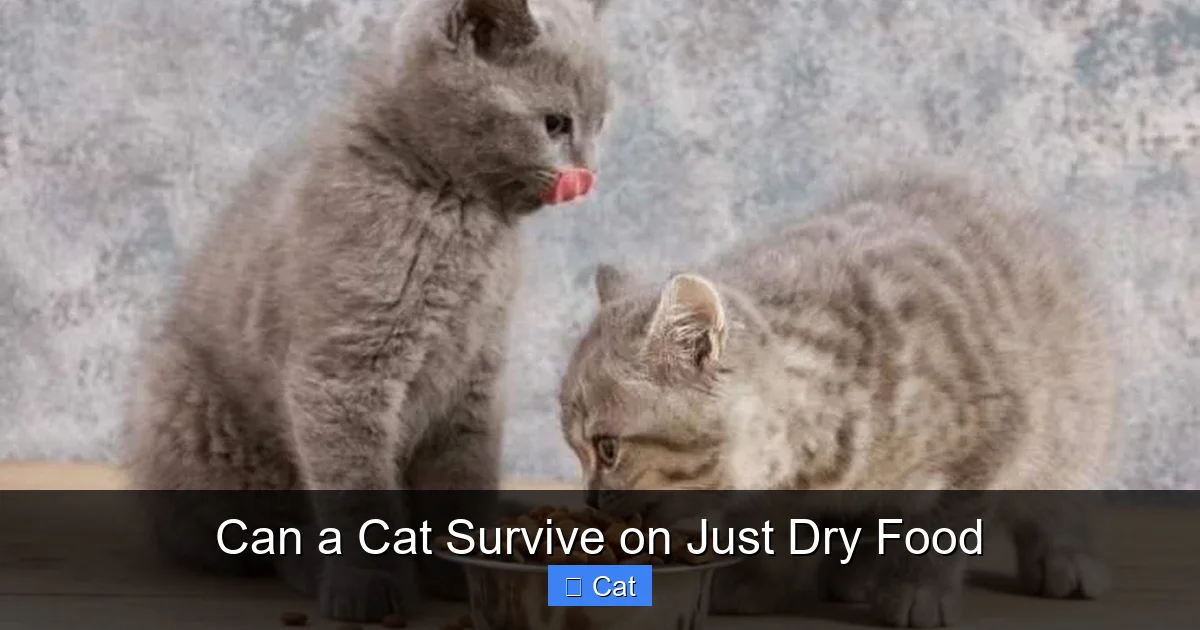
Visual guide about Can a Cat Survive on Just Dry Food
Image source: mybritishshorthair.com
To understand whether dry food is enough, we first need to look at what cats are biologically designed to eat. Cats are obligate carnivores—a term that means they must eat meat to survive. Unlike dogs or humans, cats cannot synthesize certain essential nutrients on their own. They need to get them directly from animal sources.
One of the most critical nutrients is taurine, an amino acid found only in animal tissue. Without enough taurine, cats can develop serious health issues, including heart disease (dilated cardiomyopathy) and vision problems. Other essential nutrients include arachidonic acid, vitamin A (preformed, not from plant-based beta-carotene), and high levels of protein.
In the wild, a cat’s diet consists of small prey—mice, birds, insects—which are about 65–75% water, 15–20% protein, and 5–10% fat. This high-moisture, high-protein, low-carbohydrate diet is what their bodies are built to process. Their kidneys are efficient at conserving water, but they still rely on food to deliver most of their hydration.
Now, compare that to dry cat food. Most kibble is made by cooking ingredients at high temperatures, then extruding them into small, crunchy pieces. This process removes most of the moisture, leaving a product that’s shelf-stable but dry. To make up for the lack of natural moisture, manufacturers add water-resistant coatings and preservatives.
While modern dry foods are formulated to meet AAFCO (Association of American Feed Control Officials) standards for complete and balanced nutrition, they often fall short in mimicking a cat’s natural diet. For example, many dry foods contain high levels of carbohydrates—sometimes 30% or more—which cats don’t need and can struggle to digest efficiently.
Moreover, the high-heat processing used in kibble production can degrade some heat-sensitive nutrients, like certain vitamins and fatty acids. While synthetic versions are often added back in, they may not be as bioavailable as those found in fresh, raw, or gently cooked meat.
So, while dry food can technically meet a cat’s basic nutritional requirements, it doesn’t always do so in a way that aligns with their evolutionary biology. This mismatch is at the heart of the debate over whether cats can truly thrive on dry food alone.
The Pros and Cons of Feeding Dry Food Exclusively
Like any pet food choice, feeding your cat only dry food comes with advantages and disadvantages. Let’s break them down so you can weigh the options.
Advantages of Dry Food
One of the biggest benefits of dry food is convenience. Kibble doesn’t spoil quickly, so you can leave it out for free-feeding—ideal for busy households or cats who graze throughout the day. It’s also more affordable than wet food, especially for multi-cat families. A single bag can last weeks, and it’s easy to store.
Dry food is also portable and less messy. You can pack it for travel, use it in automatic feeders, and avoid the smell and cleanup that often comes with wet food. Many owners appreciate that it doesn’t require refrigeration once opened.
Another common belief is that dry food helps with dental health. The crunchy texture is thought to scrape away plaque and tartar. While some studies suggest a minor benefit, the evidence is mixed. In fact, most veterinary dentists agree that brushing your cat’s teeth is far more effective than relying on kibble alone.
Disadvantages of Dry Food
The biggest drawback of dry food is its low moisture content. As mentioned earlier, cats evolved to get most of their water from food. When they eat dry kibble, they must drink significantly more water to compensate. But here’s the problem: cats have a naturally low thirst drive. They don’t feel the urge to drink as strongly as other animals, which puts them at risk of chronic low-grade dehydration.
This dehydration can lead to a host of health issues, especially in the urinary tract. Conditions like feline lower urinary tract disease (FLUTD), urinary crystals, and bladder stones are more common in cats who eat dry food exclusively. Male cats are especially vulnerable because their narrow urethras can become blocked by crystals or mucus.
Another concern is weight management. Dry food is calorie-dense, and it’s easy to overfeed—especially if you’re free-feeding. Obesity is a growing problem in domestic cats and can lead to diabetes, joint pain, and reduced lifespan. Wet food, by contrast, has fewer calories per volume and helps cats feel fuller longer due to its high water content.
Finally, not all dry foods are created equal. Some budget brands use fillers like corn, wheat, and soy, which provide little nutritional value and can be hard for cats to digest. Even some premium brands may use plant-based proteins or artificial additives. Always read the ingredient list and look for real meat as the first ingredient.
Hydration: The Hidden Risk of Dry Food Diets
If there’s one issue that stands out when it comes to feeding cats dry food, it’s hydration. Water is essential for every bodily function—digestion, circulation, temperature regulation, and waste removal. For cats, getting enough water is even more critical because of their unique physiology.
In the wild, a cat eating a mouse gets about 70 milliliters of water per 100 grams of food. A typical dry food diet provides only about 10 milliliters per 100 grams. That’s a huge gap. To make up for it, a cat would need to drink nearly seven times more water than they would if they were eating prey.
But cats aren’t great drinkers. Their thirst mechanism isn’t as strong as in dogs or humans. This evolutionary trait made sense in the desert, where water was scarce and they got most of their hydration from food. But in modern homes, where dry food is the norm, this adaptation becomes a liability.
Chronic low-grade dehydration can silently damage a cat’s kidneys over time. The kidneys work harder to concentrate urine, which can lead to kidney disease—one of the leading causes of death in older cats. Studies have shown that cats on wet food diets produce more dilute urine, which is healthier for the urinary tract and reduces the risk of crystal formation.
So, can you solve this by just putting out more water bowls? Maybe—but it’s not always enough. Some cats prefer running water, so a pet fountain might help. Others are picky about bowl material or location. But even with increased water intake, it’s hard to match the hydration levels of a wet food diet.
This is why many veterinarians recommend feeding at least some wet food, even if it’s just a small portion daily. A common strategy is to feed dry food during the day and wet food at night. This gives your cat the convenience of kibble and the hydration benefits of wet food.
Health Risks Associated with Long-Term Dry Food Feeding
While many cats live long lives on dry food, long-term exclusive feeding can increase the risk of several health problems. Let’s look at the most common ones.
Urinary Tract Issues
Feline lower urinary tract disease (FLUTD) is a broad term for conditions affecting the bladder and urethra. Symptoms include frequent urination, straining to urinate, blood in the urine, and urinating outside the litter box. In male cats, a blocked urethra is a medical emergency.
Dry food contributes to FLUTD in two main ways: low moisture intake and high mineral content. When cats don’t drink enough, their urine becomes concentrated, creating an environment where crystals and stones can form. Some dry foods are also high in magnesium and phosphorus, which can exacerbate the problem.
Kidney Disease
Chronic kidney disease (CKD) is common in older cats. While it’s not always preventable, dehydration is a known risk factor. Cats on dry food diets may be more prone to CKD because their kidneys are constantly working to conserve water. Over time, this can lead to reduced kidney function.
Obesity and Diabetes
Dry food is energy-dense, meaning it packs a lot of calories into a small volume. It’s easy to overfeed, especially if you’re not measuring portions. Obesity puts extra strain on joints, organs, and the endocrine system. It’s also a major risk factor for diabetes mellitus in cats.
Dental Health Myths
Many people believe dry food cleans teeth, but research doesn’t fully support this. A 2019 study published in the Journal of Veterinary Dentistry found that while some dental diets can reduce plaque, regular kibble has minimal impact. In fact, soft, sticky kibble can sometimes contribute to plaque buildup.
The best way to protect your cat’s teeth is regular brushing, dental treats, and professional cleanings.
How to Make Dry Food Safer and Healthier
If you choose to feed your cat dry food—either exclusively or as part of their diet—there are steps you can take to reduce risks and support their health.
Choose High-Quality Dry Food
Not all kibble is created equal. Look for brands that list a named animal protein (like “chicken” or “salmon”) as the first ingredient. Avoid foods with vague terms like “meat meal” or “animal by-products.” Check for AAFCO statements confirming the food is complete and balanced.
Encourage Water Intake
Place multiple water bowls around the house—especially in quiet, low-traffic areas. Use wide, shallow bowls to avoid whisker fatigue. Consider a cat water fountain, as many cats prefer running water. You can also add a little low-sodium chicken broth (no onions or garlic) to water to make it more appealing.
Add Moisture to Meals
Even if you feed dry food, you can boost hydration by adding water or bone broth to the kibble. Let it soak for a few minutes to soften. This simple trick can increase your cat’s water intake significantly.
Feed Wet Food Occasionally
Even one small can of wet food per week can make a difference. Try mixing it with dry food or using it as a topper. Many cats enjoy the variety, and it helps keep their urinary system healthy.
Monitor Portion Sizes
Use a measuring cup to portion out dry food according to your cat’s weight and activity level. Avoid free-feeding if your cat tends to overeat. Instead, feed measured meals twice a day.
Regular Vet Checkups
Annual (or biannual for older cats) vet visits can catch early signs of urinary or kidney issues. Routine blood work and urinalysis are key to catching problems before they become serious.
Alternatives and Complementary Feeding Strategies
While dry food has its place, many experts recommend a mixed feeding approach for optimal health.
Wet Food Benefits
Wet food contains 70–80% moisture, closely mimicking a cat’s natural diet. It helps maintain hydration, supports urinary health, and can aid in weight management. High-protein, low-carb wet foods are especially beneficial for obligate carnivores.
Raw and Homemade Diets
Some owners opt for raw or homemade diets to better replicate a cat’s natural eating habits. These diets can be very healthy but require careful planning to ensure nutritional balance. Consult a veterinary nutritionist before making the switch.
Freeze-Dried and Dehydrated Options
These are convenient alternatives that retain more nutrients than traditional kibble. They’re often high in protein and low in carbs, and can be rehydrated with water.
Rotational Feeding
Switching between different protein sources (chicken, turkey, fish, rabbit) can prevent food sensitivities and keep your cat interested in meals. It also mimics the variety a wild cat would encounter.
Conclusion: Dry Food Can Sustain, But Not Necessarily Thrive
So, can a cat survive on just dry food? Yes—but with caveats. Dry food is convenient, affordable, and can meet basic nutritional needs when chosen wisely. However, it falls short in one critical area: hydration. Cats on dry food-only diets are at higher risk for urinary tract problems, kidney disease, and obesity.
The best approach is balance. Consider feeding a combination of high-quality dry food and wet food to give your cat the benefits of both. Encourage water intake, monitor portion sizes, and stay vigilant about your cat’s health.
Remember, every cat is different. What works for one may not work for another. If you’re unsure about your cat’s diet, talk to your veterinarian. They can help you create a feeding plan tailored to your cat’s age, weight, and health status.
At the end of the day, your cat’s health is worth the extra effort. A little planning now can lead to a longer, happier life for your feline friend.
Frequently Asked Questions
Can a cat survive on just dry food?
Yes, a cat can survive on just dry food, but it may not thrive. Dry food lacks sufficient moisture, which can lead to dehydration and urinary issues over time. While it provides basic nutrition, it doesn’t fully meet a cat’s biological needs.
Is dry food bad for cats?
Dry food isn’t inherently bad, but feeding it exclusively can increase health risks. Low moisture content can contribute to urinary tract disease and kidney problems. High-quality dry food used in moderation is fine, especially when paired with wet food.
How much water should a cat drink on a dry food diet?
A cat on dry food should drink about 3.5 to 4.5 ounces of water per 5 pounds of body weight daily. Since dry food provides little moisture, you may need to encourage drinking with fountains, multiple bowls, or wet food.
Can dry food cause urinary blockages in cats?
Yes, dry food can increase the risk of urinary blockages, especially in male cats. Low water intake leads to concentrated urine, which can form crystals or stones. Adding wet food or water to kibble can help reduce this risk.
Should I mix wet and dry food for my cat?
Yes, mixing wet and dry food is often recommended. It provides hydration, variety, and convenience. Many cats enjoy the texture and taste of both, and it supports better urinary and kidney health.
What’s the best dry food for cats?
The best dry food lists a named animal protein (like chicken or salmon) as the first ingredient, has minimal fillers, and meets AAFCO standards. Look for brands with high protein, low carbs, and no artificial additives. Consult your vet for personalized recommendations.