
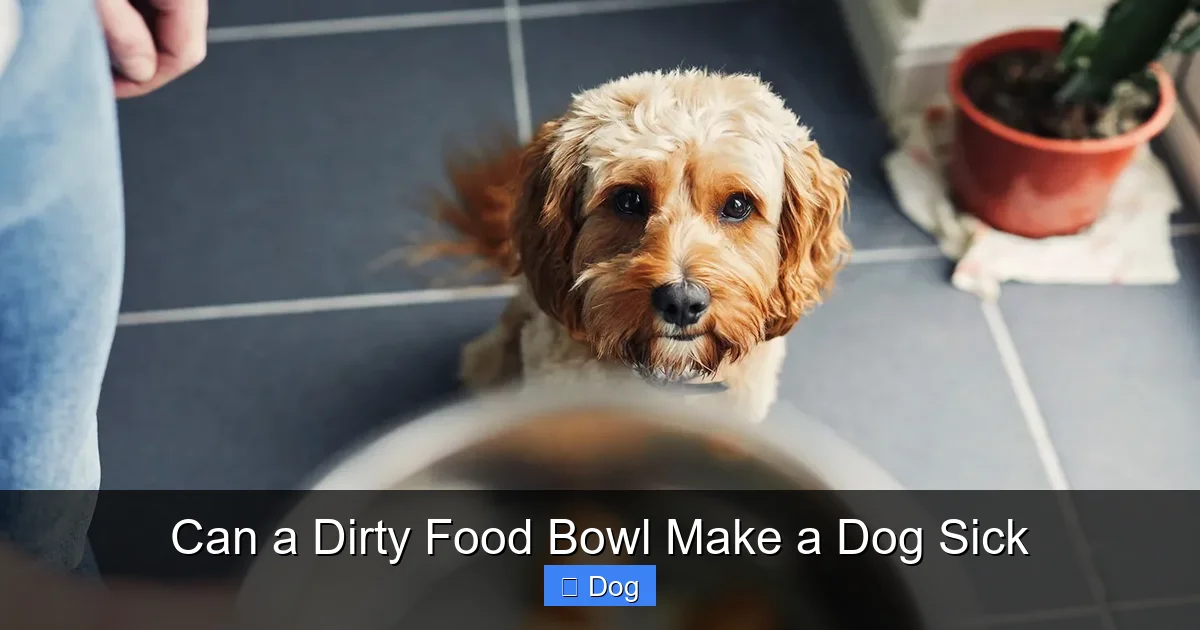
A dirty food bowl can absolutely make your dog sick. Bacteria like Salmonella, E. coli, and mold thrive in leftover food and water, leading to vomiting, diarrhea, and more serious infections. Regular cleaning is essential for your dog’s health and safety.
Key Takeaways
- Bacteria grow fast in dirty bowls: Wet food and water create ideal conditions for harmful bacteria like Salmonella and E. coli to multiply within hours.
- Mold and yeast can form overnight: Especially in warm environments, mold can develop on food residue, causing allergic reactions or toxicity.
- Digestive upset is common: Dogs eating from dirty bowls often suffer from vomiting, diarrhea, and loss of appetite.
- Chronic exposure leads to long-term issues: Repeated ingestion of pathogens can weaken the immune system and cause recurring infections.
- Water bowls are just as risky: Stagnant water breeds algae, biofilm, and bacteria—changing and cleaning water daily is crucial.
- Material matters: Plastic bowls harbor more bacteria than stainless steel or ceramic; choose easy-to-clean, non-porous options.
- Cleaning routine is simple but vital: Wash food and water bowls daily with hot, soapy water—or better yet, run them through the dishwasher.
📑 Table of Contents
- Can a Dirty Food Bowl Make a Dog Sick?
- How Bacteria Grow in Dog Food Bowls
- Common Illnesses Caused by Dirty Bowls
- Signs Your Dog’s Bowl Might Be Making Them Sick
- How to Clean Your Dog’s Food and Water Bowls Properly
- Choosing the Right Bowl Material
- Preventing Future Problems
- When to See a Vet
- Conclusion
Can a Dirty Food Bowl Make a Dog Sick?
You love your dog. You feed them high-quality kibble, give them treats with care, and make sure they always have fresh water. But have you ever stopped to think about the bowl that holds their food and water? It might look clean on the surface, but a dirty food bowl can be a hidden health hazard for your furry friend.
Just like humans, dogs can get sick from bacteria, mold, and other contaminants. And their food and water bowls—especially when not cleaned regularly—can become breeding grounds for harmful microorganisms. Whether it’s leftover kibble stuck in the corners, slimy water, or dried saliva, these residues create the perfect environment for germs to grow. Over time, this can lead to digestive issues, infections, and even more serious health problems.
The good news? This is entirely preventable. With a simple daily cleaning routine and a few smart choices about bowl materials, you can keep your dog safe and healthy. In this article, we’ll explore exactly how a dirty food bowl can make a dog sick, what kinds of bacteria and mold are involved, the symptoms to watch for, and how to maintain a clean feeding station. Let’s dive in and make sure your pup’s mealtime is as safe as it is delicious.
How Bacteria Grow in Dog Food Bowls

Visual guide about Can a Dirty Food Bowl Make a Dog Sick
Image source: img.thrfun.com
Bacteria love moisture, warmth, and food—three things that are almost always present in a dog’s food and water bowl. When food particles are left behind, especially wet food or gravy-covered kibble, they begin to break down quickly. This decomposition process feeds bacteria, allowing them to multiply at an alarming rate.
One of the most common culprits is Salmonella. This bacteria can survive on surfaces for hours or even days and is frequently found in raw food diets, but it can also grow in leftover commercial dog food. If your dog eats from a bowl contaminated with Salmonella, they may experience symptoms like vomiting, diarrhea, fever, and lethargy. In severe cases, it can lead to sepsis or dehydration, especially in puppies or senior dogs with weaker immune systems.
Another dangerous bacterium is E. coli, which can come from contaminated food or water. While not all strains are harmful, some can cause serious gastrointestinal distress. Dogs may also carry E. coli without showing symptoms, making them potential carriers that could infect other pets or even humans in the household.
But it’s not just bacteria. Staphylococcus and Enterococcus species can also thrive in dirty bowls. These bacteria can cause skin infections, urinary tract issues, and more. Even if your dog doesn’t eat directly from the bowl, licking a contaminated surface can transfer these germs into their system.
The scary part? Bacteria can double every 20 minutes under ideal conditions. That means a small amount of leftover food in the morning could turn into a massive colony by evening. And if you’re only washing the bowl once a week, you’re essentially serving your dog a side of pathogens with every meal.
Wet Food vs. Dry Food: Which Is Riskier?
Wet food is more prone to bacterial growth than dry kibble because of its high moisture content. Once opened, wet food begins to spoil quickly—especially when left at room temperature. If your dog doesn’t finish their wet food in one sitting, any leftovers should be refrigerated and used within 2–3 days. But even then, bacteria can still grow on the bowl itself.
Dry kibble is less risky, but it’s not immune. Crumbs and oils from the food can stick to the bowl, creating a sticky residue that attracts bacteria. Over time, this buildup becomes a biofilm—a slimy layer of microorganisms that’s hard to remove with just water. Biofilms protect bacteria, making them resistant to cleaning and more likely to cause illness.
So whether you feed wet, dry, or a mix, the bowl needs the same level of care. Don’t assume dry food means a cleaner bowl. Regular washing is non-negotiable.
Water Bowls Are Just as Important
Many pet owners focus on the food bowl but forget about the water dish. Stagnant water is a magnet for bacteria, algae, and even mosquito larvae. Dogs often drool into their water, adding organic matter that fuels microbial growth. You might notice a green or slimy film forming on the sides—this is algae or biofilm, and it’s not just unappealing; it’s potentially harmful.
Changing your dog’s water daily is essential, but it’s not enough. The bowl itself needs to be scrubbed regularly. Even if you refill it with fresh water, residue from previous days can still harbor bacteria. Think of it like drinking from a glass that’s only rinsed—no soap, no scrubbing. You wouldn’t do that, and neither should your dog.
Common Illnesses Caused by Dirty Bowls
When a dog eats or drinks from a contaminated bowl, the consequences can range from mild discomfort to serious illness. The most common issues are gastrointestinal, but long-term exposure can lead to systemic problems.
Gastroenteritis (Stomach and Intestinal Inflammation)
This is one of the most frequent outcomes of eating from a dirty food bowl. Gastroenteritis causes vomiting, diarrhea, abdominal pain, and loss of appetite. In mild cases, symptoms may resolve in a day or two with rest and hydration. But in puppies, elderly dogs, or those with compromised immune systems, it can quickly escalate to dehydration and require veterinary care.
The bacteria responsible—like Salmonella, Campylobacter, and Clostridium—can irritate the lining of the stomach and intestines. Dogs may also experience fever and lethargy. If your dog has persistent vomiting or diarrhea lasting more than 24 hours, it’s time to call the vet.
Oral and Dental Infections
A dirty bowl doesn’t just affect the digestive system—it can harm your dog’s mouth, too. Bacteria from the bowl can mix with saliva and food particles, leading to plaque buildup, gum disease, and bad breath. Over time, this can cause periodontal disease, which is painful and can lead to tooth loss.
Even more concerning, bacteria from the mouth can enter the bloodstream through inflamed gums, potentially affecting the heart, liver, and kidneys. This is known as bacteremia, and it’s a serious condition that requires immediate treatment.
Skin and Ear Infections
Some bacteria, like Staphylococcus, can cause skin infections if they come into contact with broken skin or sensitive areas. Dogs that rub their faces on their bowls or lick their paws after drinking may transfer bacteria to their skin or ears.
Ear infections are especially common in dogs with floppy ears, as moisture and bacteria can get trapped. Symptoms include scratching, head shaking, redness, and a foul odor. If left untreated, these infections can become chronic and difficult to manage.
Weakened Immune System
Repeated exposure to pathogens from dirty bowls can wear down your dog’s immune system. Instead of fighting off everyday threats, their body is constantly battling low-grade infections. This makes them more susceptible to other illnesses, from kennel cough to more serious diseases.
A strong immune system starts with a clean environment. By keeping your dog’s feeding area sanitary, you’re giving their body the best chance to stay healthy and resilient.
Signs Your Dog’s Bowl Might Be Making Them Sick
How can you tell if your dog’s bowl is the culprit behind their health issues? While some symptoms are obvious, others are subtle and easy to miss. Here’s what to look for:
- Frequent vomiting or diarrhea: If your dog is regularly sick after meals, the bowl could be contaminated.
- Lethargy or loss of appetite: A dog that suddenly doesn’t want to eat or seems unusually tired may be fighting an infection.
- Bad breath: Persistent foul odor from the mouth can indicate bacterial overgrowth in the mouth or digestive tract.
- Excessive drooling: This can be a sign of nausea or oral discomfort caused by bacteria.
- Scratching or licking paws/ears: This may point to skin or ear infections linked to bacterial exposure.
- Visible slime or discoloration in the bowl: Green, black, or slimy residue is a clear sign of mold or biofilm.
If you notice any of these signs, start by thoroughly cleaning your dog’s bowls and monitoring their symptoms. If they don’t improve within a day or two, consult your veterinarian. They may run tests to identify the specific bacteria or pathogen involved.
It’s also worth noting that some dogs are more sensitive than others. Breeds with flat faces (like Bulldogs or Pugs) may have a harder time cleaning their bowls with their tongues, leading to more residue buildup. Similarly, dogs with allergies or autoimmune conditions may react more severely to contaminants.
How to Clean Your Dog’s Food and Water Bowls Properly
Cleaning your dog’s bowls doesn’t have to be complicated, but it does need to be consistent. Here’s a step-by-step guide to keeping them safe and germ-free:
Daily Cleaning Routine
- Rinse immediately after use: Don’t let food sit in the bowl. Rinse with hot water to remove loose particles.
- Wash with hot, soapy water: Use a dedicated sponge or brush (not the one you use for human dishes) and scrub all surfaces, including the rim and bottom.
- Rinse thoroughly: Make sure no soap residue remains, as it can irritate your dog’s mouth.
- Dry completely: Air-dry upside down or use a clean towel. Moisture encourages bacterial growth.
Weekly Deep Cleaning
Even with daily washing, bacteria can hide in scratches or crevices. Once a week, give the bowls a deeper clean:
- Soak in vinegar solution: Mix equal parts white vinegar and water. Soak for 15–30 minutes to kill bacteria and remove odors.
- Use a bottle brush: For narrow or hard-to-reach areas, a small brush can help scrub away biofilm.
- Run through the dishwasher: If your bowls are dishwasher-safe, this is the easiest and most effective method. Use a hot cycle with detergent.
What About Dishwashers?
Yes, dishwashers are great for cleaning dog bowls—especially stainless steel or ceramic ones. The high heat and strong detergents kill most bacteria and mold. Just make sure the bowls are placed securely and not blocking the spray arms.
Avoid using bleach or harsh chemicals unless absolutely necessary, and always rinse thoroughly. Natural cleaners like vinegar and baking soda are effective and safer for pets.
Choosing the Right Bowl Material
Not all dog bowls are created equal. The material you choose can make a big difference in how easily bacteria grow and how simple it is to clean.
Stainless Steel Bowls
These are the gold standard for dog bowls. They’re durable, non-porous, rust-resistant, and easy to clean. Bacteria can’t penetrate the surface, and they’re dishwasher-safe. Look for bowls with a non-slip base to prevent spills.
Ceramic Bowls
Ceramic bowls are attractive and heavy, which helps prevent tipping. However, they can chip or crack, creating crevices where bacteria can hide. Choose high-quality, lead-free ceramic with a smooth, glazed surface. Avoid painted designs that may flake off.
Plastic Bowls
Plastic is lightweight and inexpensive, but it’s the worst choice for hygiene. Over time, plastic scratches easily, and those tiny grooves become perfect hiding spots for bacteria. Even with daily cleaning, biofilm can build up in scratches. If you must use plastic, replace it frequently—every few months—and avoid colored or porous types.
Glass Bowls
Glass is non-porous and easy to clean, but it can break if dropped. It’s a good option for indoor use, but not ideal for active dogs or outdoor feeding.
Automatic Feeders and Water Fountains
These can be convenient, but they require extra care. Food hoppers can trap crumbs, and water fountains can develop algae or biofilm in the pump and tubing. Clean these devices weekly, and replace filters as recommended.
Preventing Future Problems
Keeping your dog healthy starts with prevention. Here are some simple habits to adopt:
- Wash bowls daily: Make it part of your routine, like brushing your teeth.
- Use separate bowls for food and water: This reduces cross-contamination.
- Store food properly: Keep kibble in a sealed container to prevent pests and moisture.
- Don’t leave food out all day: If your dog doesn’t finish their meal within 15–20 minutes, remove it to prevent spoilage.
- Inspect bowls regularly: Look for cracks, scratches, or discoloration. Replace damaged bowls immediately.
- Clean the feeding area: Wipe down the floor or mat around the bowls to remove spills and crumbs.
When to See a Vet
Most cases of bowl-related illness are mild and resolve with proper cleaning and rest. But if your dog shows any of the following signs, seek veterinary care immediately:
- Persistent vomiting or diarrhea for more than 24 hours
- Blood in vomit or stool
- Severe lethargy or weakness
- High fever (over 103°F)
- Signs of dehydration (dry gums, sunken eyes, loss of skin elasticity)
- Difficulty breathing or seizures
Your vet may recommend fecal tests, blood work, or imaging to determine the cause and provide appropriate treatment, such as antibiotics or fluids.
Conclusion
A dirty food bowl can absolutely make a dog sick. Bacteria, mold, and biofilm thrive in unwashed bowls, leading to digestive issues, infections, and long-term health problems. But with a simple daily cleaning routine and the right bowl material, you can protect your dog from these risks.
Remember: your dog relies on you to keep their environment safe. That includes their food and water bowls. By washing them every day, choosing non-porous materials like stainless steel, and staying alert to signs of illness, you’re giving your furry friend the best chance at a healthy, happy life.
Don’t wait for your dog to get sick. Start today—rinse that bowl, grab the soap, and make cleanliness a habit. Your dog will thank you with wagging tails, clear eyes, and lots of slobbery kisses.
Frequently Asked Questions
Can a dirty food bowl make a dog sick?
Yes, a dirty food bowl can make a dog sick. Bacteria like Salmonella and E. coli grow quickly in food residue and water, leading to vomiting, diarrhea, and infections.
How often should I clean my dog’s food bowl?
You should clean your dog’s food and water bowls every day with hot, soapy water. For deeper cleaning, wash them in the dishwasher or soak in vinegar once a week.
Is it safe to use plastic bowls for dogs?
Plastic bowls are not recommended because they scratch easily, allowing bacteria to hide in the grooves. Stainless steel or ceramic bowls are safer and easier to clean.
Can mold in a dog’s bowl make them sick?
Yes, mold can cause allergic reactions, respiratory issues, or toxicity in dogs. Always remove uneaten food promptly and clean bowls thoroughly to prevent mold growth.
What are the signs my dog is sick from a dirty bowl?
Watch for vomiting, diarrhea, loss of appetite, bad breath, or excessive drooling. If symptoms last more than a day, consult your veterinarian.
Can I put my dog’s bowls in the dishwasher?
Yes, if the bowls are dishwasher-safe. Stainless steel and ceramic bowls can be safely cleaned in the dishwasher using a hot cycle and pet-safe detergent.