

Yes, dogs can absolutely be allergic to dog food. These allergies often stem from proteins like beef or chicken, and symptoms can include itchy skin, ear infections, and digestive issues. Identifying and eliminating the allergen is key to relief.
If you’ve ever noticed your dog scratching incessantly, dealing with recurring ear infections, or having an upset stomach after meals, you might be wondering: *Can a dog be allergic to dog food?* The short answer is yes—absolutely. Just like people, dogs can develop allergies to certain ingredients in their food. And while it might seem surprising that a pet could react poorly to something specifically made for them, the reality is that commercial dog food often contains common allergens that trigger immune responses in sensitive dogs.
Food allergies in dogs aren’t rare. In fact, they’re one of the top three reasons dogs visit the vet for skin and digestive issues. But here’s the catch: the symptoms aren’t always obvious. Unlike a human who might break out in hives or have trouble breathing, dogs often show more subtle signs. It could be constant licking of the paws, hair loss, or chronic gas. These signs can be easy to overlook or blame on something else—like fleas or stress. But if they persist, it’s worth considering whether your dog’s food might be the real problem.
Understanding whether your dog has a food allergy starts with knowing what to look for, how allergies develop, and what you can do about it. This article will walk you through everything you need to know—from common symptoms and causes to diagnosis, treatment, and long-term management. Whether you’re a new dog parent or have had your furry friend for years, this guide will help you make informed decisions about your dog’s diet and well-being.
Key Takeaways
- Dog food allergies are real and common: Just like humans, dogs can develop allergic reactions to ingredients in their food, especially proteins.
- Symptoms go beyond digestion: While vomiting and diarrhea occur, skin issues like itching, redness, and ear infections are more common signs.
- Proteins are the main culprits: Beef, chicken, dairy, and wheat are frequent allergens in commercial dog foods.
- Diagnosis requires elimination: A vet-supervised elimination diet is the gold standard for identifying food allergies.
- Hypoallergenic diets help: Novel protein and hydrolyzed diets can reduce allergic reactions and improve your dog’s quality of life.
- Don’t confuse allergy with intolerance: Food intolerance causes digestive upset but doesn’t involve the immune system like a true allergy.
- Early detection improves outcomes: The sooner you identify and remove the allergen, the faster your dog will feel better.
📑 Table of Contents
What Is a Dog Food Allergy?
A dog food allergy, also known as a food hypersensitivity, is an abnormal immune response to one or more ingredients in your dog’s diet. When a dog with a food allergy eats a problematic ingredient, their immune system mistakenly identifies it as a harmful invader—like a virus or bacteria—and launches an attack. This immune reaction triggers inflammation and a range of uncomfortable symptoms.
It’s important to note that a food allergy is different from a food intolerance. A food intolerance doesn’t involve the immune system. Instead, it’s usually a digestive issue—like your dog’s system having trouble breaking down a certain ingredient, such as lactose in dairy. This might cause gas, bloating, or diarrhea, but it won’t lead to itchy skin or ear infections. A true food allergy, on the other hand, involves the immune system and can affect multiple parts of the body.
Food allergies in dogs typically develop over time. Most dogs aren’t born with them. Instead, they develop sensitivity after repeated exposure to an ingredient. For example, a dog that has eaten chicken-based kibble for years might suddenly start reacting to it. This is why many food allergies appear in adult dogs, not puppies.
The most common allergens in dog food are proteins. Beef, chicken, dairy, eggs, soy, and wheat are frequent triggers. Surprisingly, grains like corn and wheat aren’t the top offenders—many people assume grains are the problem, but studies show proteins are far more likely to cause allergic reactions. That said, some dogs can be allergic to grains too, so it’s not off the table.
It’s also worth noting that food allergies aren’t the same as environmental allergies (like pollen or dust mites), though the symptoms can overlap. Many dogs suffer from both, which can make diagnosis tricky. If your dog has year-round itching, especially around the paws, ears, and belly, a food allergy could be part of the puzzle.
Common Signs and Symptoms of Food Allergies in Dogs
Visual guide about Can a Dog Be Allergic to Dog Food
Image source: abvc.ae
Recognizing the signs of a food allergy in your dog is the first step toward helping them feel better. Unfortunately, these symptoms can be vague and easily mistaken for other conditions. That’s why it’s important to know what to watch for—and to keep track of when symptoms appear.
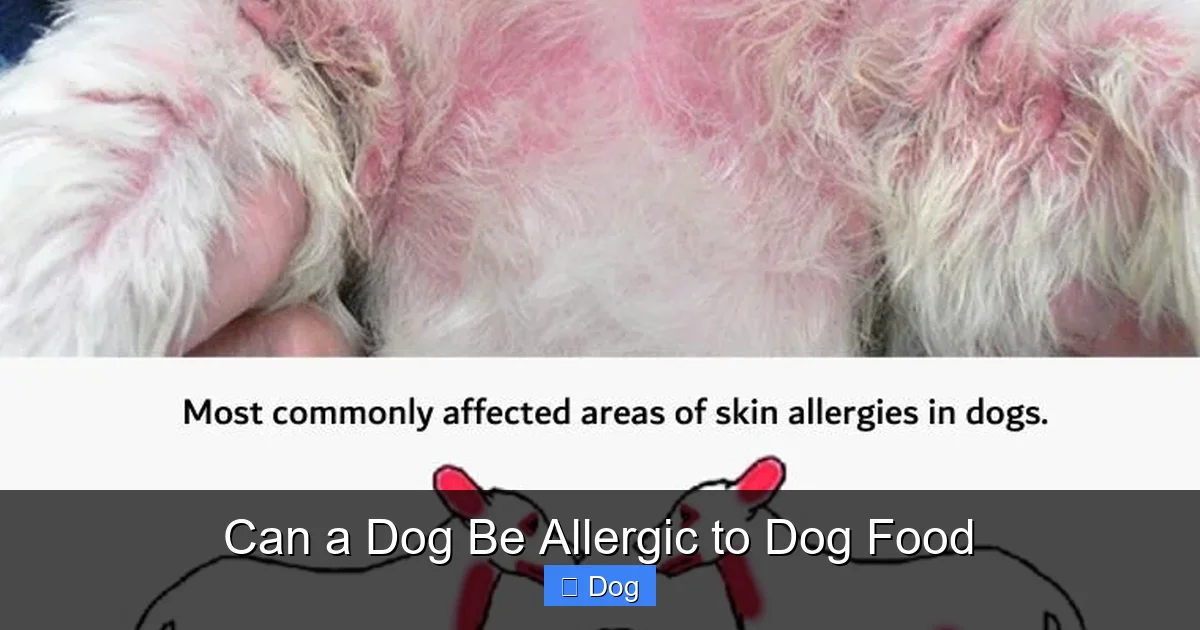
One of the most common signs of a food allergy is chronic itching, also known as pruritus. This often shows up as excessive scratching, licking, or chewing, especially on the paws, belly, groin, armpits, and around the ears. You might notice red, inflamed skin, hair loss, or even open sores from constant irritation. In severe cases, dogs can develop hot spots—painful, moist areas of infected skin.
Ear infections are another red flag. Dogs with food allergies often get recurring ear infections, particularly in the outer ear canal. These infections may cause head shaking, ear odor, redness, and discharge. If your dog has had three or more ear infections in a year, a food allergy could be the underlying cause.
Digestive issues are also common, though less frequent than skin problems. Symptoms may include vomiting, diarrhea, gas, bloating, or frequent bowel movements. Some dogs may have soft stools or mucus in their stool. While these signs can point to a food allergy, they’re also common in food intolerances or other gastrointestinal disorders, so a proper diagnosis is key.
Other possible symptoms include chronic paw chewing, facial rubbing (especially against carpets or furniture), and recurrent skin infections (like pyoderma). Some dogs may also experience behavioral changes, such as increased restlessness or irritability, due to discomfort.
It’s important to note that food allergy symptoms usually don’t come on suddenly. They develop gradually over weeks or months. And unlike seasonal allergies, which flare up at certain times of year, food allergy symptoms tend to be year-round. If your dog’s itching or digestive issues don’t improve with flea treatment or seasonal allergy medication, food could be the culprit.
Common Allergens in Dog Food
Not all ingredients in dog food are created equal when it comes to triggering allergies. While any ingredient can theoretically cause a reaction, certain proteins and additives are far more likely to be the source of the problem.
The most common allergen in dog food is beef. It’s a staple in many commercial dog foods, and because dogs are often exposed to it from a young age, they can develop sensitivity over time. Chicken is another frequent offender—many dogs are fed chicken-based diets regularly, increasing the risk of developing an allergy.
Dairy products, including milk, cheese, and yogurt, are also common triggers. Even small amounts can cause reactions in sensitive dogs. Eggs, despite being a high-quality protein, can also be problematic for some pets.
Surprisingly, grains like wheat, corn, and soy are often blamed for food allergies, but they’re actually less common culprits than proteins. That said, some dogs do react to grains, especially wheat gluten. It’s also possible for dogs to be allergic to multiple ingredients at once, making diagnosis more complex.
Other potential allergens include:
– Lamb (though it’s often used in hypoallergenic diets, some dogs can still react)
– Soy
– Fish (especially if the dog eats fish-based food regularly)
– Artificial additives like food dyes, preservatives (BHA, BHT), and flavor enhancers
It’s also worth noting that cross-contamination in manufacturing can be an issue. Even if a food is labeled “grain-free” or “chicken-free,” trace amounts of allergens might be present if the food is processed in a facility that handles those ingredients.
How to Diagnose a Food Allergy in Dogs
Diagnosing a food allergy in dogs isn’t as simple as taking a blood test or doing a skin prick test. While those tests exist, they’re not always reliable for food allergies. The most accurate method is an elimination diet, also known as a food trial.
An elimination diet involves feeding your dog a completely new diet made from ingredients they’ve never eaten before. This usually means a novel protein (like duck, venison, or kangaroo) and a novel carbohydrate (like sweet potato or peas). The diet must be strictly followed for 8 to 12 weeks, with no treats, table scraps, flavored medications, or chews that could contain hidden allergens.
During the trial, you’ll monitor your dog’s symptoms. If the itching, ear infections, or digestive issues improve significantly, it suggests a food allergy. Then, to confirm the diagnosis, your vet may recommend a “provocation test”—reintroducing the original food to see if symptoms return. If they do, the diagnosis is confirmed.
It’s crucial to work with your veterinarian throughout this process. They can help you choose the right elimination diet, rule out other conditions (like parasites or infections), and monitor your dog’s progress. Over-the-counter “limited ingredient” diets aren’t always reliable, as they may still contain trace allergens or cross-contamination.
Treatment and Management of Dog Food Allergies
Once a food allergy is diagnosed, the treatment is straightforward: avoid the allergen. This means switching to a hypoallergenic diet that doesn’t contain the problematic ingredient.
There are two main types of hypoallergenic diets:
1. **Novel protein diets**: These use proteins your dog has never eaten before, such as rabbit, duck, or venison.
2. **Hydrolyzed protein diets**: In these foods, proteins are broken down into tiny molecules that the immune system doesn’t recognize as allergens. These are often prescription diets available through your vet.
Your vet can recommend the best option based on your dog’s needs. It’s important to stick to the new diet long-term and avoid any foods or treats that might contain the allergen.
In addition to dietary changes, your vet may prescribe medications to manage symptoms during the transition. These could include antihistamines, steroids, or topical treatments for skin infections. Probiotics and omega-3 fatty acids may also help support skin and gut health.
Preventing and Living with Food Allergies
While you can’t always prevent food allergies, you can reduce the risk by rotating proteins in your dog’s diet and avoiding over-reliance on a single ingredient. If your dog has been diagnosed with a food allergy, careful label reading and consistent feeding routines are essential.
Living with a food-allergic dog requires vigilance, but with the right diet and support, most dogs live happy, healthy lives. Regular vet check-ups and open communication with your veterinarian will help ensure your dog stays comfortable and symptom-free.
Frequently Asked Questions
Can a dog be allergic to dog food?
Yes, dogs can absolutely be allergic to ingredients in their food. Common allergens include beef, chicken, dairy, and wheat. Symptoms often include itchy skin, ear infections, and digestive issues.
How long does it take for a dog to react to a food allergy?
Food allergy symptoms usually develop gradually over weeks or months, not immediately after eating. This makes it harder to identify the trigger without a proper elimination diet.
Can puppies have food allergies?
While less common, puppies can develop food allergies. However, most food allergies appear in dogs over one year old after repeated exposure to an ingredient.
Are grain-free diets better for dogs with food allergies?
Not necessarily. Most food allergies are caused by proteins, not grains. Grain-free diets may help some dogs, but they’re not a guaranteed solution for food allergies.
Can I test my dog for food allergies at home?
Home test kits are available, but they’re not always accurate. The most reliable method is a vet-supervised elimination diet lasting 8 to 12 weeks.
What should I feed my dog if they have a food allergy?
Your vet may recommend a novel protein diet (like duck or venison) or a hydrolyzed protein diet. Always avoid the allergen and read labels carefully to prevent exposure.