

Yes, a dog can become allergic to his food at any age—even after years of eating the same diet. Food allergies in dogs often develop gradually and can cause skin irritation, digestive issues, and chronic discomfort. Identifying and managing these allergies is key to your dog’s long-term health.
Key Takeaways
- Food allergies can develop at any time: Dogs can become allergic to ingredients they’ve eaten for years, not just new foods.
- Symptoms go beyond the skin: While itching and rashes are common, food allergies can also cause vomiting, diarrhea, and ear infections.
- Proteins are the most common culprits: Beef, chicken, dairy, and eggs are frequent allergens, not grains as many believe.
- Diagnosis requires a strict elimination diet: Blood and skin tests are unreliable; a vet-supervised diet trial is the gold standard.
- Hypoallergenic diets help manage allergies: Novel proteins or hydrolyzed diets reduce immune reactions and support recovery.
- Prevention isn’t always possible: But rotating proteins and avoiding artificial additives may reduce risk.
- Always consult your vet: Self-diagnosing can worsen symptoms; professional guidance ensures proper treatment.
📑 Table of Contents
Can a Dog Become Allergic to His Food?
You’ve been feeding your dog the same kibble for years. He’s always been healthy, happy, and full of energy. But lately, you’ve noticed he’s scratching more than usual, his ears seem red, and he’s had a few upset stomachs. You might wonder: Could my dog be allergic to his food?
The short answer is yes. Just like humans, dogs can develop food allergies at any point in their lives—even to foods they’ve eaten without issue for years. It’s a common misconception that food allergies only appear in puppies or after a diet change. In reality, food sensitivities can develop gradually, often over months or even years of repeated exposure to the same ingredients.
Food allergies in dogs are immune-mediated reactions to specific proteins or other components in their diet. Unlike food intolerances, which are digestive issues (like lactose intolerance), true food allergies trigger the immune system. This means the body mistakenly identifies a harmless food ingredient as a threat and launches an inflammatory response. Over time, this can lead to chronic discomfort, skin problems, and gastrointestinal distress.
Understanding whether your dog has a food allergy—and how to manage it—is essential for their well-being. The good news is that with proper diagnosis and dietary adjustments, most dogs with food allergies can live comfortable, symptom-free lives. This article will walk you through everything you need to know about food allergies in dogs, from recognizing the signs to finding the right diet and working with your veterinarian.
What Are Food Allergies in Dogs?
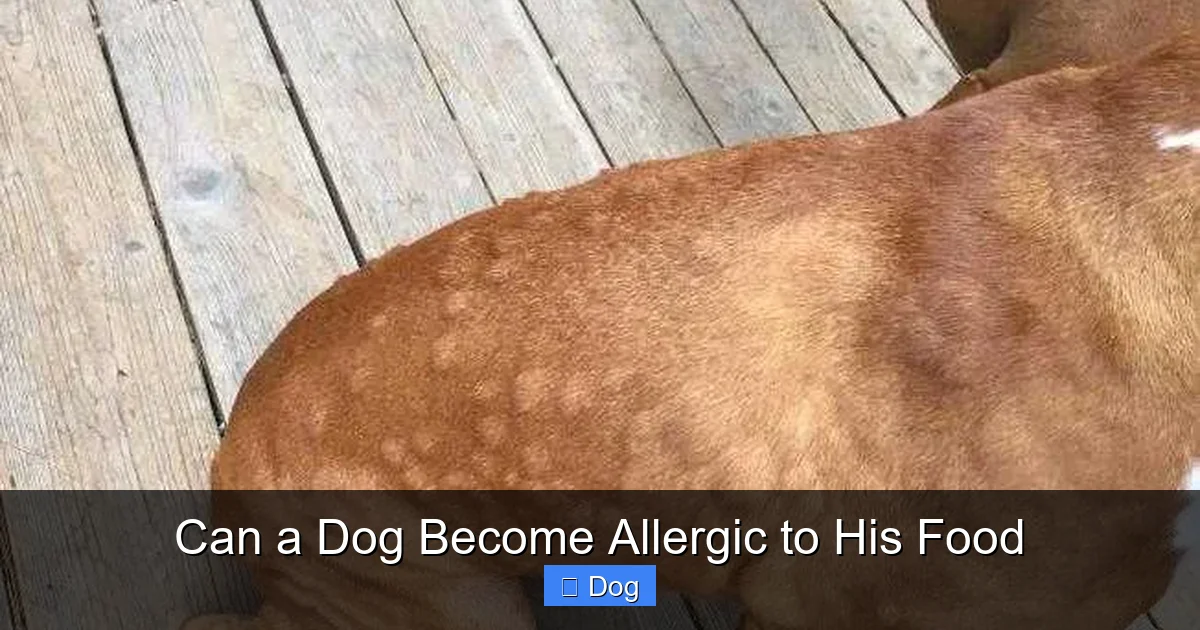
Visual guide about Can a Dog Become Allergic to His Food
Image source: monkoodog.com
A food allergy in dogs occurs when their immune system overreacts to a particular ingredient in their food. This reaction isn’t immediate like a peanut allergy in humans might be. Instead, it builds up over time, often after repeated exposure to the allergen. The immune system produces antibodies against the food protein, leading to inflammation and a range of symptoms.
It’s important to distinguish food allergies from food intolerances. A food intolerance doesn’t involve the immune system—it’s usually a digestive issue. For example, a dog might have trouble digesting lactose in milk, leading to gas or diarrhea, but this isn’t an allergy. True food allergies are more complex and can affect multiple body systems.
How Do Food Allergies Develop?
Food allergies typically develop after prolonged exposure to a specific ingredient. Think of it like this: every time your dog eats chicken, his immune system gets a little more familiar with it. Over time, that familiarity can turn into sensitivity. The immune system starts to see chicken protein as a threat, even though it’s harmless. This process is called sensitization.
This is why a dog can eat the same food for five years and suddenly develop an allergy to it. It’s not that the food changed—it’s that the dog’s immune system changed. Factors like genetics, gut health, and environmental stressors can all play a role in whether a dog develops an allergy.
Common Allergens in Dog Food
Contrary to popular belief, grains are not the most common cause of food allergies in dogs. In fact, studies show that proteins are the primary culprits. The most frequent allergens include:
- Beef: One of the most common allergens, especially in dogs fed beef-based diets regularly.
- Chicken: A staple in many dog foods, chicken is a frequent trigger for allergic reactions.
- Dairy: Milk, cheese, and other dairy products can cause issues, particularly in lactose-intolerant dogs.
- Eggs: While nutritious, eggs are a known allergen for some dogs.
- Lamb: Once considered hypoallergenic, lamb is now a common allergen due to its widespread use.
- Soy: Found in many commercial dog foods, soy can trigger reactions in sensitive dogs.
- Wheat: While less common than protein allergens, wheat can still cause issues in some dogs.
Artificial additives like food coloring, preservatives (such as BHA and BHT), and flavor enhancers can also contribute to allergic reactions, though they are less common than protein-based allergies.
Signs and Symptoms of Food Allergies in Dogs
Recognizing the signs of a food allergy is the first step toward helping your dog. Unfortunately, the symptoms can be subtle at first and often mimic other conditions, making diagnosis tricky. Many pet owners mistake food allergies for environmental allergies (like pollen or dust), which can delay proper treatment.
Skin-Related Symptoms
One of the most common signs of a food allergy is chronic itching, especially around the face, ears, paws, armpits, and belly. This itching can be intense and persistent, leading to excessive scratching, licking, or chewing. Over time, this can cause hair loss, redness, hot spots, and even open sores.
Ear infections are another hallmark of food allergies. Dogs with food sensitivities often suffer from recurring ear infections—red, smelly ears with discharge are common. These infections may not respond well to antibiotics because the root cause (the allergy) isn’t addressed.
Skin infections (pyoderma) and rashes are also frequent. You might notice your dog’s skin becoming thickened, dark, or scaly, especially in areas they frequently scratch. These symptoms can flare up seasonally or year-round, unlike environmental allergies, which often worsen in spring or fall.
Gastrointestinal Symptoms
Not all food allergies show up as skin problems. Many dogs experience digestive issues as their primary symptom. These can include:
- Chronic diarrhea: Loose stools that last more than a few days.
- Vomiting: Occasional or frequent vomiting, sometimes with food or bile.
- Excessive gas: Frequent flatulence or bloating.
- Gurgling stomach sounds: Audible digestive noises after eating.
- Increased bowel movements: Going more than usual, sometimes multiple times a day.
Some dogs may also show signs of discomfort, such as restlessness after meals or reluctance to eat. In severe cases, food allergies can lead to weight loss or poor coat condition due to malabsorption of nutrients.
Other Possible Symptoms
Less common but still possible symptoms include:
- Chronic paw licking: Often mistaken for environmental allergies, but can be food-related.
- Anal gland issues: Frequent scooting or difficulty expressing glands.
- Behavioral changes: Irritability, lethargy, or increased anxiety due to discomfort.
- Respiratory symptoms: Rare, but some dogs may experience coughing or sneezing.
It’s important to note that these symptoms can also be caused by other health issues, such as parasites, infections, or hormonal imbalances. That’s why a proper veterinary evaluation is crucial.
How Are Food Allergies Diagnosed?
Diagnosing a food allergy in dogs is not as simple as running a blood test. In fact, many common tests are unreliable and can lead to misdiagnosis. The only proven method for diagnosing a food allergy is a strict elimination diet trial, supervised by a veterinarian.
Why Blood and Skin Tests Are Unreliable
Many pet owners turn to blood or skin allergy tests when their dog shows symptoms. These tests measure the presence of antibodies to certain foods. However, research has shown that these tests often produce false positives—meaning they indicate an allergy when there isn’t one.
For example, a dog may test “positive” for chicken even if he’s never had a reaction to it. This is because the test detects exposure, not an actual allergic response. A dog can have antibodies to a food without being allergic to it. That’s why these tests are not recommended for diagnosing food allergies.
The Elimination Diet: The Gold Standard
An elimination diet involves feeding your dog a novel protein and carbohydrate source that he has never eaten before. A novel protein is one your dog hasn’t been exposed to—like duck, venison, rabbit, or kangaroo. The carbohydrate might be sweet potato, peas, or quinoa.
The diet must be strictly followed for 8 to 12 weeks. During this time, your dog cannot eat anything else—no treats, table scraps, flavored medications, or even chew toys with food ingredients. Every bite must come from the prescribed diet.
If your dog’s symptoms improve during the trial, it suggests a food allergy. To confirm, your vet will recommend a “challenge” phase: reintroducing the original food. If symptoms return within a few days, the diagnosis is confirmed.
Hydrolyzed Protein Diets
Another option is a hydrolyzed protein diet. In these foods, the proteins are broken down into tiny molecules that the immune system doesn’t recognize as allergens. These diets are specially formulated and available through veterinarians.
Hydrolyzed diets can be used during the elimination trial or as a long-term solution for dogs with confirmed allergies. They are highly effective and eliminate the need to find a novel protein your dog hasn’t eaten.
Managing and Treating Food Allergies in Dogs
Once a food allergy is diagnosed, the goal is to manage it through diet and lifestyle adjustments. There is no cure for food allergies, but with the right approach, most dogs can live comfortably without symptoms.
Choosing the Right Diet
After an elimination diet, your vet will help you select a long-term diet. Options include:
- Novel protein diets: Made with proteins your dog has never eaten, such as duck, rabbit, or fish.
- Hydrolyzed protein diets: Proteins are broken down to prevent immune reactions.
- Homemade diets: Prepared at home with vet-approved recipes to ensure nutritional balance.
It’s important to read labels carefully. Many commercial “limited ingredient” diets still contain trace amounts of common allergens due to cross-contamination during manufacturing. Look for brands that guarantee no cross-contact or consider rotating proteins every few months to reduce the risk of developing new allergies.
Avoiding Hidden Allergens
Even small amounts of an allergen can trigger symptoms. Be vigilant about:
- Treats: Choose single-ingredient treats made from the same novel protein as the main diet.
- Medications: Some pills and supplements contain flavorings or fillers that may include allergens. Ask your vet for hypoallergenic options.
- Toys and chews: Avoid rawhides, bully sticks, or toys coated in food-based flavors.
- Table scraps: Even a small piece of chicken can set off a reaction.
Supporting Gut Health
Emerging research suggests that gut health plays a role in food allergies. A healthy gut microbiome can help regulate the immune system and reduce inflammation. Consider adding probiotics designed for dogs to support digestive health. Prebiotics, found in foods like pumpkin and chicory root, can also promote beneficial gut bacteria.
Monitoring and Adjusting
Keep a symptom diary to track your dog’s response to the new diet. Note any changes in itching, stool quality, energy levels, or behavior. If symptoms return, it could mean accidental exposure to an allergen or the development of a new sensitivity.
Work closely with your veterinarian to adjust the diet as needed. Some dogs may need to rotate proteins every 6–12 months to prevent new allergies from forming.
Can Food Allergies Be Prevented?
While there’s no guaranteed way to prevent food allergies, certain strategies may reduce the risk:
- Rotate proteins: Feeding different protein sources (e.g., chicken, beef, fish) every few months may help prevent sensitization.
- Avoid artificial additives: Choose foods with natural preservatives and minimal ingredients.
- Introduce variety early: Puppies exposed to a variety of proteins may be less likely to develop allergies.
- Support immune health: A balanced diet, regular exercise, and stress reduction can strengthen the immune system.
However, genetics and environmental factors also play a role, so prevention isn’t always possible. The key is early detection and proper management.
When to See a Veterinarian
If your dog shows persistent itching, digestive issues, or ear infections, it’s time to see a vet. Don’t try to diagnose or treat a food allergy on your own. Self-prescribing diets or supplements can worsen symptoms or lead to nutritional deficiencies.
Your vet can rule out other conditions—such as flea allergies, bacterial infections, or hormonal disorders—and guide you through a proper elimination diet. They may also recommend skin or blood tests to rule out environmental allergies, which often coexist with food allergies.
Early intervention leads to better outcomes. The sooner you address a food allergy, the less discomfort your dog will experience and the faster they can return to a happy, healthy life.
Conclusion
Yes, a dog can become allergic to his food—even after years of eating the same diet. Food allergies are immune-mediated reactions that develop gradually and can cause a wide range of symptoms, from itchy skin to digestive upset. While they can’t be cured, they can be effectively managed with the right diagnosis and diet.
The key to success is working with your veterinarian to identify the allergen through a strict elimination diet. Once identified, switching to a novel or hydrolyzed protein diet and avoiding hidden allergens can bring relief. With patience and care, your dog can live a comfortable, symptom-free life.
Remember, every dog is different. What works for one may not work for another. Stay observant, keep detailed notes, and don’t hesitate to seek professional help. Your dog’s health and happiness are worth the effort.
Frequently Asked Questions
Can a dog develop a food allergy suddenly?
Yes, dogs can develop food allergies at any age, even to foods they’ve eaten for years. Allergies develop gradually due to repeated exposure, so symptoms may appear suddenly even if the food hasn’t changed.
Are grains the main cause of food allergies in dogs?
No, grains are not the primary cause. Proteins like beef, chicken, and dairy are the most common allergens. Wheat and soy can cause issues, but they’re less frequent than protein-based allergies.
How long does it take to see improvement on an elimination diet?
Most dogs show improvement within 4 to 8 weeks, but the full trial should last 8 to 12 weeks. Some dogs may take longer, especially if they have severe or chronic symptoms.
Can I use over-the-counter allergy tests for my dog?
No, over-the-counter blood or skin tests are not reliable for diagnosing food allergies. The only proven method is a vet-supervised elimination diet.
What if my dog reacts to multiple proteins?
This is possible. Some dogs develop allergies to more than one ingredient. In such cases, a hydrolyzed protein diet or a carefully managed rotation diet under veterinary guidance may be necessary.
Can puppies have food allergies?
Yes, puppies can develop food allergies, though they’re more common in adult dogs. Early exposure to a variety of proteins may help reduce the risk, but genetics and environment also play a role.