
Yes, a dog can choke to death on food if an object or large piece blocks their airway. While not extremely common, choking is a serious emergency that requires immediate action. Knowing the signs and how to respond can save your dog’s life.
Key Takeaways
- Yes, dogs can choke to death on food: Large chunks, bones, or hard treats can block the airway, especially in small breeds or dogs that eat too fast.
- Choking is a medical emergency: If your dog can’t breathe, cough, or make noise, act fast—every second counts.
- Watch for warning signs: Gagging, pawing at the mouth, drooling, panic, or blue gums mean your dog may be choking.
- Know how to help: Learn basic canine first aid, including the Heimlich maneuver for dogs, and stay calm.
- Prevention is key: Use slow feeders, avoid dangerous foods, and supervise meal times to reduce risk.
- Not all gagging is choking: Some dogs gag while eating but can still breathe—learn the difference to avoid panic.
- Call your vet immediately: Even if you clear the blockage, internal damage may have occurred and needs professional care.
📑 Table of Contents
Can a Dog Choke to Death on Food? Understanding the Risks
If you’ve ever watched your dog inhale their dinner in seconds flat, you’ve probably wondered: *Can a dog choke to death on food?* The short answer is yes—dogs can and do choke on food, and in rare but serious cases, it can be fatal. While choking isn’t the most common cause of death in dogs, it’s a real and preventable danger that every pet owner should understand.
Dogs are natural scavengers. Their instincts drive them to eat quickly, especially if they’ve had to compete for food in the past. This behavior, combined with their anatomy—wide mouths and strong jaws—makes them prone to swallowing large pieces without chewing. Add in the popularity of hard treats, rawhides, or table scraps, and the risk increases. Small breeds like Chihuahuas, Pomeranians, and Dachshunds are especially vulnerable due to their narrow airways, but even large dogs can choke if they swallow something the wrong way.
The good news? Most choking incidents can be prevented with awareness, proper feeding habits, and quick action. This guide will walk you through everything you need to know—from recognizing the signs of choking to performing life-saving first aid and preventing future incidents.
What Is Choking in Dogs?
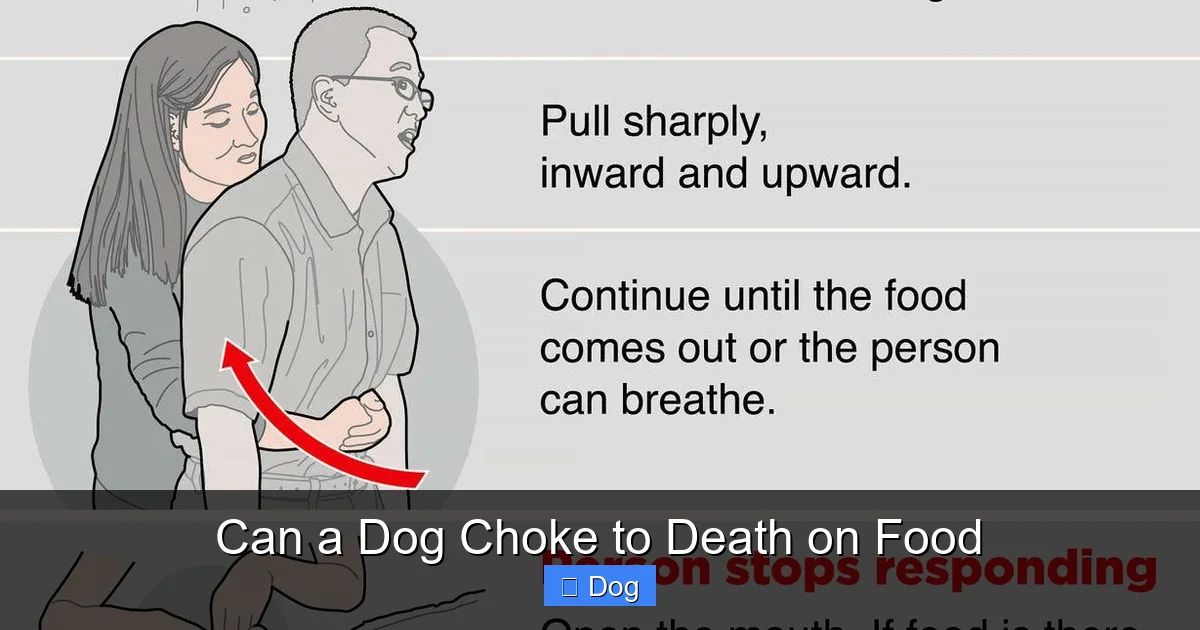
Visual guide about Can a Dog Choke to Death on Food
Image source: static01.nyt.com
Choking occurs when an object—like a piece of food, a toy, or a bone—gets stuck in a dog’s airway, blocking the flow of air to the lungs. This is different from coughing or gagging, which are often normal reflexes. True choking is a life-threatening emergency because without oxygen, brain damage can occur in just 4 to 6 minutes.
There are two main types of airway obstruction in dogs:
Partial Airway Obstruction
In this case, the object is partially blocking the airway. Your dog may still be able to breathe, but with difficulty. They might cough forcefully, gag, or make wheezing sounds. Their gums may look pale or bluish due to reduced oxygen. While this is less immediately dangerous than complete blockage, it can quickly turn into a full obstruction if the object shifts or swells.
Complete Airway Obstruction
This is the most dangerous scenario. The airway is fully blocked, and your dog cannot breathe at all. They may panic, paw at their mouth, and collapse. Without immediate intervention, this can lead to unconsciousness and death within minutes.
It’s important to note that not all gagging or coughing means your dog is choking. Some dogs gag while eating, especially if they’re excited or eating too fast. If your dog can still breathe, make noise, or cough forcefully, they may be trying to dislodge the object on their own. But if they’re silent, struggling, or turning blue, act immediately.
Common Foods That Can Cause Choking in Dogs
While any food can pose a risk if swallowed whole or in large pieces, some are more dangerous than others. Here are the most common culprits:
Bones (Cooked and Raw)
Many dog owners give their pets bones as treats, but this can be risky. Cooked bones—especially from chicken, turkey, or pork—can splinter and break into sharp pieces that get stuck in the throat or cause internal injuries. Even raw bones, while less likely to splinter, can still cause choking if swallowed whole. Large marrow bones may seem safe, but dogs can break off chunks that are too big to pass.
Hard Treats and Chews
Rawhides, bully sticks, and nylon bones are popular, but they can become a hazard when they soften and break into large pieces. Dogs may try to swallow these chunks whole, especially if they’re excited or distracted. Always supervise your dog when giving chews and remove them when they get small enough to swallow.
Large Pieces of Food
Table scraps like hot dogs, sausages, or chunks of meat can be too big for small dogs. Even kibble can be a problem if a dog eats too fast and swallows multiple pieces at once. Large kibble sizes may not be suitable for small breeds.
Fruits and Vegetables with Pits or Cores
Fruits like apples, peaches, or avocados have hard cores or pits that can block the airway. Grapes and raisins are also toxic to dogs, so avoid them entirely. Carrots and apples should be cut into small, bite-sized pieces.
Sticky or Soft Foods
Peanut butter, cheese, or marshmallows can seem harmless, but they can stick to the roof of the mouth or get lodged in the throat, especially in small dogs. Peanut butter, in particular, is often used to hide pills, but if given in large amounts, it can cause choking.
Foods That Expand
Some foods, like dry kibble or certain treats, can absorb moisture and expand in the throat or stomach. This can lead to choking or even bloat, a life-threatening condition. Always ensure your dog has access to water when eating dry food.
Signs Your Dog Is Choking
Recognizing the signs of choking early can save your dog’s life. Here’s what to look for:
Visible Distress
Your dog may paw at their mouth, stretch their neck, or seem panicked. They might run around frantically or try to rub their face on the ground.
Inability to Breathe or Cough
If your dog is truly choking, they won’t be able to cough effectively. A weak or silent cough is a red flag. They may open their mouth wide but produce no sound.
Blue or Pale Gums
Healthy gums are pink. If they turn blue, gray, or white, it means your dog isn’t getting enough oxygen. This is a medical emergency.
Excessive Drooling
Choking dogs often drool heavily because they can’t swallow saliva. The drool may be thick or foamy.
Collapse or Loss of Consciousness
If the blockage isn’t cleared, your dog may collapse, seize, or lose consciousness. At this point, every second counts.
Unsuccessful Gagging
Repeated gagging without bringing anything up can indicate a blockage. If your dog gags once or twice and then seems fine, they may have dislodged the object. But if it continues, seek help.
It’s important to stay calm. Panicking won’t help your dog. Instead, assess the situation quickly. Can they breathe? Are they making noise? If not, you need to act fast.
What to Do If Your Dog Is Choking
If you suspect your dog is choking, follow these steps:
Stay Calm and Assess
Take a deep breath. Your dog can sense your anxiety, which may worsen their panic. Check if they can breathe. If they’re coughing forcefully, let them try to clear it on their own. But if they’re silent, struggling, or turning blue, move to the next step.
Open the Mouth and Look
Gently open your dog’s mouth and look inside. Use a flashlight if needed. If you see the object—like a piece of food or bone—and it’s within reach, try to remove it with your fingers. Be careful not to push it further down. Only attempt this if you can see and reach it easily.
Perform the Heimlich Maneuver
If you can’t see the object or remove it, perform the Heimlich maneuver. The technique varies slightly depending on your dog’s size:
For small dogs (under 30 lbs):
– Hold your dog upside down with their back against your chest.
– Place your hands just below the rib cage.
– Give 5 quick, upward thrusts toward the spine.
– Check the mouth after each set.
For large dogs (over 30 lbs):
– Stand behind your dog and wrap your arms around their waist.
– Make a fist and place it just below the rib cage.
– Grasp your fist with your other hand and give 5 quick, inward and upward thrusts.
– Repeat until the object is dislodged.
Check for Breathing
After dislodging the object, check if your dog is breathing. If they’re unconscious but breathing, keep them warm and take them to the vet immediately. If they’re not breathing, begin CPR.
Call Your Veterinarian
Even if your dog seems fine after choking, call your vet. The object may have caused internal damage, or there could be swelling in the airway. Your dog may need an X-ray or examination to ensure everything is okay.
How to Prevent Choking in Dogs
Prevention is always better than emergency response. Here are practical tips to reduce the risk of choking:
Use Slow Feeders
If your dog eats too fast, a slow feeder bowl can help. These bowls have raised obstacles that force your dog to eat more slowly, reducing the chance of swallowing large pieces.
Cut Food into Small Pieces
For small dogs or dogs that gulp their food, cut kibble, treats, and table scraps into bite-sized pieces. This is especially important for soft foods like hot dogs or cheese.
Avoid Dangerous Foods
Never give your dog cooked bones, large rawhides, or hard treats that can break into chunks. Stick to vet-approved chews and supervise all treat time.
Supervise Meal Times
Always watch your dog while they eat, especially if they’re prone to gulping. If you have multiple dogs, consider feeding them separately to reduce competition.
Train Your Dog to Chew
Teach your dog to chew their food instead of swallowing it whole. Use positive reinforcement—praise them when they chew slowly. You can also use puzzle toys that require chewing to get the food out.
Choose the Right Kibble Size
Make sure your dog’s kibble is appropriate for their size. Small breeds should have small kibble, while large breeds can handle bigger pieces. Some dogs may need wet food mixed in to slow them down.
Keep Small Objects Away
While not food, small toys, socks, or plastic pieces can also cause choking. Keep your home tidy and dog-proof areas where your pet spends time.
When to See a Veterinarian
Even if your dog seems fine after a choking incident, it’s wise to see a vet. Here’s why:
Internal Injuries
The object may have scratched or punctured the throat, esophagus, or stomach. These injuries aren’t always visible but can lead to infection or bleeding.
Airway Swelling
The throat may swell after an obstruction, making it hard to breathe even after the object is removed. Your vet can administer anti-inflammatories or monitor your dog.
Residual Objects
Sometimes, small pieces remain stuck. An X-ray or endoscopy can detect these and remove them safely.
Infection Risk
If food or bacteria entered the lungs during choking, it could lead to pneumonia. Your vet may prescribe antibiotics as a precaution.
Behavioral Changes
Some dogs become anxious around food after choking. Your vet or a trainer can help with behavior modification.
Don’t wait. If your dog choked, even briefly, call your vet right away. It’s always better to be safe.
Conclusion
So, can a dog choke to death on food? Yes—but with awareness and preparation, you can greatly reduce the risk. Choking is a serious but preventable emergency. By choosing safe foods, supervising meals, and knowing how to respond, you can protect your dog from harm.
Remember, not every cough or gag means choking, but silence and panic do. Learn the signs, practice the Heimlich maneuver, and keep your vet’s number handy. Your quick thinking could save your dog’s life.
Prevention is your best tool. Use slow feeders, cut food properly, and avoid dangerous treats. And if the worst happens, stay calm and act fast. With the right knowledge, you can be your dog’s first line of defense.
Your dog relies on you to keep them safe. By understanding the risks of choking and taking simple steps to prevent it, you’re giving them the gift of a longer, healthier life.
Frequently Asked Questions
Can a dog choke on kibble?
Yes, especially if they eat too fast or if the kibble is too large for their size. Small dogs are more at risk. Using a slow feeder or soaking kibble in water can help reduce the risk.
How long can a dog survive while choking?
Without oxygen, a dog can suffer brain damage in 4 to 6 minutes and may die within 10 minutes. Immediate action is critical to survival.
What should I do if my dog is gagging but still breathing?
Let them try to cough it out. If gagging continues for more than a minute or they seem distressed, call your vet. Don’t stick your fingers in their mouth unless you can clearly see the object.
Are raw bones safer than cooked bones?
Raw bones are less likely to splinter than cooked ones, but they can still cause choking or intestinal blockages. Many vets recommend avoiding bones altogether.
Can puppies choke on food more easily?
Yes, puppies have smaller airways and are more likely to swallow things whole. They also explore the world with their mouths, increasing the risk of choking on food or objects.
Is the Heimlich maneuver safe for all dogs?
Yes, when done correctly. The technique varies by size, so learn the proper method for your dog. If you’re unsure, ask your vet or take a pet first aid class.