
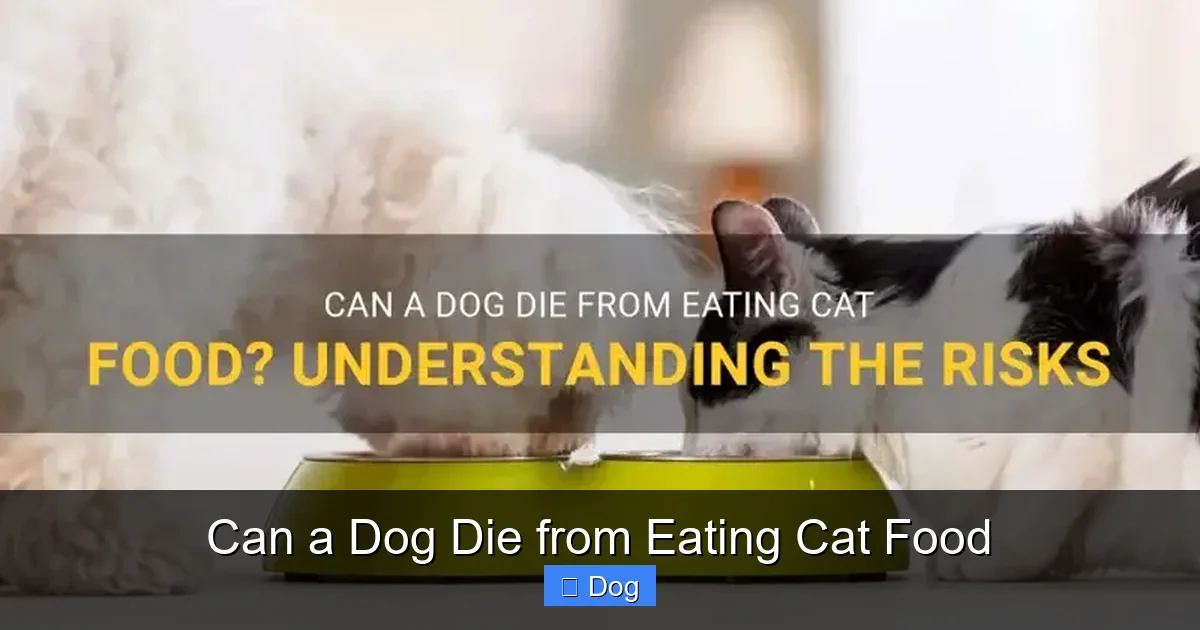
While occasional cat food consumption is unlikely to kill a dog, regular or large amounts can lead to serious health issues like obesity, pancreatitis, and nutrient imbalances. Understanding the nutritional differences and knowing when to seek veterinary help is key to keeping your dog safe.
Key Takeaways
- Cat food is not toxic to dogs: A small amount of cat food won’t poison your dog, but it’s not designed for canine nutrition.
- High protein and fat content can cause problems: Cat food is richer in protein and fat, which may lead to digestive upset or pancreatitis in dogs.
- Long-term feeding risks obesity and organ strain: Regularly eating cat food can cause weight gain and stress the liver and kidneys over time.
- Symptoms to watch for include vomiting, diarrhea, and lethargy: If your dog eats a lot of cat food, monitor for these signs and contact your vet if they persist.
- Prevention is easier than treatment: Keep cat food out of reach and train your dog to avoid scavenging.
- Immediate vet care is needed in severe cases: If your dog eats a large quantity or shows severe symptoms, seek emergency help.
- Feed a balanced dog diet: Stick to high-quality dog food that meets your pet’s nutritional needs.
📑 Table of Contents
- Can a Dog Die from Eating Cat Food?
- Why Do Dogs Eat Cat Food?
- Nutritional Differences Between Cat and Dog Food
- Short-Term Risks of Dogs Eating Cat Food
- Long-Term Health Risks of Regular Cat Food Consumption
- When to Call the Vet
- How to Prevent Dogs from Eating Cat Food
- What to Do If Your Dog Eats Cat Food
- Conclusion
Can a Dog Die from Eating Cat Food?
You’re relaxing on the couch, watching your dog snooze peacefully, when you notice your cat’s food bowl is empty—again. You glance over and see your pup licking the bowl clean. It’s a common scene in multi-pet households, but it raises a serious question: Can a dog die from eating cat food?
The short answer is: it’s unlikely that a single serving of cat food will kill your dog, but repeated or large consumption can lead to serious health complications. While cat food isn’t toxic to dogs, it’s formulated for a different species with very different nutritional needs. Dogs are omnivores, while cats are obligate carnivores—meaning their bodies require a diet much higher in animal protein and fat.
This fundamental difference means that what’s ideal for your feline friend can be problematic for your canine companion. In this article, we’ll explore the risks, symptoms, and long-term effects of dogs eating cat food, along with practical tips to prevent it and keep your pup healthy and happy.
Why Do Dogs Eat Cat Food?
Visual guide about Can a Dog Die from Eating Cat Food
Image source: i.kym-cdn.com
Dogs are naturally curious and opportunistic eaters. If your cat’s food is left out, your dog may see it as a tasty snack—especially if it smells strong or has a high-fat content. But why exactly are dogs drawn to cat food?
The Smell and Taste Factor
Cat food is often made with strong-smelling ingredients like fish, liver, and other animal by-products. These aromas are incredibly appealing to dogs, who have a highly developed sense of smell. Even if your dog’s own food is nutritious, the intense scent of cat food can make it seem more appetizing.
For example, imagine your dog is eating a bland kibble, and suddenly they catch a whiff of tuna-flavored cat food. It’s like choosing between plain toast and a gourmet sandwich—your dog will naturally go for the more flavorful option.
Opportunistic Eating Behavior
Dogs are scavengers by nature. In the wild, their ancestors would eat whatever they could find to survive. This instinct remains strong in domestic dogs. If food is accessible, they’ll eat it—even if it’s not meant for them.
This behavior is especially common in multi-pet homes. If your cat eats free-choice (food available all day), your dog may sneak bites throughout the day. Over time, this can add up to a significant amount of cat food consumption.
Lack of Training or Boundaries
Some dogs haven’t been trained to stay away from the cat’s area. Without clear boundaries, they may see the cat’s food bowl as fair game. This is especially true for puppies or dogs with high energy and curiosity levels.
For instance, a young Labrador might not understand that the cat’s food is off-limits, especially if the cat isn’t aggressive about guarding its meal. Without consistent training, the dog may continue to eat cat food whenever the opportunity arises.
Nutritional Differences Between Cat and Dog Food
To understand why cat food can be harmful to dogs, it’s important to look at the nutritional makeup of both types of pet food. While they may seem similar, there are key differences that make cat food unsuitable for long-term canine consumption.
Higher Protein Content
Cats require a diet rich in animal-based protein because they can’t synthesize certain amino acids on their own. Taurine, for example, is essential for cats but not for dogs. As a result, cat food contains significantly more protein than dog food—often 30–45% protein compared to 18–25% in dog food.
While dogs need protein too, too much can strain their kidneys and liver, especially in older dogs or those with pre-existing conditions. Over time, this can lead to organ stress and potential failure.
Higher Fat Content
Cat food is also higher in fat, which provides energy for their active, carnivorous lifestyle. Fat content in cat food can range from 15% to 20%, while dog food typically contains 10% to 15%.
For dogs, excess fat can lead to weight gain, obesity, and pancreatitis—a painful and potentially life-threatening inflammation of the pancreas. Pancreatitis is especially dangerous because it can develop quickly after a high-fat meal and requires immediate veterinary care.
Different Vitamin and Mineral Needs
Cats need higher levels of certain vitamins and minerals, such as vitamin A, niacin, and arachidonic acid. Dog food is formulated to meet canine needs, which differ significantly. For example, dogs can convert beta-carotene into vitamin A, but cats cannot—so cat food includes preformed vitamin A.
If a dog eats cat food regularly, they may get too much of certain nutrients, leading to imbalances. Conversely, they may miss out on nutrients they need, like fiber and certain B vitamins, which are more abundant in dog food.
Lack of Fiber
Dog food often contains more fiber to support digestive health and help dogs feel full. Cat food, being more meat-based, has less fiber. A dog eating cat food may experience digestive issues like constipation or diarrhea due to this imbalance.
Short-Term Risks of Dogs Eating Cat Food
If your dog sneaks a few bites of cat food, they’ll likely be fine. But if they eat a large amount or do it frequently, several short-term health issues can arise.
Digestive Upset
The most common reaction is gastrointestinal distress. Symptoms include:
- Vomiting
- Diarrhea
- Gas or bloating
- Loss of appetite
These symptoms usually appear within a few hours of eating cat food and can last 12 to 24 hours. They occur because the dog’s digestive system isn’t equipped to handle the high protein and fat content.
For example, if your dog eats an entire bowl of cat food, they may vomit within an hour. This is their body’s way of expelling something it can’t process. While unpleasant, this reaction is usually not dangerous—unless it leads to dehydration.
Pancreatitis
One of the most serious short-term risks is pancreatitis. This condition occurs when the pancreas becomes inflamed, often due to a sudden intake of high-fat food.
Symptoms of pancreatitis in dogs include:
- Severe abdominal pain (your dog may hunch their back or refuse to lie down)
- Vomiting
- Lethargy
- Loss of appetite
- Dehydration
Pancreatitis can be life-threatening if not treated promptly. It requires veterinary intervention, including IV fluids, pain management, and sometimes hospitalization. In severe cases, it can lead to organ failure or death.
Dehydration
Vomiting and diarrhea can quickly lead to dehydration, especially in small dogs or puppies. Signs of dehydration include:
- Dry gums
- Sunken eyes
- Loss of skin elasticity (when you pinch the skin, it doesn’t snap back quickly)
- Excessive panting
If you notice these signs, contact your vet immediately. Dehydration can worsen quickly and become dangerous.
Long-Term Health Risks of Regular Cat Food Consumption
While an occasional snack won’t harm your dog, making a habit of eating cat food can lead to chronic health problems.
Obesity
Cat food is calorie-dense due to its high fat and protein content. If your dog regularly eats cat food, they may consume more calories than they need, leading to weight gain.
Obesity in dogs increases the risk of:
- Joint problems (like arthritis)
- Diabetes
- Heart disease
- Reduced lifespan
For example, a 30-pound dog only needs about 700–800 calories per day. A single cup of cat food can contain 400–500 calories—more than half their daily requirement. Over time, this can lead to significant weight gain.
Kidney and Liver Strain
The high protein content in cat food can put extra strain on a dog’s kidneys and liver. These organs work hard to process and eliminate waste products from protein metabolism.
In healthy dogs, this isn’t usually a problem. But in older dogs or those with pre-existing kidney or liver conditions, the added workload can accelerate organ damage.
For instance, a senior dog with early-stage kidney disease may not show symptoms until the condition worsens. Regularly eating cat food could speed up that decline.
Pancreatic Issues
Repeated exposure to high-fat meals can increase the risk of chronic pancreatitis. This condition can cause ongoing pain, poor digestion, and malnutrition.
Dogs with chronic pancreatitis may need a special low-fat diet and lifelong medication. It’s a serious condition that can significantly impact quality of life.
Behavioral Problems
Dogs that regularly steal cat food may develop bad habits, such as:
- Counter-surfing
- Food aggression
- Begging or scavenging
These behaviors can be hard to break and may lead to other issues, like eating harmful substances or getting into fights with other pets.
When to Call the Vet
Most dogs will be fine after eating a small amount of cat food. But there are situations where you should contact your veterinarian immediately.
Large Quantity Consumed
If your dog eats a full bowl or more of cat food, especially if it’s high in fat, call your vet. They may recommend inducing vomiting or monitoring for symptoms.
Severe Symptoms
Seek emergency care if your dog shows:
- Persistent vomiting (more than 2–3 times)
- Severe diarrhea with blood
- Lethargy or weakness
- Signs of abdominal pain
- Difficulty breathing
These could indicate pancreatitis, obstruction, or another serious condition.
Underlying Health Conditions
If your dog has diabetes, kidney disease, or a history of pancreatitis, even a small amount of cat food could trigger a health crisis. Always consult your vet if your dog has a medical condition and eats cat food.
Repeated Incidents
If your dog keeps eating cat food despite your efforts to stop them, talk to your vet. They can help rule out underlying issues like pica (eating non-food items) or nutritional deficiencies.
How to Prevent Dogs from Eating Cat Food
The best way to protect your dog is to prevent access to cat food in the first place. Here are practical, effective strategies.
Feed Cats in a Separate Room
The simplest solution is to feed your cat in a room that your dog can’t access. Close the door during mealtime and for 20–30 minutes after, until the cat has finished eating.
For example, feed your cat in the bathroom or a spare bedroom. This ensures your dog can’t sneak in and steal food.
Use Baby Gates or Pet Barriers
Install a baby gate with a small pet door at the bottom. This allows your cat to pass through but keeps your dog out. Make sure the gate is tall enough that your dog can’t jump over it.
Some pet owners use specialized pet gates with electronic sensors that only allow cats to pass.
Feed Cats at Scheduled Times
Instead of free-feeding (leaving food out all day), feed your cat at specific times. This reduces the window of opportunity for your dog to steal food.
Use timed feeders that open at set times, or feed your cat when your dog is occupied (e.g., during a walk or training session).
Train Your Dog
Teach your dog the “leave it” command. Start with treats and gradually practice with cat food. Reward your dog for ignoring the food.
Consistency is key. Every time your dog tries to eat cat food, redirect them and praise them for obeying.
Use Puzzle Feeders for Cats
Some cat food puzzle toys require the cat to work for their food, which slows them down and keeps the food contained. This reduces the chance of your dog getting to it.
Supervise Mealtime
If possible, stay in the room while your cat eats. This allows you to intervene if your dog tries to sneak a bite.
What to Do If Your Dog Eats Cat Food
If your dog eats cat food, stay calm and follow these steps.
Assess the Amount
Determine how much your dog ate. A few licks? A full bowl? This will help you decide the next steps.
Monitor for Symptoms
Watch your dog closely for the next 12–24 hours. Look for vomiting, diarrhea, lethargy, or signs of pain.
Provide Fresh Water
Make sure your dog has access to clean water to prevent dehydration.
Withhold Food Temporarily
If your dog vomits, withhold food for 12 hours to let their stomach settle. Then reintroduce a bland diet (boiled chicken and rice) in small portions.
Contact Your Vet if Needed
If symptoms worsen or persist, call your veterinarian. They may recommend bringing your dog in for an exam.
Prevent Future Incidents
Once your dog recovers, take steps to prevent it from happening again. Use the prevention strategies mentioned above.
Conclusion
So, can a dog die from eating cat food? While it’s rare for a single incident to be fatal, regular or large consumption can lead to serious health problems like pancreatitis, obesity, and organ strain. The high protein and fat content in cat food simply isn’t suitable for dogs, whose nutritional needs are different.
The good news is that most dogs recover quickly from a one-time snack. But as a responsible pet owner, it’s important to take preventive measures to keep your dog safe. Feed your cat in a separate area, train your dog to avoid scavenging, and monitor their diet closely.
Remember, your dog’s health depends on a balanced, species-appropriate diet. Stick to high-quality dog food, and keep cat food out of reach. With a little planning and consistency, you can enjoy a peaceful, healthy home for both your dog and your cat.
Frequently Asked Questions
Can a dog die from eating cat food?
It’s unlikely that a dog will die from eating a small amount of cat food, but consuming large quantities or eating it regularly can lead to serious health issues like pancreatitis or organ damage, which can be life-threatening if untreated.
How much cat food is dangerous for a dog?
A few licks are usually harmless, but eating a full bowl or more—especially high-fat cat food—can cause vomiting, diarrhea, or pancreatitis. The risk increases with the size of the dog and the amount consumed.
What should I do if my dog eats cat food?
Monitor your dog for symptoms like vomiting or lethargy. Provide water, withhold food for 12 hours if vomiting occurs, and contact your vet if symptoms persist or worsen.
Can puppies eat cat food?
Puppies should not eat cat food regularly. While a small amount won’t harm them, cat food lacks the balanced nutrition puppies need and can lead to digestive upset or growth issues.
Is dry or wet cat food more dangerous for dogs?
Wet cat food is often higher in fat and protein, making it more likely to cause digestive upset or pancreatitis. However, both types can be problematic if eaten in large amounts.
How can I stop my dog from eating cat food?
Feed your cat in a separate room, use baby gates, train your dog with the “leave it” command, and avoid free-feeding. Supervision and consistency are key to preventing access.