
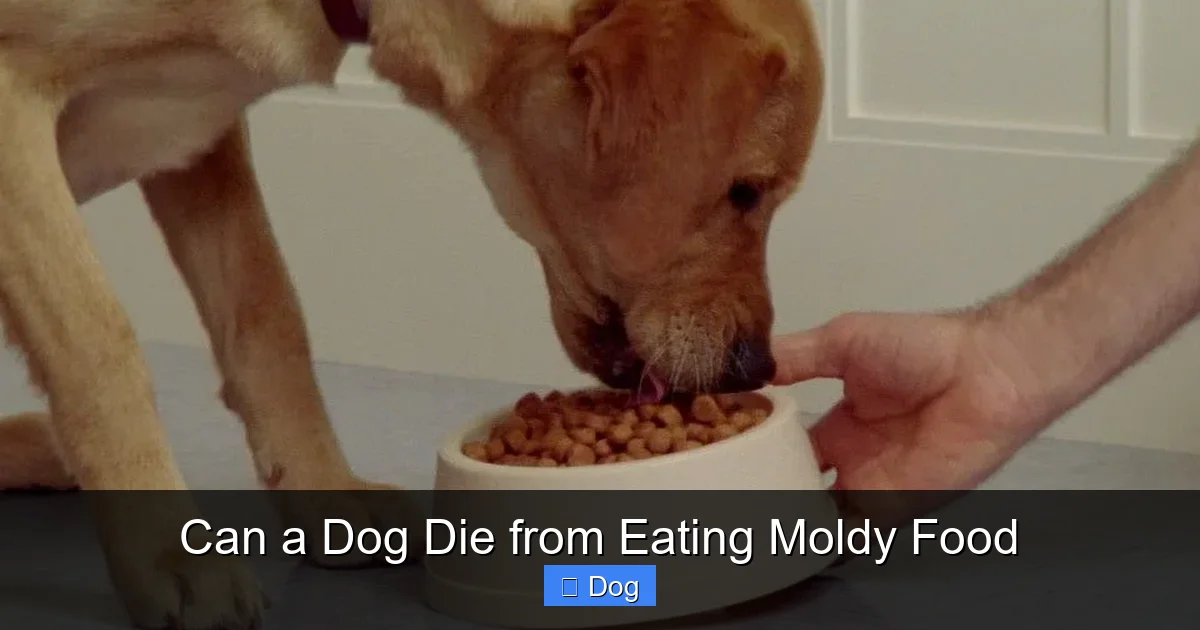
Yes, a dog can die from eating moldy food. Certain molds produce deadly toxins like aflatoxins and tremorgens that cause severe illness or fatal outcomes. Immediate veterinary care is crucial if ingestion occurs.
You love your dog like family—so the thought of them getting sick from something as simple as spoiled food is terrifying. But here’s a hard truth: **yes, a dog can die from eating moldy food**. It’s not just about an upset tummy. Certain types of mold produce powerful toxins that can attack a dog’s nervous system, liver, or digestive tract with alarming speed. And because dogs are naturally curious and often scavengers by instinct, they’re at high risk of accidentally consuming moldy items left in trash cans, compost piles, or even old kibble that’s been stored too long.
The good news? With awareness and quick action, many cases are treatable. But understanding the real dangers—and knowing what to look for—can mean the difference between life and death. In this guide, we’ll walk you through everything you need to know about mold toxicity in dogs: what causes it, how to spot the signs, what to do in an emergency, and how to prevent it from happening in the first place. Whether you’re a new pet parent or a seasoned dog owner, this information could one day save your furry friend’s life.
Key Takeaways
- Moldy food can be deadly to dogs: Some molds release potent neurotoxins and liver-damaging compounds that can lead to organ failure or death.
- Symptoms appear quickly: Vomiting, tremors, seizures, lethargy, and loss of coordination can develop within hours of ingestion.
- Not all molds are equally dangerous: While some cause mild stomach upset, others like *Penicillium* and *Aspergillus* produce life-threatening toxins.
- Immediate action saves lives: If you suspect your dog ate moldy food, contact a vet or pet poison hotline right away—do not wait.
- Prevention is essential: Store food properly, check expiration dates, and never feed leftovers that show signs of mold.
- Outdoor risks exist too: Dogs may ingest moldy compost, garbage, or spoiled food in yards or during walks.
- Veterinary treatment varies: Decontamination, IV fluids, anticonvulsants, and liver support may be needed depending on toxin type and exposure level.
📑 Table of Contents
Why Moldy Food Is Dangerous for Dogs
Dogs have a strong sense of smell and a natural tendency to sniff out and eat things they shouldn’t—especially when those things are decaying or fermented. While a small bite of slightly moldy bread might only cause mild gastrointestinal discomfort, larger amounts or certain types of mold can trigger severe, even fatal, reactions. The danger lies not in the mold itself, but in the toxic compounds it produces.
These compounds are called mycotoxins. Think of them as the mold’s natural defense mechanism—chemical weapons designed to protect the fungus from predators. Unfortunately, dogs (and other animals) are highly sensitive to these toxins. Even small doses can overwhelm their systems, especially in smaller breeds or puppies.
One of the most dangerous groups of mycotoxins is tremorgenic mycotoxins, produced by molds like *Penicillium* and *Aspergillus*. These toxins attack the central nervous system, leading to muscle tremors, seizures, and hyperthermia (dangerously high body temperature). Another major concern is aflatoxins, which are produced by certain *Aspergillus* species and are extremely toxic to the liver. Aflatoxin poisoning can cause jaundice, internal bleeding, and liver failure—sometimes within days.
What makes this even more alarming is that mold can grow on almost any organic material: bread, cheese, fruits, vegetables, meat, grains, and even dry dog food that’s been exposed to moisture. And because mold often grows invisibly beneath the surface, your dog might eat a contaminated item without you even noticing the fuzzy spots.
Common Sources of Mold Exposure
Mold doesn’t just appear in the fridge. Dogs can encounter it in many everyday places:
– **Trash cans**: Rotting food, coffee grounds, and spoiled leftovers are prime breeding grounds for mold.
– **Compost piles**: While great for gardens, compost heaps can harbor toxic molds—especially if they contain meat or dairy.
– **Outdoor environments**: Fallen fruit, rotting logs, or damp soil can host mold colonies.
– **Pet food storage**: Kibble left in humid areas or opened bags stored improperly can develop mold over time.
– **Human food waste**: Forgotten snacks under furniture or in backpacks can become moldy and tempting to a curious pup.
Even well-meaning owners can accidentally feed moldy food. For example, leaving wet food out too long, reusing old bowls without washing, or storing treats in non-airtight containers can all lead to mold growth.
Types of Toxic Mold That Harm Dogs
Visual guide about Can a Dog Die from Eating Moldy Food
Image source: i.ytimg.com
Not all mold is created equal when it comes to toxicity. While some molds cause only minor digestive upset, others are downright deadly. Understanding which types pose the greatest risk can help you identify potential hazards and respond appropriately.
Tremorgenic Mycotoxins (Neurotoxic Mold)
The most common and dangerous type of mold toxin affecting dogs is tremorgenic mycotoxin. These are produced primarily by *Penicillium* species, including *P. crustosum* and *P. commune*. You might recognize *Penicillium* as the mold used to make blue cheese—but in spoiled food, it’s far from safe.
When dogs ingest food contaminated with these toxins, the effects are rapid and neurological. Symptoms typically appear within 30 minutes to a few hours and include:
– Muscle tremors (starting in the head and spreading to the whole body)
– Seizures
– Drooling
– Vomiting
– Loss of coordination (ataxia)
– Hyperactivity or agitation
– High body temperature (over 104°F)
In severe cases, dogs may experience status epilepticus—continuous seizures that don’t stop without medical intervention—which can lead to brain damage or death if untreated. The good news is that with prompt veterinary care, many dogs recover fully. However, delays in treatment significantly reduce survival chances.
Aflatoxins (Hepatotoxic Mold)
Aflatoxins are produced by *Aspergillus flavus* and *Aspergillus parasiticus*. These molds thrive in warm, humid environments and commonly contaminate grains like corn, peanuts, and wheat—ingredients often found in commercial dog food.
Aflatoxins are among the most potent natural carcinogens known and are extremely toxic to the liver. Dogs exposed to even small amounts can suffer acute liver damage. Symptoms may take longer to appear—sometimes 12 to 48 hours—and include:
– Loss of appetite
– Jaundice (yellowing of gums, eyes, or skin)
– Vomiting (sometimes with blood)
– Abdominal pain or swelling
– Lethargy
– Bruising or bleeding easily (due to impaired clotting)
Chronic exposure to low levels of aflatoxins can also lead to long-term liver disease or cancer. In 2021, several dog food recalls were issued due to dangerously high aflatoxin levels, highlighting how serious this threat can be—even in commercially prepared foods.
Other Harmful Molds
While tremorgens and aflatoxins are the most concerning, other molds can also cause illness:
– *Fusarium* species: Produce toxins that can cause vomiting, diarrhea, and immune suppression.
– *Stachybotrys* (black mold): Rarely ingested but highly toxic if inhaled or consumed; can cause respiratory and neurological issues.
– *Cladosporium*: Less toxic but can still cause gastrointestinal upset.
It’s important to remember that even if you can’t see mold, it may still be present. Mold spores are microscopic, and colonies can grow deep within food, especially in porous items like bread or cheese.
Symptoms of Mold Poisoning in Dogs
Recognizing the signs of mold toxicity early can save your dog’s life. Because symptoms vary depending on the type of toxin and amount ingested, it’s crucial to know what to watch for.
Neurological Symptoms (Tremorgenic Toxicity)
These are the most dramatic and urgent signs. If your dog suddenly starts shaking, can’t stand, or has a seizure after eating something questionable, assume it’s an emergency.
– **Tremors**: Often start in the head or neck and spread to the entire body. The dog may appear stiff or rigid.
– **Seizures**: Can range from brief muscle twitches to full-body convulsions lasting several minutes.
– **Ataxia**: Wobbly gait, stumbling, or inability to walk straight.
– **Hyperthermia**: Body temperature rises rapidly. Dogs may pant excessively, lie in cool spots, or become restless.
– **Agitation or confusion**: Your dog may seem disoriented, anxious, or unable to recognize you.
These symptoms require immediate veterinary attention. Delaying treatment by even an hour can worsen outcomes.
Gastrointestinal and Systemic Symptoms
In cases of aflatoxin or general mold ingestion, symptoms may be less dramatic but still dangerous:
– **Vomiting**: Often occurs within hours. May contain food, bile, or blood.
– **Diarrhea**: Can be watery or contain mucus or blood.
– **Lethargy**: Your dog may seem unusually tired, weak, or unresponsive.
– **Loss of appetite**: Refusal to eat or drink is a red flag.
– **Abdominal pain**: Dogs may whimper, guard their belly, or avoid being touched.
Liver-related symptoms like jaundice or bleeding may take longer to appear, so don’t assume your dog is fine just because they seem okay initially.
When to Seek Emergency Care
If your dog shows any of the following, go to the vet immediately—do not wait:
– Tremors or seizures
– Vomiting more than once
– Inability to stand or walk
– High fever (over 104°F)
– Pale or yellow gums
– Unusual behavior or disorientation
Even if symptoms seem mild, it’s better to be safe. Mold toxicity can progress rapidly, and early intervention greatly improves prognosis.
What to Do If Your Dog Eats Moldy Food
Discovering your dog has eaten moldy food is stressful—but staying calm and acting quickly is key. Here’s a step-by-step guide to help you respond effectively.
Step 1: Assess the Situation
First, try to determine what your dog ate and how much. Look for:
– The type of food (bread, cheese, meat, etc.)
– Signs of mold (fuzzy spots, discoloration, unusual smell)
– How much was consumed (a few bites vs. a whole container)
If you can safely retrieve a sample of the moldy food, bring it to the vet. This can help identify the toxin and guide treatment.
Step 2: Contact a Professional Immediately
Call your veterinarian or an emergency animal clinic right away. If it’s after hours, contact a pet poison control hotline such as:
– **ASPCA Animal Poison Control Center**: (888) 426-4435 (fee applies)
– **Pet Poison Helpline**: (855) 764-7661 (fee applies)
Provide as much detail as possible: what was eaten, when, how much, and any symptoms your dog is showing.
Step 3: Do NOT Induce Vomiting Without Guidance
While vomiting may seem like a good idea, it can be dangerous in certain situations—especially if your dog is already having seizures, is unconscious, or has ingested a corrosive substance. Only induce vomiting if explicitly instructed by a vet or poison control expert.
If advised, you can use hydrogen peroxide (3%) at a dose of 1 teaspoon per 10 pounds of body weight, given orally. Never use salt, mustard, or other home remedies.
Step 4: Monitor Closely
While waiting for professional help, keep your dog calm and comfortable. Avoid overexertion, as tremors and seizures can worsen with stress or excitement. If your dog is having a seizure, clear the area of hazards and time the episode—most last less than 2 minutes. Do not put your hands near their mouth.
Step 5: Transport Safely to the Vet
If your dog is unstable, use a blanket or carrier to transport them. Keep them warm (but not overheated) and minimize movement. Bring the moldy food sample, any packaging, and a list of symptoms and timeline.
Veterinary Treatment for Mold Toxicity
Once at the vet, treatment will depend on the type of toxin, how much was ingested, and how long it’s been since exposure. The goal is to remove the toxin, manage symptoms, and support organ function.
Decontamination
If ingestion was recent (usually within 1–2 hours), the vet may induce vomiting or perform gastric lavage (stomach pumping). Activated charcoal may be given to absorb remaining toxins in the gut and prevent further absorption.
Symptomatic and Supportive Care
There is no antidote for most mycotoxins, so treatment focuses on managing symptoms:
– **Anticonvulsants**: Drugs like diazepam or midazolam control seizures and tremors.
– **IV Fluids**: Prevent dehydration and help flush toxins from the system.
– **Fever Management**: Cooling measures (cool towels, fans) may be used for hyperthermia.
– **Liver Support**: For aflatoxin exposure, medications like SAM-e, milk thistle, or N-acetylcysteine may protect liver cells.
– **Monitoring**: Blood tests check liver enzymes, kidney function, and clotting ability.
Hospitalization and Recovery
Severe cases often require 24–72 hours of hospitalization. Dogs with tremorgenic toxicity may need continuous monitoring for seizures, while those with liver damage require repeated bloodwork.
Most dogs recover fully with prompt care, but recovery time varies. Mild cases may improve within 24 hours, while severe poisoning can take days or weeks. Follow-up vet visits are essential to ensure full recovery.
How to Prevent Mold Exposure in Dogs
Prevention is always better than treatment. Here’s how to keep your dog safe from moldy food:
Store Food Properly
– Keep dry kibble in airtight containers and use within 4–6 weeks of opening.
– Refrigerate wet food and discard leftovers after 2 hours at room temperature.
– Check expiration dates regularly and rotate stock (first in, first out).
Clean Bowls Daily
Wash food and water bowls with hot, soapy water every day. Residue can grow mold quickly, especially in humid climates.
Secure Trash and Compost
Use lidded, pet-proof trash cans both indoors and outdoors. Never compost meat, dairy, or oily foods—these attract mold and pests.
Supervise Outdoor Time
Watch your dog during walks and in the yard. Discourage scavenging and train a strong “leave it” command.
Inspect Food Before Feeding
Check human food and treats for mold, especially soft items like bread, cheese, or fruit. When in doubt, throw it out.
Be Cautious with Homemade Diets
If you prepare your dog’s meals at home, ensure ingredients are fresh and stored correctly. Avoid using grains or legumes that may be prone to mold.
Conclusion
Yes, a dog can die from eating moldy food—but with knowledge and vigilance, you can protect your pet from this hidden danger. Mold toxicity is a serious but preventable threat. By understanding the risks, recognizing the symptoms, and acting quickly in an emergency, you give your dog the best chance of a full recovery.
Remember: when it comes to mold, it’s not worth the risk. A small bite of spoiled food might seem harmless, but the toxins it contains can be deadly. Store food safely, keep trash secure, and always err on the side of caution. Your dog depends on you to keep them safe—and a little prevention today could save their life tomorrow.
Frequently Asked Questions
Can a small amount of moldy food hurt my dog?
It depends on the type of mold and how much was eaten. Small amounts of common molds may only cause mild stomach upset, but even tiny doses of tremorgenic or aflatoxin-producing molds can be dangerous. Always monitor your dog closely and consult a vet if you’re unsure.
How long after eating moldy food do symptoms appear?
Symptoms can appear within 30 minutes to several hours, depending on the toxin. Neurological signs from tremorgens often show up quickly, while liver-related symptoms from aflatoxins may take 12 to 48 hours to develop.
Can I treat my dog at home if they ate moldy food?
No. Home treatment is not safe or effective for mold toxicity. Always contact a veterinarian or pet poison hotline immediately. Delaying professional care can lead to severe complications or death.
Is mold on dry dog food dangerous?
Yes. If dry kibble develops mold—often due to moisture or improper storage—it can produce harmful mycotoxins. Discard any food that smells off, looks discolored, or has visible mold.
Can dogs get sick from smelling mold?
Generally, no. Inhaling mold spores may cause respiratory irritation in sensitive dogs, but illness from ingestion is far more common and dangerous. The real risk comes from eating moldy items, not smelling them.
What should I do if my dog ate moldy compost?
Treat it as an emergency. Compost can contain high levels of toxic molds, especially if it includes meat or dairy. Contact your vet immediately, even if your dog seems fine at first.