

Yes, a dog can die from food poisoning if not treated quickly. Certain foods like chocolate, grapes, and onions are highly toxic, and even small amounts can cause severe illness or death. Immediate veterinary care is crucial when symptoms appear.
Key Takeaways
- Food poisoning can be fatal for dogs: Without prompt treatment, toxins can cause organ failure, seizures, or death.
- Common human foods are dangerous: Chocolate, grapes, onions, garlic, and xylitol are highly toxic to dogs.
- Symptoms appear quickly: Vomiting, diarrhea, lethargy, and abdominal pain often show up within hours of ingestion.
- Immediate action saves lives: Contact a vet or pet poison hotline right away if you suspect poisoning.
- Prevention is key: Keep harmful foods out of reach and educate family members about dog-safe snacks.
- Not all “dog-friendly” foods are safe: Even some marketed treats may contain hidden toxins or poor-quality ingredients.
- Early diagnosis improves outcomes: The sooner treatment begins, the better your dog’s chances of recovery.
📑 Table of Contents
Can a Dog Die from Food Poisoning?
Imagine this: You’re enjoying a quiet evening at home, sharing a snack with your dog. You toss them a grape—just one, you think, it’s small. But within hours, your pup is vomiting, trembling, and refusing to move. You rush to the vet, heart pounding, wondering, “Could this really be serious?” The answer might shock you: yes, a dog can die from food poisoning. What seems like a harmless treat could trigger a life-threatening reaction.
Food poisoning in dogs isn’t just about upset stomachs. It’s a real medical emergency that can escalate quickly. Unlike humans, dogs lack certain enzymes needed to break down common human foods. Their digestive systems are more sensitive, and their smaller body size means even tiny amounts of toxins can have a massive impact. Whether it’s a dropped piece of chocolate cake, a forgotten onion in the trash, or a well-meaning friend offering “just a bite,” the risks are everywhere.
The truth is, many pet owners don’t realize how dangerous certain foods are until it’s too late. While some cases of food poisoning result in mild discomfort, others lead to kidney failure, neurological damage, or death. The key to protecting your dog lies in awareness, quick action, and prevention. In this article, we’ll explore the causes, symptoms, and life-saving steps you can take if your dog eats something toxic. Because when it comes to your furry friend’s health, every second counts.
What Is Food Poisoning in Dogs?
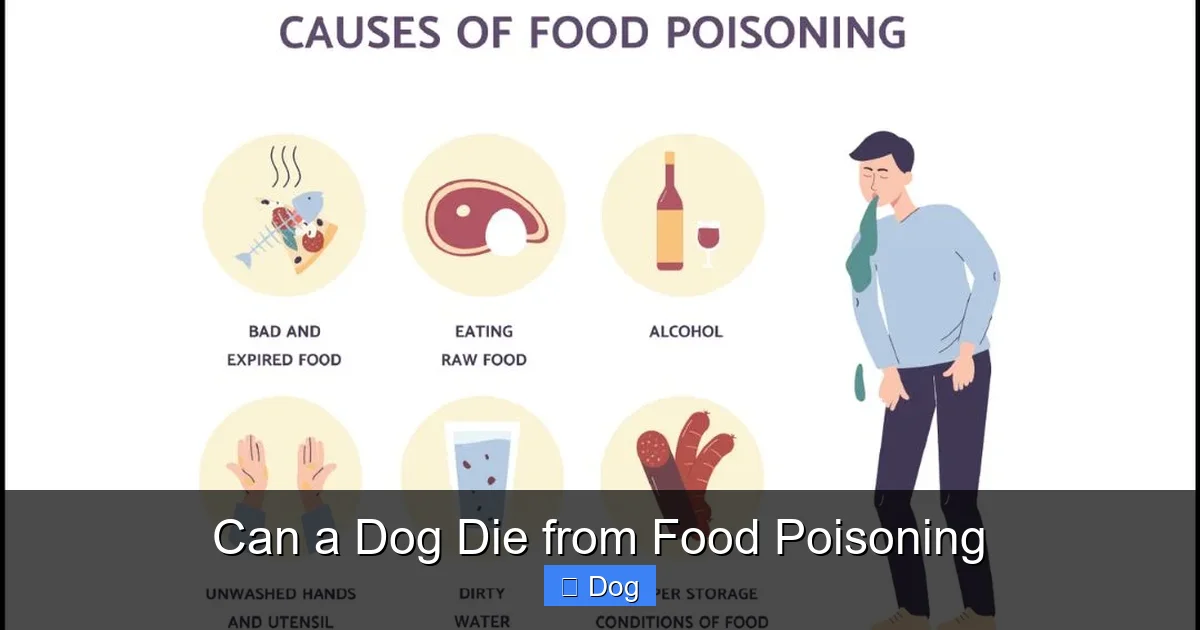
Visual guide about Can a Dog Die from Food Poisoning
Image source: continentalhospitals.com
Food poisoning in dogs occurs when they ingest substances that are toxic or harmful to their system. These can range from spoiled food and moldy leftovers to everyday human foods that are perfectly safe for us but deadly for pets. The term “food poisoning” often brings to mind bacteria like Salmonella or E. coli, which can indeed affect dogs, but the bigger threat usually comes from chemical toxins found in common household items.
Dogs are naturally curious and love to explore the world with their mouths. This instinct can lead them to eat things they shouldn’t—garbage, compost, or food left unattended on counters. Unlike humans, dogs don’t have the same ability to detoxify certain compounds. For example, theobromine in chocolate or xylitol in sugar-free gum can build up in their system, causing severe reactions. Even foods that seem healthy, like avocados or macadamia nuts, can be dangerous in certain quantities.
It’s also important to understand that food poisoning isn’t always immediate. Some toxins take hours or even days to show symptoms, making it harder to connect the illness to a specific meal. For instance, grapes and raisins can cause kidney failure in dogs, but the damage might not be obvious until 24 to 48 hours after ingestion. This delay can be deadly if owners don’t act quickly.
How Is It Different from Human Food Poisoning?
While humans and dogs can both suffer from foodborne illnesses, the causes and effects often differ. Humans are more likely to get sick from bacterial contamination—like undercooked chicken or expired dairy. Dogs, on the other hand, are more vulnerable to chemical toxins in otherwise “clean” foods. Their shorter digestive tracts and different metabolism make them less able to process certain substances.
For example, a human might eat a piece of chocolate without issue, but a small dog can go into cardiac arrest from the same amount. Similarly, while we can safely consume onions in cooking, even a small amount can destroy a dog’s red blood cells, leading to anemia. These differences mean that what’s safe for you could be lethal for your pet.
Common Sources of Toxins
Toxic foods aren’t always obvious. They can hide in everyday items:
- Kitchen trash: Rotting food, coffee grounds, or bones can contain harmful bacteria or physical hazards.
- Compost bins: Moldy fruit or vegetables may produce tremorgenic mycotoxins, which cause seizures in dogs.
- Medications: Human pain relievers like ibuprofen or acetaminophen are extremely toxic to dogs.
- Household products: Some cleaning agents or plant fertilizers are labeled as “food-safe” but still dangerous if ingested.
Understanding these sources helps you create a safer environment for your dog. It’s not just about avoiding the obvious culprits—it’s about being vigilant in every room of your home.
Common Toxic Foods That Can Kill Dogs
Not all dangerous foods are exotic or rare. In fact, some of the most lethal items are sitting right in your pantry. Knowing which foods to avoid can literally save your dog’s life.
Chocolate: The Sweet Danger
Chocolate is one of the most well-known dog toxins, and for good reason. It contains theobromine and caffeine, both of which dogs metabolize very slowly. The darker the chocolate, the more concentrated these compounds are. Just a few ounces of baking chocolate can be fatal to a small dog.
Symptoms of chocolate poisoning include vomiting, diarrhea, rapid breathing, increased heart rate, and seizures. In severe cases, it can lead to heart failure or death. If your dog eats chocolate, don’t wait—call your vet immediately. The sooner treatment begins, the better the outcome.
Grapes and Raisins: Tiny but Deadly
Despite their small size, grapes and raisins can cause acute kidney failure in dogs. The exact toxin isn’t known, but even a handful can be dangerous. Some dogs are more sensitive than others, so there’s no safe amount.
Watch for symptoms like vomiting, lethargy, and decreased urination. Kidney damage can occur within 24 to 72 hours, so early intervention is critical. If you suspect your dog has eaten grapes or raisins, induce vomiting only if instructed by a vet, and get to a clinic right away.
Onions, Garlic, and Chives: The Allium Family
These common cooking ingredients belong to the Allium family and are toxic to dogs. They contain compounds that damage red blood cells, leading to hemolytic anemia. This condition reduces oxygen delivery throughout the body and can be fatal if untreated.
Symptoms include weakness, pale gums, rapid heartbeat, and dark urine. Cooking doesn’t reduce the toxicity—fried onions or garlic powder are just as dangerous as raw. Even small amounts over time can cause cumulative damage, so it’s best to avoid feeding any Allium-containing foods to your dog.
Xylitol: The Hidden Sweetener
Xylitol is a sugar substitute found in sugar-free gum, candies, baked goods, and even some peanut butters. It causes a rapid release of insulin in dogs, leading to dangerously low blood sugar (hypoglycemia) within 10 to 60 minutes. In severe cases, it can also cause liver failure.
Signs of xylitol poisoning include vomiting, weakness, tremors, and seizures. This toxin acts fast, so immediate veterinary care is essential. Always check ingredient labels before giving your dog any human food or treat.
Avocados: Not Just for Guacamole
Avocados contain persin, a fungicidal toxin that can cause vomiting and diarrhea in dogs. While the flesh is less toxic than the pit or leaves, the large seed poses a choking hazard and can cause intestinal blockages. Plus, the high fat content can lead to pancreatitis, a painful and potentially serious condition.
It’s best to keep avocados out of reach and avoid feeding any part of the fruit to your dog.
Macadamia Nuts: Small but Potent
Macadamia nuts are highly toxic to dogs, though the exact mechanism isn’t fully understood. Even a small number (as few as 0.7 grams per pound of body weight) can cause weakness, depression, vomiting, and hyperthermia. Symptoms usually appear within 12 hours and can last for days.
While most dogs recover with supportive care, the discomfort and risk make it wise to keep these nuts away from pets.
Symptoms of Food Poisoning in Dogs
Recognizing the signs of food poisoning early can make all the difference. Dogs can’t tell us when they’re feeling sick, so it’s up to us to watch for changes in behavior or physical condition.
Early Warning Signs
The first symptoms often appear within 2 to 6 hours of ingestion, though some toxins take longer. Common early signs include:
- Vomiting (sometimes with blood)
- Diarrhea (which may be watery or contain mucus)
- Lethargy or weakness
- Loss of appetite
- Excessive drooling
- Abdominal pain (your dog may whine, pace, or avoid being touched)
These symptoms can be mild at first, but they often worsen quickly. Don’t dismiss a single episode of vomiting—especially if your dog has access to trash or unknown foods.
Severe Symptoms Requiring Emergency Care
As poisoning progresses, more serious signs may develop:
- Seizures or tremors
- Difficulty breathing
- Rapid or irregular heartbeat
- Pale or blue gums
- Collapse or inability to stand
- Increased thirst and urination (a sign of kidney stress)
If you notice any of these, treat it as a medical emergency. Call your vet or an emergency animal hospital immediately. Time is critical—delaying treatment can lead to irreversible damage or death.
When to Call the Vet
You should contact a veterinarian if:
- Your dog has eaten something known to be toxic
- Symptoms persist for more than a few hours
- There’s blood in vomit or stool
- Your dog seems disoriented or in pain
- You’re unsure what your dog ate but notice behavioral changes
Even if you’re not certain, it’s always better to err on the side of caution. Many pet poison control hotlines offer 24/7 support and can guide you on next steps.
What to Do If Your Dog Eats Something Toxic
Discovering your dog has eaten something dangerous can be terrifying. But staying calm and acting quickly can save their life.
Step 1: Stay Calm and Assess the Situation
Panic won’t help your dog. Take a deep breath and try to determine:
- What was eaten (food, plant, medication?)
- How much was consumed
- When it happened
If possible, collect packaging or remnants of the substance. This information will be crucial for your vet.
Step 2: Contact a Professional Immediately
Call your veterinarian, an emergency animal clinic, or a pet poison control hotline. In the U.S., the ASPCA Animal Poison Control Center (888-426-4435) and Pet Poison Helpline (855-764-7661) are excellent resources. They can assess the risk and advise whether you need to induce vomiting or rush to the clinic.
Do not attempt home remedies without professional guidance. For example, inducing vomiting is not safe for all toxins (like caustic substances or sharp objects) and can cause more harm.
Step 3: Follow Veterinary Instructions
Your vet may ask you to:
- Bring your dog in immediately
- Monitor symptoms at home
- Administer activated charcoal (only if instructed)
- Induce vomiting using hydrogen peroxide (only under guidance)
Never give your dog human medications unless specifically directed by a vet. Many over-the-counter drugs are toxic to dogs.
Step 4: Provide Supportive Care
While en route to the vet or waiting for instructions, keep your dog warm, calm, and comfortable. Offer small sips of water if they’re not vomiting excessively. Avoid feeding anything until you’ve spoken with a professional.
Treatment Options for Food Poisoning
Veterinary treatment depends on the type of toxin, how much was ingested, and how long it’s been since ingestion. The goal is to remove the toxin, support vital functions, and prevent complications.
Decontamination
If the ingestion was recent (usually within 1–2 hours), the vet may induce vomiting to remove the substance from the stomach. They may also perform gastric lavage (stomach pumping) or administer activated charcoal to bind toxins and prevent absorption.
Supportive Care
Most dogs with food poisoning require hospitalization for monitoring and treatment. This may include:
- Intravenous (IV) fluids to prevent dehydration and support kidney function
- Medications to control vomiting, seizures, or pain
- Blood tests to monitor organ function
- Oxygen therapy if breathing is affected
Specific Antidotes (When Available)
In rare cases, antidotes exist for certain toxins. For example, N-acetylcysteine is used for acetaminophen poisoning, and methylene blue can help with certain types of anemia. However, most food poisonings are treated supportively rather than with specific antidotes.
Recovery and Follow-Up
Most dogs recover well with prompt treatment, but some may have lasting effects. Dogs who suffered kidney or liver damage may need long-term monitoring or dietary changes. Follow your vet’s recommendations for rest, nutrition, and follow-up visits.
How to Prevent Food Poisoning in Dogs
The best way to protect your dog is through prevention. A few simple habits can drastically reduce the risk of accidental poisoning.
Dog-Proof Your Home
- Store human food in sealed containers or high cabinets
- Use trash cans with secure lids
- Keep compost bins outdoors and inaccessible
- Never leave food unattended on counters or tables
Educate Family and Visitors
Many poisoning incidents happen because well-meaning people don’t know the risks. Teach children and guests which foods are off-limits. A simple sign on the fridge or a quick reminder can prevent accidents.
Choose Safe Treats and Foods
Stick to dog-safe snacks like plain cooked chicken, carrots, or commercial treats from reputable brands. Always read labels and avoid products with xylitol, artificial sweeteners, or unknown ingredients.
Supervise Meal Times and Walks
Watch your dog during walks to prevent them from eating discarded food or plants. At home, supervise feeding times and clean up spills immediately.
Know Your Dog’s Triggers
Some dogs have food sensitivities or allergies that can mimic poisoning. If your dog frequently gets sick after eating, talk to your vet about possible dietary issues.
Conclusion
Yes, a dog can die from food poisoning—but it doesn’t have to happen to yours. With awareness, quick action, and preventive measures, you can keep your furry friend safe from toxic foods and dangerous situations. Remember, even small amounts of certain substances can be life-threatening, and symptoms can escalate rapidly.
The key is to stay informed, stay vigilant, and never hesitate to seek help. Your dog relies on you to make the right choices. By learning which foods to avoid, recognizing the signs of poisoning, and knowing what to do in an emergency, you’re giving your pet the best chance at a long, healthy life.
Don’t wait for a crisis to learn about pet safety. Start today: check your pantry, talk to your family, and bookmark a pet poison hotline. Because when it comes to your dog’s health, every precaution counts.
Frequently Asked Questions
Can a small amount of toxic food really kill a dog?
Yes, even a small amount can be deadly depending on the toxin and the dog’s size. For example, just one or two grapes can cause kidney failure in a small dog, and a few pieces of dark chocolate can lead to seizures or death.
How long after eating something toxic will my dog show symptoms?
Symptoms can appear within minutes to hours, but some toxins like grapes or certain medications may take 24 to 72 hours to show effects. Always monitor your dog closely and seek help if you suspect ingestion.
Should I induce vomiting if my dog eats something bad?
Only induce vomiting if instructed by a veterinarian or poison control expert. For some toxins, vomiting can cause more harm, especially if the substance is caustic or if your dog is already showing neurological symptoms.
Are all human foods dangerous for dogs?
Not all, but many common foods are unsafe. Safe options include plain cooked meats, rice, and certain vegetables—but always avoid onions, garlic, chocolate, grapes, and xylitol.
Can dogs recover fully from food poisoning?
Many dogs recover completely with prompt treatment, especially if the toxin was caught early. However, severe cases involving organ damage may require long-term care or monitoring.
What’s the best way to prevent food poisoning in dogs?
Keep toxic foods out of reach, educate everyone in your household, supervise your dog around food, and always read ingredient labels. Prevention is the most effective protection.