

While dogs can occasionally eat cat food without immediate harm, it’s not designed for their nutritional needs. Cat food is higher in protein, fat, and certain vitamins, which can lead to long-term health issues in dogs if fed regularly.
Key Takeaways
- Cat food is not nutritionally balanced for dogs: It lacks the right proportions of nutrients dogs need, such as carbohydrates and specific amino acids like taurine in the correct balance.
- High protein and fat content can cause obesity: Cat food is calorie-dense, which may lead to weight gain and pancreatitis in dogs over time.
- Occasional ingestion is usually safe: If your dog sneaks a few bites of cat food, it’s unlikely to cause serious harm—but it shouldn’t become a habit.
- Vitamin A toxicity is a real risk: Cat food contains preformed vitamin A (retinol), which dogs can’t process efficiently and may accumulate to toxic levels.
- Dogs and cats have different dietary needs: Cats are obligate carnivores, while dogs are omnivores—this fundamental difference affects how their food should be formulated.
- Monitor your dog after accidental ingestion: Watch for vomiting, diarrhea, lethargy, or changes in appetite, and contact your vet if symptoms persist.
- Prevent access to cat food: Store cat food securely and feed pets in separate areas to avoid cross-feeding.
📑 Table of Contents
- Can a Dog Eat Cat Food and Be Healthy? The Truth Behind the Myth
- Understanding the Nutritional Differences Between Dog and Cat Food
- What Happens When a Dog Eats Cat Food?
- Why Do Dogs Like Cat Food So Much?
- How to Prevent Your Dog from Eating Cat Food
- What to Do If Your Dog Eats Cat Food
- Myths and Misconceptions About Dogs Eating Cat Food
- Conclusion: Keep Your Dog Healthy by Feeding the Right Food
Can a Dog Eat Cat Food and Be Healthy? The Truth Behind the Myth
You’ve probably seen it happen—your dog sneaks into the kitchen, spots the cat’s food bowl, and helps themselves to a few crunchy bites. It might seem harmless, even funny. After all, it’s just kibble, right? But here’s the real question: Can a dog eat cat food and be healthy? The short answer is: not really. While an occasional nibble won’t send your dog to the emergency room, making cat food a regular part of their diet can lead to serious health problems.
Dogs and cats have very different nutritional needs. Cats are obligate carnivores, meaning their bodies are built to thrive on a meat-heavy diet. Dogs, on the other hand, are omnivores—they can digest and benefit from a mix of animal and plant-based foods. Because of these biological differences, cat food is formulated with higher levels of protein, fat, and certain vitamins that are essential for cats but potentially harmful to dogs over time. Feeding your dog cat food regularly isn’t just a dietary mismatch—it’s a recipe for long-term health issues.
So, what happens when a dog eats cat food? Is it ever safe? And how can you prevent your curious pup from turning your cat’s dinner into their midnight snack? In this guide, we’ll break down everything you need to know about dogs and cat food—from nutritional differences to real-life risks, and practical tips to keep both pets healthy and well-fed.
Understanding the Nutritional Differences Between Dog and Cat Food
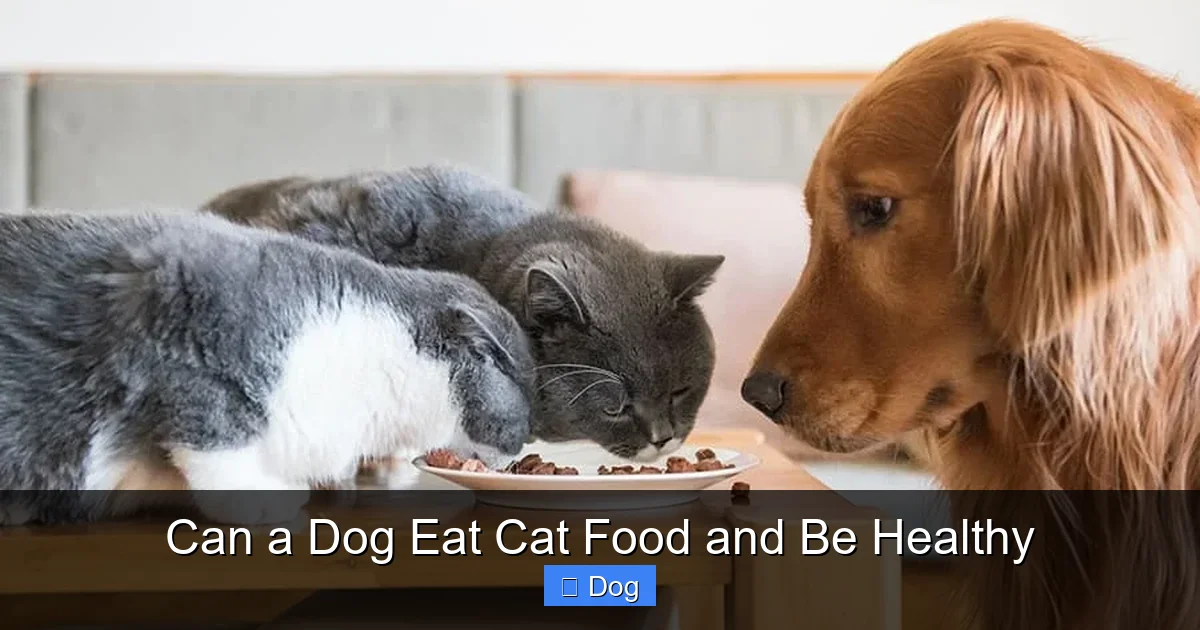
Visual guide about Can a Dog Eat Cat Food and Be Healthy
Image source: blog.homesalive.ca
To understand why cat food isn’t ideal for dogs, we need to look at what each food is designed to do. Cat food and dog food are not interchangeable, even though they might look similar in the bowl. The key lies in their ingredients and nutrient profiles.
Protein and Fat Content: Why Cat Food Is So Rich
Cat food is packed with protein—often 30% to 45% or more on a dry matter basis. That’s significantly higher than most dog foods, which typically range from 18% to 25%. Cats need this high protein intake because their bodies rely on amino acids like taurine, arginine, and methionine for vital functions, including vision, heart health, and immune function. Without enough of these, cats can develop serious conditions like blindness or heart disease.
Dogs also need protein, but not in the same quantities. Their bodies are more efficient at using plant-based proteins and can synthesize some amino acids that cats must get from food. Feeding a dog a high-protein diet like cat food over time can strain their liver and kidneys, especially in older dogs or those with preexisting conditions.
Fat content is another major difference. Cat food is often higher in fat—sometimes exceeding 20%—to meet the energy needs of active felines. Dogs can handle fat, but too much can lead to weight gain, pancreatitis (a painful inflammation of the pancreas), and digestive upset. Pancreatitis is especially dangerous and can be life-threatening if not treated quickly.
Vitamins and Minerals: The Hidden Dangers
One of the most overlooked risks of feeding cat food to dogs is vitamin A toxicity. Cats require preformed vitamin A (retinol) because they can’t convert beta-carotene from plants into active vitamin A like dogs can. As a result, cat food is fortified with high levels of retinol. Dogs, however, can store excess vitamin A in their liver, and over time, this buildup can lead to hypervitaminosis A—a condition that causes bone deformities, joint pain, and even liver damage.
Other vitamins and minerals also differ. Cat food contains higher levels of niacin, arachidonic acid, and taurine—nutrients cats can’t produce on their own. While dogs can benefit from taurine, too much of certain fatty acids like arachidonic acid (found in animal fats) can promote inflammation in dogs, potentially worsening conditions like arthritis or skin allergies.
Carbohydrates and Fiber: Where Dogs Need More Balance
Dogs thrive on a balanced diet that includes carbohydrates for energy. Unlike cats, dogs can digest starches and fibers from grains, vegetables, and legumes. Most commercial dog foods include ingredients like rice, oats, sweet potatoes, and peas to provide sustained energy and support digestive health.
Cat food, by contrast, is low in carbohydrates—often under 10%. This makes sense for cats, who have a limited ability to process carbs. But for dogs, a diet too low in carbohydrates can lead to energy crashes, poor coat condition, and even behavioral issues due to inconsistent blood sugar levels.
What Happens When a Dog Eats Cat Food?
Now that we know the nutritional differences, let’s talk about what actually happens when a dog eats cat food. The effects depend on how much they eat, how often, and their individual health.
Short-Term Effects: Is One Bowl Dangerous?
If your dog sneaks a few bites of cat food—say, while you’re not looking—don’t panic. In most cases, a single serving won’t cause serious harm. You might notice mild digestive upset, such as:
- Soft stools or diarrhea
- Vomiting
- Gas or bloating
- Increased thirst
These symptoms are usually temporary and resolve within 24 to 48 hours. Dogs have resilient digestive systems, and a one-time dietary indiscretion is unlikely to cause lasting damage. However, if your dog eats a large amount—especially if it’s high-fat wet cat food—they could be at risk for pancreatitis, a serious condition that requires immediate veterinary care.
Long-Term Risks: Why Regular Feeding Is a Problem
The real danger comes when cat food becomes a regular part of your dog’s diet. Over weeks or months, the high protein, high fat, and imbalanced vitamin content can lead to chronic health issues, including:
- Obesity: Cat food is calorie-dense. A single cup can contain 400–500 calories—more than many dog foods. Over time, this can lead to weight gain, joint stress, and reduced lifespan.
- Pancreatitis: High-fat diets are a leading cause of pancreatitis in dogs. Symptoms include vomiting, abdominal pain, lethargy, and loss of appetite. Severe cases can be fatal.
- Kidney and Liver Strain: Excess protein forces the kidneys to work harder to filter waste. In dogs with preexisting kidney disease, this can accelerate decline.
- Vitamin A Toxicity: As mentioned earlier, chronic ingestion of high levels of preformed vitamin A can lead to bone abnormalities, especially in growing puppies.
- Dental Issues: While not directly caused by cat food, the lack of dental-specific kibble (many dog foods are designed to reduce plaque) can contribute to poor oral health over time.
Special Cases: Puppies, Senior Dogs, and Health Conditions
Some dogs are more vulnerable than others. Puppies, for example, are still developing and need precise nutrient balances for growth. Feeding them cat food can disrupt bone development and lead to skeletal problems. Senior dogs often have reduced kidney function, making high-protein diets risky. Dogs with diabetes, heart disease, or pancreatitis should never eat cat food, as it can worsen their condition.
Even healthy adult dogs aren’t immune. Breeds prone to obesity (like Labradors or Beagles) or pancreatitis (like Miniature Schnauzers) should avoid high-fat foods like cat food at all costs.
Why Do Dogs Like Cat Food So Much?
If cat food is so bad for dogs, why do they seem to love it so much? There are a few reasons your dog might be drawn to the feline feast.
The Smell and Taste Factor
Cat food is designed to be irresistible to cats—and that often means it’s packed with strong-smelling ingredients like fish, liver, and meat by-products. These aromas are incredibly appealing to dogs, who have a strong sense of smell. The high fat content also makes it taste richer and more satisfying than many dog foods.
In fact, many dog owners report that their dogs will go out of their way to get to the cat’s bowl, even if their own food is available. It’s not that dog food is bad—it’s that cat food is just more enticing.
Curiosity and Opportunism
Dogs are naturally curious and opportunistic eaters. If they see the cat eating something, they’ll want a taste. This behavior is especially common in multi-pet households where dogs and cats share space. Some dogs may even learn to “steal” cat food when the cat isn’t looking.
Boredom and Behavioral Issues
In some cases, dogs eat cat food out of boredom or anxiety. If your dog is left alone for long periods or doesn’t get enough mental stimulation, they may seek out alternative activities—like raiding the cat’s food bowl. This is more common in high-energy breeds or dogs with separation anxiety.
How to Prevent Your Dog from Eating Cat Food
The best way to protect your dog’s health is to prevent access to cat food altogether. Here are some practical tips to keep your pets’ meals separate.
Feed Pets in Separate Rooms
The simplest solution is to feed your dog and cat in different areas of the house. Close the door to the room where the cat eats, or use baby gates to create a pet-free zone. This ensures your dog can’t sneak a bite while the cat is distracted.
Use Elevated Feeders or Cat-Only Spaces
Cats are naturally agile and can climb or jump to high places. Consider placing the cat’s food bowl on a counter, shelf, or cat tree that your dog can’t reach. Some pet owners use specialized feeding stations with small entrances that only cats can fit through.
Feed at Different Times
Instead of free-feeding, establish set meal times for both pets. Feed your dog first, then feed the cat while the dog is in another room or distracted with a toy. This reduces the chance of your dog lingering near the cat’s bowl.
Train Your Dog to Stay Away
Basic obedience training can go a long way. Teach your dog commands like “leave it” or “stay” to prevent them from approaching the cat’s food. Positive reinforcement—like treats and praise—can help reinforce good behavior.
Choose Dog Food That Satisfies
Sometimes, dogs eat cat food because they’re not satisfied with their own meals. Make sure your dog’s food is high-quality, nutritious, and appropriate for their age, size, and activity level. If your dog seems hungry between meals, consider adding healthy snacks like carrots, green beans, or a spoonful of plain pumpkin.
What to Do If Your Dog Eats Cat Food
Despite your best efforts, accidents happen. If your dog eats cat food, here’s what to do.
Assess the Amount and Type
First, determine how much your dog ate. A few kibbles? A whole bowl? Was it dry or wet food? Wet cat food is typically higher in fat and moisture, which can increase the risk of pancreatitis.
Watch for Symptoms
Monitor your dog closely for the next 24 to 48 hours. Signs of trouble include:
- Vomiting (especially if it’s persistent or contains blood)
- Diarrhea (especially if it’s watery or foul-smelling)
- Lethargy or weakness
- Abdominal pain (whining, restlessness, or a hunched posture)
- Loss of appetite
- Excessive drooling or panting
When to Call the Vet
Contact your veterinarian immediately if:
- Your dog ate a large amount of cat food (more than a few handfuls)
- They show signs of pancreatitis or severe illness
- They have a preexisting health condition (like diabetes or kidney disease)
- Symptoms worsen or don’t improve within 24 hours
Your vet may recommend fasting for 12–24 hours, followed by a bland diet (like boiled chicken and rice), or they may suggest bringing your dog in for an exam.
Prevent Future Incidents
After the incident, take steps to prevent it from happening again. Re-evaluate your feeding routine, secure the cat’s food, and reinforce training. Consider using puzzle feeders or slow-feed bowls to keep your dog occupied during meal times.
Myths and Misconceptions About Dogs Eating Cat Food
There are several myths floating around about dogs and cat food. Let’s clear them up.
Myth: “It’s Just Food—Dogs Can Eat Anything”
While dogs are more adaptable than cats, they still have specific nutritional needs. Just because a dog can eat something doesn’t mean they should. Cat food lacks the balanced nutrition dogs require for long-term health.
Myth: “My Dog Has Been Eating Cat Food for Years and Is Fine”
Some dogs may seem fine for a while, but chronic exposure to imbalanced diets can lead to slow-developing issues like obesity, kidney disease, or vitamin toxicity. What looks like “fine” now could become a serious problem later.
Myth: “Cat Food Is Better Because It’s Higher Quality”
Higher protein doesn’t always mean better. Quality matters, but so does balance. Dog food is formulated to meet the nutritional standards set by organizations like the Association of American Feed Control Officials (AAFCO). Cat food meets different standards—for cats.
Myth: “I Can Just Mix Cat Food with Dog Food”
Mixing the two doesn’t solve the problem. It still exposes your dog to excess protein, fat, and vitamins. It’s better to stick to a complete, balanced dog food.
Conclusion: Keep Your Dog Healthy by Feeding the Right Food
So, can a dog eat cat food and be healthy? The answer is clear: occasionally, yes—but regularly, no. While a few bites won’t harm your dog, making cat food a regular part of their diet can lead to obesity, pancreatitis, vitamin toxicity, and other serious health issues.
The key takeaway is simple: feed your dog food that’s made for dogs. Choose a high-quality, AAFCO-approved dog food that meets their age, size, and activity needs. Keep cat food out of reach, feed pets separately, and train your dog to respect boundaries.
Your dog’s health depends on the food you provide. By understanding the differences between dog and cat food—and taking steps to prevent cross-feeding—you can ensure your furry friend stays happy, healthy, and well-nourished for years to come.
Frequently Asked Questions
Can a dog eat cat food once and be okay?
Yes, a dog can usually eat a small amount of cat food once without serious harm. Most dogs experience only mild digestive upset, like diarrhea or vomiting, which resolves within a day or two. However, it should not become a habit.
How much cat food is dangerous for a dog?
The danger depends on the dog’s size and health. A large dog might tolerate a few kibbles, but a small dog eating a full bowl could be at risk for pancreatitis. Any amount over a handful should be monitored closely, and a vet should be consulted if symptoms appear.
Can puppies eat cat food?
No, puppies should not eat cat food. Their growing bodies need precise nutrient balances, and the high protein and fat in cat food can disrupt bone development and cause health problems. Always feed puppies a diet formulated specifically for growth.
What should I do if my dog eats a lot of cat food?
If your dog eats a large amount, monitor them for vomiting, diarrhea, lethargy, or abdominal pain. Contact your veterinarian immediately, especially if they show signs of pancreatitis. Fasting for 12–24 hours and a bland diet may be recommended.
Can I mix cat food with dog food to make it last longer?
No, mixing cat food with dog food is not recommended. It still exposes your dog to unbalanced nutrition and increases the risk of obesity and vitamin toxicity. Stick to feeding each pet their appropriate food.
How can I stop my dog from eating the cat’s food?
Feed pets in separate rooms, use elevated feeders, establish set meal times, and train your dog with commands like “leave it.” Secure the cat’s food in a closed room or use pet-proof containers to prevent access.