

While dogs can technically eat cat wet food in small amounts, it’s not recommended as a regular part of their diet. Cat food is higher in protein and fat, which may lead to digestive upset or long-term health issues in dogs. Always consult your vet before making dietary changes.
Key Takeaways
- Cat wet food is not formulated for dogs: It contains higher levels of protein, fat, and certain nutrients like taurine that meet feline needs but can overwhelm a dog’s system.
- Short-term ingestion is usually safe: If your dog sneaks a bite or two, it’s unlikely to cause serious harm, but monitor for vomiting, diarrhea, or lethargy.
- Long-term feeding poses health risks: Regular consumption can lead to obesity, pancreatitis, or nutrient imbalances due to the high-calorie content.
- Dogs have different nutritional requirements: Unlike cats, dogs are omnivores and need a balanced mix of protein, carbohydrates, fats, vitamins, and minerals tailored to their species.
- Accidental access should be prevented: Store cat food securely and feed pets separately to avoid cross-eating, especially in multi-pet households.
- Choose dog-specific wet food instead: High-quality dog wet food provides the right balance of nutrients and supports overall health without unnecessary risks.
- Consult your veterinarian: If your dog regularly eats cat food or shows signs of digestive distress, seek professional advice immediately.
📑 Table of Contents
- Can a Dog Eat Cat Wet Food? The Truth Every Pet Owner Should Know
- Why Cat Wet Food Isn’t Designed for Dogs
- What Happens When a Dog Eats Cat Wet Food?
- Why Do Dogs Love Cat Food So Much?
- How to Prevent Your Dog from Eating Cat Food
- What to Do If Your Dog Ate Cat Food
- Safer Alternatives: What Should Dogs Eat Instead?
- Conclusion: Can a Dog Eat Cat Wet Food?
Can a Dog Eat Cat Wet Food? The Truth Every Pet Owner Should Know
If you’ve ever walked into your kitchen to find your dog happily lapping up leftover cat wet food from the counter or your cat’s bowl, you’re not alone. It’s a surprisingly common scenario in homes with both dogs and cats. After all, dogs are curious creatures with a strong sense of smell—and let’s be honest, cat food often smells more appealing to them than their own kibble. But just because your dog *wants* to eat it doesn’t mean they *should*.
So, can a dog eat cat wet food? The short answer is: yes, but with major caveats. While an occasional taste is unlikely to cause serious harm, making cat wet food a regular part of your dog’s diet can lead to nutritional imbalances, digestive issues, and long-term health problems. Understanding the differences between dog and cat nutrition is key to keeping your furry friend healthy and happy.
In this comprehensive guide, we’ll dive deep into why cat food isn’t ideal for dogs, what happens when they eat it, and how to manage feeding in multi-pet households. Whether you’re dealing with a sneaky pup who raids the cat’s dish or just curious about cross-species nutrition, this article will give you the facts you need to make informed decisions.
Why Cat Wet Food Isn’t Designed for Dogs
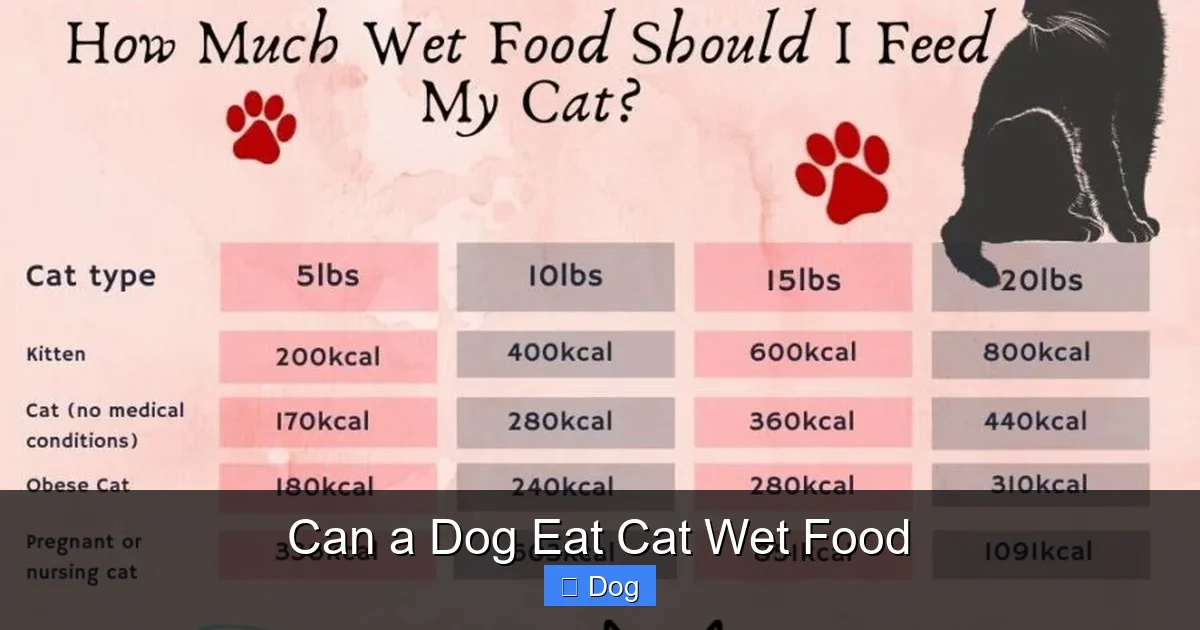
Visual guide about Can a Dog Eat Cat Wet Food
Image source: catfoodpoint.com
To understand why cat wet food isn’t suitable for dogs, we need to look at the fundamental differences in how dogs and cats digest food and what their bodies require to thrive.
Dogs Are Omnivores, Cats Are Obligate Carnivores
One of the biggest misconceptions is that dogs and cats have similar dietary needs because they’re both pets. But biologically, they’re very different. Dogs are omnivores, meaning they can digest and benefit from a mix of animal and plant-based foods. Their digestive systems are longer and more adaptable, allowing them to process carbohydrates, grains, and vegetables efficiently.
Cats, on the other hand, are obligate carnivores. This means their bodies are built to thrive almost exclusively on animal-based proteins and fats. They have a shorter digestive tract and lack certain enzymes needed to break down plant matter effectively. As a result, cat food is formulated to be extremely high in animal protein and fat, with minimal carbohydrates.
When a dog eats cat wet food regularly, their system isn’t equipped to handle the excess protein and fat. Over time, this can strain the pancreas and liver, potentially leading to conditions like pancreatitis—a painful and sometimes life-threatening inflammation of the pancreas.
Nutritional Composition: A Side-by-Side Comparison
Let’s break down the typical nutritional profile of dog wet food versus cat wet food to see why they’re not interchangeable.
Most commercial cat wet foods contain:
– 8–12% protein (often higher)
– 5–8% fat
– Minimal carbohydrates
– High levels of taurine, arachidonic acid, and vitamin A (pre-formed)
Dog wet food, by comparison, usually has:
– 6–9% protein
– 3–6% fat
– Moderate carbohydrates (from vegetables, grains, or starches)
– Balanced vitamins and minerals suited for canine metabolism
For example, a popular brand of cat wet food might list chicken liver, chicken broth, and fish oil as top ingredients, with added taurine and vitamin supplements. A comparable dog wet food might include chicken, sweet potatoes, peas, and brown rice, with a more moderate fat content.
The higher protein and fat in cat food may seem beneficial, but dogs don’t need—and can’t efficiently process—that much. Excess protein gets converted into waste or stored as fat, which can contribute to weight gain and metabolic stress.
Key Nutrients That Differ Between Species
Several nutrients are present in cat food at levels that are too high for dogs:
– **Taurine**: While essential for cats (who can’t synthesize it), dogs can produce their own taurine. Too much from food isn’t harmful per se, but it’s unnecessary and may indicate an imbalanced diet.
– **Vitamin A (Retinol)**: Cats require pre-formed vitamin A because they can’t convert beta-carotene from plants. Dog food uses beta-carotene, which dogs can convert as needed. Excess pre-formed vitamin A from cat food can lead to toxicity in dogs over time.
– **Arachidonic Acid**: This fatty acid is essential for cats but not for dogs, who can synthesize it from other fats. Again, not harmful in small amounts, but part of an unbalanced profile.
These differences highlight why feeding dog food to cats is dangerous (cats can develop serious deficiencies), and why the reverse—feeding cat food to dogs—is also problematic, even if less immediately severe.
What Happens When a Dog Eats Cat Wet Food?
Now that we know why cat food isn’t ideal for dogs, let’s explore what actually happens when your dog sneaks a bite—or worse, eats an entire can.
Short-Term Effects: Is One Bite Dangerous?
If your dog eats a small amount of cat wet food—say, a few licks from the bowl—it’s unlikely to cause serious harm. Most dogs will digest it without issue, especially if it’s a one-time event. However, you might notice mild digestive upset, such as:
– Loose stools or diarrhea
– Vomiting
– Gas or bloating
– Increased thirst
These symptoms usually resolve within 24 hours. The high fat content in cat food is often the culprit, as dogs aren’t used to processing such rich meals. Think of it like a human eating a double cheeseburger and fries after a week of salads—your stomach might rebel, but you’ll recover.
That said, puppies, senior dogs, or dogs with sensitive stomachs may react more strongly. If your dog shows signs of distress beyond mild discomfort—such as persistent vomiting, lethargy, or abdominal pain—contact your veterinarian right away.
Long-Term Risks of Regular Consumption
The real danger comes when dogs regularly eat cat wet food, either because they’re sneaky eaters or because well-meaning owners use it as a “treat” or supplement.
Over time, the high-calorie, high-fat content can lead to:
– **Obesity**: Cat food is calorie-dense. A single can can contain 200–300 calories—equivalent to a full meal for a small dog. Regular overfeeding leads to weight gain, which increases the risk of joint problems, diabetes, and heart disease.
– **Pancreatitis**: This is one of the most serious risks. The pancreas produces enzymes to digest fat. When a dog eats too much fat too often, the pancreas can become inflamed. Symptoms include vomiting, abdominal pain, loss of appetite, and lethargy. Severe cases require hospitalization.
– **Nutrient Imbalances**: While cat food has more protein and fat, it may lack certain nutrients dogs need in higher amounts, like fiber, calcium, or specific B vitamins. Over time, this can lead to deficiencies or metabolic issues.
– **Digestive Upset**: Chronic diarrhea, gas, and changes in stool consistency are common in dogs who regularly consume cat food.
A real-life example: A 10-pound Chihuahua who eats half a can of cat wet food daily could easily consume 150 extra calories—more than 50% of its daily needs. Within weeks, this dog could gain significant weight and develop digestive issues.
When to Call the Vet
While occasional ingestion is usually harmless, there are times when you should seek veterinary care:
– Your dog eats a large amount of cat food (more than one can)
– They show signs of pancreatitis (vomiting, hunched posture, refusal to eat)
– They have a pre-existing condition like diabetes, kidney disease, or obesity
– Symptoms last more than 24 hours
Your vet may recommend fasting for 12–24 hours, followed by a bland diet (boiled chicken and rice), and possibly blood work to check for inflammation or organ stress.
Why Do Dogs Love Cat Food So Much?
If you’ve ever wondered why your dog seems obsessed with cat food, you’re not imagining things. There are several reasons why dogs find it so irresistible.
The Smell Factor
Cat food is often made with strong-smelling ingredients like fish, liver, and meat by-products. These aromas are highly attractive to dogs, whose sense of smell is 10,000 to 100,000 times more sensitive than humans. Dog food, especially dry kibble, tends to be less aromatic by comparison.
Imagine walking past a bakery—fresh bread and pastries are hard to resist, even if you’re not starving. That’s how your dog feels about cat food.
Texture and Moisture Content
Wet cat food is typically softer and juicier than dog food, making it more palatable. Dogs often prefer moist textures, especially older dogs with dental issues or picky eaters. The gravy or broth in cat food adds to its appeal.
Curiosity and Opportunism
Dogs are natural scavengers. If they see or smell something new and tasty, they’ll investigate. In multi-pet homes, dogs may learn that the cat’s bowl holds the “good stuff” and start raiding it regularly.
Some dogs even develop a habit of waiting near the cat’s feeding area, hoping for leftovers. This behavior can become a challenge to manage if not addressed early.
Boredom and Attention-Seeking
In some cases, dogs eat cat food not because they’re hungry, but because they’re bored or seeking attention. If they’ve learned that stealing food gets a reaction—even a scolding—they may repeat the behavior.
How to Prevent Your Dog from Eating Cat Food
Prevention is key, especially in households with both dogs and cats. Here are practical strategies to keep your dog away from cat food.
Feed Pets Separately
The most effective solution is to feed your pets in different rooms. Feed your cat first, then remove the bowl before letting your dog in. Alternatively, feed your dog in a crate or gated area while the cat eats freely.
This not only prevents cross-eating but also reduces competition and stress during mealtime.
Use Elevated Feeding Stations
Cats are natural climbers, so placing their food on a high shelf, cat tree, or counter can keep it out of your dog’s reach. Just make sure the surface is stable and safe for your cat.
Some pet owners use specialized feeding stations with small entrances that only cats can access.
Supervise Meal Times
If you can’t separate feeding areas, stay in the room while both pets eat. Gently redirect your dog if they approach the cat’s bowl. Consistency is key—don’t allow “just this once” exceptions.
Train Your Dog
Basic obedience training can help. Teach commands like “leave it” or “stay” to discourage food stealing. Reward your dog with treats or praise when they ignore the cat’s food.
Positive reinforcement works better than punishment. Scolding may make your dog anxious or more determined to sneak food when you’re not looking.
Choose Less Appealing Cat Food
While you shouldn’t compromise your cat’s nutrition, some cat foods are less aromatic than others. Opt for formulas with milder scents or consider rotating flavors to reduce your dog’s interest.
Avoid fish-based or liver-flavored foods if your dog is a frequent thief.
Use Puzzle Feeders or Slow Feeders
If your dog eats too quickly or seems bored, puzzle feeders can keep them mentally stimulated and reduce the urge to seek out other food sources.
What to Do If Your Dog Ate Cat Food
Accidents happen. Here’s how to respond if your dog gets into the cat’s wet food.
Assess the Amount Consumed
– **Small amount (a few licks)**: Monitor for mild digestive upset. Offer water and a bland diet if needed.
– **Moderate amount (half a can)**: Watch for vomiting or diarrhea. Consider fasting for 12 hours, then reintroduce food slowly.
– **Large amount (full can or more)**: Contact your vet, especially if your dog is small, elderly, or has health issues.
Provide Plenty of Water
High-fat foods can dehydrate dogs. Make sure fresh water is always available.
Feed a Bland Diet
For 24–48 hours, feed boiled chicken (no skin or bones) and plain white rice. This soothes the stomach and helps normalize digestion.
Resume Normal Feeding Gradually
After symptoms subside, slowly reintroduce your dog’s regular food over a day or two.
Keep Cat Food Out of Reach
After the incident, take extra steps to secure cat food. Use closed cabinets, baby gates, or automatic feeders that only open for your cat.
Safer Alternatives: What Should Dogs Eat Instead?
Instead of relying on cat food as a treat or supplement, choose dog-safe options that support their health.
High-Quality Dog Wet Food
Look for brands with real meat as the first ingredient, no artificial additives, and balanced nutrition. Wet food can be a great way to add moisture to your dog’s diet, especially for picky eaters or dogs with kidney issues.
Healthy Dog Treats
Choose treats made specifically for dogs. Options include:
– Dehydrated meats (chicken, beef, duck)
– Vegetables like carrots or green beans
– Dog-safe fruits like blueberries or apple slices (no seeds)
Avoid treats with high fat or salt content.
Homemade Dog Meals (With Vet Approval)
If you’re interested in home-cooked meals, consult your vet or a veterinary nutritionist. A balanced homemade diet includes lean protein, healthy carbs, and essential fats—never just meat or scraps.
Supplements (If Needed)
Some dogs benefit from supplements like omega-3 fatty acids, glucosamine, or probiotics. Always choose products formulated for dogs.
Conclusion: Can a Dog Eat Cat Wet Food?
So, can a dog eat cat wet food? Technically, yes—but it’s not safe or healthy as a regular part of their diet. While an occasional taste won’t harm most dogs, the high protein, fat, and calorie content can lead to digestive upset, obesity, and serious conditions like pancreatitis over time.
Dogs and cats have very different nutritional needs, and their food should reflect that. Cat food is designed for obligate carnivores, not omnivorous dogs. Feeding it regularly puts your dog at risk for long-term health problems.
The best approach is prevention: feed pets separately, store cat food securely, and train your dog to respect boundaries. If your dog does eat cat food, monitor them closely and contact your vet if symptoms arise.
Ultimately, your dog’s health depends on a balanced, species-appropriate diet. Stick to high-quality dog food, offer healthy treats, and consult your veterinarian before making any major dietary changes. Your pup will thank you with a wagging tail and a long, happy life.
Frequently Asked Questions
Can a dog eat cat wet food once?
Yes, a dog can eat a small amount of cat wet food once without serious harm. Most dogs will experience only mild digestive upset, such as diarrhea or vomiting, which usually resolves within 24 hours.
Is cat food toxic to dogs?
Cat food is not toxic to dogs, but it is not nutritionally appropriate. It contains higher levels of protein, fat, and certain vitamins that can cause health issues if consumed regularly.
How much cat food is dangerous for a dog?
A full can or more can be dangerous, especially for small dogs. Large amounts may lead to pancreatitis or severe digestive distress. Contact your vet if your dog eats more than half a can.
Can puppies eat cat wet food?
Puppies should not eat cat wet food regularly. Their developing systems are sensitive, and the high fat content can cause diarrhea or pancreatitis. Stick to puppy-formulated food.
What should I do if my dog keeps eating cat food?
Feed pets in separate rooms, use elevated feeding stations, and train your dog with commands like “leave it.” Consistency and supervision are key to breaking the habit.
Can I mix cat food with dog food?
No, you should not mix cat food with dog food. It disrupts the nutritional balance for both pets and can lead to health problems over time. Feed each species their appropriate diet.