
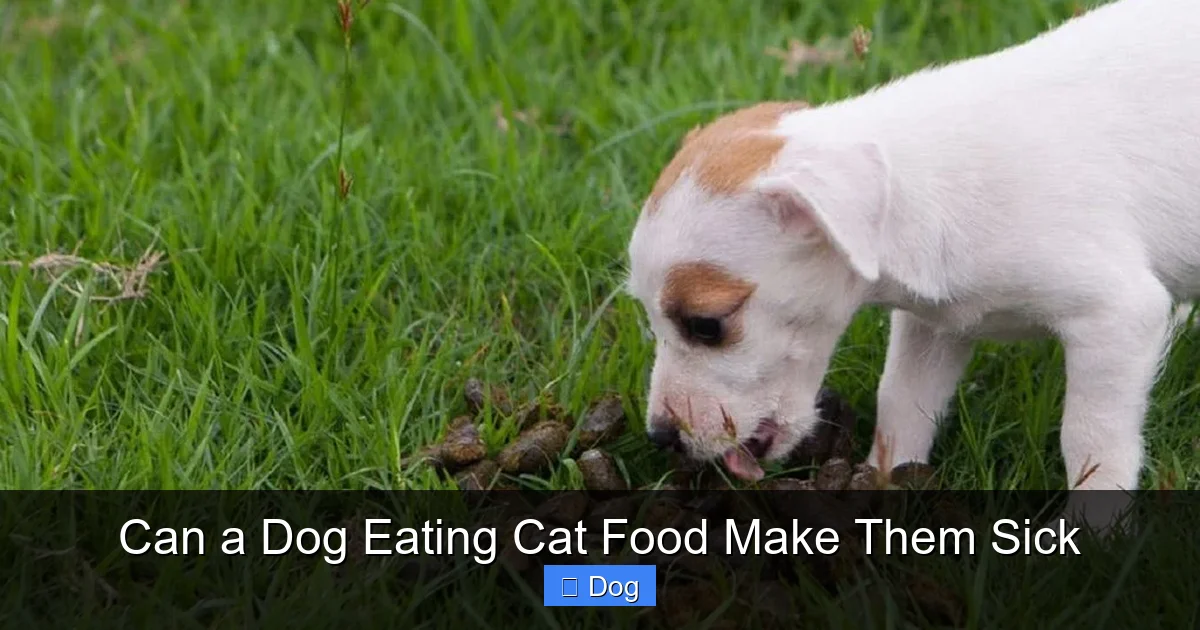
While the occasional nibble of cat food won’t harm your dog, regular consumption can lead to serious health issues. Cat food is too rich and unbalanced for dogs, potentially causing obesity, pancreatitis, and nutrient imbalances over time.
Key Takeaways
- Cat food is not formulated for dogs: It contains higher levels of protein, fat, and certain nutrients like taurine that are essential for cats but excessive for dogs.
- Short-term ingestion is usually safe: If your dog eats a small amount of cat food once, they’ll likely be fine with no symptoms.
- Long-term risks include obesity and pancreatitis: The high-fat content in cat food can lead to weight gain and inflammation of the pancreas in dogs.
- Dietary imbalances may develop: Over time, eating cat food can disrupt a dog’s nutritional balance, leading to deficiencies or toxic buildup.
- Kittens and pregnant cats need extra nutrients: Cat food is designed for high-energy feline needs, which far exceed what dogs require.
- Prevention is key: Store cat food out of reach and feed pets separately to avoid accidental ingestion.
- Consult your vet if symptoms appear: Watch for vomiting, diarrhea, lethargy, or changes in appetite and seek professional advice if needed.
Why Dogs Might Be Tempted by Cat Food
Let’s be honest—dogs are curious creatures. If your cat’s food bowl is left unattended, your dog might sneak a bite out of sheer curiosity or hunger. But why does cat food seem so appealing to dogs in the first place? It’s not just because it smells good (though it does). Cat food is packed with strong aromas and flavors that dogs find irresistible. The high fat and protein content gives it a rich, meaty scent that can easily catch a dog’s attention, especially if they’re used to blander kibble.
Another reason dogs might go after cat food is boredom or competition. In multi-pet households, dogs may feel the need to eat quickly or steal food from other animals. This behavior, known as food guarding or resource guarding, can lead to dogs snatching bites of cat food when the cat isn’t looking. Additionally, some dogs simply have a stronger prey drive or food motivation, making them more likely to investigate anything that smells like a meal.
It’s also worth noting that dogs are opportunistic eaters. Unlike cats, who are obligate carnivores and need a strict diet, dogs are omnivores with more flexible digestive systems. This means they’re naturally inclined to try new foods—even if they’re not meant for them. While this adaptability helped their ancestors survive in the wild, it can lead to trouble in modern homes where cat food is readily available.
The Nutritional Differences Between Dog and Cat Food
Protein and Fat Content
One of the biggest differences between dog and cat food is the protein and fat content. Cat food is formulated to meet the high energy needs of cats, who are obligate carnivores. This means they require a diet rich in animal-based proteins and fats to thrive. As a result, cat food typically contains 30–45% protein and 15–20% fat, depending on the brand and formulation.
Dogs, on the other hand, are omnivores and can thrive on a more balanced diet that includes both animal and plant-based ingredients. Most high-quality dog foods contain 18–25% protein and 10–15% fat. While dogs do need protein for muscle maintenance and energy, they don’t require the same high levels as cats. Feeding a dog cat food regularly can lead to an overload of protein and fat, which their bodies aren’t designed to process efficiently.
Vitamins and Minerals
Cat food also contains higher levels of certain vitamins and minerals that are essential for feline health but can be harmful in excess for dogs. For example, cat food is fortified with taurine, an amino acid that cats cannot synthesize on their own. While dogs can produce taurine, they still need it in their diet—just not in the same quantities. Too much taurine from cat food isn’t typically toxic, but it can contribute to an overall nutrient imbalance.
Another key difference is vitamin A. Cats require preformed vitamin A (retinol) from animal sources because they can’t convert beta-carotene from plants into active vitamin A like dogs can. Cat food is therefore loaded with retinol, which can accumulate in a dog’s system over time and lead to hypervitaminosis A—a condition characterized by bone deformities, weight loss, and joint pain.
Taurine and Arginine
Taurine and arginine are two amino acids that are critical for cats but less so for dogs. Cats need high levels of taurine for heart and eye health, and a deficiency can lead to blindness or heart disease. Dog food usually contains taurine, but not in the same concentrations as cat food. While dogs can tolerate extra taurine, consistently eating cat food may disrupt their natural amino acid balance.
Arginine is another amino acid that cats require in large amounts to support their urea cycle, which helps remove ammonia from the body. Dogs also need arginine, but again, not in the same quantities. Excess arginine from cat food isn’t toxic to dogs, but it can contribute to digestive upset and may interfere with the absorption of other nutrients.
Short-Term vs. Long-Term Effects of Dogs Eating Cat Food
What Happens After One Meal?
If your dog sneaks a bite or two of cat food, don’t panic. In most cases, a single meal won’t cause any serious harm. Your dog might experience mild digestive upset, such as loose stools or an upset stomach, but these symptoms usually resolve within 24 hours. The high fat content in cat food can be hard on a dog’s digestive system, especially if they’re not used to it, but a small amount is unlikely to cause lasting damage.
For example, imagine your dog jumps up and licks the cat’s food bowl clean while you’re in the other room. They might feel a bit gassy or have a softer stool the next day, but they’ll likely bounce back quickly. The key is to monitor your dog for any signs of discomfort and ensure they have access to plenty of fresh water to help flush out the excess fat and protein.
Risks of Regular Consumption
The real danger comes when dogs eat cat food regularly—either by sneaking meals or being fed it intentionally. Over time, the high fat and protein content can lead to serious health problems. One of the most common issues is obesity. Cat food is calorie-dense, and dogs who eat it frequently may consume more calories than they need, leading to weight gain.
Obesity in dogs increases the risk of joint problems, diabetes, heart disease, and reduced lifespan. It also puts extra strain on their organs, including the liver and kidneys, which have to work harder to process the excess nutrients. Additionally, the high fat content can trigger pancreatitis—a painful and potentially life-threatening inflammation of the pancreas. Symptoms of pancreatitis include vomiting, abdominal pain, lethargy, and loss of appetite.
Nutrient Imbalances and Toxicity
Long-term consumption of cat food can also lead to nutrient imbalances. As mentioned earlier, cat food contains high levels of vitamin A, which can accumulate in a dog’s body and cause toxicity. Symptoms of hypervitaminosis A include bone pain, stiffness, weight loss, and even fractures. While this condition is rare, it’s more likely to occur in dogs who eat cat food as their primary diet.
Another concern is the imbalance of essential fatty acids. Cat food is rich in arachidonic acid, a type of omega-6 fatty acid that cats need but dogs can produce on their own. Too much arachidonic acid can promote inflammation in dogs, potentially worsening conditions like arthritis or skin allergies. At the same time, the lack of certain plant-based nutrients in cat food—like fiber and certain antioxidants—can leave dogs deficient over time.
Symptoms to Watch For After Your Dog Eats Cat Food
Digestive Issues
The most common symptoms after a dog eats cat food are digestive in nature. These can include vomiting, diarrhea, gas, and abdominal discomfort. The high fat content in cat food is often the culprit, as it can overwhelm a dog’s digestive system. If your dog has loose stools or vomits once or twice, it’s usually not a cause for alarm—especially if they’re otherwise acting normal.
However, if the vomiting or diarrhea persists for more than 24 hours, or if your dog shows signs of dehydration (such as dry gums, lethargy, or sunken eyes), it’s time to call the vet. Severe or prolonged digestive upset can lead to electrolyte imbalances and require medical intervention.
Lethargy and Behavioral Changes
In some cases, dogs may become lethargic or less active after eating cat food. This could be due to the high fat content making them feel sluggish, or it could be a sign of a more serious issue like pancreatitis. If your dog is unusually tired, refuses to eat, or seems in pain—especially when you touch their belly—seek veterinary care immediately.
Behavioral changes can also be a red flag. A normally energetic dog that becomes withdrawn or irritable may be experiencing discomfort or illness. Pay attention to any shifts in mood or activity level, as these can be early indicators of a problem.
Signs of Pancreatitis
Pancreatitis is one of the most serious risks associated with dogs eating cat food. The pancreas produces enzymes that help digest food, and when it becomes inflamed, those enzymes can start attacking the organ itself. This condition is extremely painful and can be life-threatening if not treated promptly.
Symptoms of pancreatitis in dogs include severe vomiting, abdominal pain (often表现为弓背姿势), loss of appetite, dehydration, and fever. Some dogs may also have a hunched posture or whine when their belly is touched. If you suspect pancreatitis, take your dog to the vet right away. Treatment usually involves hospitalization, IV fluids, pain management, and a strict low-fat diet during recovery.
How to Prevent Your Dog from Eating Cat Food
Feed Pets Separately
One of the simplest and most effective ways to prevent your dog from eating cat food is to feed your pets in separate areas. This means feeding your cat in a room that your dog can’t access, such as a bedroom or bathroom, and closing the door during mealtime. You can also use baby gates or pet barriers to create a safe feeding zone for your cat.
Feeding at different times can also help. For example, feed your dog first, then let them outside or into another room while you feed your cat. This reduces the temptation and gives each pet a chance to eat in peace. If you have multiple cats, consider using microchip-activated feeders that only open for your cat, keeping your dog out.
Store Cat Food Safely
Always store dry cat food in a sealed container and keep it in a cabinet or pantry that your dog can’t reach. Avoid leaving open bags of cat food on countertops or in low cabinets. For wet cat food, refrigerate any leftovers and dispose of uneaten portions promptly. Dogs have a strong sense of smell and can detect food from far away, so proper storage is essential.
If you use automatic feeders, make sure they’re placed in areas your dog can’t access. Some feeders are designed to open only for specific pets using RFID tags or microchips, which can be a great investment for multi-pet households.
Train Your Dog
Training your dog to stay away from the cat’s food bowl can also be effective. Use basic obedience commands like “leave it” or “stay” to reinforce good behavior. Reward your dog with treats and praise when they ignore the cat’s food, and redirect their attention to a toy or activity.
Consistency is key. The more you reinforce the behavior, the more likely your dog will learn to respect boundaries. If your dog has a strong food drive, consider working with a professional trainer to address any underlying issues like resource guarding or anxiety.
What to Do If Your Dog Eats Cat Food
Immediate Steps
If you catch your dog eating cat food, stay calm. Remove them from the area and prevent further access. Offer them fresh water to help dilute the fat and protein in their system. Monitor them closely for the next 12–24 hours for any signs of digestive upset or discomfort.
Avoid giving your dog any high-fat treats or table scraps during this time. Stick to their regular diet, and consider feeding smaller, more frequent meals to ease digestion. If your dog seems fine after a day, they’ve likely avoided any serious issues.
When to Call the Vet
Contact your veterinarian if your dog shows any of the following symptoms: persistent vomiting, diarrhea lasting more than 24 hours, signs of abdominal pain, lethargy, loss of appetite, or fever. These could indicate pancreatitis, gastrointestinal blockage, or another serious condition.
Also, call the vet if your dog has eaten a large amount of cat food—especially if it’s a small dog or a puppy. Smaller dogs are at higher risk for complications due to their size and metabolism. Your vet may recommend bringing your dog in for an examination or monitoring at home, depending on the situation.
Conclusion
So, can a dog eating cat food make them sick? The short answer is: it depends. A single meal is unlikely to cause harm, but regular consumption can lead to obesity, pancreatitis, and nutrient imbalances. Cat food is simply not designed for dogs—it’s too rich, too high in fat and protein, and lacks the balanced nutrition that dogs need to stay healthy.
The best way to protect your dog is prevention. Feed your pets separately, store cat food securely, and train your dog to respect boundaries. If your dog does sneak a bite, monitor them closely and contact your vet if symptoms arise. With a little awareness and planning, you can keep both your dog and cat happy, healthy, and well-fed—without any cross-species snacking mishaps.
This is a comprehensive guide about can a dog eating cat food make them sick.
Key Takeaways
- Understanding can a dog eating cat food make them sick: Provides essential knowledge
Frequently Asked Questions
Can a dog get sick from eating cat food once?
It’s unlikely. A single meal of cat food usually only causes mild digestive upset, like gas or loose stools, which typically resolve within 24 hours. Most dogs recover without any treatment.
How much cat food is dangerous for a dog?
There’s no exact amount, but small dogs are at higher risk even from small quantities. Regular or large amounts over time can lead to obesity, pancreatitis, or nutrient imbalances. Always prevent access to cat food.
Can cat food cause pancreatitis in dogs?
Yes. The high fat content in cat food can trigger pancreatitis, especially if eaten frequently. Symptoms include vomiting, abdominal pain, and lethargy. Seek veterinary care immediately if these occur.
Is it safe to feed dog food to cats?
No. Dog food lacks essential nutrients like taurine and arachidonic acid that cats need. Long-term feeding can lead to serious health issues in cats, including heart and vision problems.
What should I do if my dog ate a whole bag of cat food?
Contact your vet right away, especially if your dog is small. Monitor for vomiting, diarrhea, or lethargy. The vet may recommend inducing vomiting or providing supportive care depending on the situation.
Can puppies eat cat food?
Puppies should not eat cat food regularly. While they need more protein than adult dogs, cat food is still too rich and unbalanced. Stick to high-quality puppy food formulated for their growth needs.