

Yes, a healthy adult dog can typically go a day without food, but it’s not ideal and should not become routine. While short-term fasting may be safe in some cases, prolonged food deprivation can lead to serious health issues, especially in puppies, seniors, or dogs with medical conditions.
Key Takeaways
- Healthy adult dogs can survive a day without food: Most adult dogs can safely skip one meal or go up to 24 hours without eating, especially if they’re well-hydrated.
- Puppies and senior dogs are more vulnerable: Young puppies and older dogs have higher metabolic needs and may suffer from low blood sugar or weakness if they miss meals.
- Water is more critical than food: Dogs can only survive a few days without water, so ensuring access to fresh water is far more important than food in the short term.
- Sudden appetite loss may signal illness: If your dog refuses food for more than 24 hours, especially with other symptoms like vomiting or lethargy, consult a veterinarian immediately.
- Fasting should be supervised: Intentional fasting (like intermittent fasting) should only be done under veterinary guidance and is not suitable for all dogs.
- Underlying health conditions worsen with food deprivation: Dogs with diabetes, liver disease, or kidney issues can experience dangerous complications if they go without food.
- Behavioral and environmental factors matter: Stress, travel, or changes in routine can cause temporary loss of appetite, which usually resolves once the dog adjusts.
📑 Table of Contents
Can a Dog Go a Day Without Food?
If you’ve ever come home to find your dog’s food bowl untouched, you’ve probably wondered: Can a dog go a day without food? It’s a common concern among pet owners, especially when your furry friend suddenly turns up their nose at dinner. The short answer is yes—most healthy adult dogs can safely go 24 hours without eating. But that doesn’t mean it’s something you should ignore or take lightly.
Dogs are surprisingly resilient creatures. In the wild, their ancestors—wolves—often went days between meals, relying on fat reserves and efficient metabolisms to survive. Domestic dogs have retained some of that adaptability. However, modern dogs live very different lives. They’re usually well-fed, less active, and more dependent on routine. So while a single missed meal or a 24-hour fast might not harm a healthy dog, it’s not a practice to take lightly—especially if it becomes frequent or is accompanied by other symptoms.
Understanding your dog’s nutritional needs, health status, and behavior is key to knowing when a skipped meal is just a quirk and when it’s a red flag. This article will walk you through everything you need to know about dogs and food deprivation, from how long they can safely go without eating to the warning signs that require immediate attention.
How Long Can a Dog Safely Go Without Food?
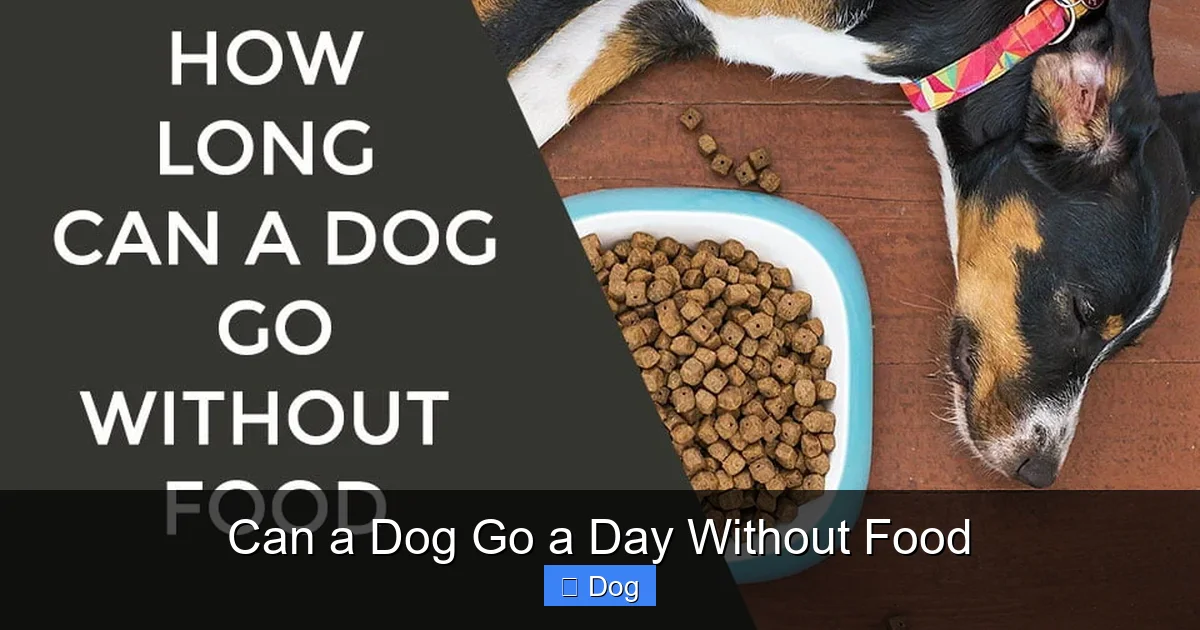
Visual guide about Can a Dog Go a Day Without Food
Image source: efindanything.com
The general rule of thumb is that a healthy adult dog can go up to 5–7 days without food, but this doesn’t mean they should. Survival time depends on several factors, including age, size, health, hydration, and body condition. However, going without food for even 24–48 hours can start to affect a dog’s energy levels, metabolism, and overall well-being.
Short-Term Fasting (24 Hours)
For most adult dogs, skipping one meal or going a full day without food is unlikely to cause harm—especially if they’re drinking water normally. In fact, some veterinarians recommend a 12- to 24-hour fast before certain medical procedures or if a dog has an upset stomach. This brief pause gives the digestive system time to rest and reset.
For example, if your dog eats something that doesn’t agree with them—like garbage or a rich treat—and starts vomiting or has diarrhea, your vet might suggest withholding food for 12–24 hours while continuing to offer small amounts of water. After that, you can gradually reintroduce a bland diet like boiled chicken and rice.
Medium-Term Fasting (2–3 Days)
After 48 hours without food, most dogs will begin to show signs of hunger and fatigue. Their energy levels drop, and they may become lethargic or irritable. At this point, the body starts breaking down fat stores for energy, which is normal—but prolonged fasting can lead to a dangerous condition called hepatic lipidosis (fatty liver disease), especially in overweight dogs.
Hepatic lipidosis occurs when fat accumulates in the liver, impairing its function. It’s more common in cats, but dogs—particularly obese ones—are also at risk if they stop eating for extended periods. Symptoms include jaundice (yellowing of the eyes or gums), vomiting, and extreme weakness.
Long-Term Fasting (4+ Days)
Going more than 3–4 days without food is dangerous for any dog and should never be attempted without veterinary supervision. Even healthy dogs can suffer from muscle loss, weakened immune function, and organ stress after several days of fasting. Puppies, seniors, and dogs with chronic illnesses can deteriorate much faster.
It’s also important to note that while dogs can survive longer without food than humans, they cannot survive long without water. Dehydration sets in quickly and can be fatal within 2–3 days.
Why Might a Dog Skip a Meal?
There are many reasons why a dog might refuse food for a day. Some are harmless and temporary, while others signal a deeper issue. Understanding the cause can help you respond appropriately.
Behavioral or Environmental Factors
Dogs are creatures of habit. A change in routine—like a new home, a new family member, travel, or loud noises (fireworks, construction)—can cause stress and suppress appetite. This is especially common in sensitive breeds like Border Collies or Shih Tzus.
For example, if you’ve recently moved or adopted a new dog, it’s normal for them to skip a meal or two as they adjust. Offer familiar food, maintain a calm environment, and give them time. Most dogs start eating again within 24–48 hours.
Boredom with food can also be a factor. If your dog eats the same kibble every day for years, they might lose interest. Try rotating flavors, adding warm water or broth to their food, or using puzzle feeders to make mealtime more engaging.
Medical Causes
Sudden loss of appetite is often one of the first signs of illness in dogs. Conditions like dental pain, gastrointestinal infections, pancreatitis, kidney disease, or cancer can all cause a dog to stop eating. Even minor issues like an upset stomach or a sore tooth can make eating uncomfortable.
For instance, a dog with gum disease or a cracked tooth might chew on one side of their mouth or drop food while eating. If you notice drooling, bad breath, or pawing at the mouth, schedule a vet visit.
Medications and Treatments
Certain medications, such as antibiotics, pain relievers, or chemotherapy drugs, can cause nausea or reduce appetite. If your dog recently started a new medication and stopped eating, contact your vet. They may adjust the dosage or prescribe an appetite stimulant.
Age-Related Changes
Puppies have high energy needs and should eat multiple small meals a day. Skipping a meal can lead to hypoglycemia (low blood sugar), which causes weakness, trembling, and even seizures. Senior dogs, on the other hand, may eat less due to reduced activity, dental issues, or age-related diseases like arthritis or cognitive decline.
Signs Your Dog Needs Immediate Veterinary Care
While a single missed meal is usually not an emergency, certain signs indicate that your dog needs medical attention—especially if they’ve gone more than 24 hours without food.
Persistent Vomiting or Diarrhea
If your dog is vomiting repeatedly or has diarrhea for more than 12–24 hours, they’re at risk of dehydration and nutrient loss. This is especially dangerous if they’re not eating. Puppies and small breeds are particularly vulnerable.
Lethargy or Weakness
A dog that’s unusually tired, unresponsive, or unable to stand may be seriously ill. This is not normal, even for a dog that’s fasting.
Abdominal Pain or Bloating
If your dog whines, paces, or shows discomfort when you touch their belly, they could have a gastrointestinal blockage or bloat—a life-threatening condition that requires immediate surgery.
No Water Intake
Refusing both food and water for more than 24 hours is a major red flag. Dehydration can cause organ failure and death within days.
Underlying Health Conditions
Dogs with diabetes, liver disease, kidney failure, or cancer should never go without food for more than 12–24 hours. These conditions require consistent nutrition to manage blood sugar, toxin buildup, and energy levels.
Behavioral Changes
If your dog is hiding, acting aggressive, or showing signs of confusion, it could indicate pain or neurological issues.
When in doubt, call your veterinarian. It’s always better to be safe than sorry.
When Is Fasting Safe—and When Is It Not?
Intentional fasting—also known as intermittent fasting—has gained popularity among pet owners and some holistic veterinarians. The idea is that short periods without food can give the digestive system a break, reduce inflammation, and promote cellular repair.
Benefits of Supervised Fasting
Some studies suggest that occasional fasting may support metabolic health and longevity in dogs. For example, a 24-hour fast once a week might help regulate insulin levels and reduce the risk of obesity. It’s also commonly used before surgeries or diagnostic tests.
However, fasting should never be done without veterinary approval. Your vet can assess your dog’s health, weight, and nutritional needs to determine if fasting is appropriate.
Who Should Not Fast?
Fasting is not safe for:
– Puppies under 6 months
– Pregnant or nursing dogs
– Dogs with diabetes or hypoglycemia
– Dogs with liver or kidney disease
– Underweight or malnourished dogs
– Dogs on certain medications
Even healthy dogs should not fast for more than 24–48 hours without monitoring.
How to Safely Introduce Fasting
If your vet approves a short fast, follow these steps:
1. Ensure your dog is well-hydrated—offer water frequently.
2. Skip one meal or extend the time between meals by 12–24 hours.
3. After fasting, reintroduce food slowly—start with small portions of bland food.
4. Watch for signs of discomfort or illness.
Never force a dog to fast. If they show signs of distress, resume feeding immediately.
Tips for Encouraging a Picky Eater to Eat
If your dog skips a meal occasionally but is otherwise healthy, you can try these gentle strategies to stimulate their appetite.
Warm the Food
Heating wet food or adding warm water to kibble releases aromas that can make food more appealing. Just make sure it’s not too hot—test it on your wrist first.
Add Toppers
Try mixing in a small amount of low-sodium chicken broth, plain cooked chicken, or a spoonful of plain pumpkin (not pie filling). These add flavor and moisture.
Change the Feeding Environment
Some dogs eat better in a quiet, low-traffic area. Others prefer eating with their human family. Experiment to find what works.
Use Interactive Feeders
Puzzle toys and slow feeders can make mealtime more engaging and mentally stimulating.
Stick to a Routine
Feed your dog at the same times each day. Consistency helps regulate appetite and digestion.
Avoid Free-Feeding
Leaving food out all day can reduce interest in meals. Instead, offer food for 15–20 minutes, then remove it. This encourages eating when food is available.
Conclusion
So, can a dog go a day without food? Yes—most healthy adult dogs can safely skip a meal or go 24 hours without eating, especially if they’re drinking water and otherwise acting normal. However, this doesn’t mean it’s something to ignore. Appetite is a key indicator of health, and sudden or prolonged food refusal can signal an underlying problem.
Puppies, seniors, and dogs with medical conditions are far more vulnerable and should not go without food for more than 12–24 hours. Always prioritize hydration, monitor your dog closely, and consult your veterinarian if you’re concerned.
While occasional fasting may have benefits under veterinary guidance, it’s not a one-size-fits-all solution. Every dog is different, and their nutritional needs depend on age, breed, activity level, and health status.
As a responsible pet owner, your job is to stay observant, responsive, and proactive. Pay attention to your dog’s eating habits, know the warning signs, and never hesitate to seek professional advice. A day without food might not be an emergency—but it could be the first clue that something’s wrong. By staying informed and attentive, you can help ensure your dog stays happy, healthy, and well-nourished for years to come.
Frequently Asked Questions
Can a puppy go a day without food?
No, puppies should not go a day without food. They have high energy needs and are at risk of hypoglycemia (low blood sugar), which can cause weakness, seizures, or even death. Puppies under 6 months should eat 3–4 small meals daily.
Is it normal for my dog to skip a meal?
Occasionally, yes—especially if your dog is stressed, bored with food, or adjusting to a change. However, if your dog skips more than one meal or shows other symptoms, it’s best to consult your vet.
How long can a dog go without water?
Dogs can only survive 2–3 days without water. Dehydration is far more dangerous than food deprivation. Always ensure your dog has access to fresh, clean water.
Should I force-feed my dog if they won’t eat?
No, never force-feed your dog. This can cause choking or aspiration. Instead, try appetite stimulants, warming food, or offering high-value treats. If your dog refuses food for more than 24 hours, see a vet.
Can stress cause a dog to stop eating?
Yes, stress from travel, loud noises, new environments, or changes in routine can suppress appetite. Most dogs resume eating once they feel safe and comfortable again.
When should I take my dog to the vet for not eating?
Take your dog to the vet if they haven’t eaten for more than 24 hours, are vomiting, lethargic, showing signs of pain, or have an underlying health condition. Early intervention can prevent serious complications.