

Yes, a healthy adult dog can typically go without food for 24 hours without serious harm, but it’s not recommended as a regular practice. While short-term fasting may occasionally be used under veterinary guidance, prolonged or repeated food avoidance can signal underlying health issues or lead to complications like hypoglycemia or liver problems.
Key Takeaways
- Healthy dogs can survive a day without food: Most adult dogs can safely skip one meal or go up to 24 hours without eating, especially if they’re well-hydrated.
- Puppies and seniors are more vulnerable: Young puppies, senior dogs, and those with medical conditions should never go without food for more than 12 hours due to higher metabolic demands and health risks.
- Water is more critical than food: Dehydration sets in faster than starvation—always ensure your dog has access to fresh, clean water, even if they’re not eating.
- Behavioral changes matter: Loss of appetite paired with lethargy, vomiting, diarrhea, or unusual behavior warrants immediate veterinary attention.
- Fasting should only be done under supervision: Intentional fasting (e.g., before surgery) must be guided by a vet; never withhold food as punishment or without professional advice.
- Underlying illness may be the cause: Sudden refusal to eat could indicate dental pain, gastrointestinal issues, infections, or systemic diseases like kidney or liver problems.
- Reintroduce food gradually: After a day without eating, offer small portions of bland, easily digestible food (like boiled chicken and rice) to avoid digestive upset.
📑 Table of Contents
- Can a Dog Go Without Food for a Day? Understanding the Limits of Canine Fasting
- How Long Can Dogs Safely Go Without Food?
- Common Reasons Dogs Stop Eating
- When to Worry: Red Flags to Watch For
- Can You Intentionally Fast Your Dog?
- Special Considerations for Puppies, Seniors, and Sick Dogs
- How to Encourage a Reluctant Eater
- Conclusion: When in Doubt, Call the Vet
Can a Dog Go Without Food for a Day? Understanding the Limits of Canine Fasting
If your dog turns up their nose at dinner or skips a meal, it’s natural to wonder: Can a dog go without food for a day? The short answer is yes—most healthy adult dogs can survive 24 hours without eating. But survival isn’t the same as thriving. Just because a dog can go a day without food doesn’t mean they should.
Dogs are remarkably resilient creatures. Their ancestors in the wild often went days between meals, relying on fat reserves and efficient metabolisms to get by. Today’s domesticated dogs still carry some of that biological hardiness. However, modern dogs live very different lives—indoors, on scheduled meals, and often with underlying health conditions that make fasting riskier.
So while a single missed meal or a 24-hour fast might not be dangerous for a healthy dog, it’s important to understand the nuances. Age, size, health status, and hydration all play critical roles. A day without food might be harmless for a robust adult Labrador, but it could be life-threatening for a tiny Chihuahua puppy or a senior dog with diabetes.
This article will walk you through everything you need to know about dogs and fasting—when it’s safe, when it’s not, what to watch for, and how to respond if your dog refuses to eat. Whether you’re dealing with a picky eater, a dog recovering from surgery, or just curious about canine nutrition, you’ll find practical, vet-backed guidance here.
How Long Can Dogs Safely Go Without Food?
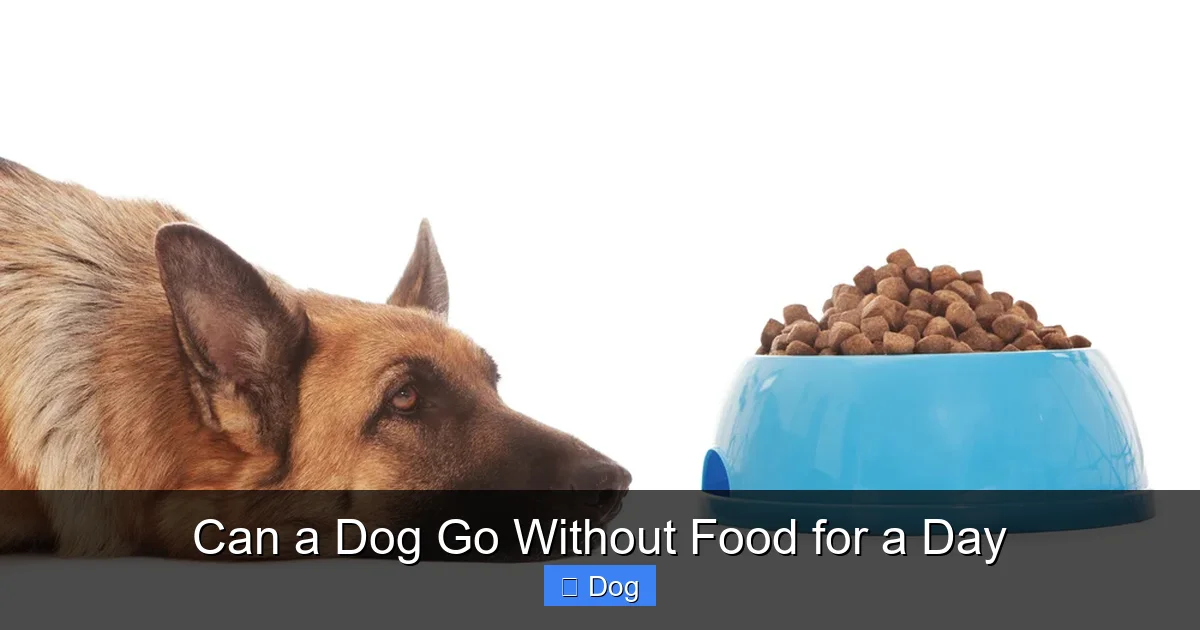
Visual guide about Can a Dog Go Without Food for a Day
Image source: canineweekly.com
The general rule of thumb is that a healthy adult dog can go without food for about 24 to 48 hours without major health consequences—provided they have access to water. But this window shrinks dramatically based on individual factors.
For example, a 70-pound mixed breed in good health might handle a day without food just fine. But a 5-pound Yorkie puppy? That’s a completely different story. Puppies under six months old have high energy needs and limited fat reserves. They can develop dangerously low blood sugar (hypoglycemia) in as little as 8 to 12 hours without food. Symptoms include weakness, trembling, seizures, and even coma.
Senior dogs are also at higher risk. As dogs age, their metabolism slows, organ function declines, and they’re more likely to have chronic conditions like kidney disease or heart problems. Skipping meals can worsen these issues or mask symptoms that need attention.
Small breeds, in general, are more vulnerable due to their faster metabolisms. Toy breeds like Pomeranians, Chihuahuas, and Shih Tzus burn energy quickly and can’t afford to miss meals.
Even healthy adult dogs shouldn’t make a habit of fasting. While one day without food is unlikely to cause harm, repeated or prolonged fasting can lead to serious complications. One of the most concerning is hepatic lipidosis, or fatty liver disease. This condition occurs when a dog’s body starts breaking down fat too quickly for the liver to process, leading to liver failure. It’s more common in overweight dogs who stop eating suddenly.
So, while a single 24-hour fast might be survivable, it’s not ideal. Think of it like skipping breakfast and lunch as a human—you might feel fine, but you’re not operating at your best. Your dog is no different.
Why Water Matters More Than Food
When discussing how long a dog can go without food, it’s crucial to emphasize that water is far more important. A dog can survive only about 3 to 5 days without water, compared to several weeks without food. Dehydration sets in quickly and can cause organ damage, lethargy, and even death.
Even if your dog isn’t eating, they should always have access to fresh, clean water. In fact, encouraging hydration is one of the best things you can do if your dog skips a meal. Offer water frequently, and consider adding a little low-sodium chicken broth (without onions or garlic) to make it more appealing.
Signs of dehydration include:
- Dry nose and gums
- Sunken eyes
- Loss of skin elasticity (gently pinch the skin on the back of the neck—if it doesn’t snap back quickly, your dog may be dehydrated)
- Lethargy or weakness
If you notice any of these signs, contact your vet immediately—even if your dog is still drinking.
Common Reasons Dogs Stop Eating
Understanding why your dog isn’t eating is just as important as knowing how long they can go without food. A missed meal might be nothing—or it could be the first sign of a serious problem.
Behavioral or Environmental Causes
Sometimes, a dog’s refusal to eat is purely behavioral. Changes in routine, stress, or anxiety can suppress appetite. For example:
- Moving to a new home
- Introducing a new pet or family member
- Travel or boarding
- Loud noises (like fireworks or thunderstorms)
Dogs are creatures of habit. A disrupted schedule or unfamiliar environment can make them feel uneasy, leading to temporary food avoidance. In these cases, appetite usually returns once the dog feels safe and settled.
Picky eating is another common behavioral issue. Some dogs become finicky about their food, especially if they’ve been given table scraps or too many treats. They may hold out for something more exciting, refusing their regular kibble.
If you suspect behavioral causes, try these tips:
- Stick to a consistent feeding schedule
- Limit treats and human food
- Create a calm, quiet eating environment
- Warm the food slightly to enhance aroma
- Try a different brand or flavor of dog food
Medical Causes of Appetite Loss
More concerning are the medical reasons a dog might stop eating. These can range from minor issues to life-threatening conditions. Some of the most common include:
Dental Problems: Tooth decay, gum disease, or oral injuries can make chewing painful. Dogs may drop food, chew on one side, or avoid hard kibble altogether. Check your dog’s mouth for redness, swelling, bad breath, or broken teeth.
Gastrointestinal Issues: Upset stomach, constipation, or intestinal blockages can cause nausea and loss of appetite. If your dog is vomiting, has diarrhea, or seems bloated, seek veterinary care.
Infections: Viral or bacterial infections (like parvovirus or kennel cough) often come with fever and lethargy, which suppress hunger.
Pain or Injury: Arthritis, sprains, or internal injuries can make eating uncomfortable. A dog in pain may be less active and uninterested in food.
Systemic Diseases: Conditions like kidney disease, liver failure, diabetes, or cancer can cause appetite loss as an early symptom. These illnesses often present with other signs, such as increased thirst, weight loss, or changes in bathroom habits.
Medication Side Effects: Some drugs, including antibiotics or pain relievers, can cause nausea or stomach upset, leading to temporary food refusal.
If your dog hasn’t eaten for more than 24 hours—or if they show any other symptoms—it’s time to call the vet. Early diagnosis and treatment can prevent complications and speed recovery.
When to Worry: Red Flags to Watch For
Not every missed meal is an emergency, but certain signs should never be ignored. Use this checklist to assess whether your dog needs veterinary attention:
- No food for more than 24 hours (adults) or 12 hours (puppies/seniors): This is the most obvious red flag.
- Vomiting or diarrhea: Especially if it’s persistent, contains blood, or is accompanied by lethargy.
- Lethargy or weakness: If your dog is unusually tired, unresponsive, or unable to stand.
- Abdominal pain: Whining, restlessness, or a hunched posture may indicate stomach pain.
- Dehydration: As mentioned earlier, dry gums, sunken eyes, or poor skin elasticity are warning signs.
- Behavioral changes: Aggression, confusion, or hiding can signal illness.
- Weight loss: Sudden or noticeable weight loss over a few days is concerning.
Even if your dog seems otherwise fine, a day without food in a high-risk group (puppies, seniors, small breeds, or dogs with chronic conditions) warrants a vet visit. It’s always better to be safe than sorry.
What to Do If Your Dog Won’t Eat
If your dog skips a meal, don’t panic—but do take action. Here’s a step-by-step guide:
Step 1: Observe. Note any other symptoms, changes in behavior, or recent events (travel, new food, stressors).
Step 2: Offer water. Make sure your dog is drinking. If not, try offering ice chips, broth, or a pet water fountain.
Step 3: Try tempting foods. Offer small amounts of bland, high-value food like boiled chicken (no seasoning), plain rice, or canned pumpkin (not pie filling). Avoid fatty or spicy foods.
Step 4: Monitor for 12–24 hours. If your dog still refuses food after a day, or if symptoms worsen, contact your vet.
Step 5: Follow vet advice. Your vet may recommend blood work, X-rays, or hospitalization depending on the cause.
Never force-feed your dog or give human medications without veterinary guidance. Some over-the-counter drugs (like ibuprofen) are toxic to dogs.
Can You Intentionally Fast Your Dog?
In some cases, veterinarians may recommend a short fast—usually 12 to 24 hours—before a medical procedure like surgery or an ultrasound. This helps prevent vomiting and aspiration during anesthesia.
However, intentional fasting should never be done at home without professional advice. Fasting can worsen certain conditions, especially in dogs with liver or metabolic diseases.
Some pet owners consider fasting for weight loss or “detox” purposes, but this is not supported by veterinary science. Dogs don’t need detox diets—their livers and kidneys naturally filter toxins. For weight management, focus on portion control, exercise, and high-quality, low-calorie food.
If your vet does recommend fasting, they’ll provide specific instructions, including when to resume feeding and what to feed. Always follow their guidance closely.
Reintroducing Food After a Fast
When your dog starts eating again, go slowly. A sudden return to regular meals can cause stomach upset or pancreatitis, especially in dogs who’ve gone without food for a day or more.
Start with small, frequent meals of bland food:
- Boiled, skinless chicken (shredded)
- Plain white or brown rice
- Steamed carrots or green beans
- Low-sodium chicken broth (cooled)
Feed ¼ to ½ cup every 3–4 hours for the first day. Gradually increase portion sizes and transition back to regular food over 2–3 days.
Avoid fatty, spicy, or rich foods during this time. And never give your dog human “comfort food” like cheese, bread, or gravy—it can trigger digestive issues.
Special Considerations for Puppies, Seniors, and Sick Dogs
Not all dogs are created equal when it comes to fasting. Certain groups need extra care and attention.
Puppies
Puppies have high energy needs and small stomachs. They should eat 3–4 small meals a day until about 6 months of age. Going without food for more than 8–12 hours can lead to hypoglycemia, which can be fatal if untreated.
Signs of low blood sugar in puppies include:
- Trembling or shivering
- Weakness or collapse
- Seizures
- Lethargy or unresponsiveness
If you suspect hypoglycemia, rub a small amount of honey or Karo syrup on your puppy’s gums and seek emergency vet care immediately.
Senior Dogs
Older dogs often have slower metabolisms and chronic health issues. Appetite loss in seniors can signal serious problems like kidney disease, cancer, or cognitive decline.
Monitor senior dogs closely. If they skip more than one meal, or show signs of weight loss, increased thirst, or confusion, schedule a vet visit.
Dogs with Medical Conditions
Dogs with diabetes, liver disease, pancreatitis, or heart conditions should never go without food unless directed by a vet. These conditions require consistent nutrition to maintain stable blood sugar and organ function.
For example, diabetic dogs need regular meals to balance insulin levels. Skipping food can lead to dangerous drops in blood sugar.
Always consult your vet before making any changes to your dog’s diet or feeding schedule, especially if they have a pre-existing condition.
How to Encourage a Reluctant Eater
If your dog is eating less than usual but not refusing food entirely, there are gentle ways to boost their appetite.
Make Mealtime Appealing
Dogs rely heavily on smell. Warming their food slightly in the microwave (test temperature first!) can release aromas and make it more enticing.
Try adding a “topper” like:
- Low-sodium chicken or beef broth
- Plain yogurt (in small amounts)
- Canned sardines in water (no salt)
- Freeze-dried liver treats (crumbled)
Rotate flavors and textures to keep meals interesting. Some dogs prefer wet food over dry, or vice versa.
Create a Positive Eating Environment
Feed your dog in a quiet, low-traffic area. Avoid feeding near loud appliances, children, or other pets that might distract or stress them.
Use the same bowl and feeding spot each time to build routine. Some dogs feel more secure eating from a raised feeder or a slow-feeder bowl.
Exercise Before Meals
A short walk or play session before dinner can stimulate appetite. Just avoid vigorous exercise right after eating, especially in large breeds prone to bloat.
Consult Your Vet About Appetite Stimulants
In some cases, vets may prescribe appetite stimulants like mirtazapine for dogs with chronic illness or post-surgery recovery. These should only be used under veterinary supervision.
Conclusion: When in Doubt, Call the Vet
So, can a dog go without food for a day? Yes—but with important caveats. A healthy adult dog can typically survive 24 hours without eating, especially if they’re well-hydrated and otherwise acting normal. However, this isn’t a practice to take lightly or repeat.
For puppies, seniors, small breeds, or dogs with health issues, even a short fast can be dangerous. And while behavioral causes of appetite loss are common, they should never overshadow the possibility of an underlying medical condition.
The bottom line: One missed meal isn’t usually an emergency, but a day without food is a signal to pay attention. Watch for other symptoms, encourage hydration, and don’t hesitate to contact your veterinarian if you’re concerned.
Your dog’s appetite is a vital sign—just like temperature or heart rate. Changes in eating habits are often the first clue that something’s wrong. By staying informed and proactive, you can help ensure your furry friend stays happy, healthy, and well-fed.
Frequently Asked Questions
Can a dog go without food for a day if they’re drinking water?
Yes, a healthy adult dog can usually go 24 hours without food as long as they’re drinking water. Hydration is critical—dehydration is far more dangerous than short-term fasting. However, water alone isn’t enough for puppies, seniors, or dogs with health issues.
Is it safe to fast my dog before a vet visit?
Only if your vet specifically recommends it. Fasting is sometimes advised before surgery or certain tests to prevent vomiting. Never fast your dog at home without professional guidance, as it can be risky for some dogs.
Why won’t my dog eat but is acting normal?
This could be due to stress, picky eating, or a minor stomach upset. If your dog is drinking, playful, and has no other symptoms, they may just need a day or two to reset. But if it continues beyond 24 hours, consult your vet.
Can a puppy go without food for a day?
No, puppies should never go without food for more than 8–12 hours. Their small size and high metabolism make them prone to hypoglycemia, which can be life-threatening. Seek immediate vet care if a puppy refuses food.
What should I feed my dog after they’ve gone a day without eating?
Start with small, frequent meals of bland food like boiled chicken and rice. Avoid fatty or rich foods. Gradually return to their regular diet over 2–3 days to prevent digestive upset.
When should I take my dog to the vet for not eating?
Take your dog to the vet if they haven’t eaten for more than 24 hours (adults) or 12 hours (puppies/seniors), or if they show vomiting, lethargy, diarrhea, or other concerning symptoms. Early intervention can prevent serious complications.