

Food allergies are a common but often overlooked cause of diarrhea in dogs. While many pet parents blame sudden diet changes or infections, chronic digestive upset may point to an underlying food sensitivity. Understanding the link between food allergies and diarrhea can help you get your dog the right diagnosis and relief faster.
Key Takeaways
- Food allergies can absolutely cause diarrhea in dogs: Unlike food intolerances, true allergies involve an immune response that can trigger gastrointestinal symptoms like loose stools, vomiting, and gas.
- Diarrhea is often accompanied by other symptoms: Look for itching, ear infections, skin rashes, or chronic paw licking alongside digestive issues—these are classic signs of a food allergy.
- Common allergens include beef, chicken, dairy, and wheat: These proteins and grains appear frequently in commercial dog food and are top culprits in allergic reactions.
- Elimination diets are the gold standard for diagnosis: Your vet may recommend a strict 8–12 week trial with a novel protein or hydrolyzed diet to identify the trigger.
- Not all diarrhea is allergy-related: Infections, parasites, stress, or sudden diet changes can also cause loose stools—so proper vet evaluation is essential.
- Early intervention improves quality of life: Managing food allergies promptly can prevent chronic inflammation, nutrient malabsorption, and secondary health problems.
- Homemade or limited-ingredient diets can help: Once the allergen is identified, switching to a tailored diet reduces flare-ups and supports long-term digestive health.
📑 Table of Contents
- Can a Food Allergy Cause Diarrhea in Dogs?
- Understanding Food Allergies vs. Food Intolerances in Dogs
- Common Food Allergens That Trigger Diarrhea in Dogs
- Diagnosing Food Allergies in Dogs
- Managing Food Allergies and Diarrhea in Dogs
- Other Causes of Diarrhea in Dogs
- Preventing Food Allergies and Supporting Long-Term Digestive Health
- Conclusion
Can a Food Allergy Cause Diarrhea in Dogs?
If your dog has been dealing with frequent diarrhea, you’re not alone. Digestive upset is one of the most common reasons pet parents visit the vet. While occasional loose stools might seem like no big deal, chronic diarrhea—especially when it lasts more than a few days—can signal a deeper issue. One often-misunderstood cause? Food allergies.
Yes, a food allergy can cause diarrhea in dogs. In fact, gastrointestinal symptoms are present in up to 30% of dogs with food allergies, according to veterinary studies. But here’s the catch: diarrhea from food allergies isn’t always dramatic or immediate. It can be subtle, persistent, and easily mistaken for something else—like a sensitive stomach or a minor bug.
Unlike food intolerances, which are digestive in nature (think lactose intolerance in humans), food allergies involve the immune system. When a dog with a food allergy eats a problematic ingredient—like chicken or wheat—their immune system mistakenly identifies it as a threat. This triggers an inflammatory response that can affect the skin, ears, and yes, the gut. The result? Diarrhea, vomiting, gas, or even mucus in the stool.
What makes this tricky is that food allergies usually develop over time. Your dog might have eaten the same kibble for years without issue, only to suddenly start showing symptoms. That’s because repeated exposure can sensitize the immune system, eventually leading to a full-blown allergic reaction.
So how do you know if your dog’s diarrhea is allergy-related? And what can you do about it? Let’s dive into the signs, causes, diagnosis, and management strategies to help you support your pup’s digestive health.
Understanding Food Allergies vs. Food Intolerances in Dogs
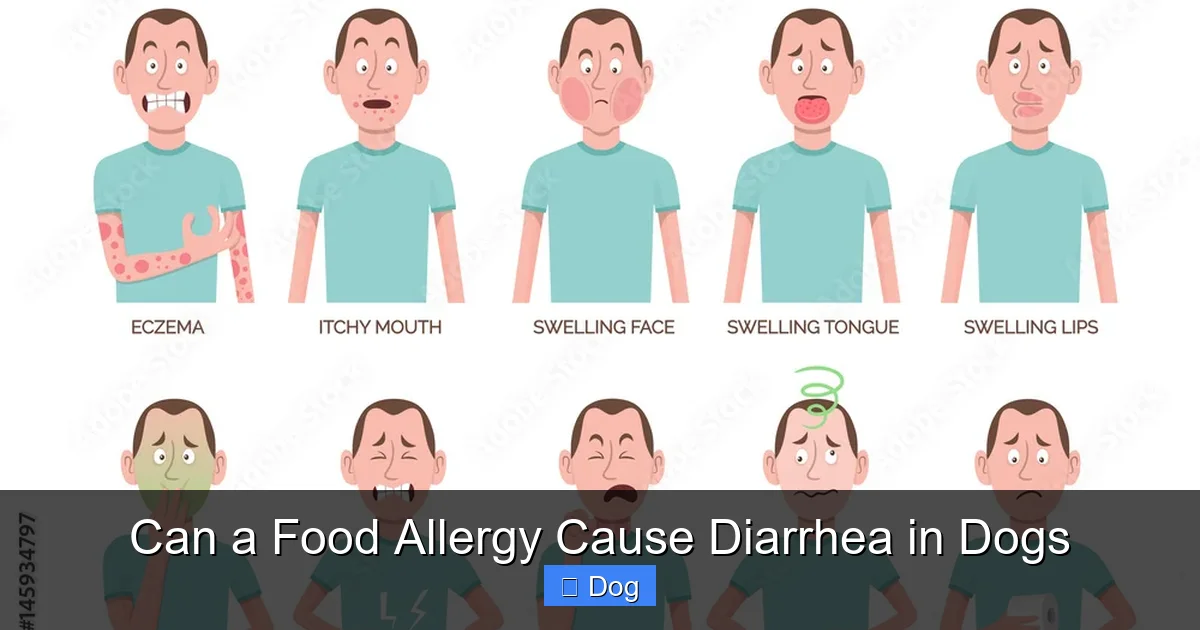
Visual guide about Can a Food Allergy Cause Diarrhea in Dogs
Image source: as2.ftcdn.net
Before we go further, it’s important to clarify the difference between a food allergy and a food intolerance. These terms are often used interchangeably, but they’re not the same—and understanding the distinction can make a big difference in how you approach your dog’s health.
A food allergy is an immune-mediated response. When a dog with a food allergy consumes a specific ingredient—usually a protein—their immune system overreacts. This can lead to symptoms that affect multiple systems in the body, including the skin (itching, rashes), ears (chronic infections), and digestive tract (diarrhea, vomiting).
On the other hand, a food intolerance is a digestive issue. It occurs when a dog has difficulty breaking down or processing a certain ingredient, like lactose in milk. Unlike allergies, intolerances don’t involve the immune system. Symptoms are typically limited to the gut—gas, bloating, and diarrhea—and are usually dose-dependent. That means the more of the problematic food your dog eats, the worse the reaction.
So why does this matter? Because the treatment approaches differ. Food intolerances may improve with enzyme supplements or gradual reintroduction, while food allergies often require complete avoidance of the allergen.
For example, imagine your dog loves cheese as a treat. If they get diarrhea after eating it, it could be a lactose intolerance—many dogs lose the ability to digest milk sugar as they age. But if they also start scratching their ears or developing red, inflamed skin, that’s a red flag for a true allergy, possibly to the proteins in dairy.
Another key difference is timing. Food intolerances usually cause symptoms within hours of eating the food. Food allergies, however, can take days or even weeks to show up, especially if the allergen is a staple in your dog’s diet. This delayed response makes allergies harder to pinpoint.
Common Symptoms of Food Allergies in Dogs
While diarrhea is a common sign, it’s rarely the only one. Dogs with food allergies often show a combination of symptoms, including:
- Chronic or recurring diarrhea
- Vomiting or regurgitation
- Excessive gas or bloating
- Itchy skin, especially around the ears, paws, belly, or rear
- Red, inflamed skin or rashes
- Chronic ear infections
- Hair loss or hot spots
- Licking or chewing at paws
- Anal gland issues (scooting or frequent gland expression)
Notice how many of these symptoms are skin- or ear-related? That’s because up to 80% of dogs with food allergies show dermatological signs. So if your dog has diarrhea plus itchy skin, don’t assume they’re unrelated. They could be two sides of the same allergic coin.
Why Diarrhea Happens with Food Allergies
So how exactly does a food allergy lead to diarrhea? It all comes down to inflammation.
When a dog with a food allergy eats the offending ingredient, their immune system releases antibodies and inflammatory chemicals. These substances can irritate the lining of the intestines, disrupting normal digestion and absorption. The gut becomes “leaky,” allowing undigested food particles and toxins to pass through, which further fuels the immune response.
This inflammation slows down or speeds up intestinal motility—how quickly food moves through the digestive tract. If it moves too fast, water isn’t absorbed properly, leading to loose, watery stools. If it moves too slowly, bacteria can overgrow, causing gas, bloating, and foul-smelling diarrhea.
Additionally, chronic inflammation can damage the gut lining, reducing the production of digestive enzymes and impairing nutrient absorption. Over time, this can lead to weight loss, poor coat quality, and even behavioral changes due to discomfort.
Common Food Allergens That Trigger Diarrhea in Dogs
Not all ingredients are equally likely to cause allergic reactions. In dogs, food allergies are most commonly triggered by proteins, though grains and additives can also play a role.
Top Protein Allergens
The most common food allergens in dogs are animal proteins that appear frequently in commercial dog food. These include:
- Beef: Found in many kibbles and treats, beef is one of the top culprits. Even if your dog has eaten it for years, they can develop an allergy over time.
- Chicken: Another highly allergenic protein. Many dogs react to chicken meat, eggs, or even chicken fat.
- Dairy: Milk, cheese, and yogurt contain proteins like casein and whey that can trigger immune responses.
- Eggs: Surprisingly common allergens, even though they’re often considered hypoallergenic.
- Lamb: Once thought to be a safe alternative, lamb is now a common ingredient in many foods, increasing the risk of sensitization.
- Soy: A plant-based protein used in some dog foods, soy can cause both allergic and digestive reactions.
Grains and Carbohydrates
Contrary to popular belief, grains are not the most common allergens in dogs. However, some dogs do react to:
- Wheat: Contains gluten and other proteins that can trigger immune responses.
- Corn: Often used as a filler, corn can be hard to digest and may cause allergies in sensitive dogs.
- Rice: Less common, but still possible, especially in dogs with multiple sensitivities.
It’s worth noting that “grain-free” doesn’t automatically mean “allergy-friendly.” Many grain-free diets use legumes like peas or lentils, which can also be allergenic in some dogs.
Additives and Fillers
Artificial colors, flavors, preservatives (like BHA or BHT), and food dyes can also contribute to allergic reactions. While less common than protein allergies, these additives may worsen symptoms in sensitive dogs.
Hidden Ingredients to Watch For
One of the biggest challenges in identifying food allergies is hidden ingredients. For example:
- “Meat meal” or “meat by-products” may contain traces of allergenic proteins.
- Flavored treats or dental chews often include chicken, beef, or dairy flavorings.
- Some medications or supplements use beef or chicken as binders.
Always read labels carefully—even small amounts of an allergen can trigger a reaction in sensitive dogs.
Diagnosing Food Allergies in Dogs
If you suspect your dog’s diarrhea is due to a food allergy, the first step is to see your veterinarian. They’ll rule out other causes like parasites, infections, inflammatory bowel disease (IBD), or pancreatic issues.
The Elimination Diet: The Gold Standard
The most reliable way to diagnose a food allergy is through an elimination diet. This involves feeding your dog a novel protein and carbohydrate source they’ve never eaten before for 8 to 12 weeks.
A novel protein is one your dog hasn’t been exposed to—like duck, venison, rabbit, or kangaroo. A novel carbohydrate might be sweet potato, green peas, or chickpeas.
During the elimination phase, your dog must eat ONLY the prescribed food. No treats, table scraps, flavored medications, or chew toys. Even a single bite of the wrong food can ruin the trial.
After 8–12 weeks, if symptoms improve, your vet may recommend a “provocation test”: reintroducing the original food to see if symptoms return. If they do, a food allergy is confirmed.
Hydrolyzed Protein Diets
Another option is a hydrolyzed protein diet. In these foods, proteins are broken down into tiny fragments too small to trigger an immune response. Brands like Hill’s z/d or Royal Canin Hypoallergenic are commonly prescribed.
These diets are convenient and effective, but they can be expensive and may not be palatable to all dogs.
Blood and Skin Tests: Are They Reliable?
You may have seen at-home food allergy tests or heard about blood tests that claim to identify allergens. While these tests exist, most veterinarians consider them unreliable for diagnosing food allergies.
Why? Because they often measure IgE antibodies, which are more relevant to environmental allergies (like pollen) than food allergies. Many dogs with confirmed food allergies test negative on these exams, and vice versa.
Skin testing is also more useful for environmental allergens than food.
For now, the elimination diet remains the most accurate diagnostic tool.
What to Expect During the Trial
The elimination diet requires commitment. Here’s what to keep in mind:
- Strict adherence is key: Even small deviations can delay results.
- Symptoms may worsen before they improve: Some dogs experience a “healing crisis” as their gut repairs.
- Improvement isn’t always immediate: It can take 4–6 weeks to see changes.
- Work with your vet: They can help choose the right diet and monitor progress.
Managing Food Allergies and Diarrhea in Dogs
Once a food allergy is confirmed, the goal is long-term management. The good news? Most dogs respond well to dietary changes and live happy, symptom-free lives.
Choosing the Right Diet
After identifying the allergen, switch to a diet that avoids it completely. Options include:
- Limited-ingredient commercial foods: Look for brands with one protein and one carb source, like salmon and potato.
- Homemade diets: Prepared with veterinary guidance to ensure balanced nutrition.
- Raw or fresh food diets: Some pet parents prefer fresh, whole-food options, but these require careful planning to avoid deficiencies.
Always choose high-quality foods with clear labeling. Avoid “mystery meats” or vague terms like “meat meal.”
Supplements to Support Gut Health
Even after removing the allergen, your dog’s gut may need time to heal. Consider adding:
- Probiotics: Help restore healthy gut bacteria. Look for strains like Lactobacillus and Bifidobacterium.
- Prebiotics: Feed beneficial bacteria. Found in foods like pumpkin or supplements with FOS/MOS.
- Digestive enzymes: Aid in breaking down food, especially if the gut is still recovering.
- Omega-3 fatty acids: Reduce inflammation. Fish oil is a great source.
- Slippery elm or marshmallow root: Natural remedies that soothe the intestinal lining.
Always consult your vet before starting supplements.
Preventing Accidental Exposure
Cross-contamination is a real risk. Tips to avoid it:
- Wash food and water bowls regularly.
- Store allergen-free food separately.
- Use dedicated utensils for preparing your dog’s meals.
- Read labels on all treats, chews, and medications.
- Inform family members and pet sitters about the allergy.
When to See the Vet Again
Contact your vet if:
- Diarrhea persists despite dietary changes.
- Your dog shows signs of dehydration (lethargy, dry gums, sunken eyes).
- There’s blood in the stool or vomiting.
- Symptoms return after being under control.
These could indicate a secondary issue like IBD, bacterial overgrowth, or a new allergy.
Other Causes of Diarrhea in Dogs
While food allergies are a common cause, they’re not the only one. It’s important to consider other possibilities, especially if your dog’s symptoms don’t improve with dietary changes.
Infections and Parasites
Bacterial infections (like Salmonella or Campylobacter), viral infections (such as parvovirus), and parasites (like Giardia or roundworms) can all cause diarrhea. Puppies and unvaccinated dogs are especially at risk.
Your vet may recommend fecal tests to rule these out.
Dietary Indiscretion
Dogs are curious eaters. Eating garbage, spoiled food, or non-food items (like socks or plastic) can lead to “garbage gut”—a sudden onset of vomiting and diarrhea.
This usually resolves in 1–2 days with fasting and bland food (like boiled chicken and rice), but severe cases may need veterinary care.
Stress and Anxiety
Just like humans, dogs can get “nervous stomachs.” Changes in routine, travel, boarding, or loud noises (like fireworks) can trigger diarrhea.
Providing a calm environment, using calming aids (like pheromone diffusers), or consulting a behaviorist can help.
Medications and Toxins
Certain medications, like antibiotics, can disrupt gut flora and cause diarrhea. Toxins (like chocolate, xylitol, or plants) can also lead to digestive upset and require emergency care.
Underlying Health Conditions
Conditions like pancreatitis, liver disease, kidney disease, or cancer can present with diarrhea as a symptom. Blood work, imaging, and other diagnostics may be needed.
Preventing Food Allergies and Supporting Long-Term Digestive Health
While you can’t always prevent food allergies, you can reduce your dog’s risk and support their overall gut health.
Rotate Proteins Regularly
Feeding the same protein for years increases the risk of developing an allergy. Consider rotating between different protein sources (like chicken, beef, fish, and lamb) every few months—if your dog tolerates them well.
Choose High-Quality, Transparent Foods
Opt for brands that list specific ingredients and avoid fillers, by-products, and artificial additives. Look for AAFCO statements indicating complete and balanced nutrition.
Introduce New Foods Gradually
When switching diets, do it slowly over 7–10 days to avoid digestive upset. Mix increasing amounts of the new food with the old.
Support Gut Microbiome Health
A diverse, balanced gut microbiome helps regulate digestion and immunity. Feed fiber-rich foods (like pumpkin or sweet potato), consider probiotics, and avoid unnecessary antibiotics.
Monitor for Early Signs
Catch allergies early by watching for subtle changes—occasional loose stools, mild itching, or ear redness. Early intervention can prevent chronic issues.
Conclusion
So, can a food allergy cause diarrhea in dogs? Absolutely. While it’s not the only cause of digestive upset, food allergies are a significant and often underdiagnosed trigger—especially when diarrhea is chronic or accompanied by skin and ear problems.
The key is recognizing the pattern: persistent diarrhea, especially with itching or recurrent infections, should raise a red flag. Don’t assume it’s just a “sensitive stomach” without exploring the possibility of an allergy.
Diagnosis takes time and commitment, but the elimination diet remains the most reliable method. Once the allergen is identified, managing your dog’s diet can lead to dramatic improvements in their comfort, energy, and overall health.
Remember, every dog is different. What works for one may not work for another. Always work closely with your veterinarian to create a tailored plan for your pup.
With the right approach, you can help your dog live a happier, healthier life—free from the discomfort of chronic diarrhea and allergic reactions.
Frequently Asked Questions
Can a food allergy cause diarrhea in dogs?
Yes, a food allergy can cause diarrhea in dogs. It occurs when the immune system reacts to a specific ingredient, often a protein, leading to inflammation in the gut and digestive symptoms like loose stools, vomiting, or gas.
How long does it take for a food allergy to cause diarrhea in dogs?
Unlike food intolerances, food allergy symptoms like diarrhea can take days or even weeks to appear after eating the allergen. This delayed response makes it harder to identify the trigger without a proper elimination diet.
What are the most common food allergens in dogs?
The most common food allergens in dogs are beef, chicken, dairy, eggs, lamb, and wheat. These proteins and grains are frequently found in commercial dog foods and treats, increasing the risk of sensitization over time.
Can a dog develop a food allergy suddenly?
Yes, dogs can develop food allergies suddenly, even to foods they’ve eaten for years. Repeated exposure can sensitize the immune system, eventually leading to an allergic reaction that includes diarrhea, itching, or skin problems.
How is a food allergy diagnosed in dogs?
The most reliable way to diagnose a food allergy is through an elimination diet, where your dog eats a novel protein and carbohydrate for 8–12 weeks. Blood and skin tests are available but are generally considered less accurate for food allergies.
Can I treat my dog’s food allergy diarrhea at home?
While you can support your dog with a bland diet and probiotics during flare-ups, long-term management requires identifying and avoiding the allergen. Always consult your vet for proper diagnosis and a safe, balanced diet plan.