

Goats should not eat dog food regularly. While a small amount may not cause immediate harm, dog food lacks essential nutrients goats need and can lead to serious health problems over time. Always prioritize a balanced, species-appropriate diet for your goat’s long-term well-being.
Key Takeaways
- Dog food is not formulated for goats: It lacks the proper balance of fiber, vitamins, and minerals that goats require for digestion and health.
- High protein and fat content can be harmful: Dog food often contains more protein and fat than goats need, which may lead to kidney strain and digestive upset.
- Goats need high-fiber diets: Their digestive systems rely on roughage like hay and pasture; dog food is too low in fiber to support proper rumen function.
- Accidental ingestion is usually not dangerous: If your goat eats a small amount of dog food, monitor for symptoms but don’t panic—just avoid making it a habit.
- Supplements in dog food can be toxic: Ingredients like garlic powder or certain preservatives found in dog food may be harmful or even toxic to goats.
- Always provide species-appropriate feed: Use goat-specific pellets, hay, and fresh water to meet their nutritional needs safely and effectively.
- Consult a veterinarian if concerned: If your goat consumes a large amount of dog food or shows signs of illness, seek professional advice immediately.
📑 Table of Contents
- Can a Goat Eat Dog Food? The Truth Behind This Common Question
- Understanding Goat Digestion: Why Diet Matters
- What’s in Dog Food? A Closer Look at Ingredients
- What Happens If a Goat Eats Dog Food?
- Safe Alternatives: What Should Goats Eat?
- Preventing Accidental Ingestion: Tips for Goat Owners
- When to Call the Vet: Warning Signs to Watch For
- Conclusion: Keep Your Goat Happy and Healthy
Can a Goat Eat Dog Food? The Truth Behind This Common Question
Have you ever walked into your barn or backyard and caught your goat nibbling on a bowl of dog food left out for your pup? It’s a surprisingly common scenario—goats are curious, opportunistic eaters, and they’ll sample just about anything that smells interesting. But just because they *can* eat it doesn’t mean they *should*. So, can a goat eat dog food? The short answer is: technically yes, but it’s not safe or healthy for them in the long run.
Goats are ruminants, which means their digestive systems are finely tuned to break down plant-based, high-fiber foods like grass, hay, and leafy greens. Dog food, on the other hand, is designed for carnivorous or omnivorous animals like dogs, whose bodies process protein and fat much differently. While a goat might enjoy the taste of kibble—especially if it’s flavored with meat or liver—feeding them dog food regularly can lead to nutritional imbalances, digestive issues, and even serious health complications.
In this article, we’ll dive deep into why dog food isn’t suitable for goats, what happens when they eat it, and how to keep your goat healthy and happy with the right diet. Whether you’re a new goat owner or a seasoned farmer, understanding the differences between animal feeds is crucial for responsible pet and livestock care.
Understanding Goat Digestion: Why Diet Matters
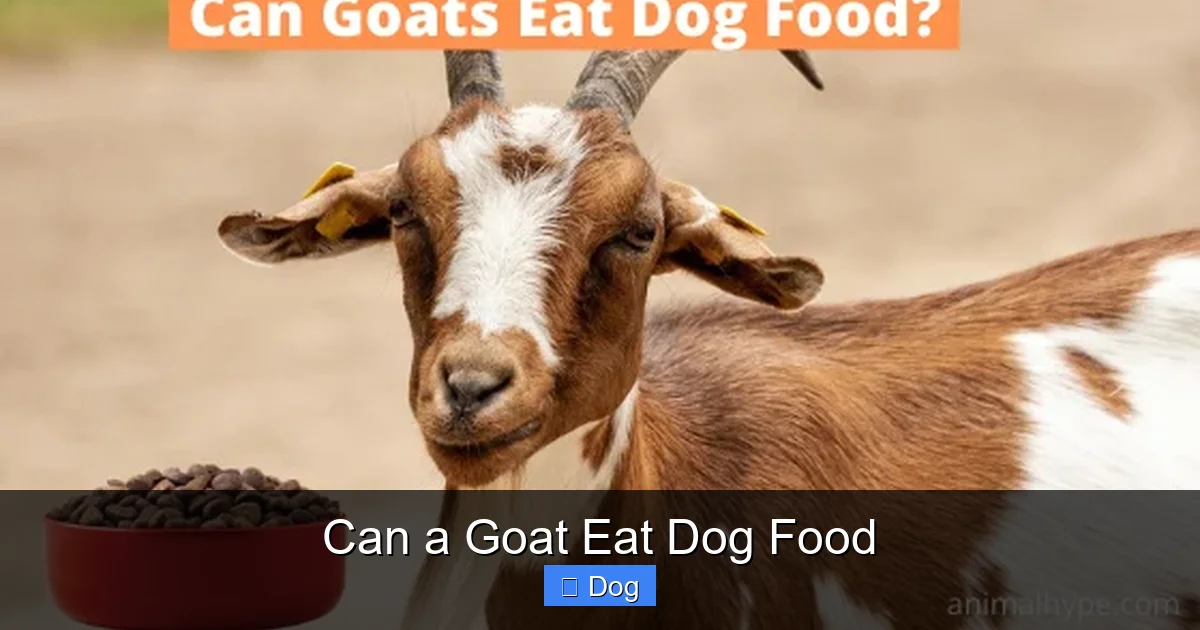
Visual guide about Can a Goat Eat Dog Food
Image source: animalhype.com
To truly understand why dog food isn’t a good choice for goats, we need to take a closer look at how their digestive systems work. Goats are ruminants, part of a group of animals that includes cows, sheep, and deer. What makes ruminants unique is their four-chambered stomach, which allows them to ferment and break down tough plant materials that other animals can’t digest.
The Rumen: The Heart of Goat Digestion
The first and largest chamber, the rumen, acts like a fermentation vat. Here, billions of microbes—bacteria, protozoa, and fungi—work together to break down cellulose in plant fibers. This process produces volatile fatty acids, which goats use as their primary energy source. For this system to function properly, goats need a steady supply of fibrous material like hay, pasture, and browse (leaves, twigs, and shrubs).
When a goat eats something that’s too rich, too starchy, or too low in fiber—like dog food—it disrupts the delicate balance of microbes in the rumen. This can lead to acidosis, a dangerous condition where the rumen becomes too acidic, killing off beneficial bacteria and causing severe digestive distress.
Why Fiber Is Non-Negotiable
Fiber isn’t just important for goats—it’s essential. A goat’s diet should consist of at least 60–70% roughage. This includes high-quality hay (like alfalfa or grass hay), fresh pasture, and browse. Fiber keeps the rumen moving, supports healthy gut bacteria, and prevents blockages.
Dog food, by contrast, is typically low in fiber and high in concentrated proteins and fats. Most commercial dog foods contain less than 5% fiber, which is far below what a goat needs. Feeding dog food to a goat is like feeding a human a diet of only candy and soda—it might taste good, but it won’t sustain them.
The Role of Minerals and Vitamins
Goats also have specific mineral requirements that differ significantly from dogs. For example, they need a higher ratio of copper to molybdenum, and too much iron can interfere with copper absorption. Many dog foods contain added iron, which can be problematic for goats.
Additionally, goats require vitamin A (from beta-carotene in plants), vitamin D (from sunlight), and vitamin E (from fresh forage). Dog food may not provide these in the right forms or amounts, leading to deficiencies over time.
What’s in Dog Food? A Closer Look at Ingredients
To understand why dog food isn’t suitable for goats, let’s break down what’s typically found in a bag of kibble. While ingredients vary by brand, most dog foods share common characteristics that make them inappropriate for goats.
High Protein and Fat Content
Dog food is formulated to meet the high energy needs of active canines. As a result, it’s often packed with animal-based proteins (like chicken, beef, or fish meal) and fats (from oils or rendered meats). While dogs thrive on this, goats do not.
Goats are not built to process large amounts of animal protein. Their livers and kidneys aren’t equipped to handle the byproducts of excessive protein metabolism, which can lead to kidney strain or even failure over time. Similarly, high-fat diets can cause pancreatitis in goats—a painful and potentially fatal inflammation of the pancreas.
Low Fiber, High Starch
Most dog foods contain grains like corn, wheat, or rice, which provide quick energy for dogs. But for goats, these starches are problematic. When starch ferments in the rumen too quickly, it produces lactic acid, lowering the pH and disrupting microbial balance. This can lead to bloat, diarrhea, or acidosis.
Even “grain-free” dog foods often use potatoes or peas as starch sources, which still don’t provide the fiber goats need. A goat’s digestive system simply isn’t designed to process these kinds of concentrated carbohydrates.
Added Supplements and Preservatives
Many dog foods include supplements like garlic powder, which is toxic to goats. Garlic contains compounds that can damage red blood cells, leading to anemia. Other preservatives, such as BHA or BHT, may also be harmful in large amounts.
Additionally, dog food often contains added salt, which can be dangerous for goats if consumed in excess. While goats do need some salt, they’re sensitive to overconsumption, which can lead to salt toxicity—symptoms include excessive thirst, vomiting, and neurological issues.
Artificial Flavors and Fillers
Some dog foods use artificial flavors, colors, or fillers to make kibble more appealing. These ingredients serve no nutritional purpose for goats and may even cause allergic reactions or digestive upset.
What Happens If a Goat Eats Dog Food?
So, what’s the real risk if your goat sneaks a few bites of dog food? The answer depends on how much they ate, how often, and their overall health.
Small Amounts: Usually Not an Emergency
If your goat accidentally eats a small amount of dog food—say, a few pieces left in a bowl—there’s no need to panic. Most goats will be fine with minimal or no symptoms. However, it’s important to monitor them closely for the next 24 to 48 hours.
Watch for signs of digestive upset, such as:
- Loss of appetite
- Diarrhea or loose stools
- Bloating or discomfort
- Lethargy or depression
- Excessive drooling or grinding teeth
These symptoms could indicate rumen upset or the beginning of acidosis. If they persist or worsen, contact your veterinarian.
Large or Repeated Ingestion: Serious Health Risks
If a goat consumes a large quantity of dog food—especially if it happens regularly—the risks increase significantly. Chronic consumption can lead to:
- Rumen acidosis: A life-threatening condition caused by rapid fermentation of starch, leading to a drop in rumen pH.
- Kidney damage: From processing excess protein and waste products.
- Pancreatitis: Inflammation of the pancreas due to high-fat intake.
- Mineral imbalances: Such as copper deficiency or iron overload.
- Toxicity: From ingredients like garlic, onions, or certain preservatives.
In severe cases, these conditions can be fatal if not treated promptly.
Real-Life Example: A Cautionary Tale
Consider the story of a hobby farmer in Oregon who left a bag of dog food open in the barn. Her two goats, curious and hungry, managed to chew through the bag and ate nearly half of it over the course of a day. Within hours, both goats became lethargic, stopped eating, and showed signs of bloat. The farmer rushed them to a vet, where they were diagnosed with acute rumen acidosis. Thanks to quick intervention—including IV fluids, probiotics, and rumen buffers—the goats recovered. But the experience was a wake-up call about the dangers of cross-feeding.
Safe Alternatives: What Should Goats Eat?
Now that we’ve established why dog food is a no-go, let’s talk about what goats *should* be eating. A balanced, species-appropriate diet is key to keeping your goat healthy, happy, and productive—whether they’re a pet, a milk producer, or a brush clearer.
High-Quality Forage: The Foundation of a Goat’s Diet
The cornerstone of any goat’s diet is forage. This includes:
- Hay: Alfalfa (for growing or lactating goats) or grass hay (like timothy or orchard grass) for maintenance.
- Pasture: Fresh grass, clover, and other plants—goats love variety!
- Browse: Leaves, twigs, and shrubs from trees and bushes (avoid toxic plants like oleander or red maple).
Goats are natural browsers, not grazers like cows. They prefer to eat from elevated surfaces and enjoy sampling different plants. Providing access to safe browse can enrich their environment and improve digestion.
Goat-Specific Pellets and Concentrates
For goats with higher energy needs—such as pregnant does, lactating goats, or growing kids—supplemental feed may be necessary. Look for pelleted goat feed that’s specifically formulated for their life stage.
These feeds are balanced with the right levels of protein (usually 12–16%), fiber, and essential minerals like calcium, phosphorus, copper, and selenium. Avoid feeds labeled for sheep or cattle, as they often contain copper levels too low for goats.
Fresh Water and Mineral Supplements
Clean, fresh water should always be available. Goats drink a lot—especially lactating does, who may consume up to 3–5 gallons per day.
Mineral supplements are also crucial. Use a loose mineral mix designed for goats, and provide it free-choice in a covered feeder to protect it from rain and pests. Avoid block minerals, which goats often ignore.
Treats in Moderation
Goats love treats, but they should be given sparingly. Safe options include:
- Small pieces of fruit (apples, bananas, pears)
- Vegetables (carrots, sweet potatoes, pumpkin)
- Goat-safe herbs (mint, oregano, parsley)
Avoid chocolate, avocado, and anything high in sugar or salt.
Preventing Accidental Ingestion: Tips for Goat Owners
Even the most careful owner can’t watch their goats 24/7. Here are some practical tips to prevent your goat from getting into dog food or other inappropriate feeds.
Store Feed Securely
Keep all pet and livestock feeds in sealed, goat-proof containers. Use bins with tight-fitting lids or store feed in locked sheds. Goats are clever and strong—they can open latches, chew through bags, and even knock over barrels.
Feed Dogs Separately
If you have both dogs and goats, feed them in separate areas. Consider feeding dogs indoors or in a fenced-off section of the yard. This reduces the chance of goats sneaking in for a snack.
Supervise Feeding Times
When feeding dogs, stay nearby to ensure your goat doesn’t wander over. If you use automatic feeders, place them in areas inaccessible to goats.
Educate Family and Visitors
Make sure everyone who visits your farm or home knows not to feed goats dog food or other inappropriate items. A simple sign near the dog’s food bowl can help: “No Goats Allowed!”
Regular Health Check-Ups
Schedule annual vet visits for your goats to monitor their health and catch any nutritional deficiencies early. Your vet can also recommend the best diet for your specific goats based on age, breed, and lifestyle.
When to Call the Vet: Warning Signs to Watch For
Even with the best prevention, accidents happen. Know the signs that your goat may have eaten something harmful and when to seek help.
Immediate Red Flags
- Severe bloat (swollen left side of abdomen)
- Difficulty breathing
- Collapse or inability to stand
- Seizures or tremors
- No droppings for 24+ hours
These are emergencies—call your vet immediately.
Moderate Concerns
- Mild diarrhea or soft stools
- Reduced appetite for more than a day
- Lethargy or depression
- Excessive drooling or teeth grinding
Monitor closely and contact your vet if symptoms don’t improve within 24 hours.
Preventive Care Is Key
The best way to handle a crisis is to avoid it altogether. By feeding your goat a proper diet and keeping harmful foods out of reach, you’ll save yourself—and your goat—a lot of stress and expense.
Conclusion: Keep Your Goat Happy and Healthy
So, can a goat eat dog food? Technically, yes—but it’s not safe, healthy, or recommended. While a small accidental taste won’t likely cause harm, regular or large consumption can lead to serious digestive, metabolic, and toxic issues. Goats have unique nutritional needs that dog food simply can’t meet.
Instead, focus on providing a diet rich in high-quality forage, species-appropriate pellets, fresh water, and mineral supplements. Keep dog food and other inappropriate feeds securely stored, and always supervise feeding times if you have multiple animals.
Your goat depends on you for proper care. By understanding their dietary needs and avoiding common mistakes, you’ll ensure they live a long, healthy, and happy life. After all, a well-fed goat is a joyful goat—and that’s something worth protecting.
Frequently Asked Questions
Can a goat eat dog food in an emergency?
While a small amount of dog food won’t immediately harm a goat, it should never be used as a substitute for proper goat feed. In emergencies, offer hay, water, and a small amount of goat pellets instead.
What should I do if my goat eats a lot of dog food?
Monitor your goat closely for signs of digestive upset, bloat, or lethargy. If symptoms appear or worsen, contact your veterinarian immediately for advice and possible treatment.
Is wet dog food safer for goats than dry kibble?
No, wet dog food is not safer. It often contains even higher levels of fat, salt, and preservatives, which can be more harmful to goats than dry kibble.
Can baby goats eat dog food?
No, kid goats (babies) have even more sensitive digestive systems than adults. Feeding them dog food can disrupt rumen development and lead to serious health problems.
Are there any dog foods that are safe for goats?
No dog food is formulated for goats, and even “natural” or “organic” brands can contain ingredients harmful to them. Always choose goat-specific feeds.
How can I stop my goat from eating dog food?
Store dog food in sealed, goat-proof containers, feed dogs in separate areas, and supervise feeding times. Training and environmental management are key to preventing access.