

Kittens should never eat dog food regularly. While a tiny nibble won’t harm them, dog food lacks essential nutrients like taurine and protein levels kittens need to thrive. Feeding dog food long-term can lead to serious health problems, including vision loss and heart disease.
Key Takeaways
- Kittens have unique nutritional needs: They require higher protein, fat, and specific amino acids like taurine that dog food doesn’t provide in sufficient amounts.
- Dog food lacks taurine: This essential amino acid is critical for kitten vision, heart function, and immune health—deficiency can cause irreversible damage.
- Short-term exposure is low risk: A small taste or accidental ingestion won’t harm your kitten, but it shouldn’t become a habit.
- Long-term feeding is dangerous: Regularly feeding dog food to kittens can result in malnutrition, stunted growth, and life-threatening conditions.
- Choose kitten-specific food: Always opt for high-quality kitten-formulated wet or dry food that meets AAFCO standards for growth.
- Monitor multi-pet households: Keep dog and cat food separated to prevent kittens from sneaking bites of dog food.
- Consult your vet if unsure: If your kitten accidentally eats dog food frequently or shows signs of illness, seek professional advice immediately.
📑 Table of Contents
- Can a Kitten Eat Dog Food? The Short Answer
- Why Kittens Have Different Nutritional Needs
- The Risks of Feeding Dog Food to Kittens
- What to Do If Your Kitten Eats Dog Food
- Choosing the Right Food for Your Kitten
- Preventing Accidental Dog Food Consumption
- When to Consult a Veterinarian
- Conclusion: Prioritize Your Kitten’s Health
Can a Kitten Eat Dog Food? The Short Answer
So, can a kitten eat dog food? The quick answer is: technically yes, but it’s not safe or recommended. While a curious kitten might sneak a bite of your dog’s kibble, especially in a multi-pet home, that doesn’t mean it’s good for them. In fact, feeding dog food to kittens—even occasionally—can lead to serious health issues over time.
Kittens are not small dogs. Their bodies are built differently, and their nutritional needs are far more demanding during their first year of life. They’re growing rapidly, developing strong bones, sharp senses, and a healthy immune system. To support this intense growth, they need a diet rich in specific nutrients that dog food simply doesn’t offer in the right balance. Think of it like trying to fuel a high-performance sports car with regular gasoline—it might run for a bit, but eventually, it’ll break down.
Why Kittens Have Different Nutritional Needs
To understand why dog food isn’t suitable for kittens, we need to look at what makes kitten nutrition so unique. Kittens are obligate carnivores, which means their bodies are designed to thrive on animal-based proteins and fats. Unlike dogs, who are omnivores and can digest plant matter more efficiently, kittens rely almost entirely on meat to meet their energy and growth needs.
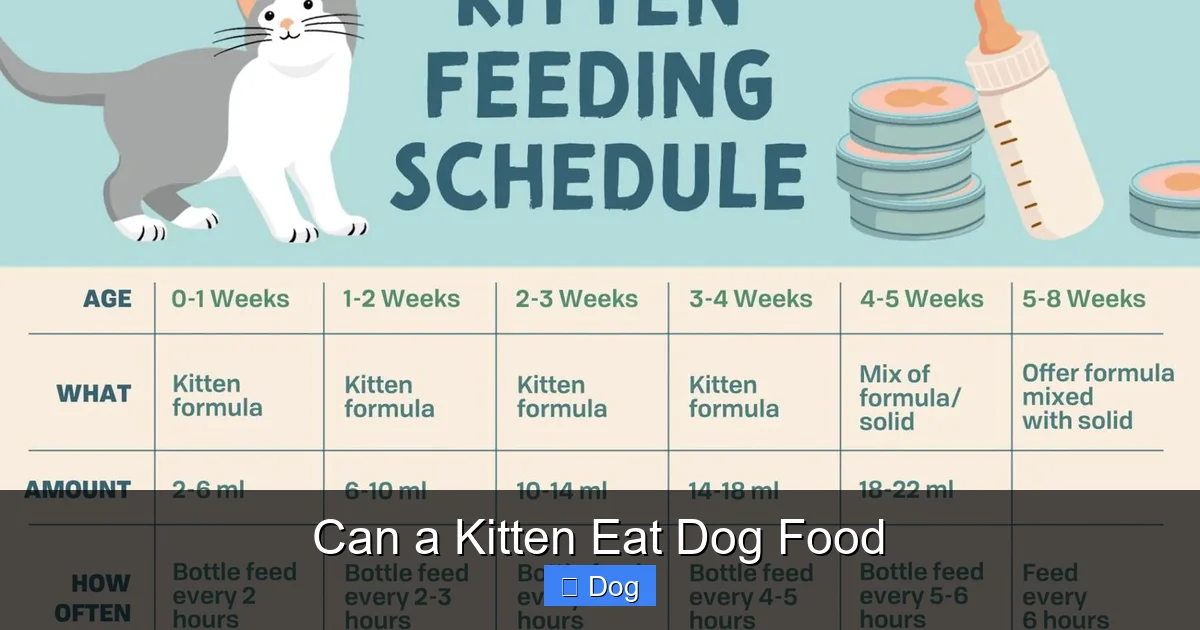
Visual guide about Can a Kitten Eat Dog Food
Image source: dailypaws.com
Higher Protein and Fat Requirements
Kittens need about 30–40% protein in their diet, compared to the 18–25% typically found in adult dog food. This high protein intake supports muscle development, organ function, and overall growth. Additionally, kittens require more dietary fat—around 20% or higher—to fuel their active lifestyles and brain development. Dog food usually contains lower fat levels, which aren’t enough to sustain a growing kitten’s energy demands.
Essential Amino Acids: The Taurine Factor
One of the most critical differences lies in amino acids, the building blocks of protein. Kittens need certain amino acids that their bodies cannot produce on their own. The most important of these is taurine. Taurine is vital for healthy vision, heart function, immune response, and reproductive health. Without enough taurine, kittens can develop blindness, heart disease (like dilated cardiomyopathy), and weakened immunity.
Dog food often contains little to no added taurine because dogs can synthesize it from other amino acids. But cats—especially kittens—cannot. That’s why all quality kitten foods are fortified with taurine. Feeding your kitten dog food long-term could lead to a dangerous deficiency, even if they seem fine at first.
Vitamins and Minerals: Not One-Size-Fits-All
Kittens also need higher levels of certain vitamins and minerals. For example, they require more vitamin A, which must come pre-formed from animal sources (like liver), since they can’t convert plant-based beta-carotene like dogs can. They also need more calcium and phosphorus for strong bones and teeth, and arachidonic acid—a fatty acid found only in animal tissues—that supports skin, coat, and kidney health.
Dog food is formulated with adult dogs in mind, so it doesn’t include these elevated levels. Feeding it to a kitten is like giving a growing child a senior citizen’s diet—technically edible, but nutritionally inadequate.
The Risks of Feeding Dog Food to Kittens
Now that we know what kittens need, let’s talk about what happens when they don’t get it. While a single bite of dog food won’t send your kitten to the emergency room, repeated or long-term exposure can lead to serious consequences.
Malnutrition and Stunted Growth
Kittens grow incredibly fast—up to 10 times their birth weight in the first year. This explosive growth requires a constant supply of high-quality nutrients. If they’re eating dog food instead of kitten food, they’re missing out on the protein, fat, and calories they need. Over time, this can result in stunted growth, low energy, and weakened muscles.
Imagine trying to build a house with the wrong materials. The structure might stand, but it won’t be strong or safe. The same goes for a kitten’s body. Without the right nutrients, their bones, organs, and immune system won’t develop properly.
Taurine Deficiency: A Silent Threat
Taurine deficiency is one of the most dangerous risks of feeding dog food to kittens. It can take weeks or even months for symptoms to appear, which makes it easy to miss until it’s too late. Early signs include lethargy, poor appetite, and dull coat. As the deficiency worsens, kittens may develop:
- Vision problems: Taurine is essential for retinal health. A deficiency can lead to retinal degeneration and permanent blindness.
- Heart disease: Dilated cardiomyopathy (DCM) is a serious condition where the heart muscle weakens and can’t pump blood effectively. It’s life-threatening and often irreversible.
- Weakened immune system: Without taurine, kittens are more prone to infections and slower to heal from injuries.
These conditions are preventable with proper nutrition, but once damage occurs, it’s often permanent. That’s why it’s so important to feed your kitten a diet designed specifically for their needs.
Digestive Upset and Allergies
Dog food often contains different ingredients than cat food, including more grains, fillers, and plant-based proteins. Kittens have sensitive digestive systems, and sudden changes in diet—or inappropriate ingredients—can cause vomiting, diarrhea, or constipation.
Additionally, some dogs are fed diets with ingredients that are safe for them but potentially harmful to cats. For example, certain dog foods contain onions or garlic powder as flavor enhancers. These are toxic to cats and can cause anemia even in small amounts.
Behavioral and Developmental Issues
Nutrition affects more than just physical health—it impacts behavior and brain development too. Kittens fed an inadequate diet may be more irritable, less playful, or have trouble learning basic behaviors. Proper nutrition supports cognitive function, so a lack of key nutrients can hinder their ability to adapt, explore, and bond with their environment.
What to Do If Your Kitten Eats Dog Food
Accidents happen. Maybe your kitten sneaked into the dog’s bowl while you were distracted, or you ran out of kitten food and gave them a few pieces of dog kibble as a temporary fix. Don’t panic—here’s what to do.
Single Incident: Monitor and Move On
If your kitten ate a small amount of dog food once, there’s no need to rush to the vet. Watch for any signs of digestive upset, such as vomiting or diarrhea, but otherwise, just return to their regular kitten food. One-time exposure is unlikely to cause harm.
Repeated Exposure: Take Action
If your kitten has been eating dog food regularly—even in small amounts—it’s time to make changes. Start by separating feeding areas. Feed your dog and kitten at different times and in different rooms. Use baby gates or pet barriers if needed. This prevents sneaky snacking and ensures your kitten gets the nutrition they need.
Also, check your kitten for any signs of deficiency, such as:
- Dull or matted fur
- Lethargy or weakness
- Poor appetite
- Cloudy eyes or vision issues
- Rapid breathing or heart murmur
If you notice any of these symptoms, contact your veterinarian right away. Early intervention can prevent long-term damage.
Switching Back to Kitten Food
If your kitten has been on dog food for a while, don’t switch back to kitten food abruptly. Sudden diet changes can upset their stomach. Instead, transition gradually over 7–10 days:
- Days 1–2: 75% dog food, 25% kitten food
- Days 3–4: 50% dog food, 50% kitten food
- Days 5–6: 25% dog food, 75% kitten food
- Day 7+: 100% kitten food
This slow transition helps their digestive system adjust and reduces the risk of diarrhea or vomiting.
Choosing the Right Food for Your Kitten
Now that we’ve covered why dog food is a no-go, let’s talk about what your kitten should be eating. The best diet for a kitten is one that’s specifically formulated for growth and meets the standards set by the Association of American Feed Control Officials (AAFCO).
Look for “Complete and Balanced” Labels
Always check the packaging. A high-quality kitten food will say something like “formulated to meet the nutritional levels established by the AAFCO Cat Food Nutrient Profiles for Growth.” This means it has been tested and proven to support healthy development.
Wet vs. Dry Food: Which Is Better?
Both wet and dry kitten foods can be part of a healthy diet. Wet food has higher moisture content, which helps with hydration—especially important since cats don’t always drink enough water. It’s also more palatable and easier for young kittens to eat.
Dry food is convenient, cost-effective, and can help with dental health by reducing plaque buildup. Many owners choose to feed a combination: wet food for meals and dry food for free-feeding or as treats.
Just make sure whichever you choose is labeled for kittens, not adult cats or all-life-stages (unless specified for growth).
Top Ingredients to Look For
A great kitten food will list a high-quality animal protein as the first ingredient—such as chicken, turkey, or fish. Avoid foods with vague terms like “meat by-products” or “animal digest.” Also, look for added taurine, DHA (for brain development), and omega-3 fatty acids.
Here’s an example of a healthy ingredient list:
- Deboned chicken
- Chicken meal
- Brown rice
- Peas
- Fish oil (source of DHA)
- Natural flavor
- Added taurine
- Vitamins and minerals
Avoid foods with excessive fillers like corn, soy, or artificial preservatives (BHA, BHT).
Feeding Schedule and Portion Control
Kittens have small stomachs but big appetites. They should be fed 3–4 small meals per day until about 6 months of age, then 2–3 meals daily. Follow the feeding guidelines on the package, but adjust based on your kitten’s weight, activity level, and growth.
Overfeeding can lead to obesity, which brings its own set of health problems. Underfeeding can stunt growth. Regular weigh-ins and vet checkups help ensure your kitten is on track.
Preventing Accidental Dog Food Consumption
In homes with both dogs and cats, it’s common for kittens to be curious about the dog’s food. Here are some practical tips to keep them safe:
Separate Feeding Areas
Feed your pets in different rooms. Close the door while your dog eats, and only let your kitten in afterward. This simple step can prevent 90% of accidental snacking.
Use Elevated Bowls or Pet Gates
Some cats prefer eating at height. Consider using an elevated feeding station or a pet gate that allows your cat to enter but keeps the dog out. There are also “cat-only” feeders that use microchips or collars to open only for your cat.
Feed at Different Times
If space is limited, try feeding your dog first, then remove the bowl before giving your kitten their meal. This reduces temptation and ensures your kitten isn’t distracted or rushed.
Supervise Meal Times
Especially with young kittens, it’s wise to supervise feeding times until you’re confident they won’t wander over to the dog’s bowl. A little vigilance goes a long way.
Store Food Properly
Keep dry dog and cat food in sealed containers and out of reach. Kittens are agile and curious—they might climb onto counters or knock over bags if given the chance.
When to Consult a Veterinarian
Even with the best care, accidents happen. If your kitten has eaten dog food repeatedly or shows any signs of illness, it’s time to call the vet. Early intervention can prevent serious complications.
Signs that warrant a vet visit include:
- Persistent vomiting or diarrhea
- Lethargy or weakness
- Loss of appetite for more than 24 hours
- Difficulty breathing or rapid heartbeat
- Changes in vision or eye appearance
- Unusual behavior or seizures
Your vet may recommend blood tests to check for taurine levels, organ function, or signs of infection. They might also suggest a special diet or supplements to support recovery.
Regular wellness exams are also important. Kittens should see the vet every 3–4 weeks until they’re about 16 weeks old for vaccinations, deworming, and growth monitoring. These visits are a great opportunity to discuss nutrition and get personalized advice.
Conclusion: Prioritize Your Kitten’s Health
So, can a kitten eat dog food? The answer is clear: while a tiny taste won’t cause immediate harm, dog food is not safe or appropriate for kittens. Their bodies need a specialized diet rich in animal protein, taurine, and other key nutrients to grow strong and healthy. Feeding them dog food—even occasionally—puts them at risk for malnutrition, vision loss, heart disease, and developmental delays.
The good news? It’s easy to do better. By choosing high-quality kitten food, separating feeding areas, and staying alert to your kitten’s needs, you can give them the best possible start in life. Remember, your kitten depends on you for everything—including proper nutrition. A little knowledge and preparation go a long way in keeping them happy, healthy, and thriving.
When in doubt, always consult your veterinarian. They’re your best resource for ensuring your kitten gets the care and diet they deserve. After all, a well-fed kitten is a joyful, energetic companion who will bring love and laughter to your home for years to come.
Frequently Asked Questions
Can a kitten eat dog food in an emergency?
In a true emergency where no kitten food is available, a small amount of dog food is unlikely to cause immediate harm. However, it should only be a last resort and replaced with proper kitten food as soon as possible.
How long can a kitten safely eat dog food?
A kitten should not eat dog food for more than a day or two at most. Prolonged feeding can lead to nutritional deficiencies and serious health problems.
Will my kitten get sick from eating dog food once?
No, a single incident of eating dog food is unlikely to make your kitten sick. Monitor for digestive upset, but no treatment is usually needed.
Can adult cats eat dog food?
No, adult cats also require taurine and other nutrients not found in dog food. While less critical than for kittens, long-term feeding can still cause health issues.
What should I do if my kitten ate a lot of dog food?
If your kitten consumed a large amount, watch for vomiting, diarrhea, or lethargy. Contact your vet if symptoms persist or worsen.
Is there any dog food safe for kittens?
No dog food is formulated to meet a kitten’s nutritional needs. Even “puppy” food lacks essential nutrients like taurine and higher protein levels required for kittens.