

While dog food may keep a person alive in extreme survival situations, it is not nutritionally adequate or safe for long-term human consumption. Dogs have different dietary needs than humans, and prolonged reliance on pet food can lead to serious health complications.
Key Takeaways
- Dog food lacks essential nutrients for humans: It doesn’t contain adequate fiber, vitamin C, and certain B vitamins needed for human health.
- High in protein and fat: Dog food is formulated for active canines, which can strain human kidneys and digestive systems over time.
- Not regulated for human consumption: Pet food standards differ from human food, increasing risks of contamination and unsafe ingredients.
- Short-term survival only: In emergencies, dog food might prevent starvation, but it should never replace a balanced human diet.
- Digestive discomfort is common: Humans often experience bloating, gas, and diarrhea when eating dog food due to unfamiliar ingredients.
- Ethical and psychological concerns: Relying on pet food can indicate food insecurity and should prompt seeking community or government assistance.
- Safer alternatives exist: Canned beans, rice, peanut butter, and emergency rations are far better options for human survival.
📑 Table of Contents
- Can a Person Survive on Dog Food? The Surprising Truth
- What’s Really in Dog Food?
- Human vs. Canine Nutritional Needs
- Short-Term Survival: When Dog Food Might Be an Option
- Health Risks of Eating Dog Food Long-Term
- Ethical and Social Considerations
- Better Alternatives for Survival and Food Security
- Conclusion: Dog Food Is for Dogs
Can a Person Survive on Dog Food? The Surprising Truth
Imagine you’re stranded in the wilderness after a hiking mishap. Your backpack is light, and your food supply has run out. You spot a half-empty bag of dog food left behind by another camper. It’s dry, crunchy, and smells… edible. Could you eat it to survive? It’s a question that sounds absurd—but it’s one that has been asked more often than you might think.
The short answer? Yes, a person *can* survive on dog food—but only in the most extreme, short-term survival scenarios. And even then, it’s far from ideal. While dog food won’t immediately poison you (unless it’s spoiled or contains toxic additives), it’s not designed for human biology. Our bodies need a specific balance of nutrients that dog food simply doesn’t provide. Over time, relying on pet food can lead to malnutrition, digestive distress, and long-term health problems.
This article dives deep into the science, safety, and ethics of eating dog food as a human. We’ll explore what’s actually in dog food, how it compares to human dietary needs, and why it should never be considered a sustainable food source. Whether you’re curious about survival tactics, concerned about food insecurity, or just morbidly fascinated, you’ll walk away with a clear understanding of why dog food belongs in the pet bowl—not on your dinner plate.
What’s Really in Dog Food?
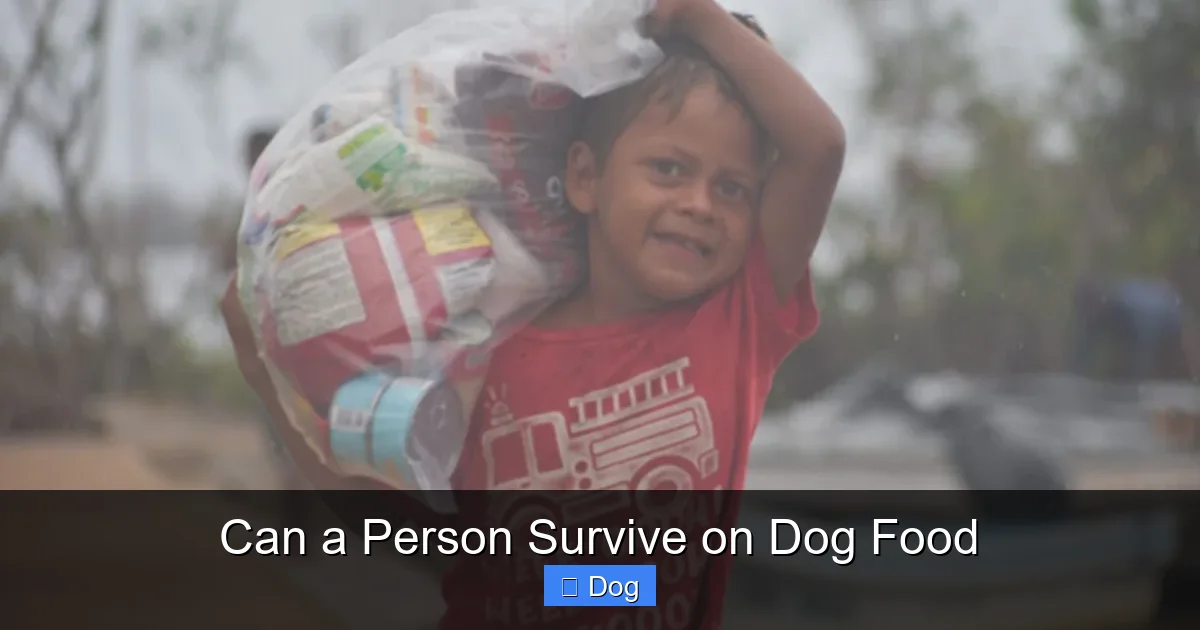
Visual guide about Can a Person Survive on Dog Food
Image source: worldhelp.net
To understand whether humans can survive on dog food, we first need to know what’s inside those kibble bags and canned meals. Dog food is formulated to meet the nutritional needs of canines, which differ significantly from those of humans. Let’s break it down.
Protein Sources
Most dog foods list meat as the first ingredient—chicken, beef, lamb, or fish. However, these are often rendered or by-products, meaning they may include parts not typically consumed by humans, such as organs, bones, and connective tissue. While dogs thrive on high-protein diets, humans also need protein—but in different proportions and forms. Excess protein over time can strain the kidneys, especially in people with pre-existing conditions.
Carbohydrates and Fillers
Unlike humans, dogs don’t require large amounts of carbohydrates. Yet many commercial dog foods include grains like corn, wheat, and rice as fillers to bulk up the kibble and reduce costs. These ingredients provide energy but lack the complex carbohydrates and fiber humans need for sustained energy and digestive health. Over time, a diet low in fiber can lead to constipation, bloating, and poor gut health.
Fats and Oils
Dog food often contains animal fats and plant-based oils to support a shiny coat and high energy levels. While fats are essential for both species, dogs can process higher fat levels more efficiently than humans. A human eating dog food regularly might consume more saturated fat than recommended, increasing the risk of heart disease and cholesterol issues.
Vitamins and Minerals
Dog food is fortified with vitamins and minerals, but the types and amounts are tailored to canine needs. For example, dogs can synthesize vitamin C internally, so it’s rarely added to their food. Humans, however, cannot—we must get vitamin C from our diet. A deficiency can lead to scurvy, a disease marked by fatigue, gum disease, and joint pain. Similarly, dog food may lack sufficient levels of certain B vitamins, like folate and B12, which are crucial for human brain function and red blood cell production.
Additives and Preservatives
Many dog foods contain preservatives like BHA, BHT, and ethoxyquin to extend shelf life. While approved for pets, some of these chemicals are controversial and have been linked to health concerns in humans, including potential carcinogenic effects. Additionally, artificial flavors and colors are sometimes used to make the food more appealing to dogs—but they offer no nutritional benefit to humans.
Human vs. Canine Nutritional Needs
The core reason dog food isn’t suitable for long-term human consumption lies in the fundamental differences between human and canine biology. While both species are omnivores to some degree, our digestive systems, metabolic rates, and nutritional requirements are not interchangeable.
Digestive System Differences
Dogs have shorter digestive tracts optimized for processing meat and breaking down raw food quickly. Humans, on the other hand, have longer intestines designed to digest a wide variety of plant-based foods, including complex carbohydrates and fiber. When humans eat dog food, the high protein and fat content can overwhelm the digestive system, leading to discomfort, gas, and diarrhea.
Caloric and Macronutrient Balance
Dog food is calorie-dense, often containing 300–400 calories per cup. While this works for active dogs, it can lead to excessive calorie intake in less active humans, potentially causing weight gain. Moreover, the macronutrient ratio—typically high in protein and fat, low in carbohydrates—doesn’t align with human dietary guidelines. The World Health Organization recommends that carbohydrates make up 45–65% of daily caloric intake for humans, a balance rarely found in dog food.
Essential Nutrients Humans Need (That Dog Food Lacks)
Let’s look at some key nutrients humans require that dog food doesn’t adequately provide:
– Vitamin C: As mentioned, humans can’t produce this antioxidant. Without it, we risk scurvy. Dog food contains little to no vitamin C.
– Fiber: Essential for digestion and gut health, fiber is scarce in most dog foods. A lack of fiber can lead to constipation and increase the risk of colorectal diseases.
– Omega-3 Fatty Acids (in proper ratios): While some dog foods include fish oil, the balance of omega-3 to omega-6 fatty acids may not support human brain and heart health.
– Calcium and Vitamin D: These are vital for bone health in humans. Dog food may contain calcium, but often in forms less bioavailable to humans, and vitamin D levels may be insufficient.
Hydration Concerns
Dry dog food contains only about 10% moisture, while canned versions range from 70–80%. Humans, however, need much more water in their diet. Relying on dry kibble without adequate water intake can lead to dehydration, especially in hot climates or during physical activity. Dogs are more tolerant of low-moisture diets, but humans are not.
Short-Term Survival: When Dog Food Might Be an Option
Now, let’s address the elephant in the room: in a true survival situation—say, lost in the woods with no food—could dog food keep you alive? The answer is a cautious “yes,” but with major caveats.
Emergency Rations in Extreme Cases
If you’re facing starvation and dog food is the only available option, eating it is better than dying of hunger. In such cases, the body will use the calories and protein to sustain basic functions. However, this should be a last resort, not a strategy.
How to Make It Safer (If You Must)
If you find yourself in this situation, here are a few tips to reduce risks:
– Choose high-quality dog food: Look for brands with whole meat as the first ingredient and minimal fillers. Avoid foods with artificial colors or preservatives.
– Prefer canned over dry: Canned dog food has more moisture, which helps with hydration.
– Eat small portions: Start with a few bites to test your tolerance. Watch for signs of nausea, vomiting, or allergic reactions.
– Drink plenty of water: Especially if eating dry kibble, hydration is critical to prevent kidney strain and aid digestion.
– Supplement when possible: If you have access to wild plants, berries, or insects, incorporate them to add fiber, vitamins, and variety.
Real-Life Examples
There are documented cases of people surviving on dog food in extreme circumstances. For instance, during natural disasters or economic crises, some individuals have resorted to eating pet food when human food was unavailable. In 2011, after the earthquake and tsunami in Japan, reports surfaced of people consuming dog food due to food shortages. While these individuals survived, many reported gastrointestinal issues and long-term health concerns.
Health Risks of Eating Dog Food Long-Term
While dog food might keep you alive for a few days, relying on it as a primary food source is dangerous. Here’s what can happen if you make it a habit.
Malnutrition and Deficiency Diseases
Without a balanced intake of vitamins and minerals, your body will begin to break down. Vitamin C deficiency can lead to scurvy, characterized by bleeding gums, bruising, and fatigue. Lack of B vitamins may cause anemia, nerve damage, and cognitive decline. Over time, malnutrition weakens the immune system, making you more susceptible to infections.
Digestive Problems
Many people who try dog food report bloating, gas, stomach cramps, and diarrhea. This is due to the high fat content, unfamiliar proteins, and lack of fiber. The human gut microbiome is adapted to process a diverse diet, and sudden shifts can disrupt digestion.
Kidney and Liver Strain
High-protein diets can be hard on the kidneys, especially in people with undiagnosed kidney issues. The liver may also struggle to process excess fats and additives. Over time, this can lead to kidney stones, liver inflammation, or even organ failure.
Exposure to Contaminants
Pet food is not held to the same safety standards as human food. It may contain higher levels of bacteria like Salmonella or E. coli, which are more dangerous to humans. Additionally, some dog foods include ingredients banned in human food, such as certain animal by-products or chemical preservatives.
Psychological and Social Impact
Beyond physical health, relying on dog food can take a toll on mental well-being. It may signal food insecurity, shame, or desperation. In social settings, it can lead to isolation or stigma. If someone is regularly eating pet food, it’s a red flag that they may need support from food banks, government programs, or community services.
Ethical and Social Considerations
The idea of humans eating dog food raises important ethical questions—especially in the context of food inequality and animal welfare.
Food Insecurity and Human Dignity
When people turn to dog food, it often reflects a failure of social safety nets. In wealthy nations, no one should have to choose between pet food and starvation. Governments and communities must ensure access to affordable, nutritious food for all. Programs like SNAP (Supplemental Nutrition Assistance Program) in the U.S. or food banks can provide emergency support.
Animal Welfare Concerns
Some argue that using dog food for human consumption could increase demand for pet food production, potentially diverting resources from animal welfare. However, this is a complex issue. The real solution lies in improving food systems, not repurposing pet food.
The Role of Misinformation
Online forums and survival blogs sometimes promote dog food as a “budget human meal” or “emergency ration.” This is misleading and potentially harmful. While it’s true that dog food has calories, it’s not a substitute for real food. Spreading accurate information is crucial to prevent unnecessary health risks.
Better Alternatives for Survival and Food Security
If you’re preparing for emergencies or facing food shortages, there are far better options than dog food.
Human Emergency Rations
Invest in survival food kits designed for humans. These include freeze-dried meals, energy bars, and long-shelf-life items like canned beans, tuna, and peanut butter. They’re nutritionally balanced, safe, and easy to prepare.
Pantry Staples
Stock up on affordable, nutritious foods:
– Rice and pasta: Cheap, filling, and versatile.
– Canned vegetables and fruits: Provide vitamins and fiber.
– Dried beans and lentils: High in protein and fiber.
– Peanut butter: A calorie-dense source of healthy fats and protein.
Community Resources
If you’re struggling to afford food, reach out to local food banks, churches, or government assistance programs. Many communities offer free meals or grocery vouchers. You’re not alone—help is available.
Foraging and Wild Foods
In survival situations, learning to identify edible plants, berries, and insects can supplement your diet. Always research thoroughly to avoid poisonous species.
Conclusion: Dog Food Is for Dogs
So, can a person survive on dog food? Technically, yes—but only in the most dire, short-term emergencies. It’s not nutritious, not safe for long-term use, and certainly not enjoyable. Our bodies are designed for a diverse, balanced diet rich in fruits, vegetables, whole grains, and lean proteins. Dog food, no matter how high-quality, simply doesn’t meet those needs.
While it’s tempting to think of dog food as a “fallback” option, it’s important to remember that humans have better choices. Whether you’re prepping for a disaster or facing food insecurity, there are safer, healthier, and more dignified alternatives. And if you ever find yourself considering dog food out of desperation, it’s a sign to seek help—not to compromise your health.
At the end of the day, dog food belongs in the bowl next to your pup’s water dish. Your body—and your taste buds—will thank you.
Frequently Asked Questions
Can eating dog food make you sick?
Yes, eating dog food can cause digestive issues like nausea, diarrhea, and bloating due to its high fat and protein content and lack of fiber. In rare cases, contamination with bacteria like Salmonella can lead to food poisoning.
Is it safe to eat dog food in an emergency?
In extreme survival situations with no other food available, dog food may prevent starvation. However, it should only be consumed in small amounts and for a very short time due to nutritional deficiencies and health risks.
Does dog food have enough calories for humans?
Yes, dog food is calorie-dense and can provide energy. But the macronutrient balance—high in fat and protein, low in carbs and fiber—is not ideal for human metabolism and can lead to long-term health problems.
Can you get scurvy from eating only dog food?
Yes, because dog food lacks vitamin C, which humans cannot produce on their own. A prolonged diet of dog food without vitamin C sources can lead to scurvy, a disease causing fatigue, gum disease, and joint pain.
Are there any dog foods safe for humans to eat?
No dog food is officially approved or formulated for human consumption. While some high-end brands use human-grade ingredients, they still lack essential nutrients like fiber and vitamin C needed for human health.
What should I do if I can’t afford human food?
Reach out to local food banks, government assistance programs like SNAP, or community meal services. These resources provide free or low-cost nutritious food and support for individuals facing food insecurity.