

Feeding adult dog food to puppies can lead to diarrhea and other digestive issues because their nutritional needs are different. Puppies require more protein, fat, and calories to support rapid growth, and adult formulas often lack these essentials. Always choose age-appropriate food to keep your puppy healthy and happy.
Key Takeaways
- Puppies have unique nutritional needs: They require higher levels of protein, fat, calories, and certain vitamins and minerals to support their rapid growth and development.
- Adult dog food lacks key nutrients for puppies: It’s formulated for maintenance, not growth, so it may not provide enough energy or essential building blocks for young dogs.
- Digestive upset is common when switching foods: Sudden changes, especially to less digestible or lower-fat formulas, can trigger diarrhea, gas, and stomach pain.
- Diarrhea can lead to dehydration and malnutrition: Puppies are more vulnerable to fluid loss and nutrient deficiencies, making prompt care essential.
- Always transition foods gradually: Whether switching between puppy foods or brands, a slow 7–10 day transition helps prevent digestive issues.
- Consult your vet if diarrhea persists: While mild cases may resolve on their own, ongoing diarrhea could signal allergies, infections, or other health problems.
- Choose high-quality puppy-specific food: Look for AAFCO-approved formulas labeled for “growth” or “all life stages” to ensure balanced nutrition.
📑 Table of Contents
Can Adult Dog Food Give Puppies Diarrhea?
Bringing a puppy home is one of the most joyful experiences a pet parent can have. Their tiny paws, wagging tails, and curious eyes melt hearts instantly. But with that joy comes responsibility—especially when it comes to feeding. One common question new dog owners ask is: *Can adult dog food give puppies diarrhea?* The short answer is yes—it can. While it might seem harmless to feed your puppy the same kibble your adult dog eats, doing so can lead to digestive upset, including diarrhea, and even long-term health issues.
Puppies are not just small versions of adult dogs. Their bodies are in a constant state of growth and development. From their bones and muscles to their brains and immune systems, everything is expanding rapidly. This means their nutritional needs are significantly different—and more demanding—than those of adult dogs. Adult dog food is designed to maintain a healthy weight and support daily activity, not fuel explosive growth. When puppies eat adult food, they may not get enough calories, protein, or essential fats. Over time, this can lead to poor development, weakened immunity, and yes, gastrointestinal problems like diarrhea.
But it’s not just about missing nutrients. The ingredients and formulation of adult dog food can also be harder for a puppy’s immature digestive system to process. Puppies have shorter digestive tracts and less developed gut enzymes, making them more sensitive to changes in diet. Introducing adult food—especially if done abruptly—can disrupt the balance of good bacteria in their gut, leading to loose stools, gas, and discomfort. In this article, we’ll explore why adult dog food isn’t suitable for puppies, how it can cause diarrhea, and what you should feed instead to keep your furry friend healthy and thriving.
Why Puppies Have Different Nutritional Needs
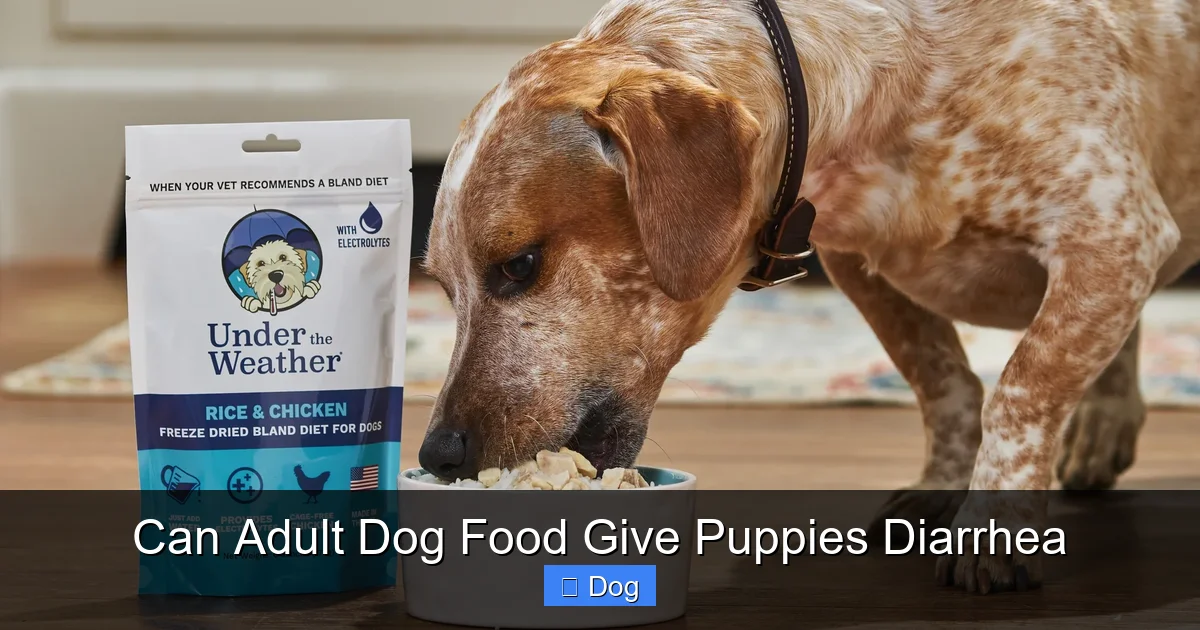
Visual guide about Can Adult Dog Food Give Puppies Diarrhea
Image source: undertheweatherpet.com
To understand why adult dog food can cause diarrhea in puppies, it’s important to first grasp how dramatically different their nutritional requirements are. Think of a puppy like a toddler—constantly growing, learning, and burning energy. They need fuel that supports not just movement, but the formation of new cells, tissues, and organs.
Higher Caloric Needs
Puppies need significantly more calories per pound of body weight than adult dogs. According to the Association of American Feed Control Officials (AAFCO), growing puppies require about twice as many calories as adult dogs of the same breed. This is because they’re building muscle, developing bones, and maturing their nervous systems—all energy-intensive processes. Adult dog food simply doesn’t pack enough calories to meet these demands. When a puppy doesn’t get enough energy, their body may break down muscle tissue for fuel, leading to weakness and poor growth.
Increased Protein and Fat Requirements
Protein is the building block of life, and puppies need a lot of it. High-quality puppy food typically contains 22–32% protein, compared to 18–25% in adult formulas. This extra protein supports muscle development, organ function, and immune health. Similarly, fat provides concentrated energy and helps absorb fat-soluble vitamins like A, D, E, and K. Puppies need about 8–20% fat in their diet, while adult dogs usually thrive on 5–15%. Adult dog food often has lower fat content, which can leave puppies feeling sluggish and undernourished.
Essential Vitamins and Minerals
Calcium and phosphorus are especially critical for puppies. These minerals support bone and teeth development, and imbalances can lead to skeletal problems like rickets or joint disorders. Puppy food is carefully formulated to provide the right ratio of calcium to phosphorus (ideally around 1.2:1). Adult dog food may not offer enough calcium or could have an improper ratio, which can affect bone growth and, indirectly, digestive health. Other important nutrients include DHA (an omega-3 fatty acid) for brain development, and iron for healthy blood cells.
Digestive System Immaturity
A puppy’s digestive system is still developing. Their stomach produces fewer digestive enzymes, and their gut lining is more permeable, making them more sensitive to dietary changes. Foods that are easy for adult dogs to digest—like certain grains or lower-fat proteins—can be harder for puppies to break down. This can lead to incomplete digestion, fermentation in the gut, and diarrhea. Additionally, puppies have a shorter transit time for food, meaning it moves through their system faster. If the food isn’t nutrient-dense enough, they may not absorb what they need before it’s eliminated.
How Adult Dog Food Can Cause Diarrhea in Puppies
Now that we know puppies have unique nutritional needs, let’s explore how feeding them adult dog food can directly lead to diarrhea. It’s not just about what’s missing—it’s also about how their bodies react to the wrong kind of fuel.
Lower Fat and Protein Content
As mentioned earlier, adult dog food typically contains less fat and protein than puppy food. While this helps prevent obesity in adult dogs, it can leave puppies underfed and malnourished. When a puppy doesn’t get enough fat, their body may struggle to absorb essential vitamins, leading to deficiencies. Low protein intake can weaken the intestinal lining, making it harder to absorb nutrients and increasing the risk of inflammation. This can result in loose, watery stools—classic signs of diarrhea.
Imbalanced Nutrient Ratios
Even if an adult dog food has adequate protein and fat, the ratios may not be right for a growing puppy. For example, too little calcium can impair bone development, while too much can cause skeletal abnormalities. Similarly, an imbalance in fiber can disrupt digestion. Adult foods often contain more fiber to help with satiety and weight management, but excess fiber can speed up gut transit time in puppies, leading to diarrhea. Puppies need moderate fiber levels—enough to support digestion, but not so much that it irritates their sensitive guts.
Ingredient Quality and Digestibility
Not all dog foods are created equal. Some adult formulas use lower-quality protein sources (like meat by-products or plant-based proteins) that are harder for puppies to digest. Puppies thrive on highly digestible, animal-based proteins like chicken, lamb, or fish. When they eat food with hard-to-digest ingredients, their bodies may not break them down properly, leading to fermentation in the colon and diarrhea. Additionally, fillers like corn, soy, or wheat can trigger food sensitivities in young dogs, especially if introduced too early.
Abrupt Diet Changes
Even if you’re feeding a high-quality adult dog food, switching your puppy to it suddenly can cause digestive upset. Dogs—especially puppies—have sensitive stomachs. A sudden change in diet disrupts the balance of gut bacteria, which play a crucial role in digestion and immune function. When this balance is thrown off, harmful bacteria can multiply, leading to gas, bloating, and diarrhea. This is why veterinarians always recommend a gradual transition when changing dog food, typically over 7 to 10 days.
Reduced Caloric Density
Puppies need to eat more frequently than adult dogs—often 3 to 4 times a day. If they’re eating adult food, which is less calorie-dense, they may need to consume larger volumes to meet their energy needs. This can overwhelm their small stomachs and lead to overeating, which in turn can cause diarrhea. Alternatively, if they don’t eat enough to compensate for the lower calories, they may become lethargic and underweight, further weakening their digestive system.
Signs and Symptoms of Diarrhea in Puppies
Diarrhea in puppies isn’t just an inconvenience—it can be a sign of serious health issues. Because puppies dehydrate quickly and have limited energy reserves, it’s important to recognize the symptoms early and respond appropriately.
Mild vs. Severe Diarrhea
Mild diarrhea might involve one or two loose stools that are softer than usual but not watery. The puppy may still be active, eating, and drinking normally. This could be due to a minor dietary indiscretion, like eating a bit of adult food or table scraps. In many cases, mild diarrhea resolves on its own within 24 to 48 hours with proper care.
Severe diarrhea, on the other hand, is more concerning. It involves frequent, watery, or bloody stools, often accompanied by vomiting, lethargy, loss of appetite, or abdominal pain. The puppy may appear weak, dehydrated (check for dry gums or sunken eyes), or have a fever. This type of diarrhea can lead to rapid dehydration and electrolyte imbalances, which are dangerous for young dogs.
When to Worry
While occasional loose stools aren’t uncommon in puppies, you should contact your veterinarian if:
– Diarrhea lasts more than 24–48 hours
– There is blood or mucus in the stool
– Your puppy is vomiting frequently
– They show signs of dehydration (dry mouth, lethargy, sunken eyes)
– They refuse to eat or drink
– They seem unusually weak or in pain
These symptoms could indicate a more serious condition, such as parvovirus, giardia, or a food allergy—especially if the diarrhea started after a diet change.
Common Causes Beyond Diet
While adult dog food is a common culprit, diarrhea in puppies can also be caused by:
– Parasites (like roundworms or coccidia)
– Bacterial or viral infections
– Food allergies or intolerances
– Stress (from moving, new environments, or loud noises)
– Ingestion of foreign objects or toxins
It’s important to consider all possible causes, especially if the diarrhea doesn’t improve after switching back to puppy food.
How to Prevent Diarrhea in Puppies
The best way to avoid diarrhea is to feed your puppy a diet that’s specifically formulated for their life stage. But even with the right food, there are steps you can take to keep their digestive system healthy and resilient.
Choose the Right Puppy Food
Look for high-quality puppy food that meets AAFCO standards for “growth” or “all life stages.” These formulas are designed to provide the right balance of protein, fat, calories, and nutrients for developing dogs. Avoid generic or budget brands that may use fillers or low-quality ingredients. Some excellent options include:
– Royal Canin Puppy
– Hill’s Science Diet Puppy
– Purina Pro Plan Puppy
– Blue Buffalo Life Protection Puppy
Always check the ingredient list: the first ingredient should be a named meat source (like “chicken” or “salmon”), not a by-product or grain.
Transition Foods Gradually
If you need to switch your puppy’s food—whether from one puppy brand to another or from mother’s milk to solid food—do it slowly. Start by mixing 25% new food with 75% old food for a few days, then increase the ratio gradually over 7 to 10 days. This gives your puppy’s digestive system time to adjust and reduces the risk of diarrhea.
Feed Small, Frequent Meals
Puppies have small stomachs and high energy needs, so they do best with 3 to 4 small meals per day. This helps prevent overeating and keeps their metabolism steady. Avoid free-feeding (leaving food out all day), as it can lead to overconsumption and digestive upset.
Provide Fresh Water at All Times
Hydration is crucial, especially if your puppy has diarrhea. Make sure they always have access to clean, fresh water. If they’re not drinking enough, you can offer diluted chicken broth (no onions or garlic) or use a pet water fountain to encourage drinking.
Limit Treats and Table Scraps
While it’s tempting to share your food with your puppy, human food can be too rich, spicy, or fatty for their sensitive stomachs. Stick to puppy-safe treats and avoid giving them adult dog food as a “special snack.” Even small amounts can disrupt their digestion.
Maintain a Consistent Routine
Puppies thrive on routine. Feed them at the same times each day, and try to keep their environment calm and predictable. Stress can trigger digestive issues, so minimize changes during house training or socialization.
What to Do If Your Puppy Has Diarrhea
If your puppy develops diarrhea after eating adult dog food, don’t panic—but do take action.
Step 1: Withhold Food Temporarily
For mild cases, withhold food for 12 to 24 hours to give their digestive system a rest. Continue offering small amounts of water to prevent dehydration. After the fasting period, reintroduce food slowly, starting with a bland diet.
Step 2: Offer a Bland Diet
Cooked, plain white rice mixed with boiled, skinless chicken is a classic remedy for puppy diarrhea. The rice is easy to digest and helps firm up stools, while the chicken provides lean protein. Feed small portions every 2 to 3 hours. You can also use plain pumpkin puree (not pie filling)—it’s high in fiber and can help regulate digestion.
Step 3: Reintroduce Puppy Food Gradually
Once the diarrhea improves (usually within 1–2 days), slowly transition back to their regular puppy food over 5 to 7 days. Mix increasing amounts of puppy food with the bland diet until they’re back on their normal meals.
Step 4: Monitor Closely
Keep an eye on your puppy’s behavior, appetite, and stool consistency. If the diarrhea returns or worsens, or if they show other symptoms like vomiting or lethargy, contact your vet immediately.
Step 5: Consider Probiotics
Probiotics can help restore healthy gut bacteria after a digestive upset. Look for a puppy-specific probiotic supplement or ask your vet for a recommendation. Some high-quality puppy foods also include probiotics in their formulas.
When to See a Veterinarian
While most cases of diarrhea in puppies are mild and resolve with home care, some require professional attention.
Red Flags to Watch For
– Diarrhea lasting more than 48 hours
– Blood or black, tarry stools
– Vomiting more than once or twice
– Lethargy or weakness
– Refusal to drink water
– Abdominal pain or bloating
– Fever (normal puppy temperature is 101–102.5°F)
These symptoms could indicate parvovirus, a highly contagious and potentially fatal disease in puppies. Parvo causes severe vomiting, bloody diarrhea, and dehydration, and requires immediate veterinary treatment.
Diagnostic Tests
If your vet suspects an underlying issue, they may recommend tests such as:
– Fecal exam (to check for parasites)
– Blood work (to assess hydration and organ function)
– X-rays or ultrasound (to rule out blockages)
Early diagnosis and treatment can make a big difference in your puppy’s recovery.
Treatment Options
Depending on the cause, treatment may include:
– Fluids (given under the skin or intravenously) to treat dehydration
– Antibiotics (for bacterial infections)
– Antiparasitic medication
– Prescription diets
– Probiotics and digestive enzymes
Never give human medications like Pepto-Bismol or Imodium to puppies—they can be toxic.
Conclusion
So, can adult dog food give puppies diarrhea? Absolutely. While it might seem like a harmless shortcut, feeding adult food to puppies can lead to digestive upset, malnutrition, and long-term health problems. Puppies are growing at an incredible rate, and their bodies need the right balance of nutrients to thrive. Adult dog food simply isn’t designed to meet those needs.
The good news is that preventing diarrhea is easy: feed your puppy a high-quality, age-appropriate diet, transition foods gradually, and avoid giving them adult food as treats or meals. If diarrhea does occur, monitor your puppy closely, offer a bland diet, and consult your vet if symptoms persist or worsen.
Remember, your puppy’s health starts with what’s in their bowl. By choosing the right food and paying attention to their digestive health, you’re setting them up for a lifetime of happiness and vitality. After all, a healthy puppy is a happy puppy—and a happy puppy makes for a very happy pet parent.
Frequently Asked Questions
Can I mix adult dog food with puppy food?
It’s not recommended to regularly mix adult and puppy food. While a small amount occasionally may not cause harm, consistent mixing can lead to nutritional imbalances. Stick to a complete puppy formula for optimal growth and health.
How long can a puppy eat adult dog food before it causes problems?
Even a few days on adult dog food can cause digestive upset in puppies. Because their systems are so sensitive, it’s best to avoid adult food entirely until they’re at least 12 months old (or 18–24 months for large breeds).
Is it okay to feed adult dog food to a puppy as a treat?
No, it’s not a good idea. Treats should be small, digestible, and appropriate for puppies. Adult dog food kibble is often harder to chew and digest, and can contribute to diarrhea or nutritional gaps.
Can diarrhea from adult dog food lead to long-term issues?
Yes, if left untreated, chronic diarrhea can lead to dehydration, malnutrition, and weakened immunity. It’s important to address the issue quickly and return to a proper puppy diet.
What should I do if my puppy ate a lot of adult dog food?
Monitor for signs of diarrhea, vomiting, or lethargy. Offer water and a bland diet if needed. If symptoms appear or persist, contact your veterinarian for advice.
When can I switch my puppy to adult dog food?
Most puppies can transition to adult food around 12 months of age. Large and giant breeds may need to stay on puppy food until 18–24 months. Always consult your vet before making the switch.