
Yes, adult dogs can occasionally eat puppy food, but it’s not ideal for long-term use. Puppy food is higher in calories, fat, and protein, which may lead to weight gain or digestive issues in mature dogs. Always consult your vet before making dietary changes.
Key Takeaways
- Short-term use is safe: Adult dogs can eat puppy food occasionally without harm, especially during illness or recovery.
- Higher calorie content: Puppy food has more calories and fat, which can cause obesity in less active adult dogs.
- Not nutritionally balanced for adults: Long-term feeding may lead to nutrient imbalances or health issues like pancreatitis.
- Great for underweight dogs: Veterinarians sometimes recommend puppy food to help underweight adult dogs gain healthy weight.
- Check with your vet first: Always consult a veterinarian before switching or supplementing your dog’s diet with puppy food.
- Choose high-quality brands: If using puppy food temporarily, opt for premium brands with natural ingredients and no fillers.
- Monitor your dog closely: Watch for changes in weight, energy, or digestion when feeding puppy food to an adult dog.
📑 Table of Contents
- Can Adult Dogs Have Puppy Food? A Complete Guide for Pet Parents
- Understanding the Nutritional Differences Between Puppy and Adult Dog Food
- When Is It Safe for Adult Dogs to Eat Puppy Food?
- Risks and Downsides of Feeding Puppy Food to Adult Dogs
- How to Safely Feed Puppy Food to an Adult Dog
- Alternatives to Puppy Food for Adult Dogs
- Final Thoughts: Making the Right Choice for Your Dog
Can Adult Dogs Have Puppy Food? A Complete Guide for Pet Parents
So, you’ve just brought home a new puppy—adorable, full of energy, and eating like a little vacuum cleaner. You’ve stocked up on puppy food, and now you’re wondering: can your adult dog share in the feast? After all, it smells delicious, and your older pup keeps giving you those big, pleading eyes. It’s a common question among dog owners, and the answer isn’t as simple as “yes” or “no.”
The short answer is: yes, adult dogs can eat puppy food, but only under certain conditions and for limited periods. Puppy food is specially formulated to support rapid growth, high energy needs, and developmental milestones in young dogs. That means it’s packed with extra calories, protein, fat, and essential nutrients like DHA for brain development. While this is perfect for a growing pup, it might not be the best fit for a fully grown, less active adult dog.
But that doesn’t mean it’s off-limits forever. There are times when feeding puppy food to an adult dog makes sense—like when they’re recovering from surgery, struggling to gain weight, or simply need a little extra boost. The key is understanding when it’s appropriate, how much to feed, and what to watch for. In this guide, we’ll dive deep into the pros and cons, nutritional differences, and practical tips to help you make the best decision for your furry friend.
Understanding the Nutritional Differences Between Puppy and Adult Dog Food
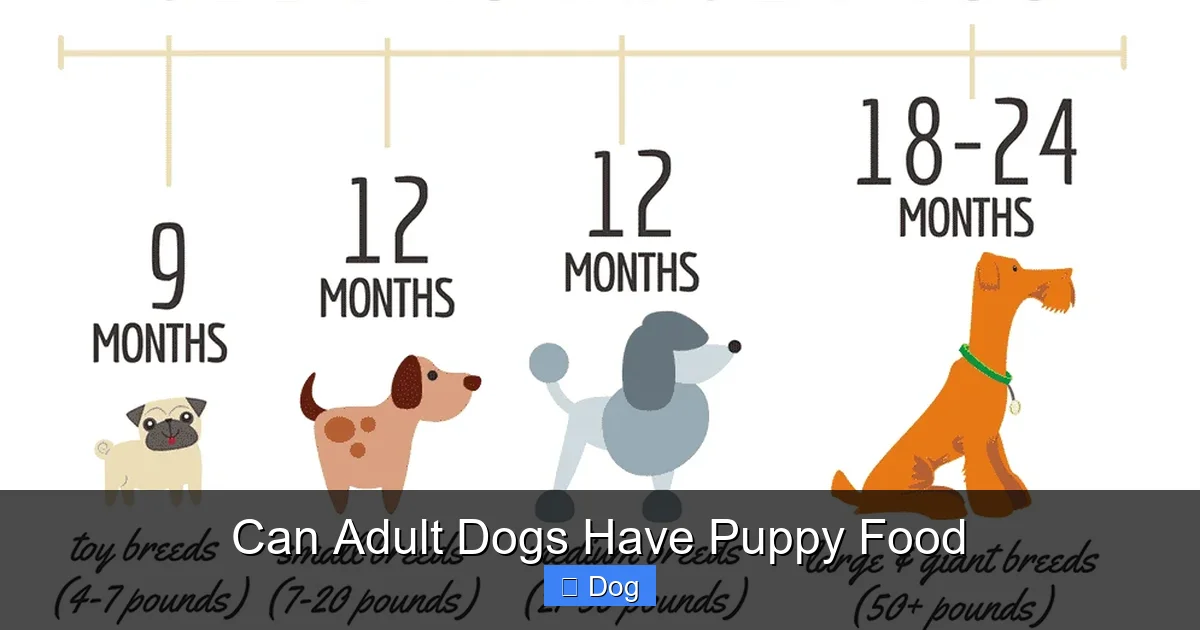
Visual guide about Can Adult Dogs Have Puppy Food
Image source: caninejournal.com
To truly understand whether adult dogs can have puppy food, we need to look at what’s inside the bag. Puppy food and adult dog food are not created equal—they’re designed for very different life stages, and that shows in their ingredient lists and nutritional profiles.
Higher Calorie and Fat Content
One of the biggest differences is calorie density. Puppy food typically contains 20–30% more calories per cup than adult dog food. This makes sense when you consider that puppies grow rapidly—sometimes doubling their weight in just a few weeks. They need that extra energy to fuel their development, play, and learning.
Fat is another area where puppy food stands out. It usually has a higher fat content, often around 8–12%, compared to 5–8% in most adult formulas. Fat is a concentrated source of energy, and puppies burn through it quickly. But for an adult dog with a slower metabolism, especially one who’s less active, those extra calories and fats can add up fast. Over time, this can lead to weight gain, which increases the risk of joint problems, diabetes, and heart disease.
Increased Protein Levels
Protein is essential for muscle development, tissue repair, and overall growth. Puppy food often contains 22–32% protein, while adult dog food ranges from 18–25%. Again, this higher protein level supports the rapid growth of bones, muscles, and organs in young dogs.
But here’s the catch: adult dogs don’t need that much protein unless they’re highly active, pregnant, or recovering from illness. Feeding high-protein puppy food long-term to a sedentary adult dog can strain the kidneys over time, especially in breeds prone to kidney issues. While healthy adult dogs can usually handle extra protein, it’s not necessary and could be counterproductive.
Enhanced Levels of Key Nutrients
Puppy food is also fortified with higher levels of certain vitamins and minerals. For example, calcium and phosphorus are crucial for bone development, so puppy formulas include more of these to support strong skeletal growth. DHA (an omega-3 fatty acid) is often added to support brain and vision development.
While these nutrients are beneficial, too much of a good thing can be harmful. Excess calcium in adult dogs, especially large breeds, can lead to skeletal abnormalities if fed over long periods. That’s why it’s important to match the food to the dog’s life stage.
Digestibility and Palatability
Puppy food is often more palatable and easier to digest. It’s made with high-quality proteins and fats that appeal to young, picky eaters. This can be a plus if your adult dog is a fussy eater or has a sensitive stomach. However, the rich taste and smell might also encourage overeating, which is another reason to use it sparingly.
When Is It Safe for Adult Dogs to Eat Puppy Food?
Now that we know the nutritional differences, let’s talk about when it’s actually okay—or even beneficial—for adult dogs to eat puppy food. While it’s not ideal as a long-term diet, there are several situations where it can be a helpful tool.
Helping Underweight Dogs Gain Weight
One of the most common reasons veterinarians recommend puppy food for adult dogs is to help them gain weight. If your dog is underweight due to illness, stress, or a high metabolism, the extra calories and fat in puppy food can be a lifesaver.
For example, a senior dog recovering from surgery or a dog with a chronic condition like cancer may lose appetite and muscle mass. In these cases, switching to a high-calorie, nutrient-dense food like puppy formula can help them regain strength and maintain a healthy body condition.
Always work with your vet to determine the right amount to feed. Overfeeding, even with good intentions, can lead to digestive upset or rapid weight gain, which isn’t healthy either.
During Recovery from Illness or Surgery
After surgery or during recovery from an illness, dogs often need more energy and nutrients to heal. Puppy food’s rich profile can support tissue repair and boost immune function.
Say your dog had dental surgery and is having trouble chewing kibble. A soft, high-calorie puppy food can be easier to eat and provide the extra fuel needed for recovery. Just be sure to transition back to adult food once your dog is healed and back to normal activity levels.
For Highly Active or Working Dogs
Not all adult dogs are couch potatoes. Working dogs, agility competitors, search-and-rescue dogs, and those who run miles with their owners have much higher energy needs. For these dogs, the extra calories and protein in puppy food can be beneficial—especially during peak training or performance seasons.
For instance, a Border Collie competing in agility trials might thrive on puppy food during training camps. But once the season ends, it’s wise to switch back to an adult formula to avoid unnecessary weight gain.
Pregnant or Nursing Dogs
Female dogs who are pregnant or nursing have dramatically increased nutritional needs. They’re not just feeding themselves—they’re supporting a litter of growing puppies. In these cases, veterinarians often recommend switching to puppy food because it provides the extra calories, protein, and fat required.
Nursing mothers, in particular, can burn thousands of extra calories per day. Puppy food helps them maintain their own health while producing enough milk for their pups.
As a Temporary Treat or Topper
Sometimes, you might want to spice up your adult dog’s meals. Mixing a small amount of puppy food into their regular kibble can make mealtime more exciting, especially for picky eaters.
For example, if your senior dog is losing interest in their food, adding a spoonful of flavorful puppy food can entice them to eat. Just keep the portion small—no more than 10–20% of their total meal—to avoid overfeeding.
Risks and Downsides of Feeding Puppy Food to Adult Dogs
While there are valid reasons to feed puppy food to adult dogs, it’s not without risks. Understanding these potential downsides will help you make informed decisions and avoid common pitfalls.
Weight Gain and Obesity
The biggest risk is weight gain. Because puppy food is so calorie-dense, even a small increase in portion size can lead to excess pounds. Obesity in dogs is linked to a host of health problems, including arthritis, diabetes, heart disease, and reduced lifespan.
Imagine your 50-pound adult dog eating just one extra cup of puppy food per day. That could add over 500 extra calories—enough to gain a pound every week or two. Over months, that adds up to significant weight gain.
To avoid this, always measure portions carefully and monitor your dog’s body condition. Use the “rib test”: you should be able to feel your dog’s ribs with a slight layer of fat, but not see them prominently.
Digestive Upset
Switching to a richer, higher-fat food can upset your dog’s stomach. Symptoms like diarrhea, vomiting, or gas are common when making sudden dietary changes.
This is especially true for dogs with sensitive digestive systems. The higher fat content in puppy food can be hard to process, leading to loose stools or even pancreatitis—a serious inflammation of the pancreas.
To minimize digestive issues, transition slowly. Mix a small amount of puppy food with your dog’s regular food and gradually increase the ratio over 7–10 days.
Pancreatitis Risk
Pancreatitis is a real concern with high-fat diets. This condition occurs when the pancreas becomes inflamed, often due to a sudden intake of fatty foods. Symptoms include vomiting, abdominal pain, lethargy, and loss of appetite.
While not all dogs will develop pancreatitis from eating puppy food, those with a history of the condition or breeds prone to it (like Miniature Schnauzers) should avoid high-fat diets altogether.
If your dog shows signs of pancreatitis, seek veterinary care immediately. It can be life-threatening if left untreated.
Kidney and Liver Strain
Although healthy adult dogs can usually handle extra protein, long-term feeding of high-protein puppy food may put stress on the kidneys and liver. These organs work hard to process and eliminate waste from protein metabolism.
Dogs with pre-existing kidney disease should never be fed puppy food without veterinary guidance. Even in healthy dogs, consistently high protein intake isn’t necessary and could contribute to long-term wear and tear.
Behavioral and Appetite Issues
Puppy food is often more aromatic and tasty than adult food. While this sounds like a good thing, it can lead to picky eating habits. Your dog might start refusing their regular food, holding out for the “good stuff.”
This can create mealtime battles and make it harder to maintain a consistent diet. To avoid this, use puppy food sparingly and only when medically necessary.
How to Safely Feed Puppy Food to an Adult Dog
If you’ve decided that puppy food is the right choice for your adult dog—whether for weight gain, recovery, or another reason—here’s how to do it safely and effectively.
Consult Your Veterinarian First
Before making any dietary changes, talk to your vet. They can assess your dog’s health, weight, and nutritional needs to determine if puppy food is appropriate.
For example, if your dog is underweight, your vet might recommend a specific brand or feeding plan. They can also rule out underlying health issues that could be causing weight loss.
Choose a High-Quality Puppy Food
Not all puppy foods are created equal. Look for brands that meet AAFCO (Association of American Feed Control Officials) standards for growth and reproduction. These foods are nutritionally complete and balanced.
Avoid products with fillers like corn, soy, or artificial preservatives. Instead, opt for formulas with real meat as the first ingredient, healthy fats (like chicken fat or fish oil), and added vitamins and minerals.
Some top-rated options include Royal Canin Puppy, Hill’s Science Diet Puppy, and Wellness CORE Grain-Free Puppy.
Adjust Portion Sizes
Because puppy food is more calorie-dense, you’ll need to feed smaller portions than you would with adult food. Use the feeding guidelines on the bag as a starting point, but adjust based on your dog’s weight, activity level, and body condition.
For example, if the label says to feed 2 cups per day for a 30-pound puppy, you might only need to feed 1.5 cups for a 30-pound adult dog. Monitor your dog’s weight weekly and adjust as needed.
Monitor for Side Effects
Keep an eye on your dog’s digestion, energy levels, and coat condition. If you notice diarrhea, vomiting, lethargy, or excessive weight gain, stop feeding puppy food and consult your vet.
Also, watch for signs of pancreatitis, such as a hunched back, loss of appetite, or vomiting. These require immediate medical attention.
Transition Gradually
Never switch your dog’s food overnight. Sudden changes can cause stomach upset. Instead, mix the new food with the old over 7–10 days.
Start with 25% puppy food and 75% adult food for a few days, then increase to 50/50, then 75/25, and finally 100% puppy food. This slow transition helps your dog’s digestive system adjust.
Use It as a Short-Term Solution
Remember: puppy food is not meant for long-term use in adult dogs. Once your dog has reached a healthy weight or recovered from illness, transition back to an adult formula.
For underweight dogs, this might take a few weeks. For recovering pets, it could be a month or two. Your vet can help you determine the right timeline.
Alternatives to Puppy Food for Adult Dogs
If you’re looking to boost your adult dog’s nutrition without switching to puppy food, there are several safer alternatives.
High-Calorie Adult Dog Foods
Some adult dog foods are specifically formulated for weight gain or high energy needs. These “performance” or “weight management” formulas offer extra calories and protein without the risks of puppy food.
Brands like Purina Pro Plan Sport, Blue Buffalo Wilderness High Protein, and Nutro Ultra Weight Management provide balanced nutrition for active or underweight adult dogs.
Healthy Toppers and Supplements
Instead of switching foods, try adding healthy toppers to your dog’s regular meals. Options include:
– Cooked lean meats (chicken, turkey, beef)
– Plain scrambled eggs
– Canned pumpkin (for fiber and digestion)
– Fish oil or coconut oil (for healthy fats)
– Bone broth (low-sodium, no onions or garlic)
These add flavor and nutrients without drastically increasing calories.
Prescription Diets
In some cases, your vet may recommend a prescription diet. These are specially formulated for medical conditions like kidney disease, pancreatitis, or weight management.
For example, Hill’s Prescription Diet r/d is designed for weight loss, while Royal Canin Veterinary Diet Gastrointestinal High Energy supports recovery and weight gain.
Final Thoughts: Making the Right Choice for Your Dog
So, can adult dogs have puppy food? The answer is yes—but with important caveats. Puppy food can be a helpful tool in specific situations, like helping an underweight dog gain weight or supporting recovery after surgery. However, it’s not suitable as a long-term diet for most adult dogs due to its high calorie, fat, and protein content.
The key is to use it wisely, under veterinary guidance, and only when necessary. Always monitor your dog’s health, adjust portions carefully, and transition back to adult food when the time is right.
Remember, every dog is unique. What works for one may not work for another. By understanding your dog’s individual needs and working closely with your vet, you can make the best nutritional choices for a long, healthy, and happy life.
Frequently Asked Questions
Can I feed puppy food to my senior dog?
It depends on your senior dog’s health and weight. If they’re underweight or recovering from illness, puppy food may help. However, due to the higher fat and protein content, it’s best to consult your vet first to avoid strain on the kidneys or pancreas.
How long can an adult dog safely eat puppy food?
Most adult dogs should only eat puppy food for a few weeks to a couple of months, depending on the reason. Long-term use can lead to weight gain and nutrient imbalances, so always follow your vet’s recommendations.
Will puppy food make my adult dog hyper?
Not necessarily. While puppy food is higher in calories, it doesn’t contain stimulants. However, the extra energy might make an already active dog even more energetic. Monitor your dog’s behavior and adjust activity levels accordingly.
Can I mix puppy food with my adult dog’s regular food?
Yes, you can mix them, especially during a gradual transition. Just keep the puppy food portion small—no more than 25% of the total meal—to avoid overfeeding and digestive upset.
Is grain-free puppy food safe for adult dogs?
Grain-free puppy food can be safe for adult dogs if it’s nutritionally balanced. However, recent studies have linked some grain-free diets to heart issues in dogs. Always choose a reputable brand and consult your vet before making the switch.
What should I do if my adult dog eats too much puppy food?
If your dog accidentally eats a large amount of puppy food, watch for signs of digestive upset like vomiting or diarrhea. Offer plenty of water and withhold food for 12–24 hours if needed. Contact your vet if symptoms persist or worsen.