

There is no conclusive evidence that Authority brand dog food causes seizures in dogs. However, individual sensitivities, ingredient quality, and underlying health conditions may contribute to neurological reactions in rare cases. Always consult your vet if your dog shows signs of seizures.
Key Takeaways
- No direct link proven: Scientific studies and FDA reports have not established a direct causal relationship between Authority dog food and seizures in dogs.
- Ingredient sensitivity matters: Some dogs may react to specific ingredients like certain proteins, grains, or additives, potentially triggering neurological symptoms.
- Quality varies by formula: Authority offers multiple recipes; some contain higher-quality ingredients than others, which can affect tolerance.
- Underlying health conditions: Epilepsy, liver disease, or toxin exposure are more common seizure causes than diet alone.
- Monitor your dog closely: Keep a food and symptom diary to identify patterns if seizures occur after eating.
- Veterinary guidance is essential: Always involve your vet in dietary changes, especially if your dog has a history of seizures or allergies.
- Consider alternatives if needed: If you suspect a reaction, switch to a hypoallergenic or vet-recommended diet under professional supervision.
📑 Table of Contents
- Can Authority Brand Dog Food Cause Seizures in Dogs?
- Understanding Canine Seizures: What Every Dog Owner Should Know
- What’s in Authority Dog Food? A Closer Look at Ingredients
- Real-World Reports: Have Dogs Had Seizures on Authority Food?
- When to Suspect Food as a Seizure Trigger
- Safer Alternatives and Dietary Recommendations
- What to Do If Your Dog Has a Seizure
- Conclusion: Making the Right Choice for Your Dog
Can Authority Brand Dog Food Cause Seizures in Dogs?
As a dog owner, your pet’s health and safety are your top priorities. You want to feed them the best food possible—something nutritious, balanced, and trustworthy. When you see a brand like Authority on the shelf at your local pet store or supermarket, it’s natural to assume it’s a safe, reliable choice. After all, it’s widely available, affordable, and marketed as a complete diet for dogs of all life stages. But what happens when your otherwise healthy dog suddenly has a seizure? Could the food you’ve been feeding them be to blame?
Seizures in dogs can be terrifying. They often come out of nowhere—your dog may collapse, twitch, drool, or lose control of their bladder. In the moment, panic sets in. You wonder: What caused this? Was it something they ate? Could it be the dog food? Specifically, could Authority brand dog food cause seizures in dogs?
This question has surfaced in online pet communities, veterinary forums, and social media groups. While there’s no widespread recall or official warning linking Authority dog food to seizures, anecdotal reports have raised concerns among dog owners. Some claim their dogs began having seizures shortly after switching to Authority, while others report no issues at all. So, what’s the truth?
In this article, we’ll dive deep into the science, ingredients, and real-world experiences to help you understand whether Authority dog food could be a potential trigger for seizures. We’ll explore what seizures are, what commonly causes them, how diet plays a role, and what you can do to keep your dog safe. Whether you’re currently feeding Authority or considering it, this guide will give you the information you need to make informed decisions about your dog’s health.
Understanding Canine Seizures: What Every Dog Owner Should Know
Visual guide about Can Authority Brand Dog Food Cause Seizures in Dogs
Image source: i.pinimg.com
Before we can assess whether Authority dog food might cause seizures, it’s important to understand what seizures are and what typically triggers them in dogs.
A seizure is a sudden, uncontrolled electrical disturbance in the brain. It can cause changes in behavior, movement, sensation, or consciousness. In dogs, seizures often look like convulsions—your dog may fall over, paddle their legs, drool excessively, or appear disoriented. Some dogs have mild episodes where they just stare into space or tremble slightly, while others experience full-blown tonic-clonic (grand mal) seizures.
Seizures are not a disease in themselves but a symptom of an underlying issue. They can be caused by a wide range of factors, including:
– **Idiopathic epilepsy:** This is the most common cause of seizures in dogs, especially in certain breeds like Beagles, Golden Retrievers, and German Shepherds. It’s a genetic condition with no known cause, though diet and environment may influence frequency.
– **Brain tumors or injuries:** Trauma or growths in the brain can disrupt normal electrical activity.
– **Liver or kidney disease:** These organs help filter toxins from the blood. If they’re not functioning properly, toxins can build up and affect the brain.
– **Low blood sugar (hypoglycemia):** Common in small breeds or diabetic dogs.
– **Toxin exposure:** Ingestion of chemicals, plants, or human medications (like ibuprofen or chocolate) can trigger seizures.
– **Infections:** Diseases like distemper or meningitis can affect the central nervous system.
– **Metabolic disorders:** Conditions like hypothyroidism or electrolyte imbalances may play a role.
Given this wide range of causes, it’s rare for diet alone to be the sole trigger. However, food can influence seizure activity, especially in dogs with pre-existing conditions or sensitivities.
How Diet Can Influence Seizure Activity
While food isn’t typically the primary cause of seizures, it can act as a contributing factor. Certain ingredients or dietary imbalances may lower the seizure threshold—the point at which the brain is more likely to fire abnormally.
For example:
– **Food allergies or intolerances:** Some dogs are sensitive to common proteins like chicken, beef, or soy. Allergic reactions can cause inflammation, which may affect the brain and nervous system.
– **Artificial additives:** Preservatives like BHA, BHT, or ethoxyquin, as well as artificial colors and flavors, have been scrutinized for potential neurological effects.
– **Heavy metals or contaminants:** Low-quality ingredients or poor manufacturing practices can lead to contamination with toxins like lead or mercury.
– **Nutritional imbalances:** Deficiencies in key nutrients like vitamin B6, magnesium, or omega-3 fatty acids may affect brain function.
In rare cases, a dog may have a specific sensitivity to an ingredient in their food that triggers a seizure. This doesn’t mean the food is “bad” for all dogs—just that it may not be suitable for that individual.
What’s in Authority Dog Food? A Closer Look at Ingredients
To assess whether Authority dog food could cause seizures, we need to examine what’s actually in the bag. Authority is a store-brand dog food sold primarily at Petco and other retailers. It’s marketed as a high-quality, affordable option, but how does it stack up when it comes to ingredient safety?
Authority offers a variety of formulas, including grain-free, puppy, senior, and weight management recipes. The ingredient list varies by product, but most include:
– **Primary protein sources:** Chicken, lamb, or fish meal.
– **Grains or grain alternatives:** Corn, wheat, rice, or peas (depending on the formula).
– **Fats and oils:** Chicken fat, flaxseed, or canola oil.
– **Carbohydrates:** Sweet potatoes, barley, or oats.
– **Vitamins and minerals:** Added to meet AAFCO nutritional standards.
– **Preservatives:** Some formulas use mixed tocopherols (natural preservatives), while others may include synthetic options.
Let’s break down some of the ingredients that have raised concerns among pet owners and veterinarians.
Common Proteins and Potential Allergies
Chicken and beef are common in Authority recipes. While these are high-quality protein sources for many dogs, they are also among the top allergens. Dogs with food sensitivities may react to these proteins, leading to skin irritation, digestive upset, or even neurological symptoms like seizures in extreme cases.
For example, a dog with a chicken allergy might develop chronic inflammation. Over time, this could affect the blood-brain barrier and increase the risk of seizures. However, this is rare and usually seen in dogs with multiple allergies or autoimmune conditions.
Grains and Fillers: Are They Safe?
Some Authority formulas contain corn, wheat, or soy—ingredients often labeled as “fillers.” While these provide energy and texture, they can be problematic for dogs with grain sensitivities. Corn, in particular, has been linked to allergic reactions in some dogs.
That said, grains are not inherently bad. Many dogs tolerate them well, and they can be a good source of fiber and nutrients. The issue arises when low-quality grains are used or when a dog has a specific intolerance.
Artificial Additives and Preservatives
One area of concern is the use of synthetic preservatives. While many Authority formulas now use natural preservatives like mixed tocopherols (a form of vitamin E), some older or budget-friendly versions may still contain BHA or BHT.
BHA (butylated hydroxyanisole) and BHT (butylated hydroxytoluene) are used to prevent fats from going rancid. However, both have been flagged by some studies for potential carcinogenic effects and neurological impacts in high doses. While the amounts used in pet food are generally considered safe by regulatory agencies, some pet owners prefer to avoid them altogether.
Additionally, artificial colors and flavors are not typically found in Authority foods, which is a positive. But it’s always worth checking the label, especially if you’re buying a flavored or “gravy” variety.
Heavy Metals and Contaminants
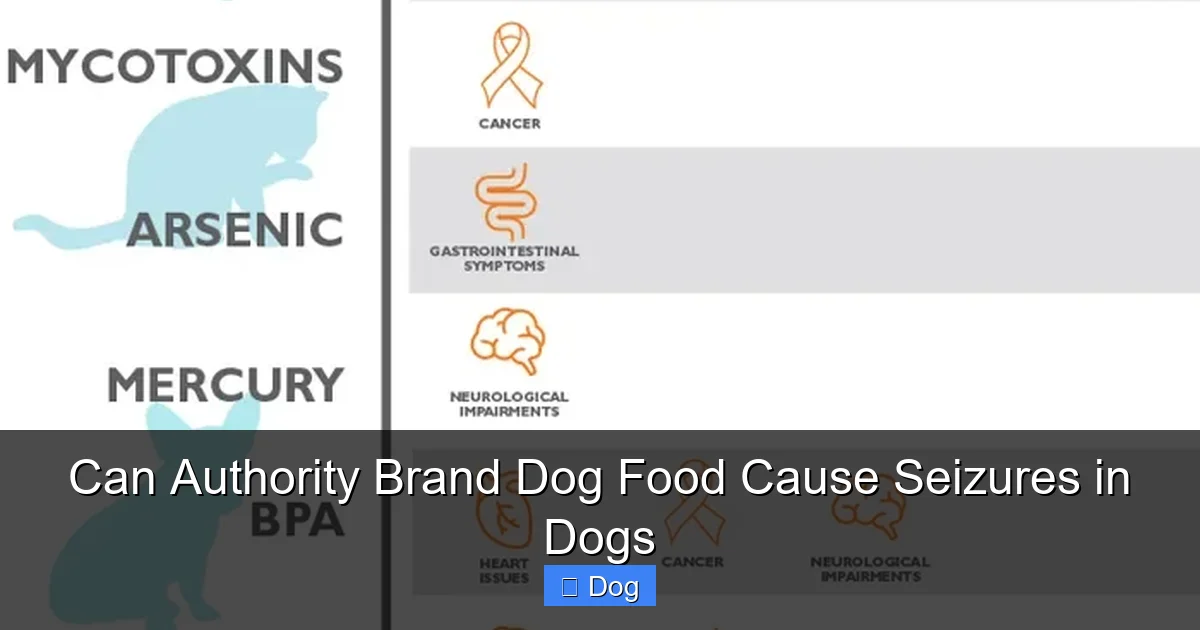
In recent years, there have been concerns about heavy metals like lead, arsenic, and mercury in pet food. These can accumulate in a dog’s body over time and potentially affect the nervous system.
The FDA has conducted studies on heavy metals in pet food, including store brands. While Authority has not been specifically named in any major recalls or contamination reports, the risk exists with any brand that sources ingredients globally or uses low-quality suppliers.
To minimize risk, look for brands that conduct regular third-party testing and provide transparency about their sourcing and manufacturing processes.
Real-World Reports: Have Dogs Had Seizures on Authority Food?
When it comes to anecdotal evidence, the internet is full of stories—some alarming, others reassuring. Let’s look at what dog owners are saying about Authority dog food and seizures.
Anecdotal Evidence from Pet Owners
On forums like Reddit, Dogster, and Petco’s review section, some owners report that their dogs began having seizures shortly after switching to Authority. One owner shared that their 6-year-old Labrador started having weekly seizures two months after starting Authority Chicken & Rice formula. After switching to a prescription diet, the seizures stopped.
Another owner mentioned that their senior dog with a history of epilepsy had more frequent episodes while on Authority, but improved on a grain-free, limited-ingredient diet.
However, many other owners report no issues at all. Hundreds of five-star reviews praise Authority for improving coat quality, energy levels, and digestion. Some even say it helped their dogs with food sensitivities.
This mixed feedback suggests that while Authority may not be the cause of seizures for most dogs, it could be a trigger for a small subset with specific sensitivities or health conditions.
Veterinary Perspectives
Veterinarians generally agree that diet alone is unlikely to cause seizures in otherwise healthy dogs. However, they emphasize the importance of high-quality nutrition, especially for dogs with epilepsy or other neurological conditions.
Dr. Sarah Collins, a veterinary neurologist, explains: “I’ve seen cases where dietary changes reduced seizure frequency, but it’s usually in conjunction with medication and other lifestyle adjustments. Food can be a piece of the puzzle, but rarely the whole picture.”
She adds that dogs with epilepsy may benefit from diets rich in medium-chain triglycerides (MCTs), omega-3 fatty acids, and antioxidants—nutrients that support brain health. Some Authority formulas contain these, but not all.
FDA and Regulatory Oversight
The U.S. Food and Drug Administration (FDA) monitors pet food safety and investigates reports of illness. As of now, there are no public recalls or warnings specifically linking Authority dog food to seizures.
The FDA’s Center for Veterinary Medicine (CVM) encourages pet owners to report adverse events through their online portal. These reports help identify patterns and potential safety issues.
If you suspect your dog had a seizure due to food, reporting it can contribute to broader safety monitoring.
When to Suspect Food as a Seizure Trigger
So, how do you know if your dog’s seizures might be linked to their diet? Here are some signs and steps to consider.
Timing and Pattern
Pay attention to when seizures occur. Do they happen shortly after eating? Are they more frequent on certain days? Keeping a detailed journal can help identify patterns.
For example:
– Note the time of each seizure.
– Record what your dog ate in the 24 hours prior.
– Include treats, table scraps, and supplements.
– Track other factors like stress, exercise, or environmental changes.
If seizures consistently follow meals with a specific food, it’s worth investigating.
Elimination Diet Trial
If you suspect a food sensitivity, your vet may recommend an elimination diet. This involves feeding your dog a novel protein and carbohydrate source (like duck and sweet potato) for 8–12 weeks, with no other foods, treats, or flavored medications.
If seizures decrease or stop during this period, you can gradually reintroduce ingredients to identify the trigger.
This process should always be done under veterinary supervision to ensure your dog remains nutritionally balanced.
Rule Out Other Causes First
Before blaming the food, it’s crucial to rule out other seizure causes. Your vet may recommend:
– Blood tests to check liver, kidney, and thyroid function.
– Neurological exams.
– MRI or CT scans to look for brain abnormalities.
– Toxin screening if exposure is suspected.
Only after other causes are ruled out should diet be considered a primary factor.
Safer Alternatives and Dietary Recommendations
If you’re concerned about Authority dog food or your dog has a history of seizures, there are safer, more tailored options available.
Veterinary Prescription Diets
For dogs with epilepsy or neurological issues, vet-recommended diets like Hill’s Prescription Diet k/d + Metabolic or Royal Canin Veterinary Diet Neuro Care are formulated to support brain health. These often include MCTs, antioxidants, and balanced nutrients.
High-Quality Commercial Brands
Look for brands that:
– Use named protein sources (e.g., “chicken meal” vs. “meat meal”).
– Avoid artificial preservatives, colors, and flavors.
– Are transparent about sourcing and testing.
– Meet AAFCO standards.
Examples include Wellness, Orijen, Acana, and Taste of the Wild.
Homemade or Fresh Food Diets
Some owners opt for fresh, homemade meals to have full control over ingredients. However, these require careful planning to ensure nutritional balance. Consult a veterinary nutritionist to create a safe recipe.
Supplements That May Help
Certain supplements may reduce seizure risk:
– **Omega-3 fatty acids:** Found in fish oil, they have anti-inflammatory properties.
– **Vitamin E and B-complex:** Support nerve function.
– **Magnesium:** May help regulate electrical activity in the brain.
– **CBD oil:** Some studies suggest it may reduce seizure frequency, but consult your vet first.
Always discuss supplements with your veterinarian to avoid interactions with medications.
What to Do If Your Dog Has a Seizure
If your dog has a seizure, stay calm and follow these steps:
1. **Keep them safe:** Move them away from stairs, furniture, or water.
2. **Time the seizure:** Most last 1–2 minutes. If longer than 5 minutes, seek emergency care.
3. **Do not restrain them:** Let the seizure run its course.
4. **Stay with them:** Speak calmly and comfort them afterward.
5. **Contact your vet:** Even if the seizure is brief, it’s important to get medical advice.
After the episode, monitor your dog closely and note any changes in behavior, appetite, or energy.
Conclusion: Making the Right Choice for Your Dog
So, can Authority brand dog food cause seizures in dogs? The short answer is: not directly, and not for most dogs. There is no scientific evidence or widespread recall linking Authority to seizures. However, in rare cases, individual sensitivities to ingredients like proteins, grains, or preservatives could contribute to neurological symptoms in predisposed dogs.
The key is to know your dog. If they have a history of seizures, allergies, or digestive issues, you may want to choose a more specialized diet. Always work with your veterinarian to determine the best food for your pet’s unique needs.
Remember, seizures are complex and often multifactorial. While diet plays a role, it’s usually one piece of a larger puzzle. By staying informed, observant, and proactive, you can help keep your dog healthy, happy, and seizure-free.
Frequently Asked Questions
Can Authority dog food cause seizures in dogs?
There is no conclusive evidence that Authority dog food causes seizures. However, in rare cases, individual dogs may react to certain ingredients, potentially triggering seizures if they have underlying sensitivities or health conditions.
What ingredients in Authority dog food could be problematic?
Potential concerns include common allergens like chicken or beef, grains such as corn or wheat, and synthetic preservatives like BHA or BHT. Heavy metals or contaminants are also a rare but possible risk with any pet food.
Should I stop feeding Authority if my dog has seizures?
Not necessarily. First, consult your veterinarian to rule out other causes like epilepsy, brain tumors, or toxin exposure. If food is suspected, your vet may recommend an elimination diet or switch to a specialized formula.
Are there safer dog food brands for dogs with seizure history?
Yes. Veterinary prescription diets like Hill’s or Royal Canin Neuro Care are designed for dogs with neurological issues. High-quality brands like Wellness or Orijen also offer clean, balanced formulas that may be better tolerated.
How can I tell if my dog’s seizures are food-related?
Keep a detailed journal of seizures, diet, and behavior. If seizures consistently occur after eating a specific food, discuss an elimination diet with your vet to identify potential triggers.
Is it safe to switch dog food if my dog has seizures?
Yes, but do it gradually and under veterinary guidance. Sudden changes can cause digestive upset, and some dogs with epilepsy may need a carefully balanced diet to maintain seizure control.