

Babies should never eat dog food. It’s not formulated for human digestion and can pose serious health risks, including bacterial contamination and nutritional imbalances. Even a small taste can lead to illness, so prevention and quick action are key.
Key Takeaways
- Dog food is not safe for babies: It lacks the nutrients babies need and may contain harmful bacteria like Salmonella or E. coli.
- Choking hazard: Dry kibble is hard and can easily cause choking in infants and toddlers.
- Allergic reactions are possible: Ingredients like corn, soy, or artificial additives in dog food may trigger allergies in sensitive children.
- Immediate action is needed if ingested: Contact a pediatrician or poison control center right away if your baby eats dog food.
- Store pet food safely: Keep dog food in sealed containers and out of reach to prevent accidental ingestion.
- Educate older siblings: Teach young children the difference between human food and pet food to avoid mix-ups.
- Choose baby-safe alternatives: Always feed babies age-appropriate, nutrient-rich foods designed for their development.
📑 Table of Contents
Can Babies Eat Dog Food? The Short Answer Is No
When it comes to feeding your baby, safety and nutrition are top priorities. You carefully choose organic purees, steamed vegetables, and iron-fortified cereals—everything designed to support your little one’s growth. But what happens if your curious crawler grabs a piece of dog kibble from the floor? Or worse, takes a bite from your dog’s food bowl? It’s a scenario many parents worry about, and for good reason.
The simple truth is: babies should never eat dog food. While it might look like dry cereal or soft meat chunks, dog food is not made for human consumption—especially not for infants. It’s formulated to meet the dietary needs of dogs, not the delicate digestive systems and developmental requirements of babies. Even a small amount can lead to health problems, from mild stomach upset to serious infections.
You might think, “It’s just a little bite—how bad could it be?” But the risks are real. Dog food often contains ingredients that are safe for dogs but potentially dangerous for babies. These include high levels of certain proteins, fillers like corn and soy, artificial preservatives, and even traces of bacteria that dogs can tolerate but infants cannot. Plus, the texture of dry kibble poses a choking hazard, and wet dog food can spoil quickly, increasing the risk of foodborne illness.
In this article, we’ll explore why dog food is unsafe for babies, what to do if your child accidentally eats it, and how to prevent these incidents from happening in the first place. We’ll also cover safe feeding practices, what to look for in baby food, and how to create a home environment where both your baby and your dog can thrive—without any mix-ups at mealtime.
Why Dog Food Is Not Safe for Babies
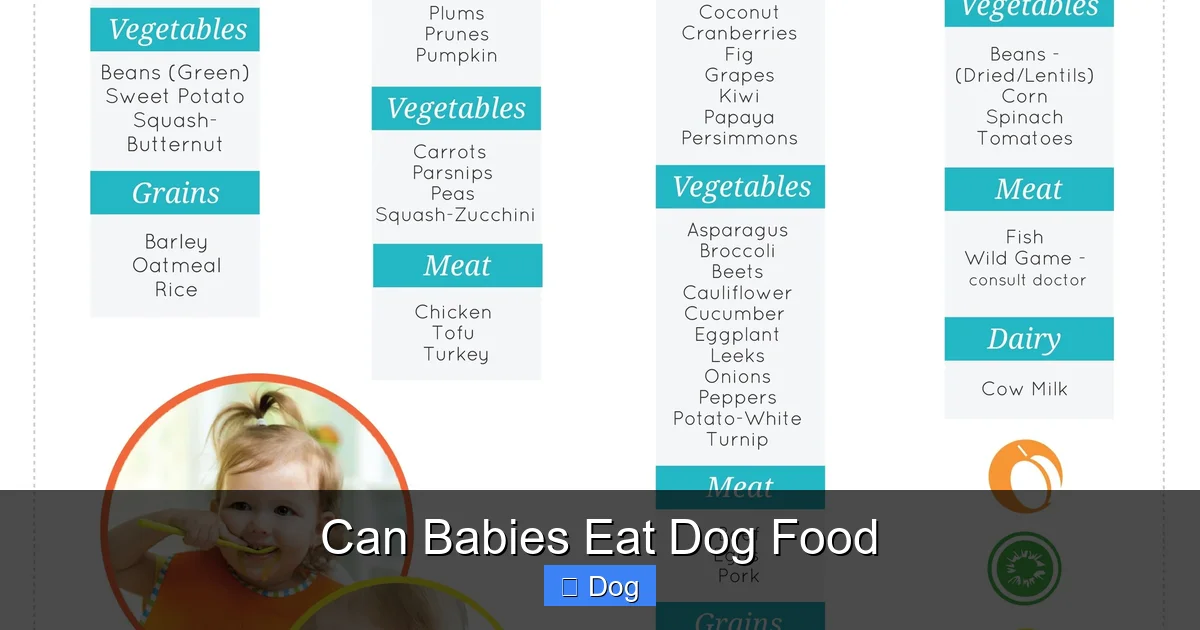
Visual guide about Can Babies Eat Dog Food
Image source: i.pinimg.com
Formulated for Dogs, Not Humans
Dog food is scientifically designed to meet the nutritional needs of canines. That means it’s packed with high levels of protein, fat, and certain vitamins that dogs require—but these same ingredients can be harmful to babies. For example, puppies need more calories and fat to support their rapid growth, but human infants have different metabolic rates and digestive capabilities. Feeding a baby dog food can lead to nutritional imbalances, such as too much protein, which may strain a baby’s developing kidneys.
Additionally, dog food often contains ingredients that aren’t approved for human consumption. These might include animal by-products, rendered fats, and synthetic additives that are safe for dogs but not tested for infant safety. While these ingredients are regulated for pet food, they don’t meet the strict standards required for baby food, which must be free from contaminants and tailored to support brain development, immune function, and overall growth.
Bacterial Contamination Risks
One of the biggest dangers of dog food—especially raw or semi-moist varieties—is the risk of bacterial contamination. Dogs have stronger stomach acids and different gut flora that allow them to handle bacteria like Salmonella and E. coli more effectively than humans. Babies, on the other hand, have immature immune systems that can’t fight off these pathogens.
According to the FDA, there have been multiple recalls of dog food due to Salmonella contamination. In some cases, humans—especially young children—have become seriously ill after handling contaminated pet food or touching surfaces where the food was stored. If a baby puts a piece of contaminated kibble in their mouth, they could develop symptoms like vomiting, diarrhea, fever, and dehydration within hours.
Even dry kibble isn’t completely safe. While the high-heat processing kills most bacteria, cross-contamination can occur during packaging or storage. And once the bag is opened, moisture and warmth can encourage bacterial growth, especially if the food is left out for your dog to graze on throughout the day.
Choking and Physical Hazards
Let’s talk about texture. Dry dog kibble is hard, crunchy, and often shaped in ways that make it difficult for babies to chew or swallow. Infants under 12 months are still developing their chewing and swallowing skills, and they’re at high risk for choking on small, hard objects. A piece of kibble could easily get lodged in their airway, leading to a life-threatening emergency.
Wet dog food, while softer, can also be problematic. It’s often high in salt and fat, which aren’t suitable for babies. Plus, the strong smell and meaty texture might tempt a curious toddler, but the ingredients aren’t designed for human digestion. And if the food has been sitting out, it could be spoiled, increasing the risk of food poisoning.
Allergic Reactions and Sensitivities
Babies are more prone to food allergies and sensitivities than adults. Common allergens like wheat, soy, corn, and certain proteins (such as beef or chicken) are frequently found in dog food. While dogs can tolerate these ingredients, a baby with a sensitivity might react with symptoms like rash, hives, vomiting, or even difficulty breathing.
Artificial colors, flavors, and preservatives like BHA and BHT are also common in dog food. These additives are approved for pets but haven’t been studied for long-term effects in infants. Some research suggests they may contribute to hyperactivity or other behavioral issues in children, though more studies are needed.
What to Do If Your Baby Eats Dog Food
Stay Calm and Assess the Situation
If you catch your baby eating dog food, the first step is to stay calm. Panicking won’t help, and your baby may pick up on your stress. Quickly remove any remaining food from their mouth and hands. Check for signs of choking—coughing, gagging, or difficulty breathing. If your baby is choking, follow infant CPR guidelines or call 911 immediately.
If your baby seems fine and isn’t choking, try to determine how much they ate. Was it just a lick of wet food? A few pieces of kibble? Or did they manage to eat a large portion? This information will be helpful when you speak to a medical professional.
Contact a Healthcare Provider
Even if your baby appears healthy, it’s important to call your pediatrician or a poison control center right away. In the U.S., you can reach the Poison Help Line at 1-800-222-1222. They’re available 24/7 and can guide you on what to watch for and whether your baby needs medical attention.
Be prepared to provide details such as:
– Your baby’s age and weight
– The type of dog food (dry, wet, raw, brand name)
– How much was eaten
– When it happened
– Any symptoms you’ve noticed
In most cases, if only a small amount was consumed and your baby is over 6 months old, the risk may be low. But it’s always better to be safe than sorry—especially with infants under 12 months, whose immune systems are still developing.
Watch for Symptoms
After ingestion, monitor your baby closely for the next 24 to 48 hours. Symptoms of foodborne illness or allergic reaction may include:
– Vomiting or diarrhea
– Fever
– Lethargy or irritability
– Rash or hives
– Swelling around the mouth or face
– Difficulty breathing
If any of these symptoms appear, seek medical care immediately. Dehydration is a particular concern with vomiting and diarrhea, so make sure your baby stays hydrated with breast milk, formula, or an oral rehydration solution.
When to Go to the Emergency Room
Take your baby to the ER if they show signs of:
– Severe vomiting or diarrhea
– High fever (over 102°F or 39°C)
– Signs of dehydration (dry mouth, no tears when crying, fewer wet diapers)
– Difficulty breathing or swelling of the face or tongue
– Unusual drowsiness or inability to wake up
These could indicate a serious infection, allergic reaction, or choking hazard that requires urgent treatment.
How to Prevent Accidental Ingestion
Store Dog Food Safely
One of the best ways to prevent accidents is to store dog food out of reach. Keep dry kibble in a sealed, airtight container—not the original bag—and store it in a high cabinet or pantry that your baby can’t access. Avoid leaving open bags on the floor or countertops where curious little hands can reach.
Wet dog food should be refrigerated after opening and used within a few days. Never leave it out for your dog to graze on, as this increases the risk of spoilage and attracts pests. If you use a timed feeder, make sure it’s placed in a secure location where your baby can’t tamper with it.
Supervise Meal Times
Always supervise your dog during meals, especially if your baby is mobile. Dogs can be protective of their food, and a curious baby approaching the bowl might trigger a defensive reaction. Even the gentlest dog might snap or growl if they feel their food is being threatened.
Consider feeding your dog in a separate room or behind a baby gate during meal times. This creates a safe space for your pet to eat without stress and reduces the chance of your baby getting too close.
Teach Older Siblings
If you have older children, teach them the difference between human food and pet food. Explain that dog food is only for dogs and that it’s not safe for people to eat. Use simple language and role-play scenarios to help them understand.
You might say, “Just like you don’t eat cat food, dogs don’t eat your cereal. Everyone has their own special food.” Reinforce this message regularly, especially during snack times or when the dog is eating.
Baby-Proof the Feeding Area
Make your dog’s feeding area baby-proof. Use a high-sided feeding station or place the food bowl on a raised platform that your baby can’t reach. Avoid feeding your dog on the floor if your baby crawls or walks nearby.
You can also use baby gates or playpens to create a safe zone where your dog can eat undisturbed. This not only prevents accidents but also helps reduce food aggression in dogs.
Choose Safe, Baby-Appropriate Foods
When it’s time to feed your baby, stick to foods that are specifically designed for infants. Look for baby food that is:
– Iron-fortified
– Free from added sugar and salt
– Made with organic, non-GMO ingredients
– Packaged in safe, easy-to-use containers (like pouches or jars)
Introduce new foods one at a time to monitor for allergies, and always follow your pediatrician’s advice on when to start solids.
Safe Alternatives and Healthy Baby Feeding Tips
Start with Simple, Nutrient-Rich Foods
When your baby is ready for solids (usually around 6 months), begin with single-ingredient purees like:
– Sweet potatoes
– Carrots
– Apples
– Pears
– Bananas
– Avocados
These foods are easy to digest, rich in vitamins, and unlikely to cause allergies. Steam or boil vegetables until soft, then blend with a little water, breast milk, or formula to achieve the right consistency.
Introduce Proteins Gradually
Around 8 to 10 months, you can start introducing protein-rich foods like:
– Pureed chicken or turkey
– Lentils and beans (well-cooked and mashed)
– Tofu (for vegetarian families)
– Egg yolks (well-cooked)
Avoid giving babies meat chunks or hard proteins until they have more teeth and better chewing skills. Always cook meats thoroughly to kill any bacteria.
Stay Away from Common Allergens at First
While it’s important to introduce potential allergens eventually, do so one at a time and in small amounts. Common allergens include:
– Peanuts
– Tree nuts
– Eggs
– Dairy
– Soy
– Wheat
– Fish and shellfish
Talk to your pediatrician about the best way to introduce these foods, especially if there’s a family history of allergies.
Hydration Is Key
Babies under 6 months should get all their hydration from breast milk or formula. After 6 months, you can offer small amounts of water in a sippy cup during meals. Avoid juice, soda, or sweetened drinks, as they can contribute to tooth decay and obesity.
Create a Positive Eating Environment
Make mealtime fun and stress-free. Sit with your baby, let them explore food with their hands, and encourage self-feeding when they’re ready. Avoid distractions like TV or phones, and respond to their hunger and fullness cues.
Remember, every baby develops at their own pace. Some take to solids quickly, while others need more time. Be patient, stay consistent, and always prioritize safety.
The Bottom Line: Keep Babies and Dogs Safe
At the end of the day, the question “Can babies eat dog food?” has a clear answer: no. Dog food is not safe for human consumption, especially for infants. It’s not just about nutrition—it’s about safety, hygiene, and preventing serious health risks.
As a parent, your job is to create a home where both your baby and your dog can thrive. That means setting boundaries, supervising interactions, and making smart choices about food storage and feeding practices. A little prevention goes a long way in avoiding accidents and keeping your little one healthy.
If the worst happens and your baby does eat dog food, don’t panic. Stay calm, assess the situation, and seek medical advice. Most cases are minor, but it’s always better to be cautious when it comes to your child’s health.
By understanding the risks and taking proactive steps, you can protect your baby from harm and enjoy the joy of watching them grow—one safe, nutritious meal at a time.
Frequently Asked Questions
Can a baby get sick from eating dog food?
Yes, a baby can get sick from eating dog food. It may contain harmful bacteria like Salmonella or E. coli, and the ingredients aren’t safe for infant digestion. Symptoms can include vomiting, diarrhea, fever, or allergic reactions.
What should I do if my 1-year-old ate dog food?
Remove any remaining food, check for choking, and call your pediatrician or poison control immediately. Monitor for symptoms like vomiting, diarrhea, or rash, and seek medical care if they appear.
Is it safe for babies to touch dog food?
It’s best to avoid it. Handling dog food can expose babies to bacteria, especially if they then put their hands in their mouth. Always wash your baby’s hands after any contact with pet food.
Can dog food cause choking in babies?
Yes, dry kibble is hard and can easily cause choking in infants and toddlers. It’s not designed for small mouths and developing chewing skills.
How can I keep my baby away from dog food?
Store dog food in sealed containers out of reach, feed your dog in a separate room, and use baby gates to block access. Supervise all interactions between your baby and pet during meal times.
Are there any safe pet foods that babies can eat?
No. Even high-quality or organic dog food is not formulated for human consumption. Always feed babies age-appropriate, nutrient-rich foods designed for infants.