
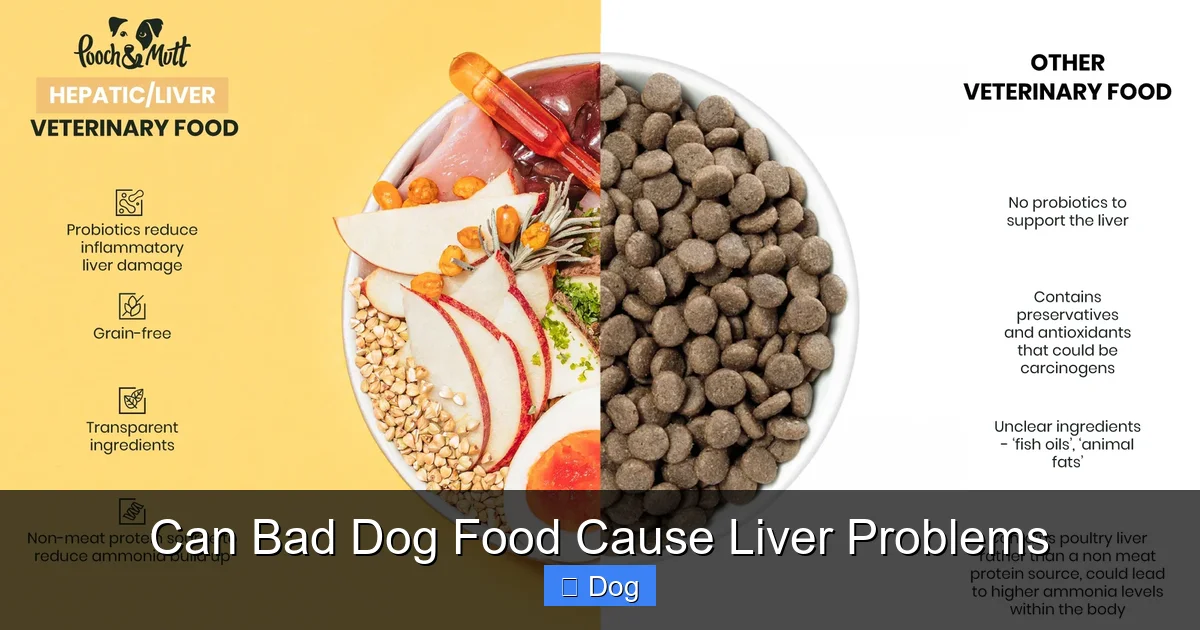
Yes, bad dog food can absolutely cause liver problems in dogs. Low-quality ingredients, harmful additives, mold toxins, and nutritional imbalances can overload and damage the liver over time. Choosing high-quality, vet-approved food is essential for protecting your dog’s liver and overall health.
Key Takeaways
- Poor-quality dog food may contain toxins like aflatoxins that directly harm the liver. These mold-based poisons, often found in cheap grains, can lead to acute or chronic liver damage.
- Artificial preservatives, fillers, and by-products strain liver function. Ingredients like BHA, BHT, corn syrup, and meat by-products offer little nutrition and increase toxic load.
- Excessive carbohydrates and low protein can disrupt metabolism and liver health. Dogs thrive on balanced protein; too many carbs force the liver to work harder.
- Sudden diet changes or contaminated batches can trigger liver issues. Always transition foods gradually and check for recalls or contamination reports.
- Early symptoms of liver problems include vomiting, lethargy, and yellowing gums. Watch for subtle signs and consult your vet if you notice changes in appetite or behavior.
- High-quality, whole-food diets support liver detoxification and long-term wellness. Look for named meats, natural preservatives, and vet-formulated recipes.
- Regular vet check-ups and blood tests help catch liver issues early. Routine screenings can detect liver enzyme elevations before symptoms appear.
📑 Table of Contents
Can Bad Dog Food Cause Liver Problems?
If you’re a dog parent, you probably spend a lot of time thinking about what your furry friend eats. After all, food is fuel—and when it comes to your dog’s health, the quality of that fuel matters more than you might think. One of the most vital yet often overlooked organs in your dog’s body is the liver. It’s responsible for filtering toxins, producing essential proteins, storing vitamins, and aiding digestion. But what happens when that hardworking organ is constantly bombarded with harmful ingredients from low-quality dog food?
The truth is, yes—bad dog food can cause liver problems. It’s not just about what’s missing (like proper nutrition), but also about what’s present: toxic additives, moldy grains, artificial chemicals, and low-grade by-products that your dog’s liver has to work overtime to process. Over time, this constant strain can lead to inflammation, scarring, and even liver failure. And while genetics and infections can also play a role, diet remains one of the most controllable and impactful factors in your dog’s liver health.
You might be wondering, “How bad can dog food really be?” After all, it’s sold in stores, labeled as “complete and balanced,” and often endorsed by big brands. But the reality is that not all dog foods are created equal. Some are packed with fillers, hidden toxins, and ingredients that offer little nutritional value. And because dogs can’t speak up when they’re feeling unwell, liver problems often go unnoticed until they’ve progressed significantly. That’s why understanding the link between diet and liver health is so important—not just for treating issues, but for preventing them in the first place.
How the Liver Works in Dogs
Visual guide about Can Bad Dog Food Cause Liver Problems
Image source: smilecraftdental.com
Before we dive into how bad food affects the liver, it helps to understand what this amazing organ actually does. Think of the liver as your dog’s internal detox center, metabolic powerhouse, and nutrient processor—all rolled into one. It’s one of the few organs in the body that can regenerate, which is a good thing because it’s under constant assault from environmental toxins, medications, and, yes, the food your dog eats.
The liver performs over 500 functions, but some of the most important include filtering blood from the digestive tract, producing bile to help digest fats, storing glycogen for energy, and converting nutrients into forms the body can use. It also plays a key role in breaking down drugs, hormones, and other chemicals. When your dog eats something harmful—like a moldy kibble or a treat full of artificial preservatives—the liver is the first line of defense. It tries to neutralize and eliminate these toxins before they can cause damage.
But here’s the catch: the liver has limits. When it’s constantly overloaded with poor-quality food, it can become inflamed, fatty, or scarred—conditions known as hepatitis, fatty liver disease, or cirrhosis. And because the liver is so resilient, dogs often don’t show symptoms until the damage is advanced. That’s why prevention through diet is so crucial. A healthy liver means a healthier, happier dog. But a compromised one can lead to serious, even life-threatening, health issues.
The Liver’s Role in Detoxification
One of the liver’s most critical jobs is detoxification. Every time your dog eats, drinks, or breathes in something potentially harmful, the liver steps in to clean up the mess. It uses enzymes to break down toxins into water-soluble compounds that can be safely excreted through urine or bile. This process is especially important for dogs because they’re naturally curious—sniffing, licking, and eating things they shouldn’t.
But when the liver is constantly processing low-quality food filled with artificial colors, preservatives, and chemical additives, its detox pathways can become overwhelmed. Over time, this can lead to a buildup of toxins in the body, causing oxidative stress and inflammation. In severe cases, this can result in acute liver injury or chronic liver disease. That’s why feeding your dog clean, natural ingredients isn’t just about nutrition—it’s about reducing the toxic burden on their liver.
Common Liver Conditions in Dogs
Several liver conditions can develop in dogs, many of which are linked to diet. One of the most common is hepatic lipidosis, or fatty liver disease, where fat accumulates in liver cells. This can happen when a dog eats a high-carb, low-protein diet, forcing the liver to store excess fat instead of processing it efficiently. Another condition is chronic hepatitis, which involves long-term inflammation of the liver. This can be triggered by repeated exposure to toxins, including those found in some commercial dog foods.
Copper storage disease is another concern, especially in certain breeds like Bedlington Terriers and Dobermans. In these dogs, the liver can’t properly excrete copper, leading to a buildup that damages liver tissue. While genetics play a role, diet can worsen the condition—especially if the food is high in copper or lacks balancing nutrients like zinc. Finally, liver shunts (abnormal blood vessels that bypass the liver) can also affect liver function, though these are usually congenital. Still, poor nutrition can exacerbate symptoms and reduce quality of life.
Ingredients in Bad Dog Food That Harm the Liver
Not all dog food ingredients are created equal—and some are downright dangerous. While premium brands use whole meats, vegetables, and natural preservatives, cheaper options often rely on fillers, by-products, and chemical additives to cut costs. These ingredients don’t just lack nutritional value; they can actively harm your dog’s liver over time.
One of the biggest culprits is low-quality grains like corn, wheat, and soy. These are often used as cheap fillers to bulk up kibble, but they’re hard for dogs to digest and can promote inflammation. Worse, they’re prone to mold growth, especially in humid storage conditions. When mold grows on grains, it can produce aflatoxins—potent liver toxins that have been linked to liver cancer and acute liver failure in dogs.
Artificial preservatives are another red flag. Chemicals like BHA (butylated hydroxyanisole), BHT (butylated hydroxytoluene), and ethoxyquin are commonly used to extend shelf life, but they’ve been associated with liver and kidney damage in animal studies. Ethoxyquin, in particular, is controversial—it’s banned in human food in many countries but still allowed in some pet foods. Even “natural” preservatives like mixed tocopherols (vitamin E) are safer, but many budget brands skip them altogether to save money.
Meat by-products and unnamed protein sources are also problematic. These can include parts of animals not fit for human consumption—like beaks, feet, or diseased tissue. Not only are they low in nutritional value, but they may contain contaminants or hormones that stress the liver. Similarly, foods labeled with vague terms like “meat meal” or “animal digest” offer little transparency and can be a sign of poor-quality sourcing.
Hidden Toxins: Aflatoxins and Mold
Aflatoxins are a type of mycotoxin produced by certain molds, especially Aspergillus flavus and Aspergillus parasiticus. These molds thrive in warm, moist environments and can grow on crops like corn, peanuts, and grains—common ingredients in many dog foods. When dogs ingest aflatoxin-contaminated food, the toxin is absorbed in the gut and quickly transported to the liver, where it causes severe damage.
Aflatoxin poisoning can be acute or chronic. Acute cases happen when a dog eats a large amount of contaminated food at once, leading to sudden liver failure, vomiting, seizures, and even death. Chronic exposure, on the other hand, occurs over time with repeated ingestion of low levels of aflatoxins. This can lead to liver cancer, immune suppression, and long-term liver dysfunction. In fact, several dog food recalls in recent years have been due to dangerous levels of aflatoxins.
The scary part? You can’t always see or smell mold in dog food. It can be hidden inside kibble or in the ingredients before processing. That’s why it’s so important to choose brands that test for mycotoxins and use high-quality, properly stored grains. Look for foods that use human-grade ingredients and have transparent sourcing practices.
Artificial Additives and Preservatives
Artificial preservatives like BHA, BHT, and propylene glycol are used to prevent fats from going rancid in dog food. While they help extend shelf life, they come with serious health risks. BHA and BHT are classified as possible human carcinogens by the International Agency for Research on Cancer, and studies in animals have shown they can cause liver and kidney damage.
Propylene glycol, often found in semi-moist dog foods, is another concern. While it’s technically safe in small amounts, it can be toxic to dogs in larger doses—especially for breeds prone to hemolytic anemia. It’s also derived from petroleum, which raises questions about its long-term safety.
Even some “natural” additives can be problematic. For example, excessive amounts of vitamin A or D can be toxic to the liver. While these vitamins are essential in the right balance, over-supplementation—common in some fortified dog foods—can lead to liver damage. Always check the ingredient list and avoid foods with long lists of unpronounceable chemicals.
Symptoms of Liver Problems in Dogs
Liver disease in dogs is often called a “silent killer” because symptoms don’t appear until the organ is significantly damaged. That’s why it’s so important to recognize the early warning signs and act quickly. The liver is incredibly resilient, but once it starts to fail, the consequences can be severe.
One of the first signs of liver trouble is a change in appetite. Your dog might lose interest in food or eat less than usual. You might also notice vomiting or diarrhea, especially if it’s persistent or contains bile. Lethargy is another common symptom—your dog may seem tired, weak, or unwilling to play or go for walks. These signs are easy to dismiss as minor issues, but when they persist, they warrant a vet visit.
More advanced symptoms include jaundice, which is a yellowing of the gums, eyes, or skin. This happens when the liver can’t process bilirubin, a byproduct of red blood cell breakdown. You might also notice a swollen abdomen due to fluid buildup (ascites), increased thirst and urination, or dark urine. In severe cases, dogs may experience seizures, disorientation, or even coma due to toxin buildup in the brain.
Early Warning Signs to Watch For
Early detection is key to managing liver disease. While some symptoms are obvious, others are subtle and easy to miss. For example, your dog might drink more water than usual or have bad breath with a sweet or musty odor—a sign of liver dysfunction. You might also notice changes in stool color, such as pale or grayish feces, which can indicate a bile flow problem.
Behavioral changes are another red flag. A normally energetic dog that becomes withdrawn or irritable could be in pain or discomfort. Similarly, if your dog starts hiding, panting excessively, or seems confused, it’s time to get them checked. Even small changes in routine—like not wanting to jump on the couch or avoiding stairs—can signal underlying health issues.
When to See a Veterinarian
If you notice any of the symptoms mentioned above, don’t wait. Schedule a vet appointment as soon as possible. Your veterinarian will likely perform a physical exam, blood tests (including liver enzyme panels), and possibly an ultrasound or biopsy to assess liver health. Early diagnosis can make a huge difference in treatment outcomes.
Blood tests are especially important because they can detect elevated liver enzymes (like ALT and ALP) before symptoms appear. These enzymes are released when liver cells are damaged, so high levels are a clear warning sign. Your vet may also check for low albumin, high bilirubin, or clotting issues—all indicators of liver dysfunction.
How to Choose Liver-Friendly Dog Food
The good news is that you have the power to protect your dog’s liver through smart food choices. By selecting high-quality, nutrient-dense diets, you can reduce the toxic load on your dog’s liver and support its natural detoxification processes. But with so many options on the market, how do you know what’s best?
Start by reading the ingredient list. The first ingredient should be a named source of animal protein—like “chicken,” “salmon,” or “turkey”—not a vague term like “meat meal” or “poultry by-product.” Whole meats provide essential amino acids that support liver function and overall health. Avoid foods with excessive carbohydrates, especially corn, wheat, and soy, which can contribute to fatty liver disease.
Look for natural preservatives like mixed tocopherols (vitamin E), rosemary extract, or ascorbic acid (vitamin C). These are safer alternatives to chemical preservatives and help maintain freshness without harming the liver. Also, check for added nutrients like choline, methionine, and SAM-e, which support liver detoxification and cell repair.
What to Look for on the Label
When shopping for dog food, the label is your best friend. Look for foods that are AAFCO (Association of American Feed Control Officials) compliant, which means they meet minimum nutritional standards. But don’t stop there—check the ingredient list for quality and transparency.
Avoid foods with artificial colors, flavors, or sweeteners. These offer no nutritional benefit and can contribute to inflammation. Similarly, steer clear of foods with added sugars or syrups, which can lead to obesity and metabolic stress.
Choose brands that use whole, recognizable ingredients and avoid by-products, fillers, and unnamed meat sources. If a brand lists “chicken meal” instead of “chicken,” make sure it’s a named meal (like “chicken meal” not “meat meal”) and that it’s sourced from a reputable supplier.
Recommended Diets for Liver Health
For dogs with existing liver issues, your vet may recommend a prescription diet formulated specifically for liver support. These diets are low in copper, high in high-quality protein, and enriched with antioxidants and B vitamins. Brands like Hill’s Prescription Diet l/d, Royal Canin Hepatic, and Purina Pro Plan Veterinary Diets NF are commonly prescribed.
For healthy dogs, a balanced, whole-food diet is ideal. Look for brands that use fresh meats, vegetables, and healthy fats. Raw or gently cooked diets can also be beneficial, as they preserve natural enzymes and nutrients. Just make sure to follow safe handling practices to avoid bacterial contamination.
Prevention and Long-Term Liver Care
Preventing liver problems starts with consistent, high-quality nutrition—but it doesn’t end there. Regular vet check-ups, proper hydration, and a healthy lifestyle all play a role in keeping your dog’s liver in top shape.
Schedule annual wellness exams, and consider blood work every 6–12 months for older dogs or breeds prone to liver issues. Early detection is key to managing liver disease and improving outcomes. Your vet can monitor liver enzyme levels and catch problems before they become serious.
Keep your dog hydrated by providing fresh, clean water at all times. Dehydration can strain the liver and kidneys, so make sure your dog always has access to water, especially after exercise or in hot weather.
Avoid over-the-counter medications unless approved by your vet. Many human drugs, like acetaminophen (Tylenol), are extremely toxic to dogs and can cause liver failure even in small doses. Always consult your veterinarian before giving your dog any medication or supplement.
Supplements That Support Liver Health
Certain supplements can help support liver function and repair. Milk thistle (silymarin) is one of the most well-researched liver protectants. It acts as an antioxidant and helps regenerate liver cells. SAM-e (S-adenosylmethionine) is another popular supplement that supports detoxification and reduces inflammation.
Other beneficial supplements include omega-3 fatty acids (from fish oil), which reduce inflammation, and B-complex vitamins, which aid in metabolism and liver function. Always talk to your vet before starting any supplement, as some can interact with medications or be harmful in certain conditions.
Conclusion
So, can bad dog food cause liver problems? The answer is a resounding yes. From toxic mold to artificial preservatives and low-quality ingredients, the food your dog eats plays a major role in their liver health. The liver is a vital organ that works tirelessly to keep your dog healthy, but it can only do so much when constantly exposed to harmful substances.
By choosing high-quality, whole-food diets, avoiding fillers and chemicals, and staying alert to early symptoms, you can protect your dog’s liver and ensure they live a long, healthy life. Remember, prevention is always better than treatment. A little attention to what’s in your dog’s bowl today can prevent serious health issues down the road.
Your dog depends on you to make the best choices for their well-being. So next time you’re at the pet store, take a closer look at those ingredient labels. Your dog’s liver will thank you.
Frequently Asked Questions
Can bad dog food cause liver problems?
Yes, bad dog food can cause liver problems. Low-quality ingredients, toxins like aflatoxins, and harmful additives can damage the liver over time, leading to inflammation, fatty liver disease, or even liver failure.
What are the signs of liver problems in dogs?
Common signs include vomiting, lethargy, loss of appetite, yellowing of the gums or eyes (jaundice), increased thirst, and a swollen abdomen. Early detection is crucial for effective treatment.
How can I tell if my dog’s food is bad for their liver?
Check the ingredient list for fillers like corn and soy, artificial preservatives (BHA, BHT), and unnamed meat by-products. High-quality foods list named meats first and use natural preservatives.
Can switching dog food help liver health?
Yes, switching to a high-quality, liver-friendly diet can reduce toxin exposure and support liver function. For dogs with existing liver issues, a vet may recommend a prescription diet.
Are homemade diets better for liver health?
Homemade diets can be beneficial if properly balanced, but they require careful planning to avoid nutritional deficiencies. Consult a veterinary nutritionist to ensure your dog gets all essential nutrients.
How often should I have my dog’s liver checked?
Annual vet check-ups are recommended for all dogs, with blood work every 6–12 months for older dogs or breeds prone to liver disease. Early screening can detect problems before symptoms appear.