

Bearded dragons should not eat wet dog food. While it may seem convenient, wet dog food lacks the proper nutrients for reptiles and can cause serious health issues. Stick to a diet of insects, leafy greens, and occasional fruits for a healthy bearded dragon.
Key Takeaways
- Wet dog food is not safe for bearded dragons: It contains ingredients like grains, fillers, and high sodium that are harmful to reptiles.
- Bearded dragons need a balanced diet of insects and vegetables: Their digestive systems are designed for protein from live prey and fiber from greens, not processed pet food.
- High fat and salt content in dog food can lead to health problems: Obesity, kidney damage, and dehydration are common risks when feeding inappropriate foods.
- Dog food lacks essential nutrients for reptiles: Calcium, vitamin D3, and proper calcium-to-phosphorus ratios are missing or imbalanced in dog food.
- Stick to species-appropriate foods: Crickets, dubia roaches, collard greens, and squash are ideal staples for a thriving bearded dragon.
- Always consult a reptile veterinarian before changing your pet’s diet: Professional guidance ensures your bearded dragon stays healthy and happy.
- Occasional treats should still be reptile-safe: Even small amounts of dog food can disrupt digestion and nutrient absorption.
📑 Table of Contents
Can Bearded Dragons Eat Wet Dog Food? The Truth You Need to Know
So, you’ve got a bearded dragon—maybe you’re a new owner or you’ve had your scaly friend for a while. They’re curious, they’re cute, and they seem to eye everything in your kitchen like it’s a potential snack. You might have even caught them staring at your dog’s food bowl with interest. And now you’re wondering: *Can bearded dragons eat wet dog food?* It’s a fair question, especially if you’re short on time or trying to find convenient feeding options.
But before you scoop up a spoonful of that meaty pâté and offer it to your bearded dragon, let’s pause. While it might seem like a protein-rich, easy-to-serve meal, wet dog food is not designed for reptiles. In fact, feeding it to your bearded dragon could do more harm than good. Bearded dragons have very specific dietary needs that differ greatly from dogs. Their digestive systems, nutritional requirements, and even their jaw structures are built for a diet of live insects and fresh vegetables—not processed pet food made for canines.
In this article, we’ll dive deep into why wet dog food is a no-go for bearded dragons, what’s actually in that can of dog food, and what you should be feeding your pet instead. We’ll also cover the risks of improper feeding, how to spot signs of dietary issues, and tips for keeping your bearded dragon healthy and happy. Whether you’re a first-time owner or just looking to double-check your feeding routine, this guide will give you the facts you need to make the best choices for your pet.
Understanding the Bearded Dragon Diet
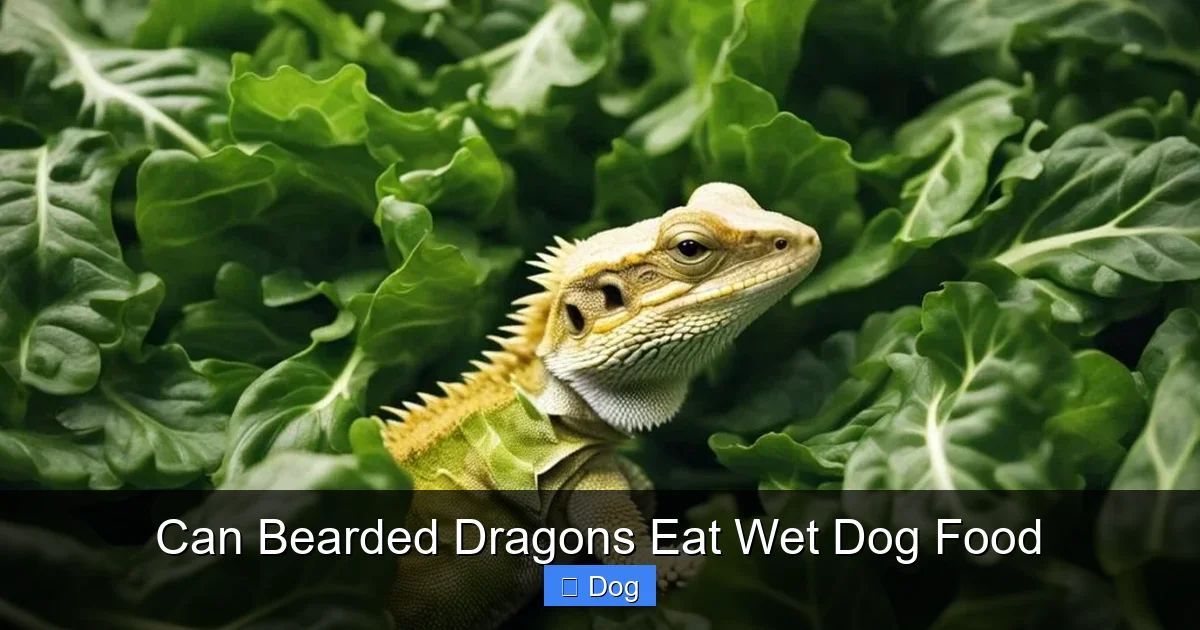
Visual guide about Can Bearded Dragons Eat Wet Dog Food
Image source: canbeardeddragons.com
To understand why wet dog food isn’t suitable, we first need to look at what bearded dragons naturally eat. These reptiles are omnivores, meaning they consume both animal-based and plant-based foods. In the wild, their diet consists mainly of insects like crickets, mealworms, and roaches, along with a variety of leafy greens, flowers, and occasional fruits. This balance provides them with the protein, fiber, vitamins, and minerals they need to thrive.
Young bearded dragons, especially those under 18 months, require a higher percentage of protein to support their rapid growth. Up to 70% of their diet can be insects, with the remaining 30% made up of vegetables and greens. As they age, the ratio shifts. Adult bearded dragons thrive on a diet that’s about 20-30% protein (insects) and 70-80% plant matter. This shift reflects their changing metabolism and reduced growth rate.
One of the most critical aspects of a bearded dragon’s diet is the calcium-to-phosphorus ratio. Ideally, this should be around 2:1 (twice as much calcium as phosphorus). This balance is essential for strong bones, proper muscle function, and preventing metabolic bone disease—a common and serious condition in captive reptiles. Most leafy greens like collard greens, mustard greens, and dandelion greens have a favorable calcium-to-phosphorus ratio, making them excellent staples.
In contrast, wet dog food is formulated for dogs, whose nutritional needs are entirely different. Dogs are primarily carnivorous but can digest grains, starches, and processed ingredients that reptiles cannot. Dog food often contains high levels of fat, salt, and fillers like corn, wheat, and soy—ingredients that offer little to no benefit to a bearded dragon and can actually be harmful.
What’s in Wet Dog Food?
Let’s take a closer look at what’s inside that can of wet dog food. Most commercial wet dog foods list meat or meat by-products as the first ingredient, which might make it seem like a good protein source. But the type of protein and how it’s processed matter a lot.
For example, many wet dog foods use rendered meat meals, which are cooked down and may include parts of animals not typically eaten by humans. These can be high in fat and low in usable protein for reptiles. Additionally, wet dog food often contains added fats and oils to enhance flavor and texture—great for dogs, but excessive for bearded dragons, who are prone to obesity.
Another major concern is sodium. Wet dog food is typically high in salt to preserve freshness and improve taste. Bearded dragons are highly sensitive to salt. Their kidneys are not designed to process high levels of sodium, and over time, this can lead to dehydration, kidney damage, or even organ failure.
Then there are the carbohydrates. Many wet dog foods include grains, vegetables, and starches like potatoes or peas. While these are fine for dogs, bearded dragons have a limited ability to digest complex carbohydrates. Their digestive tracts are short and simple, optimized for breaking down insects and leafy greens—not grains or processed starches. Feeding them dog food can lead to digestive upset, bloating, and impaction.
Finally, wet dog food lacks the essential vitamins and minerals that bearded dragons need. For instance, it’s often low in calcium and may not contain adequate levels of vitamin D3, which is crucial for calcium absorption. Without proper supplementation, bearded dragons can develop weak bones, deformities, and other health issues.
The Risks of Feeding Wet Dog Food to Bearded Dragons
Even if your bearded dragon seems to enjoy the taste of wet dog food, that doesn’t mean it’s safe. In fact, feeding it regularly—or even occasionally—can lead to a range of health problems.
One of the most immediate risks is digestive upset. Bearded dragons may experience diarrhea, vomiting, or loss of appetite after eating dog food. Their bodies simply aren’t equipped to process the ingredients, and the result can be discomfort and dehydration.
Over time, the high fat content in wet dog food can lead to obesity. Bearded dragons are naturally active, but in captivity, they often have limited space to move. Combined with a high-calorie diet, this can quickly result in weight gain. Obesity puts extra strain on their organs and can shorten their lifespan.
Another serious concern is kidney damage. As mentioned earlier, the high sodium content in dog food is hard on a bearded dragon’s kidneys. Chronic exposure can lead to renal failure, which is often fatal if not caught early.
Perhaps the most dangerous risk is metabolic bone disease (MBD). This condition occurs when a bearded dragon doesn’t get enough calcium or vitamin D3, or when the calcium-to-phosphorus ratio is imbalanced. Symptoms include soft or deformed bones, lethargy, tremors, and difficulty walking. MBD is painful and can be irreversible if not treated promptly. Since wet dog food lacks proper calcium and may have an imbalanced mineral profile, it contributes directly to this risk.
Even if you’re only offering dog food as a “treat,” it’s not worth the danger. A small amount might not cause immediate harm, but it can still disrupt your bearded dragon’s digestive system and nutrient absorption. Over time, these small exposures can add up and lead to chronic health issues.
What Should You Feed Your Bearded Dragon Instead?
Now that we’ve established why wet dog food is off the menu, let’s talk about what you *should* be feeding your bearded dragon. A proper diet is the foundation of good health, and with a little planning, it’s easy to provide a balanced, nutritious meal plan.
Protein Sources: The Insect Staples
For young bearded dragons, live insects are the cornerstone of their diet. These provide essential protein for growth and development. Some of the best options include:
– **Crickets:** Widely available and nutritious, crickets are a great staple. Make sure they’re gut-loaded (fed nutritious foods before being offered to your dragon) and appropriately sized—no larger than the space between your dragon’s eyes.
– **Dubia Roaches:** These are becoming increasingly popular due to their high protein content, low odor, and ease of breeding. They’re also less likely to escape than crickets.
– **Mealworms:** While nutritious, mealworms have a hard exoskeleton that can be difficult to digest, especially for young dragons. Offer them in moderation and avoid feeding them as a primary food source.
– **Superworms:** Larger and higher in fat, superworms should be given as occasional treats, not daily staples.
– **Black Soldier Fly Larvae (Phoenix Worms):** These are rich in calcium and have a favorable calcium-to-phosphorus ratio, making them an excellent choice.
Always dust insects with a calcium supplement (without vitamin D3 if your dragon gets UVB light) at every feeding for young dragons, and 2-3 times per week for adults. For growing dragons, a multivitamin supplement can also be added once or twice a week.
Vegetables and Greens: The Plant-Based Foundation
As your bearded dragon matures, vegetables should make up the majority of their diet. These provide fiber, vitamins, and hydration. Focus on dark, leafy greens and avoid iceberg lettuce, which is mostly water and offers little nutrition.
Great vegetable options include:
– **Collard greens:** High in calcium and easy to find.
– **Mustard greens:** Nutrient-dense and well-accepted by most dragons.
– **Dandelion greens:** Packed with vitamins A and K; make sure they’re pesticide-free.
– **Turnip greens:** Another calcium-rich option.
– **Butternut squash and acorn squash:** Provide vitamin A and are easy to digest.
– **Bell peppers:** Colorful and rich in vitamin C.
Avoid spinach, chard, and beet greens, as they contain oxalates that can bind calcium and prevent absorption.
Fruits: Occasional Treats Only
Fruits should be given sparingly—no more than 10% of the total diet. They’re high in sugar, which can lead to obesity and digestive issues if overfed. Safe fruit options include:
– Blueberries
– Strawberries (in small amounts)
– Mango
– Papaya
– Melon (cantaloupe or honeydew)
Always remove seeds and pits, and cut fruits into small, manageable pieces.
Hydration: Don’t Forget the Water
While bearded dragons get most of their hydration from food, they still need access to fresh water. Some dragons enjoy drinking from a shallow dish, while others prefer to be misted or offered water via a dropper. Misting the enclosure daily can also help maintain humidity and encourage drinking.
Common Feeding Mistakes to Avoid
Even with the best intentions, it’s easy to make mistakes when feeding a bearded dragon. Here are some common pitfalls to watch out for:
Overfeeding Insects
While protein is important, too many insects—especially fatty ones like waxworms or superworms—can lead to obesity. Stick to a balanced rotation and avoid letting your dragon eat unlimited insects.
Ignoring Supplements
Calcium and vitamin supplements are non-negotiable. Without them, your bearded dragon is at high risk for metabolic bone disease. Always follow a consistent supplementation schedule based on your dragon’s age and UVB exposure.
Feeding the Wrong Vegetables
Not all greens are created equal. Avoid high-oxalate vegetables and iceberg lettuce. Stick to the recommended staples and rotate them to provide variety.
Using Inadequate UVB Lighting
UVB light is essential for vitamin D3 synthesis, which allows your dragon to absorb calcium. Without proper lighting, even a perfect diet won’t prevent MBD. Use a high-quality UVB tube light and replace it every 6-12 months, as their effectiveness diminishes over time.
Feeding Wild-Caught Insects
Insects from your backyard may carry pesticides or parasites. Always purchase insects from reputable suppliers or breed them yourself.
Signs Your Bearded Dragon Isn’t Eating Right
Even with the best care, dietary issues can sneak up. Watch for these warning signs that your bearded dragon may not be getting the nutrition they need:
– **Lethargy or weakness:** A lack of energy could indicate low calcium or poor diet.
– **Swollen or soft jaw:** A classic sign of metabolic bone disease.
– **Difficulty walking or climbing:** Could be due to bone deformities or muscle weakness.
– **Loss of appetite:** May signal digestive upset or illness.
– **Abnormal feces:** Diarrhea, constipation, or undigested food can point to dietary problems.
– **Weight loss or gain:** Sudden changes in body condition should be evaluated by a vet.
If you notice any of these symptoms, consult a reptile veterinarian immediately. Early intervention can make a big difference in your dragon’s recovery.
Final Thoughts: Keep Your Bearded Dragon Healthy and Happy
So, can bearded dragons eat wet dog food? The answer is a clear and firm *no*. While it might seem like a convenient or protein-rich option, wet dog food is not safe for reptiles. It lacks the proper nutrients, contains harmful ingredients, and can lead to serious health problems over time.
Instead, focus on providing a balanced diet of live insects, leafy greens, and occasional fruits. Supplement with calcium and vitamins, ensure proper UVB lighting, and monitor your dragon’s health closely. With the right care, your bearded dragon can live a long, active, and happy life.
Remember, every bite counts when it comes to your pet’s health. Skip the dog food, stick to the staples, and your bearded dragon will thank you with vibrant colors, strong bones, and a curious, energetic personality.
Frequently Asked Questions
Can bearded dragons eat wet dog food as a treat?
No, even as a treat, wet dog food is not safe for bearded dragons. The high sodium, fat, and improper nutrient balance can cause digestive and health issues, even in small amounts.
What happens if my bearded dragon eats wet dog food?
If your bearded dragon accidentally eats a small amount, monitor them closely for signs of digestive upset like diarrhea or lethargy. Contact a reptile vet if symptoms appear. Avoid repeating the mistake.
Is dry dog food any better for bearded dragons?
No, dry dog food is also unsuitable. It contains similar problematic ingredients like grains, fillers, and high salt, and is even harder for reptiles to digest due to its texture and processing.
Can I mix wet dog food with vegetables for my bearded dragon?
No, mixing dog food with vegetables doesn’t make it safe. The harmful ingredients in dog food still pose risks, and the mixture won’t correct the nutritional imbalances.
What protein sources are safe for bearded dragons?
Safe protein sources include crickets, dubia roaches, mealworms (in moderation), and black soldier fly larvae. Always gut-load and dust insects with supplements before feeding.
How often should I feed my bearded dragon?
Young bearded dragons should be fed insects 2-3 times daily and vegetables daily. Adults can be fed insects every other day and vegetables daily. Adjust based on age, size, and activity level.