
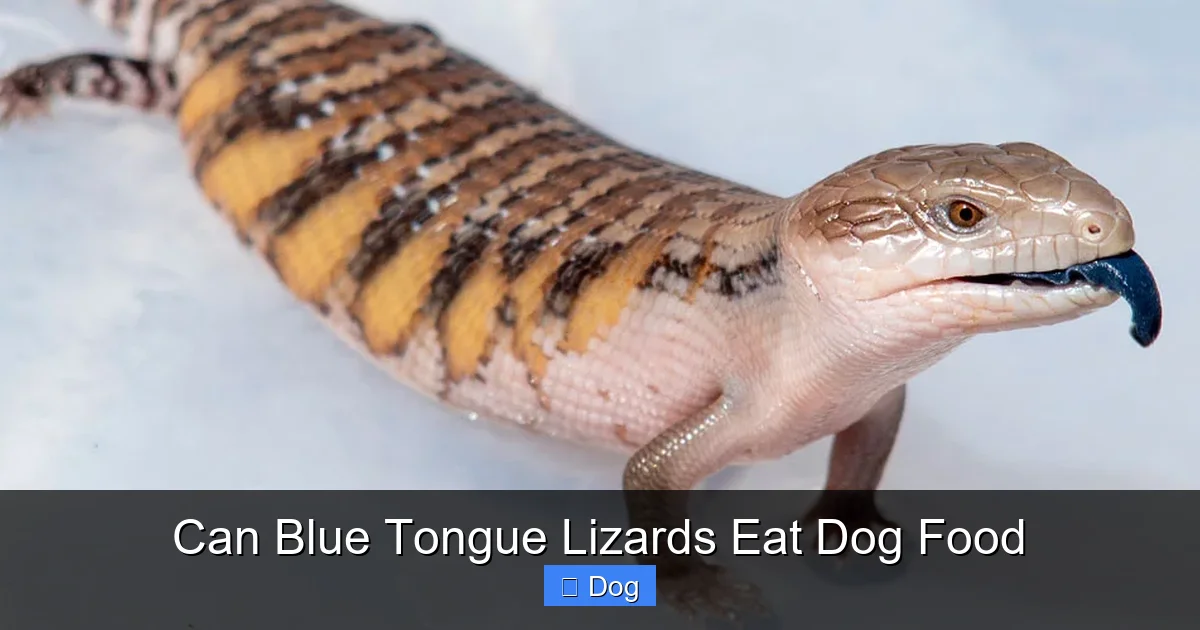
Blue tongue lizards can occasionally eat small amounts of high-quality dog food, but it should never replace their balanced diet of insects, vegetables, and fruits. While some owners use dog food as a protein supplement, improper use can lead to health issues like kidney damage or obesity.
Key Takeaways
- Dog food is not ideal for blue tongue lizards: It lacks the proper calcium-to-phosphorus ratio and contains fillers not suited for reptiles.
- Occasional use may be safe: High-quality, grain-free dog food in tiny amounts can serve as a protein boost, but only rarely.
- Improper diet leads to health problems: Overfeeding dog food can cause metabolic bone disease, kidney strain, and obesity in blue tongue skinks.
- Whole foods are better: Insects like crickets and mealworms, plus leafy greens and fruits, should make up the bulk of their diet.
- Hydration matters: Always provide fresh water, as dog food is dry and can dehydrate your lizard if not balanced with moisture-rich foods.
- Consult a reptile vet: Before making any dietary changes, talk to a veterinarian experienced with reptiles.
- Monitor your lizard closely: Watch for changes in behavior, appetite, or stool after introducing new foods like dog food.
📑 Table of Contents
- Can Blue Tongue Lizards Eat Dog Food?
- Understanding the Blue Tongue Lizard’s Natural Diet
- What’s in Dog Food—And Why It Matters
- Can Blue Tongue Lizards Eat Dog Food? The Short Answer
- Risks of Feeding Dog Food to Blue Tongue Lizards
- Safer Alternatives to Dog Food
- How to Feed Your Blue Tongue Lizard Safely
- When Might Dog Food Be Acceptable?
- Conclusion
Can Blue Tongue Lizards Eat Dog Food?
If you’re a proud owner of a blue tongue lizard—also known as a blue tongue skink—you’ve probably wondered what’s safe to feed your scaly friend. These curious, docile reptiles are omnivores, meaning they eat both plant and animal matter. That opens the door to a wide variety of foods, but it also raises questions: Can blue tongue lizards eat dog food? It’s a common query among new and experienced reptile keepers alike.
At first glance, dog food might seem like a convenient protein source. After all, it’s packed with meat, it’s shelf-stable, and it’s easy to store. But just because it’s food for dogs doesn’t mean it’s suitable for lizards. Blue tongue skinks have very specific dietary needs that differ greatly from those of canines. While dog food isn’t immediately toxic, it’s far from ideal—and in some cases, it can even be harmful if fed regularly or in large amounts.
In this guide, we’ll dive deep into whether blue tongue lizards can eat dog food, the potential risks and benefits, and how to keep your pet healthy and happy with a proper diet. Whether you’re considering using dog food as a supplement or just curious about your lizard’s nutritional needs, this article will give you the facts you need to make informed decisions.
Understanding the Blue Tongue Lizard’s Natural Diet
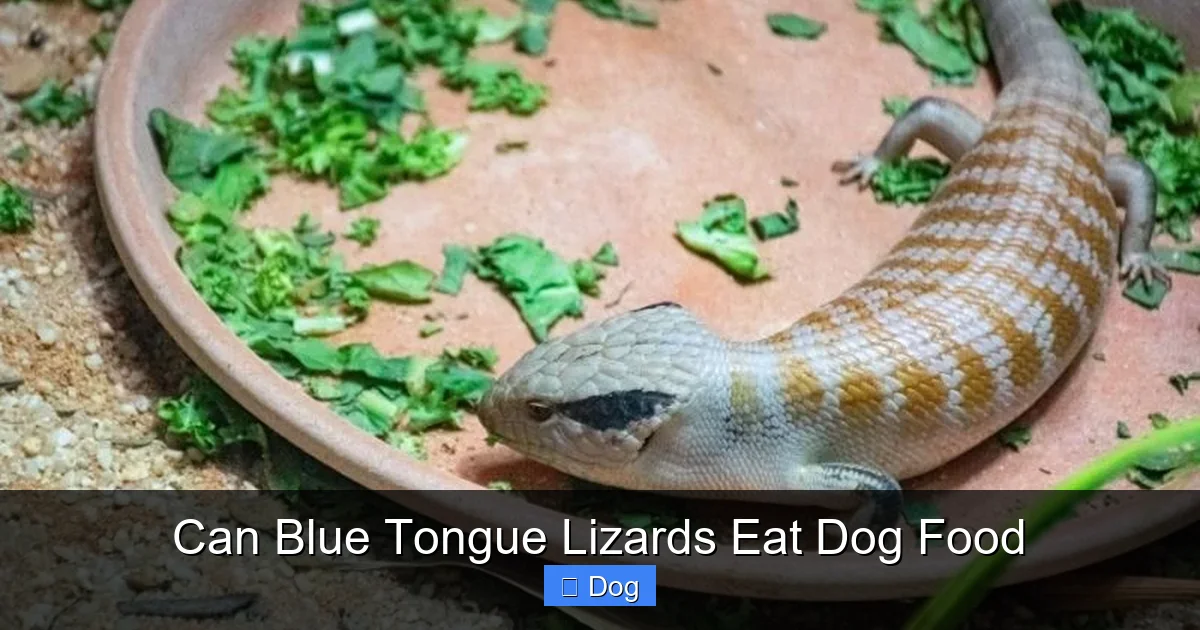
Visual guide about Can Blue Tongue Lizards Eat Dog Food
Image source: reptilecraze.com
To answer whether blue tongue lizards can eat dog food, it helps to first understand what they eat in the wild. Blue tongue skinks are native to Australia, New Guinea, and parts of Indonesia. In their natural habitat, they’re opportunistic feeders, meaning they eat whatever is available and nutritious. Their diet is a balanced mix of animal protein and plant matter.
In the wild, blue tongue lizards consume a variety of insects such as crickets, beetles, and worms. They also eat small vertebrates like baby mice or lizards, and occasionally even carrion. On the plant side, they munch on leaves, flowers, berries, and fruits. This diverse diet provides them with essential nutrients, including protein, calcium, vitamins, and fiber.
One of the most important aspects of their natural diet is the balance between calcium and phosphorus. Reptiles like blue tongue skinks need more calcium than phosphorus to maintain strong bones and prevent metabolic bone disease. In the wild, this balance is naturally achieved through whole foods. For example, insects have a better calcium-to-phosphorus ratio than many processed foods, and leafy greens are rich in calcium.
When we bring these lizards into captivity, it’s our responsibility to replicate this natural diet as closely as possible. That means offering a variety of live insects, fresh vegetables, and occasional fruits. While convenience foods like dog food might seem like a shortcut, they often fall short in providing the right balance of nutrients.
What’s in Dog Food—And Why It Matters
So, what exactly is in dog food, and why might it be problematic for blue tongue lizards? Most commercial dog foods are formulated for canines, whose digestive systems and nutritional needs are very different from reptiles. Let’s break down the typical ingredients and how they affect your lizard.
Protein Sources
Dog food often lists meat as the first ingredient—chicken, beef, lamb, or fish. That might sound good, but the quality varies. Many dog foods use meat by-products or rendered meats that are less digestible and nutritious than whole prey items. Blue tongue lizards thrive on whole, fresh protein sources like gut-loaded crickets or cooked eggs, which are easier to digest and more biologically appropriate.
Grains and Fillers
Many dog foods contain grains like corn, wheat, or rice. These are used as fillers to bulk up the food and reduce costs. While dogs can digest grains relatively well, reptiles like blue tongue skinks have a much shorter digestive tract and aren’t designed to process large amounts of carbohydrates. Grains can lead to digestive issues, including bloating and impaction.
Calcium and Phosphorus Imbalance
This is a big one. Most dog foods have a higher phosphorus content than calcium. For reptiles, this is a red flag. A proper calcium-to-phosphorus ratio should be at least 2:1 (twice as much calcium as phosphorus). In many dog foods, the ratio is reversed or close to 1:1, which can lead to calcium deficiency over time. This deficiency is a major cause of metabolic bone disease in captive reptiles—a painful condition that weakens bones and can be fatal.
Additives and Preservatives
Dog food often contains artificial colors, flavors, and preservatives like BHA and BHT. While these are generally recognized as safe for dogs, their long-term effects on reptiles are unknown. Reptiles are more sensitive to chemicals, and unnecessary additives can stress their liver and kidneys.
Moisture Content
Dry dog food is, well, dry. Blue tongue lizards need moisture in their diet to stay hydrated. In the wild, they get water from their food and by licking dew. In captivity, they rely on fresh vegetables, fruits, and a water dish. Feeding dry kibble without sufficient hydration can lead to dehydration, especially in arid environments.
Can Blue Tongue Lizards Eat Dog Food? The Short Answer
So, can blue tongue lizards eat dog food? The short answer is: yes, but with major caveats. It’s not toxic in small amounts, and some reptile owners have used it as an occasional protein supplement. However, it should never be a staple or regular part of their diet.
Think of dog food like junk food for humans—it might not kill you immediately, but eating it every day will cause problems over time. The same goes for your blue tongue skink. A tiny piece of high-quality, grain-free dog food once in a blue moon probably won’t harm your lizard. But feeding it regularly can lead to serious health issues.
The key is moderation and quality. If you do choose to offer dog food, make sure it’s:
– Grain-free
– High in real meat (not by-products)
– Low in fillers and artificial additives
– Given in very small amounts (no more than the size of your lizard’s eye)
Even then, it’s best to use it only as an emergency protein source—like if you’re out of crickets and can’t get to the pet store. And always follow it up with a balanced meal of insects and vegetables.
Risks of Feeding Dog Food to Blue Tongue Lizards
While the idea of using dog food might seem convenient, the risks often outweigh the benefits. Let’s look at the potential health problems that can arise from feeding dog food to your blue tongue lizard.
Metabolic Bone Disease (MBD)
This is one of the most common and serious issues in captive reptiles. MBD occurs when a lizard doesn’t get enough calcium or has an imbalance of calcium and phosphorus. Symptoms include soft or deformed bones, lethargy, tremors, and difficulty moving. In severe cases, it can lead to paralysis or death.
Because most dog foods are high in phosphorus and low in calcium, they contribute directly to this imbalance. Even if you’re dusting your lizard’s food with calcium powder, the excess phosphorus in dog food can still interfere with calcium absorption.
Kidney and Liver Stress
Reptiles have sensitive organs, and their kidneys and liver aren’t designed to process the high levels of protein and additives found in dog food. Over time, this can lead to organ stress or failure. Signs include swelling, loss of appetite, and changes in urination.
Obesity and Fatty Liver Disease
Dog food is calorie-dense, and blue tongue lizards aren’t built to handle high-fat diets. Overfeeding can lead to obesity, which puts extra strain on their joints and organs. Fatty liver disease is another risk, especially if the lizard isn’t getting enough exercise or variety in its diet.
Digestive Issues
The high carbohydrate content in many dog foods can cause bloating, constipation, or impaction in lizards. Their digestive systems are designed for whole, fibrous foods—not processed kibble. Impaction occurs when food or foreign material blocks the digestive tract, which can be life-threatening if not treated.
Nutritional Deficiencies
Even if dog food provides protein, it often lacks other essential nutrients like vitamin D3, vitamin A, and fiber. Blue tongue lizards need these for healthy skin, vision, and digestion. Relying on dog food can lead to deficiencies that aren’t immediately obvious but can cause long-term damage.
Safer Alternatives to Dog Food
If dog food isn’t the best choice, what should you feed your blue tongue lizard instead? The good news is there are plenty of safe, nutritious alternatives that are much better suited to their needs.
Live Insects
Insects should make up about 50–60% of an adult blue tongue lizard’s diet. Great options include:
– Crickets (gut-loaded and dusted with calcium)
– Dubia roaches
– Mealworms (in moderation—high in fat)
– Superworms (occasionally)
– Earthworms (wild-caught or from a trusted source)
Always feed insects that are no larger than the space between your lizard’s eyes to prevent choking.
Vegetables and Greens
Leafy greens and vegetables should be a daily staple. Aim for variety and color. Good choices include:
– Collard greens
– Mustard greens
– Dandelion greens
– Endive
– Butternut squash
– Green beans
– Bell peppers
Avoid iceberg lettuce—it’s mostly water and offers little nutrition.
Fruits (in Moderation)
Fruits are high in sugar, so they should be treats, not staples. Offer them once or twice a week. Safe options include:
– Blueberries
– Strawberries
– Mango
– Papaya
– Melon
Always remove seeds and pits, and wash thoroughly.
Occasional Protein Sources
In addition to insects, you can offer:
– Cooked, unseasoned chicken or turkey (small pieces)
– Hard-boiled eggs (with shell for calcium)
– Pinky mice (for larger adults, occasionally)
These mimic the variety they’d eat in the wild.
Supplements
Even with a balanced diet, supplements are important. Use a calcium supplement (without phosphorus) at every feeding for juveniles and every other feeding for adults. Add a multivitamin once or twice a week to cover any gaps.
How to Feed Your Blue Tongue Lizard Safely
Feeding your blue tongue lizard doesn’t have to be complicated. With a few simple guidelines, you can keep them healthy and thriving.
Create a Feeding Schedule
– Juveniles: Feed daily
– Adults: Feed every other day or 3–4 times per week
Offer food in the morning when they’re most active.
Use a Shallow Dish
Place food in a shallow dish to prevent ingestion of substrate (like coconut fiber or mulch), which can cause impaction.
Monitor Portion Sizes
A good rule of thumb: offer as much as your lizard can eat in 10–15 minutes. Remove uneaten food to prevent spoilage and bacteria growth.
Hydration is Key
Always provide a shallow water dish. Mist the enclosure lightly a few times a week to encourage drinking and maintain humidity.
Observe and Adjust
Watch your lizard’s behavior, weight, and stool. If they’re gaining too much weight, reduce portion sizes. If they’re losing weight or seem lethargic, consult a vet.
When Might Dog Food Be Acceptable?
Despite the risks, there are rare situations where dog food might be used—temporarily and cautiously.
For example, if you’re traveling and can’t access live insects, a small amount of high-quality, grain-free dog food could serve as a short-term protein source. Or if your lizard is recovering from illness and needs extra calories, your vet might suggest a temporary supplement.
In these cases:
– Choose a premium, grain-free dog food with real meat as the first ingredient
– Soak the kibble in water or reptile-safe broth to increase moisture
– Offer only a tiny amount—no more than once or twice
– Return to a normal diet as soon as possible
Always consult your reptile veterinarian before making any dietary changes, especially during illness or stress.
Conclusion
So, can blue tongue lizards eat dog food? Technically, yes—but it’s not recommended as a regular part of their diet. While it might seem like a convenient protein source, dog food lacks the proper nutritional balance that blue tongue skinks need to stay healthy. The risks—including metabolic bone disease, kidney stress, and obesity—far outweigh any short-term benefits.
Instead, focus on providing a varied diet of live insects, fresh vegetables, and occasional fruits. These whole foods more closely mimic what your lizard would eat in the wild and support long-term health. If you’re ever unsure about what to feed your blue tongue lizard, consult a reptile-savvy veterinarian. They can help you create a feeding plan tailored to your pet’s age, size, and health needs.
Remember, your blue tongue lizard depends on you for everything—including proper nutrition. By choosing the right foods and avoiding shortcuts like dog food, you’re giving your scaly friend the best chance at a long, happy life.
Frequently Asked Questions
Can blue tongue lizards eat dog food every day?
No, blue tongue lizards should not eat dog food every day. It lacks the proper calcium-to-phosphorus ratio and can lead to serious health issues like metabolic bone disease and kidney problems.
What kind of dog food is safest for blue tongue lizards?
If used at all, choose a high-quality, grain-free dog food with real meat as the first ingredient and no artificial additives. Even then, it should only be given rarely and in very small amounts.
Can baby blue tongue lizards eat dog food?
No, baby blue tongue lizards should not eat dog food. They need a diet rich in calcium and protein from insects and leafy greens to support rapid growth and development.
What should I do if my lizard accidentally eats dog food?
If your lizard eats a small amount of dog food once, don’t panic. Monitor them for changes in appetite, behavior, or stool. If they show signs of illness, contact a reptile vet immediately.
Are there any dog foods made specifically for reptiles?
No, there are no dog foods formulated for reptiles. Some companies make reptile-specific pellets, but even these should be used cautiously and as part of a varied diet.
How often can I feed my blue tongue lizard dog food?
Dog food should not be a regular part of their diet. If used at all, limit it to once every few months as an emergency protein source, and always follow up with a balanced meal.