
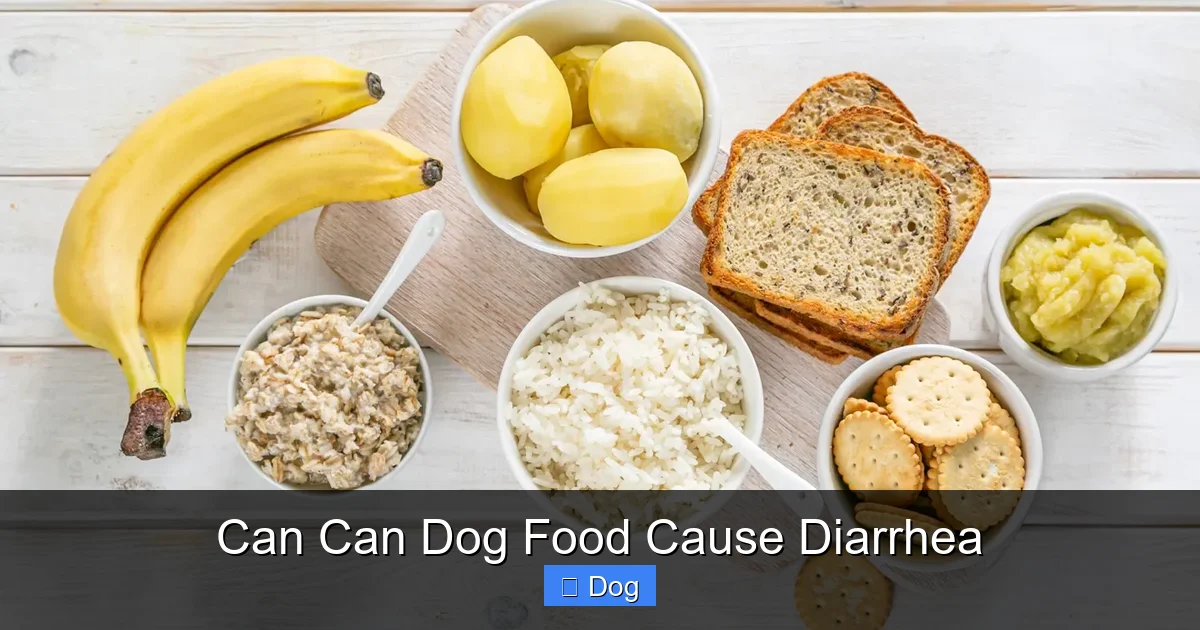
Yes, certain dog foods can cause diarrhea in dogs due to ingredients, allergies, or sudden diet changes. Understanding the root cause helps you make better feeding choices and keep your pup healthy and comfortable.
Key Takeaways
- Sudden diet changes can upset your dog’s stomach: Switching dog food too quickly disrupts gut bacteria, often leading to diarrhea.
- Low-quality ingredients may trigger digestive issues: Fillers, artificial additives, and by-products in some dog foods can irritate sensitive stomachs.
- Food allergies or intolerances are common culprits: Proteins like chicken, beef, or grains can cause adverse reactions in some dogs.
- High-fat or rich foods can lead to loose stools: Fatty meals, especially table scraps, overwhelm a dog’s digestive system.
- Probiotics and fiber play a key role in gut health: Diets with balanced fiber and beneficial bacteria support regular digestion.
- Always consult a vet for persistent diarrhea: Chronic loose stools may signal underlying health problems needing medical attention.
- Gradual transitions and high-quality food reduce risks: Slowly introducing new food and choosing premium brands can prevent digestive upset.
📑 Table of Contents
- Can Dog Food Cause Diarrhea? Understanding the Link Between Diet and Digestive Health
- Why Does Dog Food Cause Diarrhea? Common Causes Explained
- Signs Your Dog’s Diarrhea Is Food-Related
- How to Prevent Diarrhea from Dog Food
- What to Do If Your Dog Has Diarrhea from Food
- Best Dog Food Choices for Sensitive Stomachs
- When to See a Veterinarian
- Conclusion: Keeping Your Dog’s Digestive System Healthy
Can Dog Food Cause Diarrhea? Understanding the Link Between Diet and Digestive Health
If you’ve ever come home to find your dog’s favorite rug turned into a disaster zone, you’re not alone. Diarrhea is one of the most common digestive issues dog owners face—and surprisingly, what’s in your dog’s food bowl could be the main culprit. While occasional loose stools are normal, frequent or severe diarrhea can be a sign that your dog’s diet isn’t agreeing with them.
You might be wondering: Can dog food really cause diarrhea? The short answer is yes. Just like humans, dogs have sensitive digestive systems that react to what they eat. Whether it’s a sudden switch to a new brand, a food allergy, or low-quality ingredients, the food your dog eats plays a major role in their gut health. And when something goes wrong, diarrhea is often the first red flag.
But don’t panic. Most cases of diet-related diarrhea are temporary and manageable with the right approach. The key is understanding why it happens, how to identify the cause, and what you can do to prevent it in the future. In this guide, we’ll dive deep into the connection between dog food and diarrhea, explore common triggers, and share practical tips to keep your pup’s tummy happy and their stools firm.
Why Does Dog Food Cause Diarrhea? Common Causes Explained

Visual guide about Can Can Dog Food Cause Diarrhea
Image source: t2.ea.ltmcdn.com
Diarrhea in dogs is essentially the body’s way of flushing out something it doesn’t like or can’t process. When it comes to food, several factors can trigger this response. Let’s break down the most common reasons dog food leads to loose stools.
Sudden Diet Changes
One of the top reasons dogs get diarrhea after eating is a sudden switch in their food. Dogs have stable gut microbiomes—communities of good bacteria that help digest food and maintain intestinal health. When you abruptly change their diet, these bacteria get disrupted, leading to digestive upset.
For example, if your dog has been eating Brand A kibble for months and you suddenly switch to Brand B without a transition period, their system may not recognize the new ingredients. This confusion can result in gas, bloating, and diarrhea. It’s like switching from a mild coffee to a strong espresso overnight—your body (or your dog’s) needs time to adjust.
Low-Quality or Inappropriate Ingredients
Not all dog foods are created equal. Some brands use fillers like corn, soy, and wheat, which are cheap to produce but hard for dogs to digest. These ingredients can irritate the gut lining and lead to inflammation and diarrhea.
Artificial preservatives, colors, and flavors are another concern. Chemicals like BHA, BHT, and ethoxyquin may extend shelf life, but they can also cause adverse reactions in sensitive dogs. Even natural preservatives like mixed tocopherols (a form of vitamin E) are generally safe, but some dogs may still react poorly.
Additionally, by-products—parts of animals not typically consumed by humans—can vary widely in quality. While some by-products are nutritious, others may be low-grade and harder to digest, increasing the risk of digestive issues.
Food Allergies and Intolerances
Just like people, dogs can develop allergies or intolerances to certain ingredients. The most common culprits are proteins like beef, chicken, dairy, and eggs, as well as grains like wheat and corn.
An allergy triggers an immune response, often causing symptoms beyond diarrhea, such as itchy skin, ear infections, or chronic paw licking. An intolerance, on the other hand, is a digestive issue—your dog’s system simply can’t break down the food properly, leading to gas, bloating, and loose stools.
For instance, a dog allergic to chicken might develop diarrhea within hours of eating a chicken-based kibble. But it’s not always immediate. Some dogs build up sensitivity over time, so symptoms may appear gradually.
High-Fat or Rich Foods
Fat is an essential nutrient for dogs, but too much can spell trouble. Rich or fatty foods—like bacon grease, butter, or high-fat dog treats—can overwhelm the pancreas and lead to pancreatitis, a serious condition that often starts with severe diarrhea, vomiting, and abdominal pain.
Even high-fat commercial dog foods can cause issues if your dog isn’t used to them. For example, switching from a standard kibble to a “premium” or “grain-free” formula with higher fat content might seem like an upgrade, but it can shock your dog’s system if introduced too quickly.
Contaminated or Spoiled Food
Sometimes, the problem isn’t the food itself but how it’s stored or handled. Kibble exposed to heat, moisture, or air can grow mold or bacteria like Salmonella or E. coli. Canned food left out too long can also spoil.
Dogs are naturally curious and may eat food that’s been sitting out, increasing their risk of foodborne illness. Symptoms often include diarrhea, vomiting, lethargy, and loss of appetite. Always check expiration dates, store food properly, and discard any opened cans after 24 hours.
Signs Your Dog’s Diarrhea Is Food-Related
Not all diarrhea is caused by food, but if you’ve recently changed your dog’s diet or suspect their food might be the issue, look for these clues:
Timing of Symptoms
If diarrhea starts within hours or a day of eating a new food, it’s likely diet-related. For example, if you introduced a new treat and your dog had loose stools that evening, the treat could be the cause.
Consistency and Frequency
Food-related diarrhea is often watery or soft but not necessarily bloody. It may happen once or repeatedly over a few days. If your dog is having frequent bowel movements (more than 3–4 times a day) or seems uncomfortable, it’s worth investigating.
Other Symptoms
Watch for signs like gas, bloating, vomiting, or changes in appetite. These often accompany diet-induced diarrhea. However, if your dog shows severe symptoms—such as blood in stool, lethargy, fever, or dehydration—seek veterinary care immediately, as these could indicate a more serious condition.
Improvement After Fasting or Diet Change
A simple test is to withhold food for 12–24 hours (but always provide water). If diarrhea improves during fasting and returns when you reintroduce the suspected food, that’s a strong indicator of a food-related issue.
How to Prevent Diarrhea from Dog Food
The good news? Most cases of diet-related diarrhea are preventable. With a few smart habits, you can keep your dog’s digestive system running smoothly.
Transition Foods Gradually
When switching dog food, always do it slowly over 7–10 days. Start by mixing 25% new food with 75% old food for a few days, then increase the ratio gradually. This gives your dog’s gut bacteria time to adapt.
For example:
– Days 1–2: 25% new, 75% old
– Days 3–4: 50% new, 50% old
– Days 5–6: 75% new, 25% old
– Day 7+: 100% new food
This method reduces the risk of digestive upset and helps your dog adjust to new flavors and textures.
Choose High-Quality, Digestible Ingredients
Look for dog foods with real meat as the first ingredient—like chicken, turkey, or lamb—and avoid those with vague terms like “meat meal” or “animal by-product meal.” Whole grains like brown rice or oats are easier to digest than corn or soy.
Check the ingredient list for artificial additives. If you see long chemical names you can’t pronounce, it might be best to skip that brand. Instead, opt for foods with natural preservatives and minimal processing.
Consider Your Dog’s Age, Size, and Activity Level
Puppies, seniors, and active dogs have different nutritional needs. A high-energy formula for a working dog might be too rich for a senior pet, leading to digestive issues. Always choose a food that matches your dog’s life stage and lifestyle.
Introduce New Treats Slowly
Treats can also cause diarrhea, especially if they’re high in fat or contain unfamiliar ingredients. When trying a new treat, give a small amount and monitor your dog for 24 hours. If they tolerate it well, you can gradually increase the portion.
Maintain a Consistent Feeding Schedule
Dogs thrive on routine. Feeding at the same times each day helps regulate digestion and reduces the chance of stomach upset. Avoid free-feeding (leaving food out all day), as it can lead to overeating and inconsistent digestion.
What to Do If Your Dog Has Diarrhea from Food
If your dog develops diarrhea after eating, here’s a step-by-step plan to help them recover:
Step 1: Withhold Food Temporarily
Give your dog’s stomach a break by withholding food for 12–24 hours. This allows the digestive system to reset. Make sure they have access to fresh water to prevent dehydration.
Step 2: Reintroduce a Bland Diet
After fasting, feed a simple, easily digestible meal. A common option is boiled chicken (no skin or bones) and plain white rice. Feed small portions every 3–4 hours.
Other bland diet options include:
– Boiled turkey and sweet potato
– Cottage cheese and pumpkin (plain, not pie filling)
– Plain scrambled eggs (no oil or butter)
Avoid fatty, spicy, or seasoned foods.
Step 3: Monitor and Gradually Return to Normal Food
Once your dog’s stools firm up (usually after 1–2 days), slowly reintroduce their regular food over 3–5 days. Mix the bland diet with increasing amounts of their usual kibble.
Step 4: Add Probiotics
Probiotics can help restore healthy gut bacteria. Look for dog-specific probiotic supplements or foods with added cultures. Plain, unsweetened yogurt with live cultures can also help—just make sure it doesn’t contain xylitol, which is toxic to dogs.
Step 5: Consult Your Vet if Symptoms Persist
If diarrhea lasts more than 48 hours, worsens, or is accompanied by vomiting, lethargy, or blood, contact your veterinarian. Persistent diarrhea can lead to dehydration and may indicate an infection, parasite, or underlying disease.
Best Dog Food Choices for Sensitive Stomachs
If your dog is prone to diarrhea, choosing the right food is crucial. Here are some features to look for:
Highly Digestible Proteins
Look for novel proteins like duck, venison, or salmon, especially if your dog has food sensitivities. These are less likely to trigger allergies than common proteins like chicken or beef.
Prebiotics and Probiotics
Foods with added prebiotics (like chicory root) and probiotics support gut health and improve digestion. Brands like Hill’s Science Diet, Royal Canin, and Purina Pro Plan often include these ingredients.
Moderate Fat and Fiber Levels
A balanced amount of fat and fiber helps maintain healthy digestion. Too little fiber can cause constipation; too much can lead to loose stools. Aim for a food with 3–5% fiber and moderate fat content.
Limited Ingredient Diets (LID)
LID foods contain fewer ingredients, making it easier to identify and avoid allergens. They’re ideal for dogs with food sensitivities or chronic digestive issues.
Grain-Inclusive Options
Despite the popularity of grain-free diets, grains like rice, oats, and barley are not inherently bad for dogs. In fact, they provide energy and fiber. Unless your dog has a diagnosed grain allergy, grain-inclusive foods can be a safe, balanced choice.
When to See a Veterinarian
While most diet-related diarrhea resolves with simple home care, some cases require professional attention. Contact your vet if your dog shows any of the following:
– Diarrhea lasting more than 48 hours
– Blood or mucus in stool
– Vomiting more than once
– Lethargy or weakness
– Loss of appetite
– Signs of dehydration (dry gums, sunken eyes, excessive panting)
These symptoms could indicate a bacterial infection, parasite (like giardia), pancreatitis, or inflammatory bowel disease (IBD). Your vet may recommend fecal tests, blood work, or dietary trials to determine the cause.
Conclusion: Keeping Your Dog’s Digestive System Healthy
So, can dog food cause diarrhea? Absolutely—but with the right knowledge and care, it’s often preventable and treatable. From sudden diet changes to food allergies and low-quality ingredients, many factors can upset your dog’s stomach. The key is to feed a balanced, high-quality diet, introduce new foods gradually, and pay attention to your dog’s reactions.
Remember, every dog is different. What works for one pup might not work for another. If your dog has recurring digestive issues, consider working with your vet to identify triggers and find the best diet for their unique needs.
By making informed choices and responding quickly to symptoms, you can help your dog enjoy better digestion, more energy, and fewer messy surprises. After all, a happy tummy means a happy dog—and a happy owner too.
Frequently Asked Questions
Can switching dog food cause diarrhea?
Yes, switching dog food too quickly can disrupt your dog’s gut bacteria and lead to diarrhea. Always transition over 7–10 days by gradually mixing the new food with the old.
How long does diet-related diarrhea last in dogs?
Most cases resolve within 1–3 days with proper care, such as fasting and a bland diet. If diarrhea persists beyond 48 hours, consult your veterinarian.
What ingredients in dog food commonly cause diarrhea?
Common culprits include artificial additives, fillers like corn and soy, high-fat content, and proteins like chicken or beef that some dogs are allergic to.
Can probiotics help with dog diarrhea?
Yes, probiotics can restore healthy gut bacteria and improve digestion. Look for dog-specific supplements or foods with added probiotics.
Is it safe to feed my dog a bland diet for diarrhea?
Yes, a bland diet of boiled chicken and rice is safe and effective for short-term use. Avoid fatty, spicy, or seasoned foods during recovery.
Should I stop feeding my dog if they have diarrhea?
Withhold food for 12–24 hours to let the stomach rest, but always provide fresh water. After fasting, reintroduce a bland diet gradually.