

Leaving canned dog food out overnight can be risky. Bacteria grow quickly in warm environments, turning uneaten wet food into a health hazard for your dog. To keep your pet safe, always refrigerate leftovers and discard uneaten food after 4 hours at room temperature.
Key Takeaways
- Canned dog food should not sit out overnight: Bacteria like Salmonella and E. coli can multiply rapidly in warm, moist environments, making the food unsafe after just a few hours.
- Discard uneaten food after 4 hours at room temperature: If your dog doesn’t finish their meal within 4 hours, throw it away to prevent illness.
- Refrigerate leftovers promptly: Store opened cans in the fridge for up to 5–7 days in a sealed container to maintain freshness and safety.
- Use clean bowls and utensils: Always serve food in clean dishes to avoid cross-contamination and bacterial growth.
- Monitor your dog for signs of foodborne illness: Symptoms like vomiting, diarrhea, lethargy, or loss of appetite may indicate spoiled food consumption.
- Follow manufacturer storage guidelines: Check the label on the can for specific instructions on handling and storing opened wet dog food.
- Consider portion control: Serve only what your dog can eat in one sitting to minimize waste and reduce the risk of spoilage.
📑 Table of Contents
- Can Canned Dog Food Sit Out Overnight? The Truth Every Pet Owner Should Know
- Why Bacteria Grow in Canned Dog Food
- How Long Can Canned Dog Food Safely Sit Out?
- Safe Storage Practices for Canned Dog Food
- Signs Your Dog Ate Spoiled Food
- Best Practices for Feeding Canned Dog Food
- Myths and Misconceptions About Canned Dog Food
- Conclusion: Keep Your Dog Safe and Healthy
Can Canned Dog Food Sit Out Overnight? The Truth Every Pet Owner Should Know
As a dog parent, you want the best for your furry friend—especially when it comes to their food. You’ve probably heard conflicting advice about whether canned dog food can sit out overnight. Some say it’s fine, others warn it’s dangerous. So, what’s the real answer?
The short version: No, canned dog food should not sit out overnight. While it might seem harmless—after all, it’s sealed in a can and designed to last—once opened and exposed to air, wet dog food becomes a breeding ground for bacteria. Even if it smells and looks okay the next morning, it could be harboring harmful pathogens that make your dog sick.
Think of it like human food. You wouldn’t leave a bowl of tuna salad or pasta on the counter overnight and expect it to be safe to eat the next day. The same logic applies to your dog’s meals. Canned dog food is high in moisture, protein, and fats—three things that bacteria love. When left at room temperature, especially in warm climates, these microorganisms multiply rapidly, turning your pup’s dinner into a potential health risk.
But don’t panic. With a few simple habits, you can keep your dog safe and still enjoy the convenience of wet food. In this guide, we’ll walk you through everything you need to know about storing, serving, and handling canned dog food—so you can make smart choices for your pet’s health.
Why Bacteria Grow in Canned Dog Food
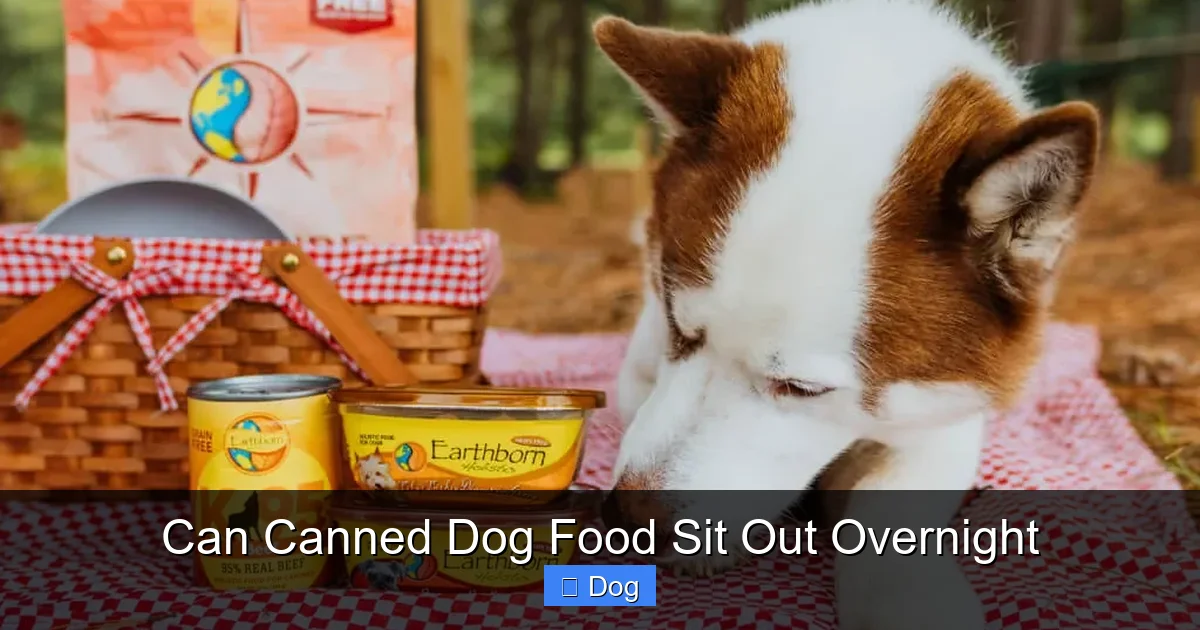
Visual guide about Can Canned Dog Food Sit Out Overnight
Image source: media.earthbornholisticpetfood.com
To understand why canned dog food can’t sit out overnight, it helps to know how bacteria work. Bacteria are microscopic organisms that exist everywhere—on surfaces, in the air, and even on your dog’s fur. Most are harmless, but some, like Salmonella, E. coli, and Listeria, can cause serious illness in dogs.
These harmful bacteria thrive in what food safety experts call the “danger zone”—temperatures between 40°F and 140°F (4°C to 60°C). Room temperature typically falls right in the middle of this range, making it an ideal environment for bacterial growth.
Once you open a can of dog food, you’re exposing it to air, moisture, and potential contaminants from your dog’s mouth, bowl, or the environment. Even if your dog licks the bowl clean, tiny food particles can remain, creating a perfect meal for bacteria.
How Fast Do Bacteria Multiply?
Bacteria reproduce by splitting in half—a process called binary fission. Under ideal conditions, some bacteria can double every 20 minutes. That means a single bacterium can become over 1 million in just 7 hours.
Now imagine that happening in a half-eaten can of dog food left on the kitchen floor. By morning, the bacterial load could be dangerously high—even if the food still looks and smells normal.
Common Bacteria Found in Spoiled Dog Food
- Salmonella: Causes vomiting, diarrhea, fever, and abdominal pain. Can also spread to humans.
- E. coli: Leads to severe gastrointestinal distress and, in rare cases, kidney failure.
- Listeria: Especially dangerous for puppies, seniors, and dogs with weakened immune systems.
- Clostridium perfringens: Often found in spoiled meat products and causes acute diarrhea.
These bacteria don’t always change the appearance or smell of the food, so you can’t rely on your senses to determine safety. That’s why time and temperature are the most reliable indicators.
How Long Can Canned Dog Food Safely Sit Out?
The general rule from food safety experts—both for humans and pets—is that perishable food should not be left at room temperature for more than 2 hours. But for canned dog food, the recommendation is even stricter: no more than 4 hours.
Why the difference? Wet dog food is especially vulnerable because it’s moist, nutrient-rich, and often contains meat, which spoils faster than dry kibble. Once opened, the protective seal is broken, and the food is exposed to oxygen and bacteria.
The 4-Hour Rule Explained
If your dog doesn’t finish their meal within 4 hours, it’s best to throw it away. This applies whether the food is in the bowl or still in the can. Even if you cover it or put it back in the pantry, bacteria are already at work.
Here’s a quick breakdown:
- 0–1 hour: Safe to leave out. Your dog can eat at their own pace.
- 1–4 hours: Still potentially safe, but monitor closely. Discard if the room is warm or humid.
- Over 4 hours: Discard immediately. Do not feed to your dog.
Factors That Affect Spoilage Time
Several factors can speed up spoilage:
- Room temperature: In hot climates (above 75°F or 24°C), bacteria grow faster. Discard food after 2 hours.
- Humidity: High moisture in the air can accelerate spoilage.
- Exposure to air: The more surface area exposed, the faster bacteria multiply.
- Contamination: Using dirty spoons or letting your dog drink from the bowl can introduce bacteria.
For example, if you live in Florida during summer and leave a can of dog food out on the patio, it could spoil in under 2 hours. In a cool, air-conditioned home, it might last closer to 4 hours—but it’s still not worth the risk.
Safe Storage Practices for Canned Dog Food
The good news? You don’t have to avoid canned dog food altogether. With proper storage, it can be a healthy, convenient option for your pet. Here’s how to do it right.
Refrigerate Opened Cans Immediately
As soon as your dog finishes eating (or if they walk away), transfer any leftover food to a clean, airtight container and refrigerate it. Don’t leave it in the original can—metal can react with the food over time, affecting taste and safety.
Use glass or BPA-free plastic containers with tight-fitting lids. Label them with the date so you know how long they’ve been stored.
How Long Does Refrigerated Canned Dog Food Last?
Properly stored, opened canned dog food can last in the refrigerator for 5 to 7 days. After that, it’s best to throw it away—even if it looks and smells fine.
To maximize freshness:
- Store at or below 40°F (4°C).
- Keep the container sealed when not in use.
- Avoid placing it near strong-smelling foods like onions or fish, which can affect the taste.
Can You Freeze Canned Dog Food?
Yes! Freezing is a great way to extend the life of wet dog food. Portion it into ice cube trays or small containers and freeze for up to 3 months.
When you’re ready to use it, thaw it in the refrigerator overnight—not on the counter. Never microwave dog food, as it can create hot spots that burn your pet’s mouth.
Tips for Serving Leftovers
- Let refrigerated food come to room temperature before serving. Cold food can upset your dog’s stomach.
- Stir well to redistribute moisture and fats.
- Check for off smells, mold, or unusual texture before feeding.
If the food smells sour, looks slimy, or has a grayish film, discard it immediately.
Signs Your Dog Ate Spoiled Food
Even with the best intentions, accidents happen. If your dog eats food that’s been sitting out too long, they may show signs of foodborne illness. Watch for these symptoms:
- Vomiting (especially if it’s frequent or contains blood)
- Diarrhea (watery, foul-smelling, or with mucus)
- Lethargy or weakness
- Loss of appetite
- Abdominal pain (whining, pacing, or reluctance to lie down)
- Fever (warm ears, dry nose, or shivering)
Most cases of mild food poisoning resolve within 24–48 hours with rest and hydration. But if symptoms persist, worsen, or include blood in vomit or stool, contact your veterinarian immediately.
When to Call the Vet
Seek professional help if your dog:
- Is a puppy, senior, or has a weakened immune system
- Shows signs of dehydration (sunken eyes, dry gums, lethargy)
- Has a high fever (above 103°F or 39.4°C)
- Is unable to keep water down
- Displays neurological symptoms like tremors or seizures
Early treatment can prevent complications and speed up recovery.
Best Practices for Feeding Canned Dog Food
Now that you know the risks, here are some practical tips to make feeding wet food safer and more enjoyable for your dog.
Serve Smaller Portions
One of the easiest ways to avoid waste and spoilage is to serve only what your dog can eat in one sitting. This reduces the chance of leftovers and ensures freshness.
Use a kitchen scale or measuring cup to portion meals accurately. Most dogs eat 1–2 cans per day, depending on size and activity level.
Use Clean Bowls and Utensils
Wash your dog’s food and water bowls daily with hot, soapy water. Bacteria can build up in scratches or residue, even if they look clean.
Avoid using wooden or porous bowls, as they can harbor bacteria. Stainless steel or ceramic bowls are best.
Don’t Mix Old and New Food
If you’re adding fresh food to a bowl with leftovers, you’re essentially contaminating the new portion. Always start with a clean bowl.
This is especially important if your dog has a sensitive stomach or food allergies.
Store Unopened Cans Properly
Unopened cans should be kept in a cool, dry place—like a pantry or cupboard—away from direct sunlight and heat sources. Don’t store them in garages or sheds where temperatures fluctuate.
Check expiration dates regularly and rotate your stock (first in, first out) to ensure freshness.
Consider Alternatives for Busy Days
If you’re often away for long hours, consider using an automatic feeder with a cooling compartment or switching to dry kibble for daytime meals. You can still offer wet food as a topper or evening treat.
Myths and Misconceptions About Canned Dog Food
There are a lot of myths floating around about wet dog food. Let’s clear up some of the most common ones.
Myth: “If it smells fine, it’s safe.”
False. Many harmful bacteria don’t produce odors or change the appearance of food. Relying on smell or sight is not a reliable safety test.
Myth: “Dogs have strong stomachs—they can eat anything.”
While dogs are more resistant to certain bacteria than humans, they’re still vulnerable to foodborne illness. Puppies, seniors, and immunocompromised dogs are especially at risk.
Myth: “You can reheat spoiled food to kill bacteria.”
Heating can kill some bacteria, but not all—and it won’t remove toxins already produced. It’s safer to discard spoiled food entirely.
Myth: “Canned food is preserved, so it won’t spoil.”
Canned food is preserved before opening. Once the seal is broken, it’s just like any other perishable food.
Conclusion: Keep Your Dog Safe and Healthy
So, can canned dog food sit out overnight? The answer is clear: No, it should not. While it’s tempting to let your dog graze or save leftovers for later, the risk of bacterial growth is too high.
By following simple guidelines—discarding uneaten food after 4 hours, refrigerating leftovers, and using clean bowls—you can enjoy the benefits of wet food without compromising your dog’s health.
Remember, your dog relies on you to make safe choices. A little extra care goes a long way in keeping them happy, healthy, and thriving. When in doubt, throw it out. Your pup will thank you with wagging tails and slobbery kisses.
Frequently Asked Questions
Can I leave canned dog food out for my dog to eat later?
It’s not recommended. Canned dog food should not sit out for more than 4 hours at room temperature. After that, bacteria can grow and make your dog sick. Always refrigerate leftovers or discard uneaten food.
How long can opened canned dog food stay in the fridge?
Opened canned dog food can be safely stored in the refrigerator for 5 to 7 days if kept in a sealed container. Be sure to label it with the date and check for spoilage before feeding.
Is it safe to feed my dog food that’s been left out for 6 hours?
No. Food left out for more than 4 hours—especially in warm environments—should be discarded. Even if it looks and smells normal, harmful bacteria may be present.
Can I freeze canned dog food to make it last longer?
Yes! You can freeze canned dog food in portion-sized containers for up to 3 months. Thaw it in the refrigerator before serving, and never refreeze thawed food.
What should I do if my dog eats spoiled food?
Monitor your dog for symptoms like vomiting, diarrhea, or lethargy. Mild cases may resolve on their own, but contact your vet if symptoms persist or worsen, especially in puppies or senior dogs.
Can I mix wet and dry dog food safely?
Yes, but serve them in separate portions or mix just before feeding. Don’t let mixed food sit out, as the moisture from wet food can cause dry kibble to spoil faster.