
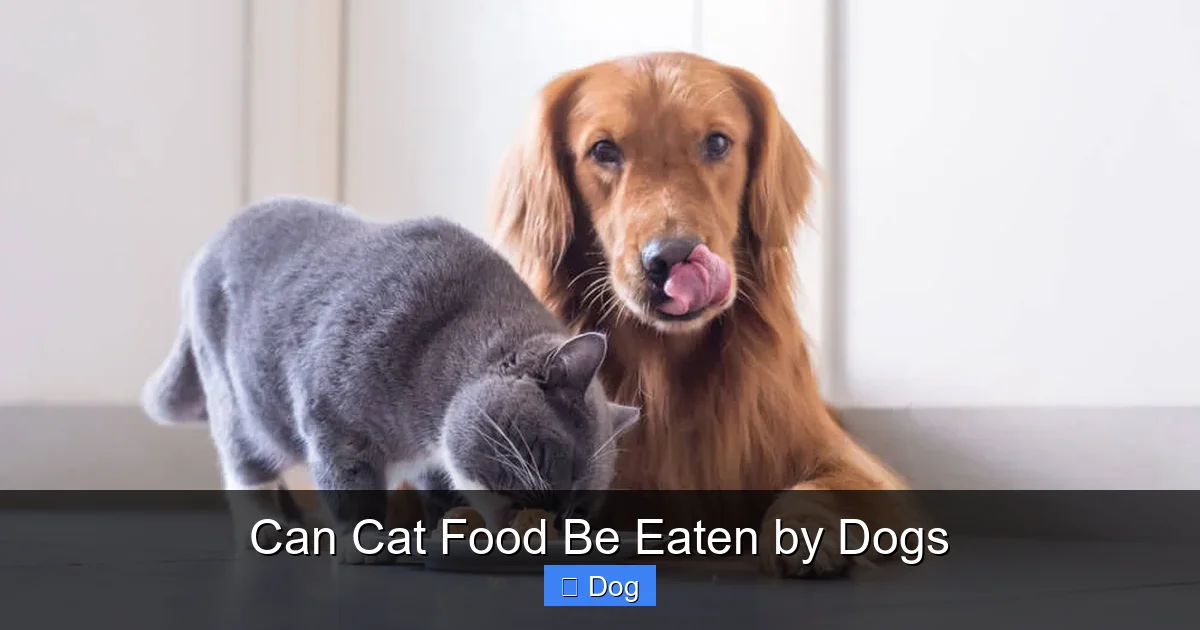
While dogs can technically eat cat food in small amounts, it’s not safe or healthy for regular consumption. Cat food is packed with higher protein, fat, and certain nutrients that can harm dogs over time, leading to obesity, digestive issues, and nutrient imbalances.
Key Takeaways
- Cat food is not formulated for dogs: It contains higher levels of protein, fat, and certain vitamins like taurine and vitamin A that are essential for cats but excessive for dogs.
- Short-term ingestion is usually harmless: If your dog sneaks a few bites of cat food, it’s unlikely to cause serious harm, but it shouldn’t become a habit.
- Long-term feeding can lead to health problems: Regular consumption may result in obesity, pancreatitis, or urinary tract issues due to the high calorie and fat content.
- Dogs have different nutritional needs: Unlike obligate carnivores like cats, dogs are omnivores and require a balanced diet with carbohydrates, fiber, and moderate protein.
- Store pet food separately: Prevent accidental overeating by feeding cats and dogs in separate areas and storing their food securely.
- Choose species-appropriate diets: Always feed your dog high-quality dog food that meets AAFCO standards for canine nutrition.
- Consult your vet if concerned: If your dog regularly eats cat food or shows signs of digestive upset, seek professional advice.
📑 Table of Contents
- Can Cat Food Be Eaten by Dogs? The Truth Every Dog Owner Should Know
- Understanding the Nutritional Differences Between Cat and Dog Food
- What Happens When Dogs Eat Cat Food?
- Why Do Dogs Love Cat Food So Much?
- How to Prevent Your Dog from Eating Cat Food
- What to Do If Your Dog Eats Cat Food
- Choosing the Right Food for Your Dog
- Conclusion: Keep Your Dog Safe and Well-Fed
Can Cat Food Be Eaten by Dogs? The Truth Every Dog Owner Should Know
It’s a scene many pet owners know all too well: you walk into the kitchen to find your dog happily munching on kibble from the cat’s food bowl. Maybe your cat leftovers behind, or your dog simply found a way to sneak a snack. At first glance, it might seem harmless—after all, both cats and dogs are carnivores, right? And kibble looks pretty similar, doesn’t it?
But here’s the catch: while dogs *can* eat cat food in small, occasional amounts, it’s far from ideal—and definitely not something you should allow regularly. Cat food is specifically designed for the unique nutritional needs of cats, who are obligate carnivores. Dogs, on the other hand, are omnivores with different dietary requirements. Feeding your dog cat food on a regular basis can lead to a host of health problems, from weight gain to digestive upset and even long-term organ stress.
So, what exactly makes cat food so different? And why is it risky for dogs? In this comprehensive guide, we’ll break down the science behind pet nutrition, explore the dangers of feeding cat food to dogs, and offer practical tips to keep your furry friend safe, healthy, and well-fed—with the right food for their species.
Understanding the Nutritional Differences Between Cat and Dog Food

Visual guide about Can Cat Food Be Eaten by Dogs
Image source: cf.shopee.ph
To truly understand why cat food isn’t suitable for dogs, we need to dive into the nutritional science behind pet diets. While both cats and dogs benefit from high-quality protein, their bodies process nutrients differently—and their dietary needs reflect that.
Protein and Fat Content: A Major Difference
One of the most significant differences between cat and dog food is the protein and fat content. Cat food is typically much higher in both. Adult cats require a diet rich in animal-based protein—often 30% to 40% or more—because they cannot synthesize certain amino acids on their own. Taurine, for example, is essential for cats and must come from their food. Without it, cats can develop serious heart and vision problems.
Dogs, while still needing quality protein, don’t require as high a concentration. Most high-quality dog foods contain 18% to 25% protein, which is sufficient for maintaining muscle mass, energy, and overall health. Feeding a dog food with cat-level protein over time can strain their liver and kidneys, especially in older or less active dogs.
Fat is another area where cat food stands out. Cats need more fat in their diet for energy, and cat food often contains 15% to 20% fat or higher. Dogs, especially those with lower activity levels, can easily gain weight on such a rich diet. Obesity in dogs is linked to diabetes, joint problems, and a shorter lifespan—so overfeeding high-fat foods is a real concern.
Vitamins and Minerals: Not One-Size-Fits-All
Cat food is also fortified with higher levels of certain vitamins and minerals that are critical for feline health but potentially harmful in excess for dogs. For instance, vitamin A (retinol) is abundant in cat food because cats can’t convert plant-based carotenoids into active vitamin A like dogs can. However, too much vitamin A can be toxic to dogs, leading to bone deformities, lethargy, and even liver damage.
Taurine, as mentioned, is another key nutrient. While dogs can synthesize taurine from other amino acids, they still benefit from dietary sources. However, cat food contains far more taurine than dogs need. Over time, this imbalance can disrupt normal metabolic processes.
Additionally, cat food often includes higher levels of arachidonic acid, an omega-6 fatty acid that cats must get from animal sources. Dogs can produce this internally, so excess intake isn’t beneficial and may contribute to inflammation if not balanced with omega-3s.
Carbohydrates and Fiber: Where Dogs Shine
Here’s where the dietary paths of cats and dogs truly diverge. Cats have a very limited ability to digest carbohydrates. Their bodies are built for a meat-heavy, low-carb lifestyle. As a result, most cat foods contain minimal grains or starches.
Dogs, however, are much more adaptable. They can efficiently digest and utilize carbohydrates for energy. In fact, many high-quality dog foods include healthy carbs like sweet potatoes, brown rice, or oats—not as fillers, but as valuable sources of energy, fiber, and nutrients. Fiber supports digestive health, helps regulate blood sugar, and promotes satiety, which is especially important for weight management.
Feeding a dog a carb-deficient diet like cat food over time can lead to energy crashes, poor digestion, and even behavioral issues due to unstable blood sugar levels.
What Happens When Dogs Eat Cat Food?
Now that we understand the nutritional differences, let’s explore what actually happens when a dog eats cat food—whether it’s just a few bites or a regular habit.
Short-Term Effects: Usually Mild, But Not Ideal
If your dog sneaks a few pieces of cat kibble, don’t panic. In most cases, a small amount won’t cause serious harm. You might notice mild digestive upset—like gas, loose stools, or an upset stomach—especially if your dog isn’t used to such a rich diet. These symptoms usually resolve within a day or two.
However, even short-term ingestion can be problematic for certain dogs. Puppies, senior dogs, or those with pre-existing health conditions (like pancreatitis or kidney disease) are more vulnerable to the high fat and protein content. For them, even a small amount of cat food could trigger vomiting, diarrhea, or lethargy.
Long-Term Risks: Obesity, Pancreatitis, and More
The real danger lies in making cat food a regular part of your dog’s diet. Over time, the high calorie and fat content can lead to rapid weight gain. Obesity is one of the most common health issues in dogs today, and it’s directly linked to a shorter lifespan and reduced quality of life.
One of the most serious risks is pancreatitis—an inflammation of the pancreas often triggered by high-fat meals. Symptoms include vomiting, abdominal pain, loss of appetite, and lethargy. In severe cases, pancreatitis can be life-threatening and requires immediate veterinary care.
Another concern is urinary tract health. Cat food is formulated to maintain a more acidic urine pH, which helps prevent feline urinary crystals. Dogs, however, don’t need this level of acidity. Feeding cat food long-term can alter a dog’s urinary pH, potentially increasing the risk of bladder stones or infections.
Additionally, the excess protein and certain minerals in cat food can put extra strain on a dog’s kidneys. While healthy dogs can usually handle it, those with early-stage kidney disease may experience accelerated decline.
Behavioral and Appetite Issues
Believe it or not, feeding your dog cat food can also affect their behavior and eating habits. Cat food is often more palatable to dogs—it’s richer, smellier, and more aromatic. Once a dog gets a taste, they may start refusing their own food in favor of the “tastier” cat kibble. This can lead to picky eating, nutritional imbalances, and even food aggression if multiple pets are involved.
Moreover, dogs that regularly eat cat food may develop a preference for high-fat, high-protein meals, making it harder to transition them back to a balanced dog diet. This can be especially challenging if you’re trying to manage their weight or address a health condition.
Why Do Dogs Love Cat Food So Much?
If you’ve ever watched your dog devour cat food with gusto, you’re not alone. Many dogs seem to prefer cat kibble over their own meals. But why?
The Smell Factor
Cat food is often more aromatic than dog food. Manufacturers use strong-smelling ingredients like fish meal, liver, and animal fats to appeal to cats’ keen sense of smell. Dogs, with their own powerful noses, are naturally drawn to these intense scents. It’s not just about taste—it’s about the aroma that signals “high-value food.”
Higher Fat and Protein Content
As we’ve discussed, cat food is richer in fat and protein. These macronutrients are highly palatable to dogs, who are evolutionarily wired to seek out calorie-dense foods. In the wild, a high-fat meal meant survival during lean times. Even though domestic dogs don’t face the same challenges, their instincts still drive them toward richer, more energy-packed foods.
Texture and Size
Some dogs may also prefer the texture or size of cat kibble. Cat food pieces are often smaller and crunchier, which can be more appealing to certain dogs—especially small breeds or those with dental issues.
While it’s tempting to let your dog enjoy the “better-tasting” food, remember that palatability doesn’t equal nutritional suitability. Just because they like it doesn’t mean it’s good for them.
How to Prevent Your Dog from Eating Cat Food
Prevention is key when it comes to keeping your dog away from cat food. Here are some practical, effective strategies to ensure your pets eat the right food for their species.
Feed in Separate Areas
The simplest solution is to feed your cat and dog in different rooms. Close the door while your cat eats, or use baby gates to create a pet-free zone. This prevents your dog from sneaking in and stealing bites.
Use Elevated Feeding Stations
Cats are natural climbers, so placing your cat’s food bowl on a high surface—like a cat tree, shelf, or counter—can keep it out of your dog’s reach. Just make sure the area is safe and accessible for your cat.
Supervise Meal Times
If your pets eat at the same time, stay nearby to monitor them. This allows you to intervene if your dog tries to raid the cat’s bowl. Over time, you can train your dog to stay away using positive reinforcement.
Choose Puzzle Feeders or Slow Feeders
Slowing down your cat’s eating can reduce the chance of leftover food. Puzzle feeders or timed feeders ensure your cat finishes their meal before your dog has a chance to get to it.
Store Food Securely
Keep dry cat food in a sealed container and store it in a cabinet or pantry that your dog can’t access. Avoid leaving food out all day (free-feeding), as this increases the risk of your dog sneaking snacks.
Train Your Dog
Teaching your dog basic commands like “leave it” or “stay” can be incredibly helpful. Use treats and praise to reinforce good behavior around the cat’s food. Consistency is key—practice regularly until the behavior becomes second nature.
What to Do If Your Dog Eats Cat Food
Accidents happen. If your dog manages to eat cat food, here’s what you should do:
Assess the Amount
A few pieces? Probably no cause for concern. A whole bowl? That’s more serious. Larger quantities increase the risk of digestive upset or pancreatitis, especially in small dogs.
Monitor for Symptoms
Watch your dog closely for the next 24–48 hours. Signs to look for include:
- Vomiting or diarrhea
- Lethargy or weakness
- Loss of appetite
- Abdominal pain (whining, restlessness, or a hunched posture)
- Excessive thirst or urination
If any of these symptoms appear, contact your veterinarian immediately.
Adjust Their Next Meal
If your dog seems fine but had a large amount of cat food, consider feeding a lighter meal the next time—like boiled chicken and rice—to ease their digestive system. Avoid giving treats or rich foods for a day or two.
When to Call the Vet
Seek veterinary care if:
- Your dog ate a large quantity of cat food
- They show signs of illness
- They have a history of pancreatitis, kidney disease, or obesity
- They are a puppy, senior, or small breed (more vulnerable to complications)
Your vet may recommend monitoring, fluids, or medication depending on the situation.
Choosing the Right Food for Your Dog
The best way to keep your dog healthy is to feed them a high-quality, species-appropriate diet. Here’s what to look for:
AAFCO Compliance
Choose dog food that meets the Association of American Feed Control Officials (AAFCO) standards. This ensures the food provides complete and balanced nutrition for your dog’s life stage (puppy, adult, or senior).
High-Quality Protein Sources
Look for named animal proteins like “chicken,” “beef,” or “salmon” as the first ingredient. Avoid vague terms like “meat meal” or “animal by-products.”
Healthy Fats and Carbohydrates
Opt for foods with moderate fat levels and wholesome carbs like sweet potatoes, peas, or oats. These provide sustained energy and support digestion.
No Artificial Additives
Avoid foods with artificial colors, flavors, or preservatives. Natural preservatives like mixed tocopherols (vitamin E) are safer and healthier.
Consider Your Dog’s Needs
Factors like age, size, activity level, and health conditions should influence your choice. For example, active dogs may benefit from higher protein, while overweight dogs need lower-calorie options.
Conclusion: Keep Your Dog Safe and Well-Fed
So, can cat food be eaten by dogs? Technically, yes—but it’s not safe or healthy for regular consumption. While a few accidental bites won’t harm most dogs, making cat food a habit can lead to obesity, digestive issues, pancreatitis, and long-term health problems.
The key takeaway? Feed your dog food that’s made for dogs. Their bodies are different from cats’, and their nutritional needs reflect that. By understanding these differences and taking simple steps to prevent cross-feeding, you can keep both your cat and dog happy, healthy, and thriving.
Remember: just because your dog loves the taste of cat food doesn’t mean it’s good for them. Stick to species-appropriate diets, store food securely, and consult your vet if you have concerns. Your furry friend deserves the best—and that starts with the right food.
Frequently Asked Questions
Can dogs eat cat food in an emergency?
In a true emergency where no dog food is available, a small amount of cat food is unlikely to cause immediate harm. However, it should only be a temporary solution. Always return to a proper dog diet as soon as possible to avoid nutritional imbalances.
How much cat food is dangerous for a dog?
There’s no exact threshold, but larger amounts—especially for small dogs—can be risky. A few pieces are usually fine, but a full bowl could lead to digestive upset or pancreatitis. Monitor your dog closely and contact your vet if concerned.
Can puppies eat cat food?
Puppies should never regularly eat cat food. Their growing bodies need balanced nutrition, and the high fat and protein can cause digestive issues or rapid weight gain. Stick to puppy-formulated dog food for optimal development.
Will my dog get sick from eating cat food once?
Most dogs won’t get seriously sick from a one-time incident. Mild symptoms like gas or loose stools may occur, but they usually resolve quickly. Watch for signs of illness and call your vet if symptoms persist or worsen.
Can cat food cause pancreatitis in dogs?
Yes, the high fat content in cat food can trigger pancreatitis, especially in dogs prone to the condition. Symptoms include vomiting, abdominal pain, and lethargy. Seek immediate veterinary care if you suspect pancreatitis.
Should I switch my dog to cat food if they prefer the taste?
No. Just because your dog likes the taste doesn’t mean it’s healthy. Cat food lacks the balanced nutrition dogs need and can lead to long-term health problems. Focus on finding a high-quality dog food your dog enjoys instead.