

While cat food isn’t immediately toxic to dogs, it’s not safe for regular consumption. Dogs have different nutritional needs, and cat food’s high protein and fat content can lead to serious health issues over time. Accidental eating is usually harmless, but long-term feeding can cause pancreatitis, obesity, and digestive problems.
Key Takeaways
- Cat food is not toxic in small amounts: A few bites won’t harm your dog, but it’s not designed for canine digestion.
- High protein and fat levels are risky: Cat food contains more protein and fat than dog food, which can overload a dog’s system.
- Long-term feeding causes health problems: Regular consumption may lead to obesity, pancreatitis, and nutrient imbalances.
- Dogs lack certain enzymes for cat food: Dogs don’t process taurine and arachidonic acid as efficiently as cats, leading to deficiencies or excesses.
- Watch for symptoms after ingestion: Vomiting, diarrhea, lethargy, or abdominal pain may signal digestive upset.
- Store pet food separately: Prevent accidental access by keeping cat and dog food in secure, labeled containers.
- Consult your vet if concerned: If your dog eats a large amount of cat food, contact your veterinarian for guidance.
📑 Table of Contents
- Can Cat Food Be Toxic to Dogs? Understanding the Risks
- Why Cat Food Is Made Differently Than Dog Food
- Short-Term vs. Long-Term Effects of Cat Food on Dogs
- Signs Your Dog Has Eaten Cat Food—and What to Do
- How to Prevent Your Dog from Eating Cat Food
- What to Feed Your Dog Instead
- Conclusion: Keep Your Dog Safe and Healthy
Can Cat Food Be Toxic to Dogs? Understanding the Risks
If you’ve ever walked into your kitchen to find your dog happily munching on the cat’s dinner, you’re not alone. It’s a common scenario in multi-pet households. Dogs are naturally curious and often drawn to the strong, meaty scent of cat food. But while it might seem like a harmless snack, feeding cat food to dogs—especially on a regular basis—can pose real health risks.
So, can cat food be toxic to dogs? The short answer is: not immediately, but it’s definitely not safe for long-term consumption. Unlike true toxins such as chocolate or xylitol, cat food won’t cause acute poisoning in most cases. However, its nutritional composition is tailored specifically for feline biology, not canine needs. Dogs and cats have very different dietary requirements, and what’s ideal for a cat can be problematic for a dog.
Understanding the differences between cat and dog food—and why those differences matter—is key to keeping your dog healthy. This article will explore the science behind pet nutrition, the potential dangers of feeding cat food to dogs, and practical tips to prevent accidental ingestion. Whether you’re a new pet parent or a seasoned multi-pet household manager, this guide will help you make informed decisions about your dog’s diet.
Why Cat Food Is Made Differently Than Dog Food
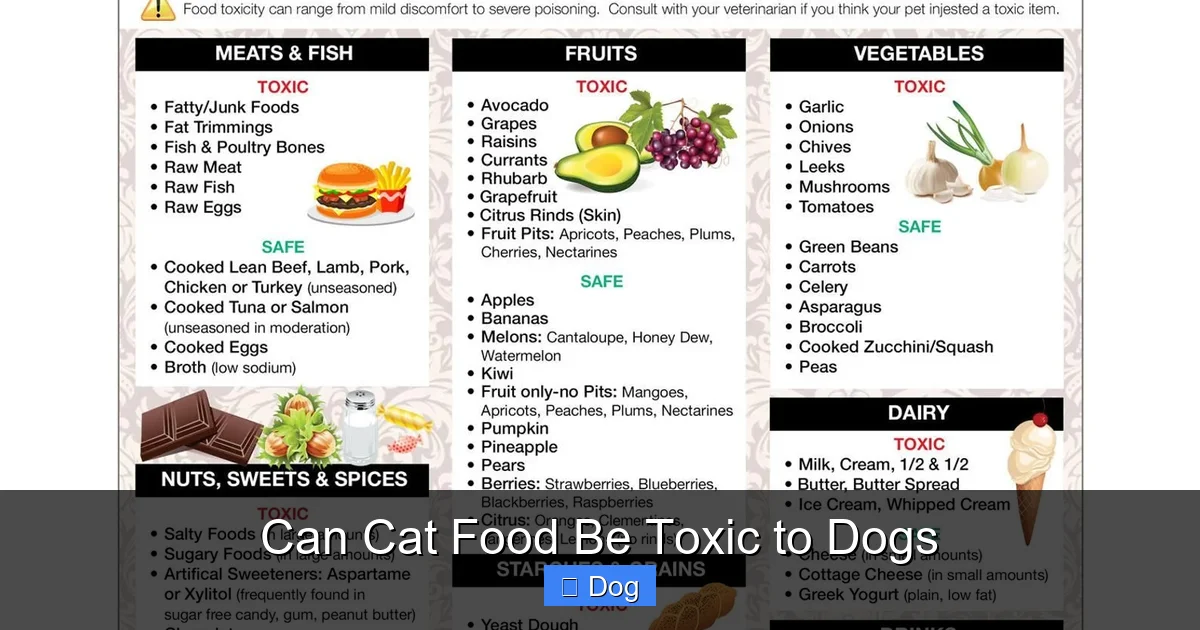
Visual guide about Can Cat Food Be Toxic to Dogs
Image source: i.pinimg.com
To understand why cat food isn’t safe for dogs, it helps to know how it’s formulated. Cats are obligate carnivores, meaning their bodies are designed to thrive on a diet rich in animal-based proteins and fats. They require specific nutrients that dogs don’t need in the same quantities—or at all. Dog food, on the other hand, is designed for omnivorous canines who can digest a mix of animal and plant-based ingredients.
Higher Protein and Fat Content
One of the biggest differences between cat and dog food is the protein and fat content. Cat food typically contains 30–45% protein and 15–20% fat, while dog food usually has 18–25% protein and 10–15% fat. This higher concentration is necessary for cats, who rely on protein for energy and cannot efficiently convert plant-based nutrients into usable forms.
For dogs, this excess protein and fat can be hard to process. While dogs can handle moderate amounts of protein, consistently eating high-protein meals can strain their liver and kidneys over time. The extra fat increases the risk of weight gain and pancreatitis—a painful inflammation of the pancreas that’s common in dogs who eat rich, fatty foods.
Essential Nutrients Unique to Cats
Cats require certain nutrients that dogs either don’t need or can synthesize on their own. For example, cats cannot produce enough taurine—an amino acid critical for heart health, vision, and reproduction—so it must be included in their diet. Cat food is fortified with taurine, often in higher amounts than dog food.
While taurine isn’t harmful to dogs, the imbalance can be. Dogs can make their own taurine from other amino acids, so they don’t need as much in their food. Eating too much taurine-rich cat food over time might disrupt their natural balance, though this is rare. More concerning is the lack of certain nutrients in cat food that dogs need, such as sufficient fiber and certain B vitamins.
Arachidonic Acid and Vitamin A
Another key difference is arachidonic acid, a fatty acid that cats must get from their diet because they can’t synthesize it from plant sources. Dog food doesn’t need to include it because dogs can convert linoleic acid (found in plant oils) into arachidonic acid. Cat food often contains added arachidonic acid, which isn’t harmful to dogs but contributes to the overall nutritional mismatch.
Similarly, cats require preformed vitamin A (retinol), which is found in animal tissues. Dogs can convert beta-carotene from plants into vitamin A, so their food doesn’t need as much preformed vitamin A. Cat food is high in retinol, and while occasional exposure isn’t dangerous, long-term consumption could lead to vitamin A toxicity in dogs—especially large breeds or those with liver issues.
Short-Term vs. Long-Term Effects of Cat Food on Dogs
The impact of cat food on dogs depends largely on how much they eat and how often. A single accidental meal is unlikely to cause serious harm, but repeated exposure can lead to chronic health problems.
What Happens After One Meal?
If your dog sneaks a few bites of cat food, don’t panic. Most dogs will experience only mild digestive upset, if any. Symptoms might include:
– Loose stools or diarrhea
– Mild vomiting
– Gas or bloating
– Increased thirst
These signs usually resolve within 24 hours as the dog’s system processes the rich food. However, if your dog eats a large amount—say, an entire bowl—or shows signs of severe discomfort, lethargy, or abdominal pain, contact your veterinarian. Large quantities of fat can trigger pancreatitis, a condition that requires prompt medical attention.
Long-Term Health Risks
When dogs regularly eat cat food, the cumulative effects can be serious. Here are the most common long-term risks:
Obesity: The high calorie and fat content in cat food can lead to rapid weight gain in dogs. Obesity increases the risk of diabetes, joint problems, heart disease, and reduced lifespan.
Pancreatitis: This is one of the most dangerous consequences of feeding dogs high-fat diets. Pancreatitis causes severe abdominal pain, vomiting, loss of appetite, and dehydration. In severe cases, it can be life-threatening.
Nutritional Imbalances: Dog food is formulated to meet the nutritional standards set by organizations like the Association of American Feed Control Officials (AAFCO). Cat food doesn’t meet these standards for dogs. Over time, dogs may develop deficiencies in fiber, certain vitamins, or minerals, or excesses in others.
Digestive Issues: Dogs aren’t built to digest such high levels of animal protein and fat. Chronic digestive problems like diarrhea, constipation, or inflammatory bowel disease can develop.
Kidney and Liver Strain: Processing excess protein puts extra workload on the kidneys and liver. While healthy dogs can usually handle this, older dogs or those with preexisting conditions may suffer long-term damage.
Signs Your Dog Has Eaten Cat Food—and What to Do
Even if you’re careful, accidents happen. Dogs are sneaky, and cat food is often more aromatic and appealing than their own kibble. Knowing the signs of ingestion and how to respond can help you act quickly.
Common Symptoms to Watch For
After eating cat food, your dog may show one or more of the following:
– Vomiting (especially if the food was fatty)
– Diarrhea or soft stools
– Lethargy or weakness
– Loss of appetite
– Excessive thirst or urination
– Abdominal discomfort (whining, restlessness, or a hunched posture)
These symptoms are usually mild and short-lived. However, if they persist for more than 24 hours, worsen, or are accompanied by fever, severe vomiting, or collapse, seek veterinary care immediately.
When to Call the Vet
You should contact your veterinarian if:
– Your dog ate a large amount of cat food (more than a few cups)
– They show signs of pancreatitis (severe vomiting, abdominal pain, lethargy)
– They have a history of pancreatitis, kidney disease, or obesity
– They are a small breed, puppy, or senior dog (more vulnerable to complications)
– Symptoms don’t improve within 24 hours
Your vet may recommend monitoring at home, fasting for 12–24 hours, or bringing your dog in for an examination. In cases of suspected pancreatitis, blood tests and imaging may be needed.
Home Care Tips
If your vet advises home care, follow these steps:
1. Withhold food for 12–24 hours: This gives the digestive system a rest.
2. Offer small amounts of water: Prevent dehydration, but don’t let them gulp large amounts at once.
3. Reintroduce food gradually: Start with bland, easily digestible meals like boiled chicken and rice.
4. Monitor closely: Watch for worsening symptoms or new signs of distress.
5. Return to normal diet slowly: Once your dog is back to normal, transition back to their regular food over a few days.
How to Prevent Your Dog from Eating Cat Food
The best way to protect your dog is to prevent access to cat food in the first place. Here are practical, effective strategies for multi-pet households:
Feed Pets Separately
If possible, feed your cat and dog at different times and in different rooms. This reduces the chance of your dog sneaking in during mealtime. Use baby gates or closed doors to create safe zones.
Use Elevated Feeders
Cats are natural climbers, so placing their food on a high shelf, counter, or cat tree can keep it out of your dog’s reach. Make sure the surface is stable and safe for your cat.
Invest in Automated Feeders
Timed feeders can dispense your cat’s meals at specific times, reducing the window of opportunity for your dog to raid the bowl. Some models even have microchip recognition, so only your cat can access the food.
Store Food Securely
Keep dry cat food in airtight, dog-proof containers. Avoid leaving open bags or bowls out where your dog can get to them.
Train Your Dog
Basic obedience training can help. Teach commands like “leave it” or “stay” to prevent your dog from approaching the cat’s food. Positive reinforcement works best—reward good behavior with treats and praise.
Supervise Meal Times
Stay nearby when your pets eat, especially during the first few weeks of implementing new routines. This helps you intervene quickly if your dog tries to sneak a bite.
What to Feed Your Dog Instead
If your dog loves the taste of cat food, it’s likely because of its strong meaty flavor and high fat content. Instead of risking their health, try these safer alternatives:
High-Quality Dog Food
Choose a premium dog food with real meat as the first ingredient. Look for brands that meet AAFCO standards and are appropriate for your dog’s age, size, and activity level.
Protein-Rich Dog Treats
Satisfy your dog’s craving for meat with healthy, high-protein treats like freeze-dried liver, chicken strips, or dehydrated beef. These are designed for dogs and won’t upset their digestion.
Fresh Foods as Toppers
Add a small amount of cooked chicken, turkey, or eggs to your dog’s regular kibble. This boosts flavor and protein without the risks of cat food. Avoid seasoning, onions, garlic, or bones.
Interactive Feeders and Puzzle Toys
Make mealtime more engaging with slow feeders or treat-dispensing toys. These satisfy your dog’s natural foraging instincts and reduce boredom-related food theft.
Conclusion: Keep Your Dog Safe and Healthy
So, can cat food be toxic to dogs? While it’s not poisonous in the traditional sense, it’s far from safe for regular consumption. The high protein, fat, and calorie content can lead to obesity, pancreatitis, and nutritional imbalances over time. A single accidental meal is usually harmless, but repeated exposure poses serious health risks.
The key is prevention. By feeding your pets separately, storing food securely, and choosing appropriate diets, you can protect your dog from the dangers of cat food. If your dog does eat cat food, monitor them closely and contact your vet if symptoms arise.
Remember, your dog’s health depends on a balanced, species-appropriate diet. Just because they love the taste of cat food doesn’t mean it’s good for them. With a little planning and awareness, you can keep both your cat and dog happy, healthy, and well-fed—without any cross-species snacking mishaps.
Frequently Asked Questions
Can a small amount of cat food hurt my dog?
A few bites of cat food are unlikely to harm your dog. Most will experience only mild digestive upset, if any. However, it’s still best to prevent access to avoid long-term risks.
How much cat food is dangerous for a dog?
There’s no exact amount, but eating a full bowl or more—especially if it’s high in fat—can trigger pancreatitis or severe vomiting. Small dogs are at higher risk even with smaller quantities.
Can puppies eat cat food?
Puppies should never eat cat food regularly. Their growing bodies need balanced nutrition, and the excess protein and fat can cause digestive issues or developmental problems.
What should I do if my dog eats cat food every day?
Switch your dog back to a proper dog food immediately. Monitor for weight gain, digestive issues, or lethargy, and consult your vet for a health check and dietary plan.
Is wet cat food worse for dogs than dry?
Wet cat food is often higher in fat and protein, making it potentially more problematic. However, both types pose risks if consumed regularly by dogs.
Can cat food cause kidney damage in dogs?
While occasional ingestion won’t harm healthy dogs, long-term consumption of high-protein cat food may strain the kidneys, especially in older dogs or those with preexisting conditions.