

Choosing the right digestive health dog food can transform your dog’s well-being, reducing gas, diarrhea, and upset stomachs. With high-quality ingredients like prebiotics, probiotics, and easily digestible proteins, these formulas support a balanced gut and stronger immunity.
Key Takeaways
- Digestive health dog food supports gut balance: These formulas include probiotics and prebiotics to promote healthy gut bacteria and improve digestion.
- Easily digestible proteins reduce strain: Ingredients like chicken, turkey, or lamb are gentle on the stomach and minimize digestive upset.
- Fiber is essential for regularity: Soluble and insoluble fiber from sources like pumpkin and sweet potato help regulate bowel movements.
- Avoid common irritants: Steer clear of fillers, artificial additives, and low-quality grains that can trigger sensitivities.
- Transition gradually to new food: Sudden changes can upset your dog’s stomach—mix old and new food over 7–10 days.
- Consult your vet for persistent issues: Chronic digestive problems may signal allergies or medical conditions needing professional care.
- Hydration supports digestion: Always provide fresh water, especially when feeding dry kibble, to aid nutrient absorption.
📑 Table of Contents
Why Digestive Health Matters for Dogs
Just like humans, dogs rely on a healthy digestive system to absorb nutrients, maintain energy, and support overall wellness. When your dog’s gut is out of balance, it can lead to uncomfortable symptoms like gas, bloating, diarrhea, or constipation. Over time, poor digestion may even weaken their immune system, since nearly 70% of a dog’s immune defenses are located in the gut.
That’s why choosing the right digestive health dog food isn’t just about convenience—it’s about long-term health. A well-balanced diet with the right ingredients can soothe sensitive stomachs, improve stool quality, and boost your dog’s mood and vitality. Whether your pup has occasional tummy troubles or chronic digestive issues, the right food can make a world of difference.
What Makes Digestive Health Dog Food Different?
Not all dog foods are created equal, especially when it comes to digestive support. Digestive health dog food is specially formulated to be gentle on the stomach while maximizing nutrient absorption. These diets often include a combination of high-quality proteins, beneficial fibers, and gut-friendly additives that work together to promote a healthy microbiome.
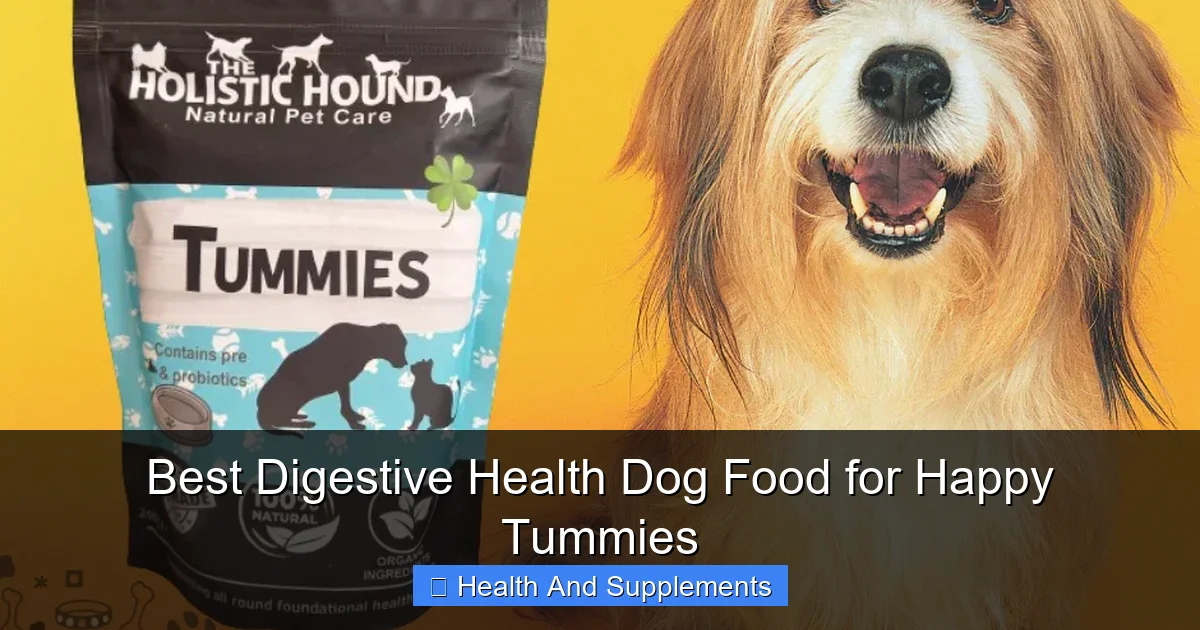
Visual guide about Best Digestive Health Dog Food for Happy Tummies
Image source: theholistichound.com
Key Ingredients to Look For
- Probiotics: Live beneficial bacteria like Lactobacillus and Bifidobacterium help maintain a balanced gut flora. Look for foods that list specific strains and colony-forming units (CFUs).
- Prebiotics: These are non-digestible fibers (like chicory root or beet pulp) that feed good bacteria, helping them thrive.
- Easily Digestible Proteins: Lean meats such as chicken, turkey, or lamb are less likely to cause irritation compared to heavily processed or unnamed meat meals.
- Digestive Enzymes: Ingredients like amylase, protease, and lipase help break down carbs, proteins, and fats for better absorption.
- Natural Fiber Sources: Pumpkin, sweet potato, and oat bran add bulk to stools and support regular bowel movements.
Ingredients to Avoid
While some ingredients support digestion, others can do the opposite. Avoid dog foods with:
- Artificial colors, flavors, or preservatives (like BHA or BHT)
- Excessive fillers such as corn, soy, or wheat
- By-products or vague meat sources (e.g., “meat meal” without specifying the animal)
- High levels of fat or sugar, which can upset sensitive stomachs
Top Benefits of Digestive Health Dog Food
Switching to a high-quality digestive health dog food can lead to noticeable improvements in your dog’s daily life. Here are some of the most common benefits pet owners report:
Improved Stool Quality
One of the first signs of better digestion is firmer, less frequent stools. Dogs on digestive-support diets often have more consistent bowel movements, reducing accidents in the house and making cleanup easier.
Reduced Gas and Bloating
Excess gas can be uncomfortable and even painful for dogs. Diets with prebiotics and easily digestible ingredients help minimize fermentation in the gut, which is a major cause of gas.
Enhanced Nutrient Absorption
When the digestive system works efficiently, your dog gets more out of every meal. This means better coat condition, stronger muscles, and more energy for playtime.
Stronger Immune System
A healthy gut supports a robust immune response. Dogs with balanced gut bacteria are less prone to infections and may recover faster from illness.
Better Appetite and Mood
When your dog feels good on the inside, it shows. Many pet parents notice their dogs eating with more enthusiasm and showing fewer signs of discomfort or irritability.
Best Types of Digestive Health Dog Food
There are several formats and formulations designed to support digestive health. The best choice depends on your dog’s age, size, breed, and specific needs.
Dry Kibble with Probiotics
Dry food is convenient and often more affordable. Look for kibble that includes live probiotics and is made with limited, high-quality ingredients. Brands like Hill’s Science Diet Sensitive Stomach & Skin and Purina Pro Plan Sensitive Skin & Stomach are popular choices with added probiotics and easily digestible proteins.
Wet or Canned Food
Wet food has higher moisture content, which can help with hydration and digestion, especially for dogs who don’t drink enough water. It’s also softer, making it ideal for senior dogs or those with dental issues. Royal Canin Gastrointestinal Low Fat is a vet-recommended option for dogs with sensitive stomachs.
Grain-Free Options
Some dogs have trouble digesting grains like wheat or corn. Grain-free digestive health dog food uses alternatives like sweet potatoes or peas for carbohydrates. Just remember—grain-free isn’t always necessary unless your dog has a diagnosed grain sensitivity.
Prescription Diets
For dogs with chronic conditions like inflammatory bowel disease (IBD) or pancreatitis, your vet may recommend a prescription digestive diet. These are specially formulated to reduce inflammation and support healing. Examples include Hill’s Prescription Diet i/d and Royal Canin Gastrointestinal Moderate Calorie.
How to Transition to Digestive Health Dog Food
Switching your dog’s food too quickly can cause digestive upset—even if the new food is better for them. A gradual transition allows their system to adapt.
Step-by-Step Transition Plan
- Days 1–2: Mix 25% new food with 75% old food.
- Days 3–4: Use 50% new and 50% old.
- Days 5–6: Increase to 75% new and 25% old.
- Day 7+: Feed 100% new food.
Watch for signs of discomfort during the transition. If your dog shows vomiting, diarrhea, or refuses to eat, slow down the process or consult your vet.
Tips for a Smooth Switch
- Stick to the same feeding schedule.
- Offer small, frequent meals if your dog seems uneasy.
- Avoid giving treats or table scraps during the transition.
- Keep fresh water available at all times.
When to See a Veterinarian
While digestive health dog food can resolve many mild issues, persistent symptoms may indicate a deeper problem. Contact your vet if your dog experiences:
- Diarrhea lasting more than 24–48 hours
- Vomiting more than once in a day
- Blood in stool or vomit
- Loss of appetite for more than a day
- Lethargy, weight loss, or abdominal pain
Conditions like food allergies, parasites, infections, or organ dysfunction can mimic simple digestive upset. A vet can run tests and recommend the best treatment plan, which may include a specialized diet.
Final Thoughts: Happy Tummies Start with the Right Food
Your dog’s digestive health plays a huge role in their overall happiness and longevity. By choosing a high-quality digestive health dog food with the right balance of probiotics, prebiotics, and gentle ingredients, you’re giving them the foundation they need to thrive. Whether your pup has a sensitive stomach or you’re just looking to support their gut health proactively, the right diet can make all the difference.
Remember, every dog is unique. What works for one may not work for another. Pay attention to how your dog responds to their food, and don’t hesitate to try different options or consult your veterinarian. With patience and the right nutrition, you can help your furry friend enjoy every meal—and every moment—with a happy, healthy tummy.
Frequently Asked Questions
What is digestive health dog food?
Digestive health dog food is specially formulated to support your dog’s gastrointestinal system. It typically contains probiotics, prebiotics, easily digestible proteins, and fiber to promote healthy digestion and reduce stomach upset.
How do I know if my dog needs digestive support food?
Signs include frequent gas, diarrhea, constipation, vomiting, or loose stools. If your dog has a sensitive stomach or recurring digestive issues, a digestive health formula may help improve their comfort and stool quality.
Can puppies eat digestive health dog food?
Yes, many brands offer digestive support formulas for puppies. These support healthy growth and developing digestive systems. Always choose a food labeled for “puppy” or “all life stages” to ensure proper nutrition.
Are probiotics in dog food effective?
Yes, when included in the right amounts and strains. Look for dog foods that specify the probiotic strains (like Lactobacillus acidophilus) and list CFUs (colony-forming units) to ensure viability and effectiveness.
How long does it take to see improvements?
Many dogs show improvement within a few days to a week of switching to digestive health food. Stool quality often improves first, followed by reduced gas and better appetite.
Can I give my dog human probiotics?
It’s not recommended. Human probiotics may not contain the right strains for dogs and could cause imbalance. Always use dog-specific supplements or foods formulated for canine digestive health.