
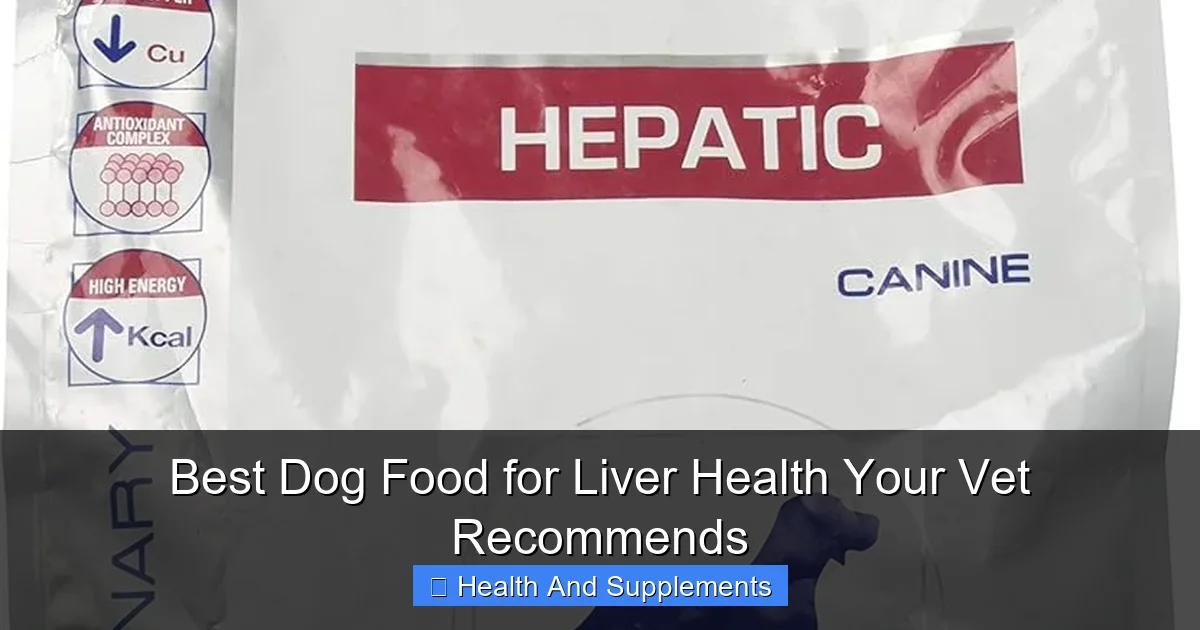
Choosing the right dog food for liver health can make a world of difference in your dog’s energy, digestion, and longevity. Vets recommend diets rich in high-quality protein, antioxidants, and low in copper and sodium to support optimal liver function and prevent disease progression.
Key Takeaways
- High-quality, digestible protein helps reduce liver workload while maintaining muscle mass—look for sources like chicken, turkey, or eggs.
- Antioxidants like vitamin E and C combat oxidative stress, a major factor in liver damage and disease.
- Low copper and sodium levels are essential—excess copper can accumulate in the liver and worsen conditions like copper storage disease.
- Omega-3 fatty acids from fish oil reduce inflammation and support overall liver health.
- Prescription diets from vets are often the gold standard for dogs with diagnosed liver issues, offering precise nutritional balance.
- Hydration matters—wet food or added water can help flush toxins and support liver detoxification.
- Regular vet check-ups ensure your dog’s diet is working and allow for timely adjustments based on bloodwork.
📑 Table of Contents
- Why Liver Health Matters for Your Dog
- What to Look for in Dog Food for Liver Health
- Prescription vs. Over-the-Counter Options
- Top Vet-Recommended Brands for Liver Health
- How to Transition Your Dog to a Liver-Friendly Diet
- Supplements That Support Liver Function
- When to See the Vet
- Final Thoughts: A Healthy Liver Means a Happier Dog
Why Liver Health Matters for Your Dog
The liver is one of the most hardworking organs in your dog’s body. It filters toxins, produces bile for digestion, stores essential vitamins, and helps regulate blood sugar. When the liver isn’t functioning properly, it can lead to serious health issues like liver disease, jaundice, or even liver failure. Unfortunately, liver problems often go unnoticed until they’re advanced—which is why prevention and proactive care are so important.
Just like humans, dogs can suffer from liver conditions due to genetics, age, obesity, or poor diet. Breeds like Dobermans, Cocker Spaniels, and West Highland White Terriers are especially prone to liver issues. But regardless of breed or age, feeding your dog the right food can play a huge role in maintaining liver health. The good news? Many veterinarians agree that a well-balanced, liver-supportive diet can slow disease progression, improve energy levels, and even extend your dog’s life.
What to Look for in Dog Food for Liver Health
Not all dog foods are created equal—especially when it comes to supporting liver function. When choosing the best dog food for liver health, your vet will likely recommend a formula that’s easy on the liver while still providing complete nutrition. Here’s what to prioritize:

Visual guide about Best Dog Food for Liver Health Your Vet Recommends
Image source: cdn.shopify.com
High-Quality, Digestible Protein
Protein is essential for muscle maintenance and repair, but too much or the wrong kind can strain a compromised liver. Look for moderate levels of highly digestible protein from sources like chicken, turkey, eggs, or fish. These are easier for the liver to process than plant-based proteins or by-products. Avoid foods with vague labels like “meat meal” or “animal digest.”
Low Copper and Sodium
Excess copper can build up in the liver and cause damage, especially in breeds prone to copper storage disease. Choose foods that are low in copper or specifically formulated to limit copper absorption. Similarly, too much sodium can lead to fluid retention and high blood pressure, which puts extra stress on the liver. Opt for low-sodium recipes unless your vet advises otherwise.
Rich in Antioxidants
Antioxidants help neutralize free radicals that damage liver cells. Vitamins E and C, selenium, and beta-carotene are all powerful antioxidants commonly found in vet-recommended liver diets. You’ll often find these listed in the ingredient panel or added as supplements. Blueberries, spinach, and sweet potatoes are natural sources that also add flavor and fiber.
Omega-3 Fatty Acids
These healthy fats, especially EPA and DHA from fish oil, have anti-inflammatory properties that support liver health. Inflammation is a common issue in liver disease, and omega-3s can help reduce it. Look for foods that list “fish oil” or “salmon oil” among the top ingredients.
Added L-Carnitine and SAM-e
These supplements are often included in therapeutic liver diets. L-carnitine helps transport fatty acids into cells for energy, reducing fat buildup in the liver. SAM-e (S-Adenosylmethionine) supports liver cell regeneration and detoxification. While not always listed on the front label, check the guaranteed analysis or ask your vet about brands that include these.
Prescription vs. Over-the-Counter Options
When it comes to liver disease, many pet parents wonder whether they need a prescription diet or if an over-the-counter (OTC) food will do. The answer depends on your dog’s specific condition.
Prescription Diets: The Vet’s First Choice
For dogs diagnosed with liver disease, vets often recommend prescription diets like Hill’s Prescription Diet l/d, Royal Canin Hepatic, or Purina Pro Plan Veterinary Diets NF. These foods are scientifically formulated to support liver function, with precise levels of protein, copper, and sodium. They’re also tested for safety and efficacy in clinical trials.
Prescription diets are typically available only through your veterinarian and require a diagnosis. While they can be more expensive, they offer peace of mind knowing your dog is getting exactly what they need. Plus, many vets offer discounts or loyalty programs to help with long-term costs.
High-Quality OTC Alternatives
If your dog has mild liver concerns or you’re focused on prevention, high-quality OTC foods can still be effective. Look for brands that prioritize liver health, such as Wellness CORE Grain-Free, Blue Buffalo Natural Veterinary Diet, or Nutro Ultra. These often include antioxidants, omega-3s, and limited ingredients—just make sure to read labels carefully.
One tip: choose foods labeled “for maintenance” rather than “growth” or “all life stages,” as these tend to have higher protein and mineral levels that may not suit a sensitive liver.
Top Vet-Recommended Brands for Liver Health
With so many options on the market, it’s helpful to know which brands vets trust most. Here are a few standout choices based on clinical research and veterinary feedback:
Hill’s Prescription Diet l/d
This is one of the most widely recommended therapeutic diets for liver support. It features highly digestible protein, reduced copper, and added L-carnitine and SAM-e. Many dogs show improved liver enzyme levels within weeks of starting this food.
Royal Canin Hepatic
Designed for dogs with liver insufficiency, this formula limits copper and sodium while providing balanced nutrition. It’s available in both dry and wet versions, making it easier to encourage eating in picky or nauseated dogs.
Purina Pro Plan Veterinary Diets NF
This diet focuses on low protein and low copper, ideal for dogs with advanced liver disease. It also includes antioxidants and is often recommended for dogs with hepatic encephalopathy.
Blue Buffalo Natural Veterinary Diet – Hepatic Support
A more natural option, this OTC formula uses real chicken, brown rice, and peas, with added vitamins E and C. It’s a good middle ground for dogs who need support but don’t require a strict prescription diet.
Wellness CORE Grain-Free Small Breed
While not a prescription food, this grain-free recipe is rich in antioxidants and omega-3s, making it a solid choice for proactive liver care—especially in smaller dogs prone to fatty liver disease.
How to Transition Your Dog to a Liver-Friendly Diet
Switching your dog’s food too quickly can cause digestive upset, especially if their liver is already compromised. Follow these steps for a smooth transition:
Gradual Introduction Over 7–10 Days
Start by mixing 25% new food with 75% old food for the first two days. Gradually increase the ratio every few days until you’re feeding 100% new food by day 7–10. This gives your dog’s system time to adjust.
Monitor for Changes
Watch for signs of improvement like better energy, healthier coat, or more regular bowel movements. Also, note any negative reactions such as vomiting, diarrhea, or loss of appetite—these could mean the food isn’t a good fit.
Stay Consistent
Once you’ve found a food that works, stick with it. Frequent diet changes can stress the liver and make it harder to assess what’s helping. If you need to switch again, always do so gradually.
Add Moisture
Wet food or adding warm water to kibble can improve hydration and make meals more appealing, especially for older dogs or those with reduced appetite. Hydration supports liver detoxification, so it’s a simple but effective boost.
Supplements That Support Liver Function
In addition to diet, certain supplements can give your dog’s liver an extra edge. Always consult your vet before adding anything new, as some can interact with medications or worsen conditions.
Milk Thistle
One of the most researched liver supplements for dogs, milk thistle contains silymarin, a compound that protects liver cells and promotes regeneration. It’s available in capsules, tinctures, or powders and is often recommended alongside prescription diets.
Denamarin (SAM-e + Milk Thistle)
This vet-prescribed supplement combines SAM-e and milk thistle for dual liver support. It’s especially helpful for dogs with elevated liver enzymes or those recovering from illness.
Probiotics
A healthy gut supports a healthy liver. Probiotics help maintain good bacteria in the digestive tract, reducing the load of toxins the liver must process. Look for dog-specific formulas with strains like Lactobacillus and Bifidobacterium.
Vitamin E
As a fat-soluble antioxidant, vitamin E helps protect liver cells from damage. Many liver-support diets already include it, but your vet may recommend an additional supplement if levels are low.
When to See the Vet
Even with the best diet, regular vet visits are crucial. Early detection of liver issues can make treatment much more effective. Schedule a check-up if you notice:
- Yellowing of the eyes or gums (jaundice)
- Lethargy or weakness
- Loss of appetite or weight loss
- Vomiting or diarrhea
- Increased thirst or urination
- Swollen abdomen
Your vet may run blood tests like a liver panel or bile acids test to assess function. Based on the results, they can recommend the best diet, supplements, or treatment plan.
Final Thoughts: A Healthy Liver Means a Happier Dog
Your dog’s liver works tirelessly behind the scenes to keep them healthy. By choosing the right food—whether prescription or high-quality OTC—you’re giving them the best chance at a long, vibrant life. The best dog food for liver health isn’t just about avoiding harmful ingredients; it’s about actively supporting detoxification, reducing inflammation, and promoting healing.
Remember, every dog is different. What works for one may not work for another. That’s why partnering with your veterinarian is so important. They can guide you based on your dog’s breed, age, weight, and health history. With the right diet and care, you can help your furry friend thrive—even with liver challenges.
Frequently Asked Questions
Can I feed my dog regular food if they have liver disease?
It’s not recommended. Regular dog food often contains high levels of copper, sodium, or low-quality protein that can worsen liver function. A vet-recommended diet tailored to liver health is essential for managing the condition.
How long does it take to see improvement on a liver-support diet?
Many dogs show improved energy and appetite within 1–2 weeks. Bloodwork improvements, like lowered liver enzymes, may take 4–8 weeks. Consistency is key—stick with the diet and follow your vet’s advice.
Are homemade diets good for liver health?
Homemade diets can work but require careful balancing to avoid nutrient deficiencies or excesses. Always consult a veterinary nutritionist to ensure the recipe meets your dog’s specific needs.
Can puppies eat liver-support dog food?
No. Liver-support diets are formulated for adult dogs with specific health needs. Puppies require higher protein and calorie levels for growth, so stick to age-appropriate food unless directed otherwise by a vet.
Is grain-free food better for liver health?
Not necessarily. While some dogs benefit from grain-free diets, grains like brown rice or oats can be gentle on the liver and provide fiber. Focus more on protein quality, copper levels, and antioxidants than grain content.
Can I give my dog liver-support supplements without a vet’s approval?
It’s best to consult your vet first. Some supplements, like milk thistle, are generally safe, but others may interfere with medications or worsen certain conditions. Your vet can recommend safe, effective options.