
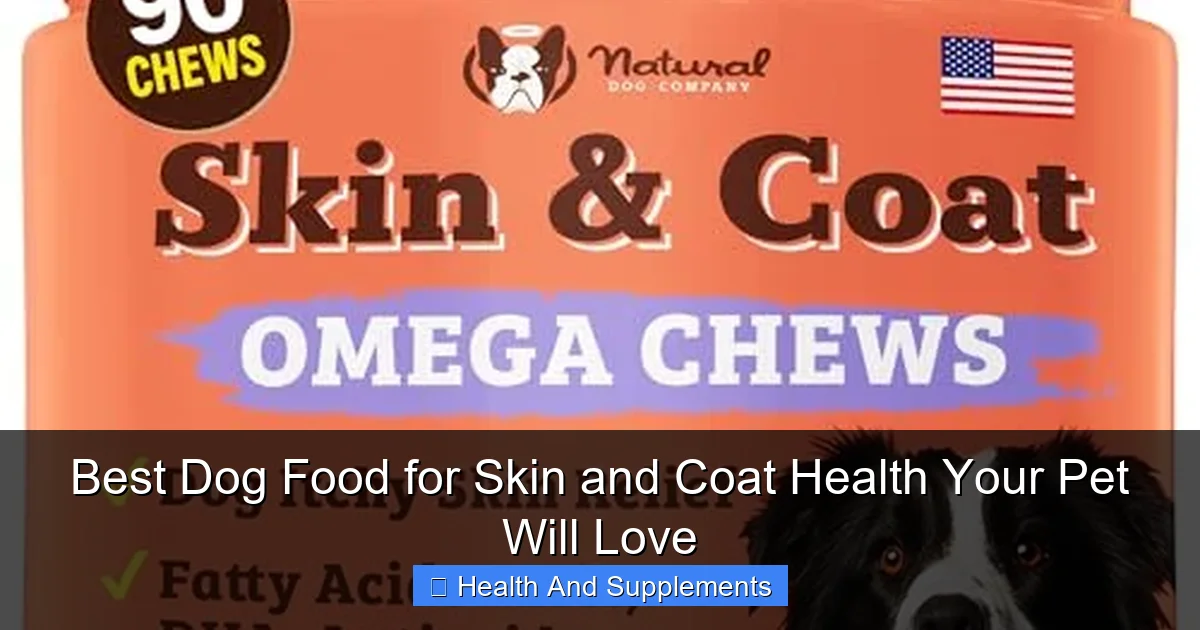
Healthy skin and a shiny coat start with the right nutrition. The best dog food for skin and coat health includes high-quality proteins, omega-3 and omega-6 fatty acids, and essential vitamins. Feeding your dog a balanced diet tailored to their needs can reduce itching, shedding, and dryness while boosting overall wellness.
Key Takeaways
- Omega fatty acids are essential: Look for foods rich in omega-3 and omega-6 to reduce inflammation and support a glossy coat.
- High-quality protein matters: Real meat as the first ingredient supports skin cell repair and strong hair growth.
- Avoid common allergens: Ingredients like corn, soy, and artificial additives can trigger skin irritation in sensitive dogs.
- Supplements can help: Fish oil, flaxseed, and biotin boost skin health when added to your dog’s diet.
- Hydration is key: Wet food or added water helps maintain skin moisture and prevents dryness.
- Consult your vet: Persistent skin issues may signal allergies or medical conditions needing professional care.
- Consistency pays off: It can take 4–8 weeks to see visible improvements in your dog’s coat and skin.
📑 Table of Contents
- Why Skin and Coat Health Matters for Your Dog
- Key Nutrients That Support Healthy Skin and a Shiny Coat
- Top Ingredients to Look for in Dog Food for Skin and Coat Health
- Common Skin and Coat Problems in Dogs—And How Diet Can Help
- Wet vs. Dry Dog Food: Which Is Better for Skin and Coat?
- Supplements to Boost Skin and Coat Health
- How to Transition Your Dog to a New Skin-Healthy Diet
- When to See a Veterinarian
- Final Thoughts: Choosing the Best Dog Food for Skin and Coat Health
Why Skin and Coat Health Matters for Your Dog
Your dog’s skin and coat are more than just cosmetic features—they’re vital indicators of overall health. A shiny, soft coat and itch-free skin often mean your pup is thriving internally. On the flip side, dry, flaky skin, excessive shedding, or a dull coat can signal nutritional gaps, allergies, or underlying health issues. That’s why choosing the right dog food for skin and coat health isn’t just about looks—it’s about supporting your dog’s well-being from the inside out.
Think of your dog’s skin as their first line of defense against bacteria, parasites, and environmental irritants. When that barrier is strong, your dog stays healthier and more comfortable. A poor diet can weaken this barrier, leading to hot spots, infections, and constant scratching. By feeding your dog nutrient-rich food designed to support skin and coat health, you’re not just improving their appearance—you’re helping them feel better every day.
Key Nutrients That Support Healthy Skin and a Shiny Coat
Not all dog foods are created equal, especially when it comes to skin and coat support. The best dog food for skin and coat health includes a blend of specific nutrients that work together to nourish your dog’s skin and promote strong, shiny fur.

Visual guide about Best Dog Food for Skin and Coat Health Your Pet Will Love
Image source: dogster.com
Omega-3 and Omega-6 Fatty Acids
These essential fatty acids are the stars of skin and coat nutrition. Omega-3s, found in fish oil, flaxseed, and chia seeds, reduce inflammation and help soothe itchy, irritated skin. Omega-6s, commonly sourced from poultry fat and vegetable oils, support skin barrier function and add luster to your dog’s coat. Look for a balanced ratio of these fats—ideally around 5:1 to 10:1 (omega-6 to omega-3)—for optimal results.
High-Quality Protein
Protein is the building block of healthy skin and hair. Dogs need amino acids like cysteine and methionine to produce keratin, the protein that makes up fur. Choose dog foods with real meat—such as chicken, salmon, or lamb—listed as the first ingredient. Avoid meals or by-products, which are less digestible and offer lower nutritional value.
Vitamins and Minerals
Vitamins A, E, and B-complex play crucial roles in skin health. Vitamin A supports cell growth and repair, while vitamin E acts as a powerful antioxidant that protects skin from damage. B vitamins, especially biotin and niacin, help reduce shedding and improve coat texture. Zinc is another key mineral—it aids in wound healing and prevents dry, flaky skin.
Probiotics and Digestive Health
A healthy gut contributes to healthy skin. Probiotics in dog food help balance gut bacteria, which can reduce inflammation and improve nutrient absorption. Dogs with sensitive stomachs or food allergies often see improvements in their skin when fed probiotic-rich diets.
Top Ingredients to Look for in Dog Food for Skin and Coat Health
When shopping for the best dog food for skin and coat health, ingredient quality is everything. Here’s what to prioritize on the label:
- Real meat or fish: Chicken, turkey, salmon, or lamb should be the first ingredient.
- Fish oil or salmon oil: A rich source of omega-3s, especially EPA and DHA.
- Flaxseed or chia seeds: Plant-based omega-3s that support coat shine.
- Sweet potatoes or peas: Easily digestible carbs that won’t trigger allergies.
- Natural preservatives: Look for mixed tocopherols (vitamin E) instead of BHA or BHT.
- No artificial colors, flavors, or fillers: These can cause skin irritation in sensitive dogs.
For example, a high-quality kibble might list “deboned salmon, chicken meal, sweet potatoes, peas, flaxseed, and salmon oil” as its top ingredients. This combination delivers protein, healthy fats, and fiber—perfect for supporting skin and coat health.
Common Skin and Coat Problems in Dogs—And How Diet Can Help
Many dogs suffer from skin and coat issues, but diet can often be the solution—or at least a big part of it. Here are some common problems and how the right food can make a difference.
Dry, Itchy Skin
If your dog is constantly scratching or has flaky skin, they may be lacking essential fatty acids or suffering from dehydration. Switching to a dog food rich in omega-3s and adding moisture through wet food or broth can help restore skin hydration and reduce irritation.
Excessive Shedding
While some shedding is normal, excessive fur loss can signal poor nutrition or stress. Diets high in biotin, zinc, and protein help strengthen hair follicles and reduce breakage. Regular grooming combined with the right food can significantly cut down on loose fur around your home.
Dull or Brittle Coat
A lackluster coat often points to insufficient fats or protein in the diet. Feeding your dog food with animal-based proteins and healthy oils can restore shine and softness within weeks.
Hot Spots and Allergic Reactions
Hot spots—red, moist, painful skin lesions—are often caused by allergies or infections. Food allergies, in particular, can trigger skin inflammation. Switching to a limited-ingredient diet with novel proteins (like duck or venison) and avoiding common allergens like wheat or soy can help identify and eliminate triggers.
Wet vs. Dry Dog Food: Which Is Better for Skin and Coat?
Both wet and dry dog food can support skin and coat health, but they have different benefits.
Dry Dog Food
Kibble is convenient, cost-effective, and helps maintain dental health through chewing action. Many high-quality dry foods are formulated with skin-supporting nutrients and are easy to store. Look for brands that use natural preservatives and avoid fillers.
Wet Dog Food
Wet food has higher moisture content, which helps keep your dog hydrated—especially important for skin health. It’s also more palatable for picky eaters and can be easier to digest. Some wet foods include broth or added fish oil, giving an extra boost to coat shine.
Many pet owners choose to combine both—feeding kibble during the day and adding a spoonful of wet food or topper at mealtime. This “mixing” approach gives the benefits of both formats and can make meals more exciting for your dog.
Supplements to Boost Skin and Coat Health
Even the best dog food may not provide everything your dog needs, especially if they have specific sensitivities or health concerns. Supplements can fill the gap and enhance results.
Fish Oil
One of the most effective supplements for skin and coat, fish oil is rich in EPA and DHA—omega-3 fatty acids that reduce inflammation and improve coat shine. Look for products specifically formulated for dogs, and follow dosage guidelines based on your dog’s weight.
Flaxseed Oil
A plant-based alternative to fish oil, flaxseed oil contains alpha-linolenic acid (ALA), which converts to omega-3s in the body. It’s a good option for dogs with fish allergies, though it’s less potent than fish oil.
Biotin
This B-vitamin supports keratin production and can reduce shedding and dryness. Many dog foods include biotin, but extra supplementation may help dogs with chronic skin issues.
Coconut Oil
When added in small amounts to food, coconut oil can improve coat texture and add a natural shine. It also has antimicrobial properties that support skin health. Start with 1/4 teaspoon per 10 pounds of body weight and monitor for digestive changes.
Always consult your vet before starting any supplement, especially if your dog is on medication or has a medical condition.
How to Transition Your Dog to a New Skin-Healthy Diet
Switching your dog to a new food should be done gradually to avoid digestive upset. Here’s a simple 7-day transition plan:
- Days 1–2: Mix 25% new food with 75% current food.
- Days 3–4: Use 50% new and 50% old food.
- Days 5–6: Increase to 75% new food and 25% old.
- Day 7: Serve 100% new food.
Watch for signs of digestive discomfort, such as diarrhea or vomiting. If issues persist, slow the transition or consult your vet. Some dogs with sensitive stomachs may need up to two weeks to adjust.
Once transitioned, give the new food at least 4–8 weeks to show results. Skin and coat improvements take time, so be patient and consistent.
When to See a Veterinarian
While diet plays a huge role in skin and coat health, some issues require professional care. See your vet if your dog shows:
- Persistent itching or scratching
- Hair loss or bald patches
- Red, swollen, or oozing skin
- Foul odor from the coat or ears
- Behavioral changes like lethargy or irritability
These symptoms could indicate allergies, parasites (like fleas or mites), fungal infections, or hormonal imbalances such as hypothyroidism. Your vet may recommend allergy testing, medicated shampoos, or prescription diets to address the root cause.
Final Thoughts: Choosing the Best Dog Food for Skin and Coat Health
Your dog’s skin and coat are reflections of their internal health, and the right diet can make a world of difference. The best dog food for skin and coat health combines high-quality protein, essential fatty acids, and key vitamins—all in a formula your dog actually enjoys eating. Whether you choose dry, wet, or a mix of both, focus on ingredient quality and nutritional balance.
Remember, every dog is unique. What works for one pup might not work for another. Pay attention to your dog’s response to their food, and don’t hesitate to make changes if needed. With patience, the right nutrition, and a little love, you can help your dog achieve healthier skin and a coat that shines with vitality.
Frequently Asked Questions
What ingredients should I avoid in dog food for skin health?
Avoid artificial colors, flavors, and preservatives like BHA and BHT. Also steer clear of common allergens such as corn, soy, and wheat, which can trigger skin irritation in sensitive dogs.
How long does it take to see improvements in my dog’s coat?
Most dogs show noticeable improvements in skin and coat health within 4 to 8 weeks of switching to a high-quality diet. Consistency is key—stick with the new food and monitor changes.
Can I give my dog human fish oil supplements?
No, human supplements often contain higher doses and additives unsafe for dogs. Always use fish oil products specifically formulated for pets and follow the recommended dosage.
Is grain-free food better for dogs with skin issues?
Not necessarily. While some dogs benefit from grain-free diets, grains like oats and rice can be soothing and nutritious. Focus on overall ingredient quality rather than just grain content.
Should I bathe my dog more often if they have skin problems?
Over-bathing can strip natural oils and worsen dryness. Use a gentle, moisturizing shampoo and bathe only when needed—typically every 4–6 weeks, unless directed otherwise by your vet.
Can food allergies cause skin problems in dogs?
Yes, food allergies are a common cause of itchy skin, ear infections, and digestive issues. Common allergens include beef, dairy, chicken, and wheat. A vet can help identify triggers through elimination diets or testing.