

Healthy skin and a glossy coat start from the inside out. The right dog food packed with omega fatty acids, protein, and essential vitamins can transform your dog’s skin health and appearance. In this guide, we break down what to look for, top-rated brands, and how to make the switch safely.
Key Takeaways
- Omega-3 and Omega-6 fatty acids are essential for reducing inflammation and promoting a shiny, healthy coat.
- High-quality animal protein supports skin cell regeneration and overall coat strength.
- Zinc and biotin play key roles in skin repair and preventing dryness or flakiness.
- Avoid fillers like corn, soy, and artificial additives that can trigger allergies and skin irritation.
- Look for limited-ingredient or hypoallergenic formulas if your dog has sensitive skin or food sensitivities.
- Gradual transitions between foods help prevent digestive upset and allow you to monitor skin reactions.
- Consult your vet before making major dietary changes, especially if your dog has chronic skin issues.
📑 Table of Contents
- Why Skin Health Matters for Your Dog
- Top Ingredients to Look for in Dog Food for Skin Health
- Common Skin Issues in Dogs and How Diet Can Help
- Best Types of Dog Food for Skin Health
- Top Dog Food Brands for Skin and Coat Health
- How to Transition Your Dog to a New Food
- Additional Tips for Healthy Skin and Coat
- Conclusion
Why Skin Health Matters for Your Dog
Your dog’s skin is their largest organ—and it’s working hard every single day. It protects against bacteria, regulates temperature, and acts as a barrier to the outside world. When skin is healthy, your dog feels comfortable, itches less, and sports a soft, shiny coat. But when something’s off—like dryness, redness, or constant scratching—it’s often a sign that their diet might need a boost.
Just like humans, dogs need the right nutrients to maintain healthy skin and fur. While grooming and hygiene play a role, what goes inside their bowl is just as important. Poor nutrition can lead to dull fur, hot spots, dandruff, and even hair loss. The good news? The right dog food for skin health can make a world of difference. Whether your pup has sensitive skin, seasonal allergies, or just needs a little glow-up, choosing a high-quality diet tailored to skin support is a smart move.
Top Ingredients to Look for in Dog Food for Skin Health
Not all dog foods are created equal—especially when it comes to skin and coat support. The best dog food for skin health includes a balanced mix of nutrients that nourish from the inside out. Here are the top ingredients to keep an eye out for:
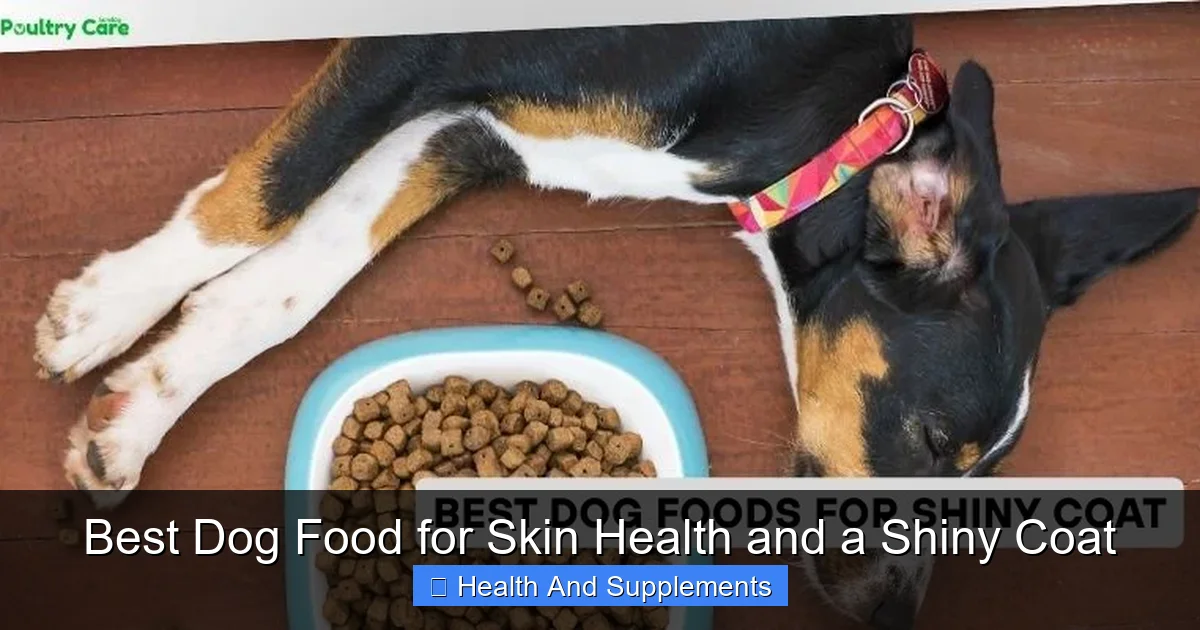
Visual guide about Best Dog Food for Skin Health and a Shiny Coat
Image source: poultrycaresunday.com
Omega-3 and Omega-6 Fatty Acids
These essential fatty acids are the MVPs of skin health. Omega-3s, found in fish oil, flaxseed, and chia seeds, reduce inflammation and help soothe itchy, irritated skin. Omega-6s, often sourced from poultry fat or sunflower oil, support the skin’s natural barrier and promote a soft, shiny coat. Look for a balanced ratio—typically around 5:1 to 10:1 (Omega-6 to Omega-3)—for optimal results.
High-Quality Animal Protein
Protein isn’t just for muscles—it’s vital for healthy skin and fur. Dogs need amino acids like cysteine and methionine to produce keratin, the protein that makes up hair and nails. Choose foods where real meat (like chicken, salmon, or lamb) is listed as the first ingredient. Avoid meals or by-products that lack clear sourcing.
Zinc and Biotin
Zinc helps repair skin tissue and supports immune function, while biotin (a B-vitamin) strengthens hair and prevents dryness. Deficiencies in either can lead to flaky skin, slow healing, or brittle fur. Many premium dog foods now include these nutrients, but it’s worth checking the label.
Vitamins A and E
Vitamin A supports skin cell growth and repair, while Vitamin E acts as an antioxidant, protecting skin from environmental damage. Both are commonly found in liver, eggs, and leafy greens—ingredients you’ll see in well-formulated diets.
Probiotics and Digestive Enzymes
Believe it or not, gut health affects skin health. A balanced gut microbiome helps your dog absorb nutrients more efficiently and can reduce allergic reactions that show up as skin problems. Look for dog foods with added probiotics or prebiotic fibers like chicory root.
Common Skin Issues in Dogs and How Diet Can Help
Many dog owners notice skin problems but aren’t sure what’s causing them. While allergies, parasites, and infections can all play a role, diet is often a contributing factor—or even the root cause. Here’s how nutrition can help with common issues:
Dry, Flaky Skin
If your dog’s coat looks dull and you see white flakes, they might be dealing with dry skin. This is often due to a lack of essential fatty acids or low humidity. Switching to a dog food rich in omega-3s and omega-6s can restore moisture and reduce flakiness within weeks.
Itching and Scratching
Constant scratching, licking, or chewing can signal food sensitivities or environmental allergies. In some cases, common proteins like beef or chicken—or fillers like corn and wheat—trigger an immune response. Limited-ingredient diets with novel proteins (like duck, venison, or salmon) can help identify and eliminate triggers.
Hot Spots and Rashes
Hot spots are painful, red, moist lesions that can develop quickly. They’re often caused by moisture trapped in the skin, but underlying allergies or poor nutrition can make them worse. A diet rich in anti-inflammatory ingredients like fish oil and antioxidants can speed healing and prevent recurrence.
Dull or Brittle Coat
A lackluster coat isn’t just cosmetic—it can indicate poor nutrition. Without enough protein, fatty acids, and vitamins, fur becomes weak and prone to breakage. Feeding a nutrient-dense diet with real meat and healthy fats can bring back that soft, glossy shine.
Best Types of Dog Food for Skin Health
With so many options on the market, it’s easy to feel overwhelmed. Here’s a breakdown of the best types of dog food for skin health, depending on your dog’s needs:
Grain-Free Formulas
Grain-free dog food eliminates common allergens like wheat, corn, and soy. While not all dogs need grain-free diets, they can be helpful for pups with food sensitivities. Just make sure the formula still includes healthy carbohydrates like sweet potatoes or peas for energy.
Limited-Ingredient Diets (LID)
LID foods contain fewer ingredients, making it easier to pinpoint allergens. They often feature a single protein source and a simple carb, ideal for dogs with sensitive stomachs or skin reactions. Brands like Natural Balance and Blue Buffalo offer great LID options.
Hypoallergenic Dog Food
For dogs with severe allergies, hypoallergenic formulas use hydrolyzed proteins—proteins broken down so small the immune system doesn’t recognize them as threats. These are typically prescription diets, so consult your vet before switching.
Fresh or Raw Diets
Fresh, gently cooked, or raw diets retain more natural nutrients and enzymes. Many pet parents report shinier coats and fewer skin issues after switching to fresh food. Just ensure the diet is balanced and meets AAFCO standards.
Supplemented Kibble
If you prefer the convenience of kibble, look for brands that add skin-supporting supplements like fish oil, flaxseed, or coconut oil. Some even include probiotics and antioxidants for extra support.
Top Dog Food Brands for Skin and Coat Health
Not all brands prioritize skin health, but several stand out for their quality ingredients and proven results. Here are a few top picks:
Royal Canin Veterinary Diet Hydrolyzed Protein
A vet-recommended option for dogs with severe food allergies. The hydrolyzed protein reduces allergic reactions, and added omega-3s support skin healing.
Hill’s Science Diet Sensitive Stomach & Skin
This formula includes prebiotic fiber for gut health and omega-6 fatty acids for a shiny coat. It’s great for dogs with mild sensitivities.
Blue Buffalo Basics Limited Ingredient Diet
Made with real turkey and potatoes, this grain-free option avoids common allergens while providing essential nutrients for skin health.
Wellness CORE Grain-Free Original
Packed with deboned turkey, salmon meal, and flaxseed, this high-protein kibble supports strong skin and a lustrous coat.
The Honest Kitchen Human-Grade Dehydrated Food
A fresh, whole-food option that’s easy to rehydrate. Full of real meat, vegetables, and fish oil, it’s ideal for dogs needing a nutrient boost.
How to Transition Your Dog to a New Food
Switching your dog’s food too quickly can upset their stomach—and even worsen skin issues. A gradual transition over 7–10 days is best. Start by mixing 25% new food with 75% old food for a few days, then increase to 50/50, then 75% new, and finally 100% new food.
During the transition, watch for signs of improvement—or problems. Less itching, reduced dandruff, and a softer coat are good signs. But if your dog develops diarrhea, vomiting, or worse skin reactions, stop the new food and consult your vet. They may recommend a different formula or allergy testing.
Also, remember that results take time. While some dogs show improvement in a week or two, others may need 6–8 weeks to fully adjust and show visible changes in skin and coat health.
Additional Tips for Healthy Skin and Coat
While diet is the foundation, a few extra steps can amplify results:
- Brush regularly: Brushing removes dead hair and distributes natural oils, promoting a healthier coat.
- Use a humidifier: Dry indoor air can worsen skin dryness, especially in winter.
- Supplement wisely: Fish oil or coconut oil supplements can boost skin health—ask your vet for the right dosage.
- Check for parasites: Fleas, mites, and ticks can cause skin irritation. Use preventatives year-round.
- Bathe with gentle shampoos: Over-bathing can strip natural oils. Use oatmeal or hypoallergenic shampoos as needed.
Conclusion
Your dog’s skin and coat are windows into their overall health. By choosing the best dog food for skin health—one rich in omega fatty acids, high-quality protein, and essential vitamins—you’re giving them the internal support they need to thrive. Whether you opt for a limited-ingredient kibble, a fresh food diet, or a vet-recommended formula, the right nutrition can reduce itching, eliminate dryness, and bring back that beautiful, shiny coat.
Remember, every dog is different. What works for one pup might not work for another. Pay attention to how your dog responds, and don’t hesitate to consult your veterinarian if skin issues persist. With the right food and a little patience, your furry friend can enjoy healthier skin and a coat that turns heads at the park.
Frequently Asked Questions
What ingredients should I avoid in dog food for skin health?
Avoid fillers like corn, soy, and wheat, which can trigger allergies. Also steer clear of artificial colors, flavors, and preservatives like BHA and BHT, which may irritate sensitive skin.
How long does it take to see improvements in my dog’s coat?
Most dogs show noticeable improvements in skin and coat health within 4–6 weeks of switching to a high-quality diet. However, dogs with severe allergies may take longer.
Can I give my dog fish oil supplements instead of changing their food?
Fish oil supplements can help, but they’re not a substitute for a balanced diet. For best results, combine supplements with a nutrient-rich dog food designed for skin health.
Is grain-free dog food always better for skin issues?
Not necessarily. While grain-free diets help some dogs with food sensitivities, others do fine with grains. Focus on overall ingredient quality and your dog’s individual reaction.
My dog has dandruff—could it be a food issue?
Yes, dandruff can be caused by dry skin due to poor nutrition, especially a lack of omega fatty acids. Switching to a skin-supportive diet often reduces or eliminates flakiness.
Should I see a vet before changing my dog’s food?
It’s always a good idea, especially if your dog has chronic itching, rashes, or infections. Your vet can rule out medical conditions and recommend the best diet for your dog’s specific needs.