

Choosing the right dog food is one of the most important decisions you can make for your pet’s long-term health. With so many options on the market, it’s easy to feel overwhelmed—but focusing on quality ingredients, nutritional balance, and your dog’s individual needs can simplify the process.
As a dog owner, you want the best for your furry companion—especially when it comes to their health. One of the simplest yet most impactful ways to support your dog’s well-being is through their diet. Just like humans, dogs thrive on balanced nutrition, and the food they eat plays a major role in their energy levels, immune function, coat quality, and even behavior. Yet, with countless brands, formulas, and marketing claims flooding the pet food aisle, choosing the right option can feel overwhelming.
The good news? You don’t need a degree in canine nutrition to make smart choices. By learning a few key principles—like reading labels, understanding ingredients, and matching food to your dog’s unique needs—you can confidently select a healthy dog food that supports a long, happy life. In this guide, we’ll walk you through the top tips for choosing the best food for your pet, so you can feel good about every meal you serve.
Key Takeaways
- Read ingredient labels carefully: Look for real meat as the first ingredient and avoid fillers like corn, soy, and by-products.
- Choose age-appropriate formulas: Puppies, adults, and senior dogs have different nutritional needs—select food designed for your dog’s life stage.
- Watch for artificial additives: Avoid foods with artificial colors, flavors, or preservatives like BHA and BHT.
- Consider your dog’s health conditions: Dogs with allergies, sensitive stomachs, or joint issues may benefit from specialized diets.
- Consult your veterinarian: A vet can help identify dietary needs based on breed, weight, activity level, and health history.
- Transition gradually: When switching foods, mix the old and new over 7–10 days to prevent digestive upset.
- Monitor your dog’s response: Healthy skin, shiny coat, good energy, and firm stools are signs of a well-balanced diet.
📑 Table of Contents
Understand What Makes Dog Food Healthy
Not all dog foods are created equal. A healthy dog food should provide complete and balanced nutrition, meaning it contains the right mix of proteins, fats, carbohydrates, vitamins, and minerals your dog needs to thrive. The Association of American Feed Control Officials (AAFCO) sets standards for pet food, so look for labels that state the food meets AAFCO nutritional guidelines for your dog’s life stage—whether that’s growth, maintenance, or senior.
Protein Should Be the Star
Protein is essential for building and repairing muscles, supporting immune function, and maintaining healthy skin and coat. Look for foods where a named animal protein—like chicken, beef, salmon, or lamb—is listed as the first ingredient. Avoid vague terms like “meat meal” or “animal by-product meal,” which can come from questionable sources. High-quality proteins are easier for your dog to digest and provide more bioavailable amino acids.
Healthy Fats for Energy and Shine
Fats aren’t just about calories—they’re vital for brain development, hormone production, and a glossy coat. Sources like chicken fat, flaxseed, and fish oil (rich in omega-3 fatty acids) are excellent choices. Omega-3s, in particular, help reduce inflammation and support joint and heart health. Just be cautious of excessive fat content, especially for less active or overweight dogs.
Read the Ingredient List Like a Pro
The ingredient list on a dog food label is listed in order of weight, so the first few ingredients matter most. A high-quality food will feature real, recognizable ingredients—not fillers or artificial additives.
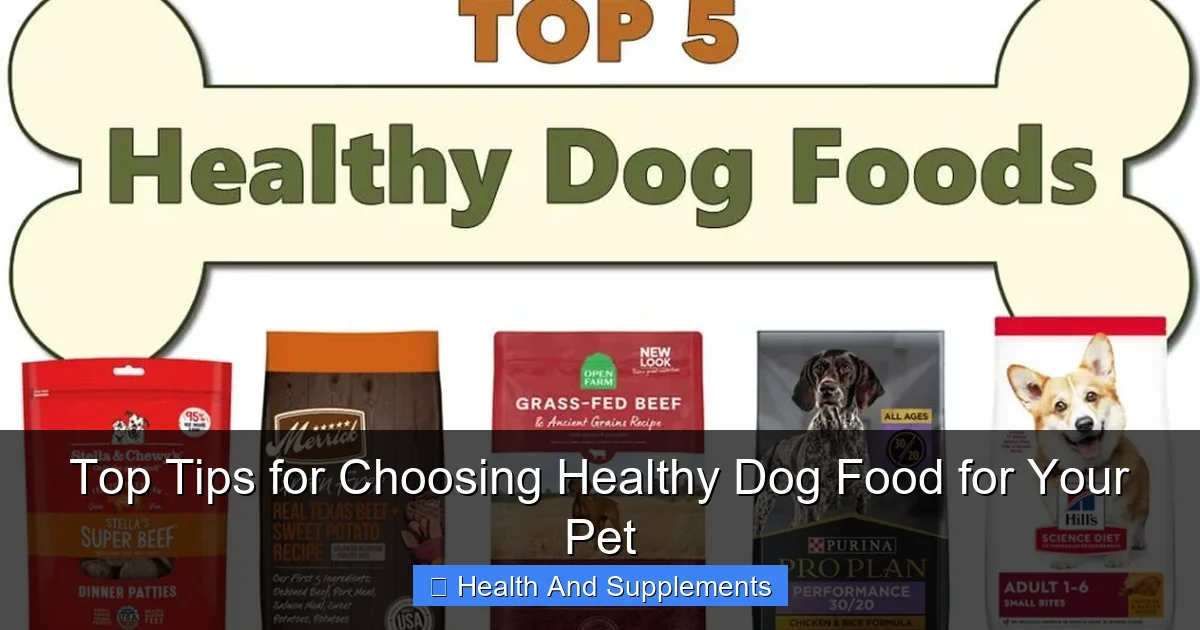
Visual guide about Top Tips for Choosing Healthy Dog Food for Your Pet
Image source: thepawsomecanine.com
Avoid Common Fillers and By-Products
Ingredients like corn, wheat, soy, and rice are often used as cheap fillers that provide little nutritional value. While small amounts of grains can be fine for some dogs, they shouldn’t dominate the recipe—especially if your dog has a sensitive stomach or food allergies. Similarly, avoid “by-products” unless specified as “named” (e.g., “chicken by-product meal”), which are actually nutrient-rich organ meats. Unspecified by-products, however, can include low-quality or unsafe materials.
Steer Clear of Artificial Additives
Artificial colors, flavors, and preservatives like BHA, BHT, and ethoxyquin have been linked to health concerns in dogs, including allergies and even cancer. Instead, look for natural preservatives like mixed tocopherols (a form of vitamin E) or rosemary extract. These keep the food fresh without the potential risks.
Match the Food to Your Dog’s Life Stage and Needs
Just like people, dogs have different nutritional needs at different stages of life. Feeding a puppy adult food—or vice versa—can lead to deficiencies or obesity.
Puppy Food for Growing Bodies
Puppies need more calories, protein, and certain nutrients like DHA (for brain development) than adult dogs. Choose a formula labeled for “growth” or “all life stages” if you have a puppy. Large-breed puppies, in particular, benefit from controlled calcium and phosphorus levels to support healthy bone development and prevent joint issues.
Adult Maintenance Formulas
Once your dog reaches adulthood (usually around 12 months, though larger breeds may take longer), switch to a maintenance formula. These are balanced for sustained energy and weight management. Look for moderate protein and fat levels, and avoid overfeeding—even the healthiest food can lead to obesity if portions are too large.
Senior Dog Considerations
Older dogs often have slower metabolisms, reduced activity, and age-related health issues like arthritis or kidney disease. Senior formulas typically have fewer calories, added joint support (like glucosamine), and higher fiber for digestion. Some also include antioxidants to support cognitive health. If your senior dog has specific conditions, your vet may recommend a therapeutic diet.
Consider Special Dietary Needs and Allergies
Some dogs have sensitivities or medical conditions that require special attention. Paying close attention to your dog’s reactions can help you identify problem ingredients.
Food Allergies vs. Intolerances
True food allergies in dogs are relatively rare and usually involve an immune response to a protein like chicken, beef, or dairy. Symptoms include itchy skin, ear infections, and chronic paw licking. Food intolerances, on the other hand, often cause digestive issues like gas, diarrhea, or vomiting. If you suspect an issue, try an elimination diet under your vet’s guidance—removing common allergens and reintroducing them one at a time.
Grain-Free: Is It Necessary?
Grain-free diets have gained popularity, but they’re not always the best choice. Most dogs can digest grains like rice, oats, and barley without issue. In fact, recent studies have raised concerns about a possible link between grain-free diets and dilated cardiomyopathy (DCM) in some dogs, possibly due to high levels of legumes like peas and lentils. Unless your dog has a diagnosed grain allergy, there’s usually no need to go grain-free.
Hypoallergenic and Limited-Ingredient Diets
For dogs with confirmed allergies, hypoallergenic or limited-ingredient diets can be a game-changer. These foods use novel proteins (like duck or venison) and single carbohydrate sources (like sweet potato) to minimize exposure to common allergens. Always consult your vet before starting a specialized diet.
Choose the Right Type of Food
Dog food comes in several forms—dry kibble, wet/canned, raw, and fresh—each with pros and cons.
Dry Kibble: Convenient and Affordable
Dry food is the most popular choice due to its convenience, long shelf life, and affordability. Many kibbles are formulated to help reduce plaque buildup, thanks to their crunchy texture. Look for kibble that’s appropriately sized for your dog’s breed and chewing style. Small dogs may struggle with large kibble, while large breeds might gulp down small pieces too quickly.
Wet Food: Great for Picky Eaters and Hydration
Wet food has a strong aroma and soft texture, making it ideal for dogs who are picky eaters, have dental issues, or need extra hydration—especially important for dogs prone to urinary tract problems. However, it’s more expensive and spoils quickly once opened. You can mix wet and dry food for variety and added moisture.
Raw and Fresh Diets: Trendy but Require Caution
Raw diets (including BARF—Biologically Appropriate Raw Food) and fresh, human-grade meals are growing in popularity. Proponents claim they improve coat quality, energy, and digestion. However, raw diets carry risks like bacterial contamination (Salmonella, E. coli) and nutritional imbalances if not properly formulated. If you’re considering raw or fresh food, work with a veterinary nutritionist to ensure it’s safe and complete.
Transition Foods Gradually and Monitor Results
Switching your dog’s food too quickly can lead to upset stomach, diarrhea, or refusal to eat. Always transition over 7–10 days by gradually increasing the amount of new food while decreasing the old.
How to Transition Safely
Start with 25% new food and 75% old food for days 1–3, then move to 50/50 for days 4–6, 75% new for days 7–9, and 100% new food by day 10. Watch for signs of digestive distress. If your dog shows persistent vomiting, diarrhea, or lethargy, slow the transition or consult your vet.
Watch for Positive Signs
A healthy dog food should show results within a few weeks. Look for a shiny coat, clear eyes, healthy weight, good energy levels, and consistent, firm stools. If your dog seems more energetic, less itchy, or has fewer digestive issues, you’re on the right track.
When to Consult Your Veterinarian
While general guidelines are helpful, every dog is unique. Your veterinarian is your best resource for personalized advice, especially if your dog has chronic health issues like diabetes, kidney disease, or obesity. Vets can also recommend prescription diets for specific conditions and help you interpret ingredient labels based on your dog’s medical history.
Don’t hesitate to ask questions during check-ups: “Is this food right for my dog’s age and activity level?” or “Could this ingredient be causing his skin issues?” A good vet will appreciate your involvement and help you make informed decisions.
Ultimately, choosing healthy dog food isn’t about finding the most expensive or trendiest option—it’s about finding what works best for your pet. With a little knowledge and attention, you can give your dog the gift of better health, one meal at a time.
Frequently Asked Questions
How can I tell if my dog’s food is high quality?
Look for real meat as the first ingredient, a named animal fat source (like chicken fat), and minimal fillers. The food should also meet AAFCO standards for your dog’s life stage. Avoid artificial preservatives and vague terms like “meat by-products.”
Is grain-free dog food better for my pet?
Not necessarily. Most dogs don’t need grain-free diets, and some grain-free formulas have been linked to heart issues. Unless your dog has a diagnosed grain allergy, whole grains like rice or oats can be healthy and digestible.
How often should I change my dog’s food?
There’s no need to switch foods frequently unless your dog has allergies or health issues. Consistency is key. Only change food if you’re addressing a specific need, and always transition gradually over 7–10 days.
Can I make homemade dog food instead of buying commercial brands?
Yes, but it requires careful planning to ensure balanced nutrition. Homemade diets often lack essential vitamins and minerals unless formulated by a veterinary nutritionist. If you choose this route, consult your vet to avoid deficiencies.
What are the signs my dog isn’t tolerating their food well?
Common signs include vomiting, diarrhea, excessive gas, itchy skin, ear infections, or changes in energy and coat quality. If symptoms persist, consult your veterinarian to rule out allergies or underlying health issues.
Is wet food better than dry food?
Both have benefits. Wet food is great for hydration and picky eaters, while dry food is convenient and can help with dental health. Many owners use a mix of both for variety and balanced nutrition.