

Choosing the right health dog food can transform your pup’s energy, coat, and overall well-being. Our in-depth reviews highlight top-rated brands that prioritize real ingredients, balanced nutrition, and digestive support—so you can feed your furry friend with confidence.
Key Takeaways
- Real meat as the first ingredient: High-quality protein supports muscle health and energy levels in dogs of all ages.
- Grain-free isn’t always better: Unless your dog has a diagnosed allergy, whole grains like brown rice offer valuable fiber and nutrients.
- Look for AAFCO compliance: This ensures the food meets nutritional standards for your dog’s life stage (puppy, adult, senior).
- Probiotics and prebiotics matter: These support gut health, leading to better digestion and stronger immunity.
- Avoid artificial additives: Steer clear of colors, flavors, and preservatives like BHA and BHT that offer no health benefit.
- Consider your dog’s size and breed: Small breeds need smaller kibble; large breeds benefit from joint-supporting nutrients like glucosamine.
- Transition slowly: When switching foods, mix the old and new over 7–10 days to prevent digestive upset.
📑 Table of Contents
- Why Choosing the Right Health Dog Food Matters
- What to Look for in High-Quality Dog Food
- Top-Rated Health Dog Food Brands in 2024
- Special Diets: When Your Dog Needs More Than Kibble
- How to Transition Your Dog to a New Food
- Common Myths About Dog Food Debunked
- Final Thoughts: Feeding Your Dog for Lifelong Health
Why Choosing the Right Health Dog Food Matters
Your dog’s diet is the foundation of their health. Just like humans, dogs thrive when they eat nutrient-rich, balanced meals. Poor-quality food can lead to dull coats, low energy, digestive issues, and even long-term health problems like obesity or diabetes. That’s why so many pet parents are turning to health dog food reviews to make smarter choices.
With thousands of brands on the market, it’s easy to feel overwhelmed. Some promise “natural” ingredients, while others boast “veterinarian recommended” labels—but not all claims are created equal. The good news? You don’t have to guess. By focusing on real nutrition, ingredient transparency, and your dog’s individual needs, you can find a food that keeps them happy, active, and healthy for years to come.
What to Look for in High-Quality Dog Food
1. High-Quality Protein Sources
The first ingredient should always be a named animal protein—like chicken, beef, salmon, or lamb. Avoid vague terms like “meat meal” or “animal by-products.” Real meat provides essential amino acids that support muscle development, immune function, and healthy skin.
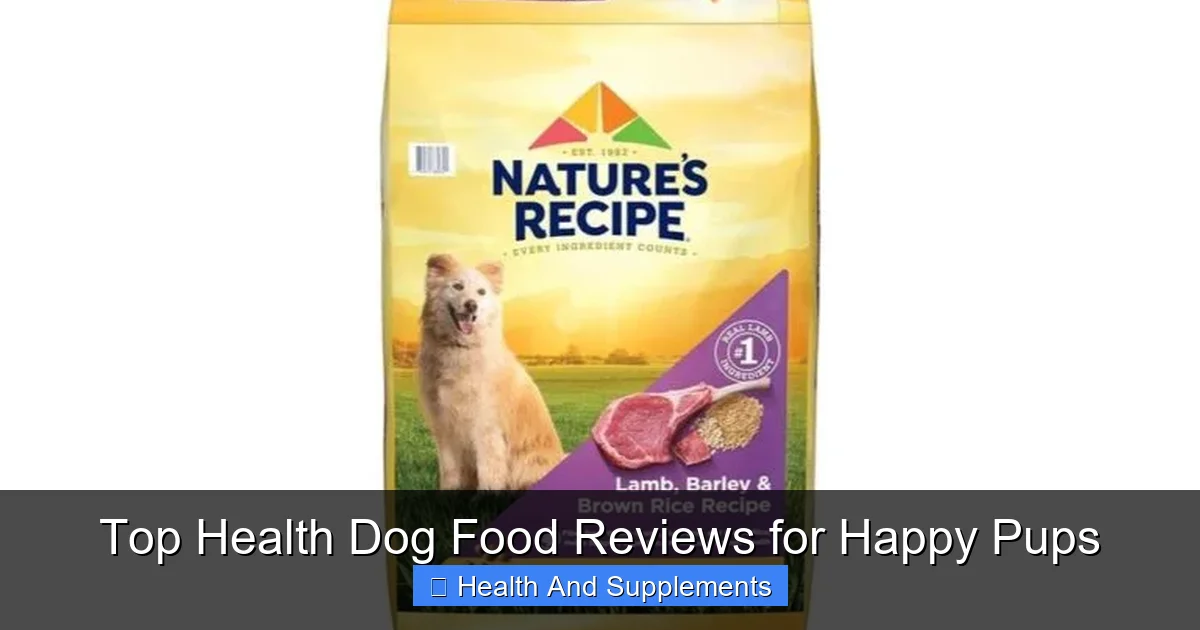
Visual guide about Top Health Dog Food Reviews for Happy Pups
Image source: aplaceforanimals.com
2. Whole Grains and Healthy Carbs
Contrary to popular belief, not all dogs need grain-free diets. Whole grains like oats, brown rice, and barley offer fiber, B vitamins, and sustained energy. Unless your vet recommends grain-free due to allergies, these ingredients can be a healthy part of your dog’s diet.
3. Healthy Fats for Shine and Energy
Look for sources like chicken fat, flaxseed, or fish oil. These provide omega-3 and omega-6 fatty acids, which promote a shiny coat, reduce inflammation, and support brain health—especially important for puppies and senior dogs.
4. Probiotics and Digestive Enzymes
A healthy gut means a healthier dog. Foods with added probiotics (like Lactobacillus) help maintain good bacteria in the digestive tract, reducing gas, bloating, and diarrhea. This is especially helpful for sensitive stomachs or dogs prone to digestive upset.
5. No Artificial Additives
Skip foods with artificial colors, flavors, or chemical preservatives. These offer no nutritional value and may contribute to allergies or hyperactivity. Instead, opt for natural preservatives like mixed tocopherols (a form of vitamin E).
Top-Rated Health Dog Food Brands in 2024
1. The Honest Kitchen Human-Grade Dog Food
This brand stands out for using human-grade, dehydrated whole foods. Their recipes include free-range chicken, organic vegetables, and coconut oil—all gently dehydrated to preserve nutrients. It’s perfect for pet parents who want to feed their dogs meals that look and smell like real food. While it’s pricier than kibble, many dogs show improved energy and digestion after switching.
2. Wellness CORE Grain-Free
Wellness CORE offers high-protein, grain-free options packed with real meat and no fillers. Their Original Recipe features deboned turkey and chicken meal as the top ingredients, plus probiotics and antioxidants. It’s ideal for active dogs or those with grain sensitivities. Many reviewers note shinier coats and better stool quality within weeks.
3. Blue Buffalo Life Protection Formula
A trusted name in natural pet food, Blue Buffalo uses real meat, whole grains, and their signature “LifeSource Bits”—a blend of antioxidants, vitamins, and minerals. Their adult chicken and brown rice recipe is a favorite among medium to large breed dogs. It’s affordable, widely available, and consistently earns high marks in health dog food reviews.
4. Orijen Original Biologically Appropriate
Orijen mimics a dog’s natural diet with 85% animal ingredients, including fresh meat, organs, and cartilage. It’s rich in protein and low in carbohydrates, making it excellent for lean muscle maintenance. While it’s on the higher end of the price spectrum, many pet owners say their dogs have never looked or felt better.
5. Purina Pro Plan Sensitive Skin & Stomach
Don’t let the brand name fool you—this formula is vet-recommended and science-backed. Made with salmon as the primary protein and easily digestible rice, it’s designed for dogs with food sensitivities. It includes live probiotics and omega-6 fatty acids for skin and coat health. It’s a great option if your dog has allergies or digestive issues.
Special Diets: When Your Dog Needs More Than Kibble
Raw and Fresh Food Diets
Raw diets have gained popularity for their “natural” appeal. Brands like Stella & Chewy’s and Primal offer freeze-dried raw meals that retain nutrients without cooking. These can be great for picky eaters or dogs with chronic health issues, but they require careful handling to avoid bacterial contamination. Always consult your vet before starting a raw diet.
Prescription and Therapeutic Foods
Some dogs need specialized nutrition due to medical conditions like kidney disease, diabetes, or food allergies. Prescription diets from brands like Hill’s Science Diet or Royal Canin are formulated under veterinary guidance. These aren’t available over the counter and should only be used with a vet’s recommendation.
Homemade and DIY Meals
Cooking for your dog can be rewarding, but it’s not as simple as sharing your dinner. Dogs need a precise balance of protein, fat, calcium, and other nutrients. Work with a veterinary nutritionist to create a balanced recipe. Common mistakes include too much fat, insufficient calcium, or missing essential vitamins—so don’t wing it.
How to Transition Your Dog to a New Food
Switching dog food too quickly can cause stomach upset, diarrhea, or refusal to eat. The key is a slow transition over 7 to 10 days. Start by mixing 25% new food with 75% old food for the first two days. Gradually increase the ratio every couple of days until your dog is eating 100% of the new food.
Watch for signs of digestive distress, like vomiting or loose stools. If symptoms persist beyond a few days, consult your vet—it could indicate a food intolerance or allergy. Also, keep water available at all times, especially during the transition period.
Pro tip: Add a spoonful of plain pumpkin puree (not pie filling) to help soothe the stomach during the switch. It’s high in fiber and gentle on digestion.
Common Myths About Dog Food Debunked
“Grain-Free Is Always Healthier”
Not true. In fact, the FDA has investigated a potential link between grain-free diets and dilated cardiomyopathy (DCM) in dogs. While some dogs do have grain allergies, most don’t. Whole grains are a safe, nutritious energy source for the majority of pets.
“More Protein Is Always Better”
While protein is essential, too much can strain a dog’s kidneys—especially in older dogs or those with pre-existing conditions. Balance is key. Look for moderate to high protein levels (25–30% for most adults) from quality sources, not just meat by-products.
“Expensive Means Better”
Price doesn’t always equal quality. Some budget brands use high-quality ingredients, while some premium brands include unnecessary additives. Focus on the ingredient list and nutritional adequacy statement, not the price tag.
“Dogs Should Eat Only Once a Day”
Most dogs do better with two meals a day. This helps regulate blood sugar, prevents bloating (especially in large breeds), and supports digestion. Puppies may need three to four small meals daily until they’re about six months old.
Final Thoughts: Feeding Your Dog for Lifelong Health
Choosing the right health dog food isn’t just about checking boxes—it’s about understanding your dog’s unique needs. Whether you have a spunky puppy, a senior with joint issues, or a sensitive stomach, there’s a food out there that can help them thrive.
Use health dog food reviews as a starting point, but always consider your dog’s age, size, activity level, and health status. When in doubt, consult your veterinarian. And remember, the best food in the world won’t help if your dog won’t eat it—so don’t be afraid to try a few options until you find the perfect match.
Your dog depends on you for everything—love, care, and yes, great food. With the right nutrition, you’re giving them the gift of a longer, happier, and healthier life.
Frequently Asked Questions
What is the best health dog food for puppies?
The best health dog food for puppies should be high in protein and fat to support growth, with DHA for brain development. Look for brands like Wellness Complete Health Puppy or Royal Canin Puppy, which are formulated for young, growing dogs.
Can I feed my senior dog regular adult food?
It depends. Senior dogs often benefit from lower-calorie, joint-supporting formulas with glucosamine and L-carnitine. If your senior dog is overweight or has arthritis, a senior-specific diet can improve mobility and energy.
Is grain-free dog food safe?
Grain-free food is safe for dogs with grain allergies, but not necessary for most. The FDA has raised concerns about a possible link between grain-free diets and heart disease in dogs, so consult your vet before making the switch.
How often should I change my dog’s food?
There’s no need to change food unless your dog has a health issue, food intolerance, or you’re upgrading to a better formula. Frequent changes can upset their stomach, so stick with what works unless advised otherwise.
What ingredients should I avoid in dog food?
Avoid artificial colors, flavors, and preservatives like BHA, BHT, and ethoxyquin. Also steer clear of vague terms like “meat meal” or “by-product meal” unless from a trusted brand with transparent sourcing.
Can I mix wet and dry dog food?
Yes! Mixing wet and dry food can add variety, improve hydration, and appeal to picky eaters. Just adjust portions to avoid overfeeding and maintain a balanced diet.