

Adding calories to cat food is essential for underweight, recovering, or highly active cats. This guide shows you safe, vet-recommended ways to boost your cat’s caloric intake using healthy fats, wet food, and supplements—without compromising nutrition.
Key Takeaways
- Consult your vet first: Always check with a veterinarian before increasing your cat’s calorie intake to rule out underlying health issues.
- Use high-quality wet food: Canned food is often higher in calories and moisture than dry kibble, making it ideal for calorie boosting.
- Add healthy fats: Small amounts of oils like fish oil or coconut oil can safely increase calories and support skin and coat health.
- Choose calorie-dense toppers: Bone broth, cooked egg yolks, or freeze-dried meat toppers add flavor and energy without bulk.
- Monitor weight and behavior: Track your cat’s weight weekly and watch for changes in energy, digestion, or appetite.
- Avoid human junk food: Never feed cats high-sugar, salty, or fatty human snacks—these can cause serious health problems.
- Gradual changes are key: Introduce calorie boosters slowly to prevent digestive upset or food aversion.
How to Add Calories to Cat Food: A Complete Guide for Pet Parents
If your cat is underweight, recovering from illness, or just needs a little extra energy, you might be wondering how to add calories to cat food safely and effectively. Whether you’re caring for a senior cat, a rescued kitten, or a feline athlete, increasing caloric intake doesn’t have to mean switching to junk food or overfeeding. In fact, with the right approach, you can boost your cat’s energy levels while supporting their overall health.
This comprehensive guide will walk you through everything you need to know about adding calories to cat food—from understanding why your cat might need more calories to choosing the best calorie-boosting ingredients and avoiding common mistakes. You’ll learn vet-approved strategies, practical tips, and safe food options that will help your cat gain weight the healthy way.
By the end of this guide, you’ll feel confident in your ability to nourish your cat properly, whether they’re a picky eater, a growing kitten, or a senior who’s lost their appetite. Let’s dive in!
Why Your Cat Might Need More Calories
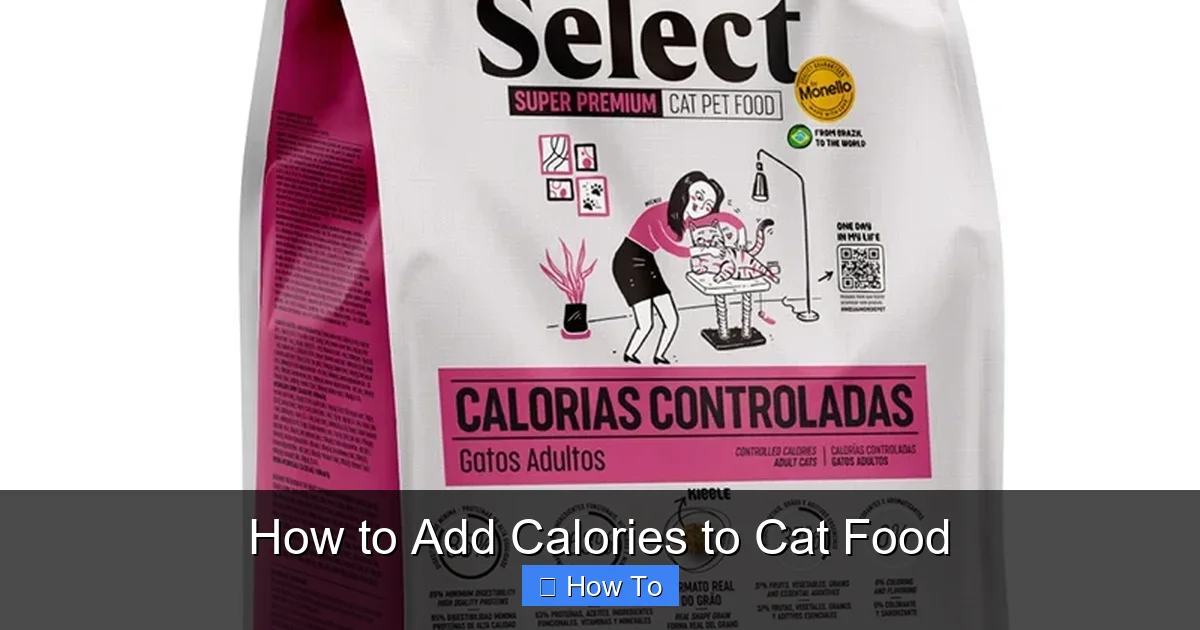
Visual guide about How to Add Calories to Cat Food
Image source: hyjiyastore.com
Before you start adding calories to your cat’s meals, it’s important to understand why they might need them in the first place. Not all cats need extra calories—some are perfectly healthy at their current weight. But certain life stages, health conditions, or lifestyle factors can increase a cat’s energy needs.
For example, kittens are growing rapidly and burn calories quickly. Nursing mother cats need up to three times their normal caloric intake to produce milk. Senior cats may lose muscle mass and appetite, making it harder to maintain weight. Cats recovering from surgery, illness, or injury also require more energy to heal. Even highly active indoor cats—like those who love to play fetch or climb cat trees—might need a calorie boost.
On the flip side, obesity is a growing problem in domestic cats, so it’s crucial not to overfeed without a clear reason. That’s why the first step in adding calories should always be a visit to the vet. They can assess your cat’s body condition, rule out medical issues like hyperthyroidism or diabetes, and recommend a safe calorie target.
Once you have the green light, you can start exploring safe and effective ways to increase your cat’s caloric intake.
Step 1: Choose the Right Base Food
The foundation of any calorie-boosting plan is a high-quality, nutrient-dense base food. Not all cat foods are created equal, and some are naturally higher in calories than others.
Wet Food vs. Dry Food
Wet food is often the best starting point for adding calories. Canned cat food typically contains more protein and fat than dry kibble, and it’s also higher in moisture—which is great for hydration. Because it’s less processed and more palatable, many cats eat more of it, which naturally increases calorie intake.
Look for wet foods labeled “high calorie” or “weight gain” formulas. These are specifically designed for underweight cats and often contain added fats and proteins. Brands like Royal Canin Recovery, Hill’s Prescription Diet a/d, and Purina Pro Plan Veterinary Diets EN are popular choices, though they may require a vet’s prescription.
Dry food, on the other hand, is more calorie-dense by volume because it lacks moisture. A small cup of kibble can pack a lot of calories. However, it’s also harder for some cats to digest in large amounts, and overfeeding dry food can lead to dehydration if your cat doesn’t drink enough water.
If you’re using dry food as your base, consider mixing in wet food or broth to increase moisture and palatability. This combination can make meals more appealing and easier to eat in larger quantities.
Check the Guaranteed Analysis
When shopping for cat food, always check the guaranteed analysis on the label. This section lists the minimum percentages of protein and fat, and the maximum percentages of fiber and moisture. For calorie-boosting purposes, you want a food with:
– High protein (at least 30–40%)
– High fat (at least 15–20%)
– Low fiber (under 5%)
Fat is the most calorie-dense nutrient—providing about 8.5 calories per gram, compared to 3.5 for protein and carbs. So a food rich in healthy animal fats will help your cat gain weight more efficiently.
Avoid foods with excessive fillers like corn, wheat, or soy. These add bulk but little nutritional value, which can make it harder for your cat to absorb the calories they need.
Step 2: Add Healthy Fats and Oils
One of the easiest and most effective ways to add calories to cat food is by incorporating healthy fats. Fats are not only calorie-dense but also essential for skin, coat, and brain health. Just a small amount can make a big difference in your cat’s daily energy intake.
Fish Oil
Fish oil is a top choice for calorie boosting. It’s rich in omega-3 fatty acids like EPA and DHA, which reduce inflammation, support heart health, and improve coat shine. Plus, it has a strong smell that many cats find irresistible.
You can add a few drops of high-quality fish oil directly to your cat’s food. Start with 1/4 teaspoon per day and increase gradually if needed. Look for fish oil made specifically for pets, as human supplements may contain additives that are unsafe for cats.
Coconut Oil
Coconut oil is another popular option. It contains medium-chain triglycerides (MCTs), which are easily digested and converted into energy. Some pet owners report that coconut oil helps with hairballs and digestion, though scientific evidence is limited.
Use coconut oil sparingly—about 1/8 to 1/4 teaspoon per day for an average-sized cat. Too much can cause diarrhea or greasy stools. Always choose unrefined, virgin coconut oil without added flavors or chemicals.
Cooking Oils (Use with Caution)
While small amounts of olive oil or avocado oil might seem harmless, they’re not ideal for regular use. Olive oil is low in omega-3s and high in omega-6s, which can promote inflammation if overused. Avocado oil contains persin, a compound that can be toxic to cats in large amounts.
If you do use these oils, limit them to occasional use and never exceed 1/4 teaspoon per day. Always consult your vet first.
Animal Fats (Rendered or Drippings)
Small amounts of rendered chicken fat or beef tallow can be added to meals for extra calories. These are often found in commercial cat foods as flavor enhancers. You can collect drippings from cooked, unseasoned meat and mix a teaspoon into your cat’s food.
Avoid using bacon grease or other processed meat fats, as they’re high in salt and preservatives.
Step 3: Use Calorie-Dense Toppers and Mix-Ins
Toppers are a fun and effective way to boost calories without changing your cat’s main diet. They add flavor, texture, and extra nutrients—making meals more exciting for picky eaters.
Cooked Egg Yolks
Egg yolks are packed with protein, healthy fats, and vitamins like B12 and choline. They’re also highly digestible and loved by most cats.
To prepare, hard-boil an egg and mash the yolk into your cat’s food. Start with 1/4 of a yolk per day and increase to half if your cat tolerates it well. Avoid raw eggs, as they can carry salmonella and contain avidin, a protein that interferes with biotin absorption.
Bone Broth
Bone broth is rich in collagen, amino acids, and minerals. It’s low in calories on its own, but when added to meals, it increases palatability and encourages eating. Many cats will eat more food when it’s mixed with warm, flavorful broth.
Make your own bone broth by simmering chicken or beef bones (without onions, garlic, or seasonings) for 12–24 hours. Strain and cool before serving. You can also find pet-safe bone broth products at pet stores.
Serve 1–2 tablespoons per meal, either mixed in or offered as a side drink.
Freeze-Dried Meat Toppers
Freeze-dried chicken, turkey, salmon, or liver are excellent calorie boosters. These toppers retain most of their nutrients and have a strong aroma that appeals to cats.
Crush or sprinkle a small amount (about 1–2 teaspoons) over your cat’s food. Brands like PureBites, Stella & Chewy’s, and Vital Essentials offer high-quality options.
Avoid toppers with added salt, sugar, or artificial flavors.
Canned Fish (in Moderation)
Small amounts of canned sardines, mackerel, or tuna in water can be used as occasional toppers. These fish are high in protein and omega-3s.
However, don’t rely on them as a regular calorie source. Some fish contain high levels of mercury or thiaminase, an enzyme that breaks down vitamin B1. Limit to once or twice a week and choose varieties packed in water, not oil or sauce.
Step 4: Increase Meal Frequency and Portion Size
Sometimes, the simplest way to add calories is to feed your cat more—safely and gradually.
Feed Smaller, More Frequent Meals
Instead of two large meals per day, try feeding three or four smaller meals. This can help cats with small stomachs or low appetites consume more calories over time.
For example, if your cat normally eats 1/2 cup of food twice a day, try offering 1/3 cup four times a day. This reduces the burden of eating a large portion at once and keeps their metabolism active.
Gradually Increase Portions
If your vet approves, slowly increase the amount of food per meal. Start by adding 10% more food and monitor your cat’s weight and digestion.
For instance, if your cat eats 1/2 cup daily, increase to 11/20 cup (about 10% more) for a week. If they’re tolerating it well, increase again.
Avoid sudden jumps in portion size, as this can cause vomiting, diarrhea, or food aversion.
Use Appetite Stimulants (If Needed)
In some cases, especially with sick or senior cats, appetite stimulants may be necessary. Your vet may prescribe medications like mirtazapine or capromorelin, which can increase hunger and help with weight gain.
Never use human appetite stimulants or supplements without veterinary guidance.
Step 5: Monitor Progress and Adjust as Needed
Adding calories isn’t a one-size-fits-all process. Every cat is different, and what works for one may not work for another. That’s why monitoring is crucial.
Weigh Your Cat Weekly
Use a pet scale or visit your vet regularly to track weight changes. A healthy weight gain for an underweight cat is about 3–5% of their body weight per week.
For example, a 6-pound cat should gain no more than 3–4 ounces per week. Rapid weight gain can strain the liver and heart.
Watch for Digestive Issues
Signs of digestive upset include vomiting, diarrhea, constipation, or refusal to eat. If your cat shows any of these symptoms, slow down the changes and consult your vet.
Adjust Based on Energy and Behavior
A well-nourished cat should have bright eyes, a shiny coat, and normal energy levels. If your cat seems lethargic, irritable, or uninterested in food, something may be off.
Keep a journal of meals, supplements, and behaviors to share with your vet during check-ups.
Troubleshooting Common Problems
Even with the best intentions, you might run into challenges when trying to add calories to your cat’s diet. Here’s how to handle common issues.
My Cat Won’t Eat the New Food
Cats can be notoriously picky. If your cat refuses food with added oils or toppers, try warming it slightly to enhance the aroma. You can also mix new ingredients gradually—start with 90% old food and 10% new, then increase the ratio over a week.
My Cat Is Gaining Too Much Weight
If your cat is gaining weight too quickly, reduce portion sizes or switch to lower-calorie toppers. Focus on muscle-building proteins rather than fats. Your vet can help adjust the plan.
My Cat Has Diarrhea After Adding Oils
This is common when introducing fats too quickly. Reduce the amount of oil and increase it more slowly. Probiotics designed for cats may also help support digestion.
My Cat Is Still Underweight After Several Weeks
If your cat isn’t gaining weight despite your efforts, there may be an underlying medical issue. Conditions like parasites, dental pain, or gastrointestinal diseases can interfere with nutrient absorption. Schedule a vet visit for further testing.
Foods to Avoid When Adding Calories
Not all high-calorie foods are safe for cats. Avoid these common pitfalls:
– **Dairy products:** Many cats are lactose intolerant. Milk, cheese, and cream can cause diarrhea.
– **Onions, garlic, and chives:** These can damage red blood cells and cause anemia.
– **Chocolate and caffeine:** Highly toxic to cats.
– **Grapes and raisins:** Can cause kidney failure.
– **Raw dough:** Expands in the stomach and produces alcohol, which is dangerous.
– **High-sodium foods:** Like deli meats or chips—can lead to salt poisoning.
Stick to cat-safe, nutrient-rich ingredients.
Conclusion
Adding calories to cat food is a delicate balance of nutrition, safety, and observation. Whether your cat is underweight, recovering, or just needs a little extra energy, the key is to make gradual, vet-approved changes using high-quality ingredients.
Start with a nutrient-dense base food, enhance it with healthy fats and tasty toppers, and monitor your cat’s progress closely. Avoid human junk food and always prioritize your cat’s overall health over rapid weight gain.
With patience and care, you can help your feline friend thrive—one delicious, calorie-rich meal at a time.