
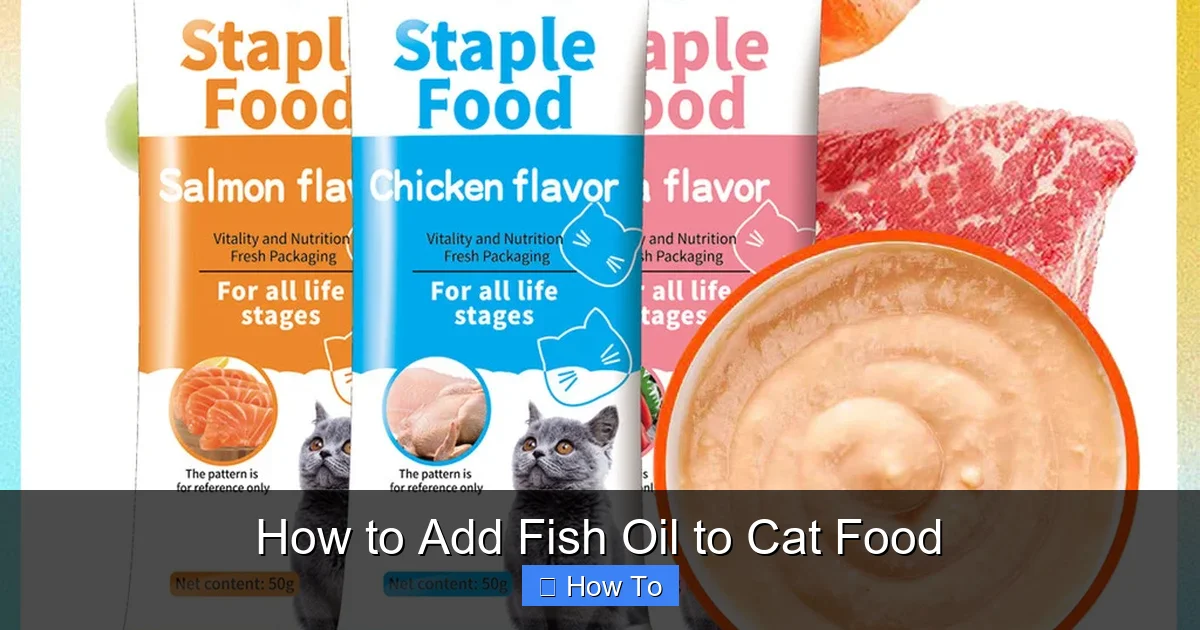
Adding fish oil to your cat’s food can boost their health, but it must be done correctly. This guide walks you through safe dosages, choosing the right product, and mixing techniques to ensure your feline enjoys the benefits without side effects.
Key Takeaways
- Choose high-quality, mercury-free fish oil: Look for products specifically formulated for pets or human-grade with third-party testing to ensure purity and safety.
- Start with a low dose: Begin with half the recommended amount to let your cat’s digestive system adjust and avoid stomach upset.
- Use the right type of fish oil: Omega-3 fatty acids EPA and DHA are essential—avoid plant-based oils like flaxseed, which cats can’t efficiently convert.
- Mix thoroughly into wet or dry food: For best results, blend the oil evenly into your cat’s meal to prevent oil separation and ensure consistent intake.
- Store fish oil properly: Keep it refrigerated after opening to prevent oxidation and rancidity, which can harm your cat.
- Monitor your cat’s response: Watch for improvements in coat shine, reduced shedding, and better mobility, but also note any signs of digestive issues.
- Consult your vet first: Especially if your cat has health conditions like kidney disease or is on medication, professional guidance is crucial.
How to Add Fish Oil to Cat Food: A Complete Guide
If you’ve noticed your cat’s coat looking dull, their skin flaky, or they seem stiff when jumping, fish oil might be the natural boost they need. Fish oil is rich in omega-3 fatty acids—specifically EPA (eicosapentaenoic acid) and DHA (docosahexaenoic acid)—which support healthy skin, a shiny coat, joint function, brain development, and immune health. But while the benefits are clear, adding fish oil to your cat’s diet isn’t as simple as pouring it on their kibble. Done incorrectly, it can lead to digestive upset, weight gain, or even toxicity.
In this comprehensive guide, you’ll learn exactly how to add fish oil to cat food safely and effectively. We’ll cover how to choose the right product, determine the correct dosage, mix it into meals, and monitor your cat’s response. Whether you’re using wet food, dry kibble, or a homemade diet, these step-by-step instructions will help you give your feline friend the nutritional support they deserve—without the guesswork.
Why Fish Oil Is Good for Cats
Before diving into the how-to, it’s important to understand why fish oil is beneficial for cats. Unlike dogs, cats are obligate carnivores, meaning their bodies are designed to thrive on animal-based proteins and fats. However, they can’t produce certain essential fatty acids on their own and must get them from their diet.
Omega-3 fatty acids, particularly EPA and DHA, play a vital role in feline health:
- Healthy Skin and Coat: Omega-3s reduce inflammation and support the skin barrier, helping to prevent dryness, itching, and excessive shedding. A regular dose can make your cat’s fur noticeably softer and shinier.
- Joint Support: As cats age, they may develop arthritis or stiffness. EPA has anti-inflammatory properties that can ease joint pain and improve mobility, especially in senior cats.
- Brain and Eye Development: DHA is crucial for brain function and vision, making fish oil especially beneficial for kittens and pregnant or nursing queens.
- Heart and Kidney Health: Some studies suggest omega-3s may support cardiovascular function and slow the progression of kidney disease in cats.
- Immune System Boost: Omega-3s help regulate the immune response, potentially reducing the risk of chronic inflammation and autoimmune issues.
It’s worth noting that not all fats are created equal. While omega-6 fatty acids (found in many commercial cat foods) are also essential, most diets contain too much omega-6 and not enough omega-3. This imbalance can promote inflammation. Adding fish oil helps restore a healthier ratio, supporting overall wellness.
Choosing the Right Fish Oil for Your Cat
Not all fish oils are safe or effective for cats. The market is flooded with options, but many are designed for humans and may contain additives, preservatives, or excessive vitamin A and D—both of which can be toxic to cats in high doses.
Here’s what to look for when selecting a fish oil product:
1. Species of Fish
Opt for oils derived from small, cold-water fish like sardines, anchovies, mackerel, or herring. These fish are lower on the food chain and less likely to accumulate mercury and other toxins compared to larger fish like tuna or swordfish.
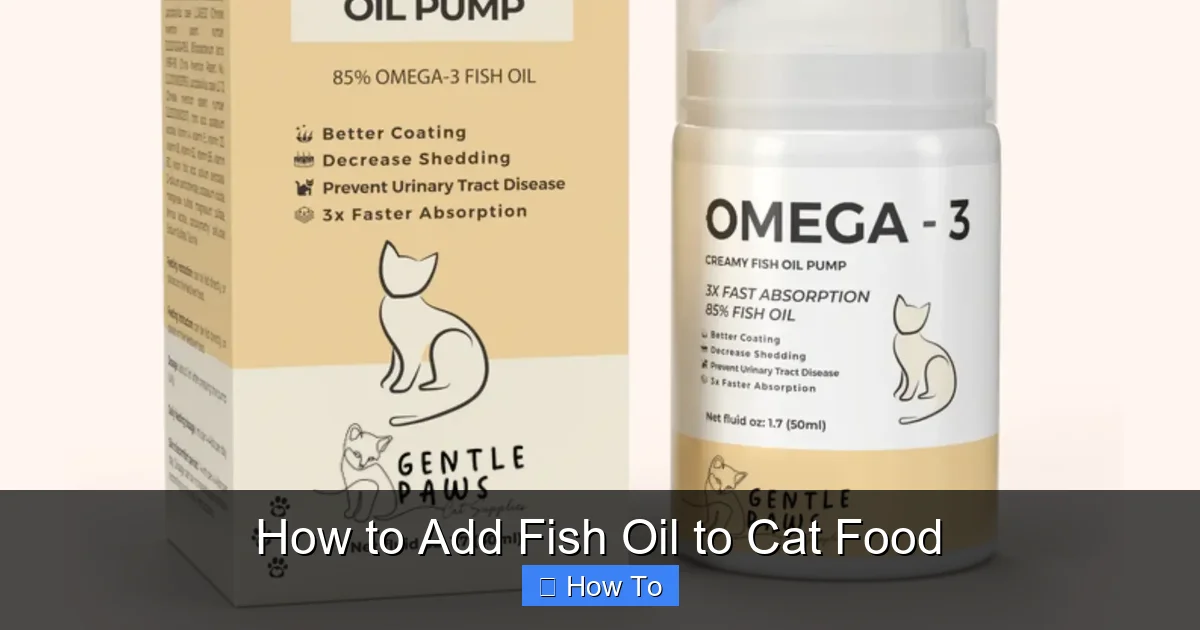
Visual guide about How to Add Fish Oil to Cat Food
Image source: gentlepawsupplies.com
2. Purity and Testing
Choose a product that has been third-party tested for purity and potency. Look for certifications from organizations like NSF International, USP (United States Pharmacopeia), or ConsumerLab. These labels indicate the oil is free from heavy metals, PCBs, and other contaminants.
3. Form of Fish Oil
Fish oil comes in two main forms: ethyl ester (EE) and triglyceride (TG). Triglyceride-form fish oil is more natural and better absorbed by the body. While both can be effective, TG forms are generally preferred for pets.
4. Additive-Free
Avoid fish oils with added flavors, sweeteners, or preservatives like BHA or BHT. Cats are sensitive to artificial ingredients, and these additives can cause digestive upset or allergic reactions.
5. Pet-Specific vs. Human-Grade
While human-grade fish oil can be used for cats, it’s best to choose a product labeled for pets. These are often formulated with appropriate dosing in mind and may come with a dropper or pump for easy measuring. Popular pet-safe brands include Nordic Naturals, Grizzly Salmon Oil, and Zesty Paws Omega Bites.
6. Liquid vs. Capsules
Liquid fish oil is easier to mix into food, especially for picky eaters. Capsules can be punctured and squeezed out, but they’re harder to dose accurately and may not mix well. If using capsules, choose softgels that are easy to pierce.
7. Refrigeration Requirements
Check the label: most fish oils should be refrigerated after opening to prevent oxidation. Rancid oil not only smells bad but can also be harmful to your cat.
Determining the Correct Dosage
Giving your cat too much fish oil can lead to problems like diarrhea, vomiting, weight gain, or even pancreatitis. Too little, and you won’t see any benefits. So how much is just right?
The general guideline is to provide 20–50 mg of combined EPA and DHA per pound of body weight per day. For example, a 10-pound cat would need 200–500 mg of EPA/DHA daily.
However, this is a broad range, and individual needs vary based on age, health, and diet. Here’s how to calculate a safe starting dose:
Step 1: Know Your Cat’s Weight
Weigh your cat using a pet scale or visit your vet for an accurate measurement. If your cat is overweight, use their ideal weight, not their current weight.
Step 2: Check the Label
Look at the fish oil product’s label to find the amount of EPA and DHA per serving. For example, a teaspoon (5 ml) of a certain oil might contain 400 mg of EPA and 250 mg of DHA—totaling 650 mg of omega-3s.
Step 3: Calculate the Dose
Using the 20–50 mg per pound guideline, calculate the appropriate amount. For a 10-pound cat:
- Low end: 10 lbs × 20 mg = 200 mg EPA/DHA per day
- High end: 10 lbs × 50 mg = 500 mg EPA/DHA per day
So, if your oil provides 650 mg per teaspoon, you’d give about 1/3 to ½ teaspoon daily.
Step 4: Start Low and Go Slow
Begin with the lower end of the dosage range—around 20 mg per pound—and monitor your cat for a week. If there are no digestive issues (like loose stools or vomiting), you can gradually increase to the target dose.
Step 5: Adjust Based on Response
Some cats may need more for joint or skin issues, while others do well on a maintenance dose. Always consult your vet before making significant changes, especially if your cat has chronic health conditions.
How to Add Fish Oil to Wet Cat Food
Wet food is the easiest and most effective way to incorporate fish oil. The moisture and strong aroma help mask the taste, and the oil blends in smoothly.
Step 1: Prepare the Meal
Open your cat’s wet food and place it in their bowl. Use a fresh portion—don’t mix oil into food that’s been sitting out.
Step 2: Measure the Oil
Use a clean dropper, syringe, or measuring spoon to dispense the correct amount of fish oil. Avoid eyeballing it—precision matters.
Step 3: Mix Thoroughly
Pour the oil directly onto the food and use a fork or spoon to mix it in completely. Scrape the sides and bottom of the can to ensure even distribution. This prevents your cat from eating oil-heavy bites and missing out on other nutrients.
Step 4: Serve Immediately
Offer the meal right away. Fish oil can oxidize when exposed to air, so don’t let it sit. If your cat doesn’t finish the meal, discard leftovers after 30 minutes.
Pro Tip: Warm It Slightly
If your cat is hesitant, gently warm the wet food (not the oil) to body temperature. This enhances the aroma and makes the meal more appealing. Never microwave fish oil—it can degrade the omega-3s.
How to Add Fish Oil to Dry Cat Food
Dry kibble presents a bigger challenge because the oil can pool at the bottom of the bowl or go rancid if stored too long. But with the right technique, it’s still doable.
Step 1: Measure the Daily Portion
Weigh out your cat’s daily kibble allowance. Don’t add oil to an entire bag—only treat the portion you’ll serve that day.
Step 2: Add Oil and Toss
Pour the measured fish oil over the kibble in a bowl. Use your hands or a spoon to toss the kibble until each piece is lightly coated. This helps prevent oil separation.
Step 3: Let It Soak (Optional)
For better absorption, let the kibble sit for 5–10 minutes so the oil penetrates the pellets. This also softens the food slightly, which some cats prefer.
Step 4: Serve Fresh
Offer the oil-coated kibble immediately. Do not store pre-mixed dry food with fish oil—it can spoil quickly and become rancid.
Alternative: Use a Topper
If your cat refuses oily kibble, mix the fish oil into a small amount of wet food or broth and use it as a topper. This adds flavor and ensures they get the full dose.
Tips for Picky Eaters
Some cats turn up their noses at fishy smells or oily textures. If your cat is finicky, try these strategies:
- Gradual Introduction: Start by mixing a tiny drop of fish oil into their favorite food. Increase the amount over several days.
- Flavor Masking: Add a small amount of tuna juice, chicken broth (low-sodium, onion-free), or freeze-dried meat powder to make the meal more enticing.
- Rotate Foods: Alternate between wet and dry food to keep meals interesting and increase the chances of acceptance.
- Hand-Feed at First: Offer the first few oil-enhanced meals by hand to build positive associations.
- Try Different Oils: Some cats prefer salmon oil over cod liver oil, or vice versa. Experiment to find the one they like best.
Storing Fish Oil Properly
Fish oil is highly perishable. Exposure to heat, light, and air causes oxidation, turning the oil rancid and potentially harmful.
Refrigerate After Opening
Always store fish oil in the refrigerator once opened. Most bottles will last 2–3 months when properly stored.
Use Dark Glass Bottles
Avoid plastic containers, which can leach chemicals. Dark glass (like amber or cobalt) protects the oil from light damage.
Seal Tightly
Close the bottle immediately after use to minimize air exposure. Consider using a pump or dropper that reduces contact with air.
Check for Rancidity
Smell the oil before each use. If it has a strong, unpleasant odor or tastes bitter, discard it. Rancid oil can cause digestive upset and negate the health benefits.
Monitoring Your Cat’s Response
After starting fish oil, keep an eye on your cat’s behavior, coat, and digestion. Positive changes usually appear within 4–6 weeks.
Signs of Improvement
- Shinier, softer fur
- Reduced shedding and dander
- Less scratching or skin irritation
- Improved mobility in older cats
- Brighter eyes and better focus
Signs of Trouble
- Diarrhea or vomiting
- Greasy fur or skin
- Fishy breath (mild is normal, but strong odors may indicate excess)
- Lethargy or loss of appetite
If you notice any adverse effects, stop the supplement and consult your vet. It could be a sign of overdose, intolerance, or an underlying health issue.
Troubleshooting Common Issues
Problem: Oil Separates in the Bowl
Solution: Mix the oil thoroughly into wet food or use a topper. For dry food, toss kibble immediately before serving.
Problem: Cat Refuses to Eat It
Solution: Start with a smaller dose, mix with strong-smelling food, or try a different brand of fish oil.
Problem: Fishy Breath or Body Odor
Solution: This is usually harmless and fades over time. Ensure you’re not over-supplementing. Brush your cat’s teeth regularly to reduce odor.
Problem: Diarrhea or Loose Stools
Solution: Reduce the dose by half and reintroduce slowly. If symptoms persist, discontinue use and see your vet.
Problem: Oil Goes Rancid Quickly
Solution: Buy smaller bottles, store in the fridge, and use within the recommended timeframe. Avoid bulk purchases unless you go through it fast.
When to Consult Your Veterinarian
While fish oil is generally safe, it’s not suitable for every cat. Always talk to your vet before starting any new supplement, especially if your cat:
- Has kidney disease (high phosphorus in some fish oils can be problematic)
- Is on blood-thinning medications (omega-3s can increase bleeding risk)
- Has pancreatitis or a history of digestive issues
- Is pregnant or nursing
- Has a known allergy to fish or shellfish
Your vet can help determine the right dosage and monitor for interactions with other treatments.
Conclusion
Adding fish oil to your cat’s food is a simple yet powerful way to support their long-term health. From a lustrous coat to better joint function, the benefits are well worth the effort. By choosing a high-quality product, dosing correctly, and mixing it properly into meals, you can safely enhance your cat’s diet without stress or side effects.
Remember: start low, go slow, and always prioritize your cat’s comfort and well-being. With patience and consistency, you’ll likely see noticeable improvements in your feline friend’s vitality and happiness. And when in doubt, your veterinarian is your best resource for personalized advice.
So go ahead—give your cat the gift of omega-3s. Their skin, joints, and overall zest for life will thank you.