
Adding lysine to your cat’s food can help manage feline herpesvirus, support immunity, and improve respiratory health. This guide walks you through safe methods, proper dosing, and practical tips to ensure your cat gets the benefits without digestive upset.
Key Takeaways
- Lysine supports immune function: It helps manage feline herpesvirus (FHV-1) by blocking arginine, a virus-triggering amino acid.
- Choose the right form: Powder, paste, or treats—pick a format your cat will accept easily.
- Dosage matters: Most cats need 250–500 mg per day; always consult your vet before starting.
- Mix it properly: Blend lysine into wet food or broth to mask taste and ensure full consumption.
- Monitor for side effects: Rare but possible GI upset; discontinue if vomiting or diarrhea occurs.
- Consistency is key: Give lysine daily during flare-ups or as a preventive measure for best results.
- Not a cure-all: Lysine complements vet care—don’t replace prescribed treatments without professional advice.
How to Add Lysine to Cat Food
If your cat has been diagnosed with feline herpesvirus (FHV-1)—or you’re just looking to support their immune system—you’ve probably heard about lysine. This essential amino acid has become a go-to supplement for many cat parents, especially those dealing with recurring sneezing, watery eyes, or nasal discharge. But how do you actually add lysine to your cat’s food safely and effectively?
In this guide, we’ll walk you through everything you need to know: what lysine does for cats, how to choose the right product, proper dosing, mixing techniques, and troubleshooting common issues. Whether you’re using powder, gel, or treats, you’ll learn practical, vet-backed steps to make sure your furry friend gets the full benefit—without stress or mess.
Let’s dive in!
Why Cats Need Lysine

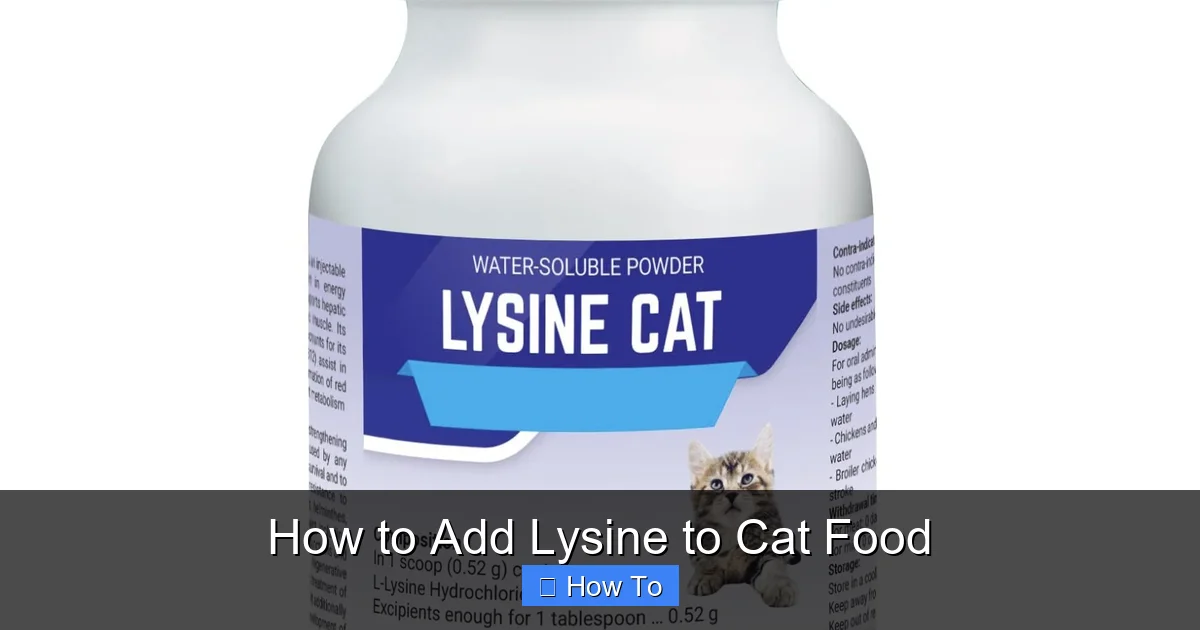
Visual guide about How to Add Lysine to Cat Food
Image source: pet.pharmanimal.gr
Lysine is an essential amino acid, meaning cats can’t produce it on their own and must get it from their diet. While all cats need lysine for basic metabolic functions—like protein synthesis and calcium absorption—it plays a special role in managing feline herpesvirus.
FHV-1 is incredibly common in cats. Studies suggest up to 90% of domestic cats have been exposed to it at some point. Most carry the virus latently, meaning it hides in the nerves and only flares up during stress, illness, or weakened immunity. When active, it causes upper respiratory symptoms: sneezing, conjunctivitis, nasal discharge, and sometimes ulcers in the eyes or mouth.
Here’s where lysine comes in: it competes with another amino acid called arginine. The herpes virus needs arginine to replicate. By increasing lysine levels in the body, you effectively “starve” the virus of its preferred fuel, slowing its reproduction and reducing symptom severity.
While research on lysine’s effectiveness has been mixed—some studies show modest benefits, others less so—many veterinarians and pet owners report noticeable improvement in chronic herpes cases when lysine is used consistently. It’s not a miracle cure, but it’s a safe, low-cost supportive therapy that can make a real difference in your cat’s quality of life.
Choosing the Right Lysine Product
Not all lysine supplements are created equal. Before you buy, consider these factors:
Form: Powder, Paste, or Treats?
– **Powder**: Most economical and easiest to dose precisely. Great for mixing into wet food. Look for pure L-lysine powder without added flavorings or fillers.
– **Paste/Gel**: Convenient for picky eaters or cats who resist powder. Often flavored (chicken, fish) to improve palatability. Check ingredients—some contain sugar or artificial additives.
– **Treats**: Easy to administer but harder to control dosage. Ideal for maintenance or mild support, not acute flare-ups.
Ingredient Quality
Always choose a product labeled “L-lysine” (not just “lysine”)—this is the biologically active form. Avoid supplements with unnecessary additives like corn syrup, artificial colors, or preservatives. If your cat has food sensitivities, opt for hypoallergenic or single-ingredient options.
Veterinary vs. Over-the-Counter
Many reputable pet supplement brands (like VetriScience, Nutramax, or Tomlyn) offer lysine products. While OTC options are convenient, consider asking your vet for a recommendation—they may carry a trusted brand or even prescribe a compounded formulation if needed.
Packaging and Storage
Lysine can degrade over time, especially if exposed to heat or moisture. Choose products in airtight containers with clear expiration dates. Store in a cool, dry place—never in the bathroom or near the stove.
How Much Lysine Should You Give Your Cat?
Dosage depends on your cat’s weight, health status, and whether they’re experiencing an active outbreak.
General Guidelines
– **Maintenance or prevention**: 250 mg once daily
– **Active herpes flare-up**: 500 mg once or twice daily
– **Kittens or small cats (<5 lbs)**: 125–250 mg daily
- **Large cats (>15 lbs)**: Up to 500 mg twice daily
Always start low and increase gradually if needed. Overdosing is rare—lysine is water-soluble, so excess is excreted in urine—but very high doses (over 1,000 mg/day long-term) may theoretically interfere with arginine absorption, which is also essential for cats.
Consult Your Veterinarian First
Before starting lysine—especially if your cat has kidney disease, is pregnant/nursing, or takes other medications—talk to your vet. They can confirm the diagnosis, rule out other conditions (like calicivirus or allergies), and recommend the best dosage for your cat’s specific needs.
Step-by-Step: How to Add Lysine to Cat Food
Now for the fun part—actually getting that lysine into your cat! Follow these steps for stress-free supplementation.
Step 1: Prepare the Supplement
If using powder:
– Use a clean, dry scoop (most products include one).
– Measure the correct dose based on your cat’s weight and vet’s advice.
– For accuracy, use a digital kitchen scale if measuring small amounts (e.g., 125 mg).
If using paste or gel:
– Squeeze the recommended amount onto a spoon or your finger.
– Some pastes come with built-in dosing syringes—use those for precision.
If using treats:
– Count out the number needed to reach the target dose (check label for mg per treat).
Step 2: Choose the Right Food Base
Lysine works best when mixed with food your cat loves. Options include:
– **Wet food**: Ideal for powder or paste. The moisture helps dissolve the supplement and masks any bitter taste.
– **Broth or tuna juice**: Low-sodium, cat-safe broths (like bone broth made for pets) or a spoonful of tuna water can make lysine more appealing.
– **Topper or gravy**: Mix powder into a favorite food topper (e.g., freeze-dried liver, salmon flakes).
– **Dry food (less ideal)**: Powder may not stick well. If you must use kibble, lightly moisten it with water or broth first.
Avoid mixing lysine with dairy-based foods if your cat is lactose intolerant—some powders contain trace lactose, which can cause upset.
Step 3: Mix Thoroughly
For powder:
– Sprinkle the measured dose over the food.
– Use a fork or spoon to mash and blend it in completely. Aim for an even distribution so your cat can’t pick around it.
For paste:
– Spread it evenly across the surface of the food or mix it into a small portion first, then combine with the rest.
For treats:
– Offer them directly, preferably at the same time each day to build a routine.
Step 4: Serve Immediately
Lysine starts breaking down when exposed to air and moisture. Don’t let the mixed food sit out for long—serve it right away. If your cat doesn’t eat it all within 20–30 minutes, discard leftovers to avoid spoilage.
Step 5: Monitor and Adjust
Watch your cat’s reaction:
– Do they eat it eagerly?
– Any signs of nausea, vomiting, or diarrhea?
– Improvement in symptoms (e.g., less sneezing, clearer eyes)?
If your cat refuses the mixture, try a different food base or supplement form. Some cats hate the chalky texture of powder—switch to paste. Others turn up their nose at fish-flavored gels—try unflavored powder in chicken broth.
Practical Tips for Success
Making lysine part of your cat’s routine doesn’t have to be a battle. Try these pro tips:
Make It a Ritual
Give lysine at the same time every day—ideally with breakfast or dinner. Consistency helps your cat associate it with mealtime, not medicine time.
Use Positive Reinforcement
Praise your cat, offer a favorite toy, or follow up with a high-value treat (separate from the lysine dose). This builds positive associations.
Try Pill Pockets (for Paste or Powder)
If your cat is especially finicky, hide the lysine in a soft treat like Greenies Pill Pockets. Just make sure they chew it—not spit it out!
Keep a Journal
Track dosage, food used, and any changes in symptoms. This helps you and your vet assess effectiveness and adjust as needed.
Rotate Flavors
If using flavored pastes, switch between chicken, salmon, and beef occasionally to prevent flavor fatigue.
Troubleshooting Common Issues
Even with the best planning, hiccups happen. Here’s how to handle them:
“My Cat Won’t Eat the Food with Lysine!”
– Try a stronger-smelling food (e.g., sardines, liver pâté).
– Warm the food slightly to enhance aroma (never microwave—use warm water bath).
– Offer a tiny amount of pure lysine-free food first to stimulate appetite, then mix in the supplement.
“My Cat Vomited After Taking Lysine”
This is rare but possible. It may be due to:
– Taking lysine on an empty stomach (always give with food).
– Sensitivity to additives in the supplement (switch brands).
– Too high a dose (reduce and reintroduce slowly).
Discontinue use and consult your vet if vomiting persists.
“I Missed a Dose—What Now?”
Don’t double up. Just give the next dose at the regular time. Missing one or two doses won’t undo progress, especially if used preventively.
“Is My Cat Getting Enough Arginine?”
This is a valid concern. While lysine competes with arginine, commercial cat foods are already rich in arginine (it’s essential for urea cycle function). As long as your cat eats a balanced diet, supplemental lysine at recommended doses shouldn’t cause deficiency. Still, discuss long-term use with your vet.
When to See the Vet
Lysine is supportive, not curative. Seek veterinary care if:
– Symptoms worsen or don’t improve after 5–7 days of consistent lysine use.
– Your cat stops eating or drinking.
– You notice lethargy, fever, difficulty breathing, or eye ulcers.
– Your cat has underlying conditions like kidney disease or diabetes.
Your vet may recommend additional treatments: antivirals (like famciclovir), eye drops, antibiotics (for secondary infections), or immune boosters.
Conclusion
Adding lysine to your cat’s food is a simple, affordable way to support their immune health—especially if they’re prone to herpesvirus flare-ups. By choosing the right product, dosing correctly, and mixing it thoughtfully into their meals, you can help reduce respiratory symptoms and improve your cat’s comfort and well-being.
Remember: lysine works best as part of a holistic approach. Combine it with stress reduction (quiet spaces, pheromone diffusers), regular vet check-ups, and a high-quality diet for optimal results. And always—always—consult your veterinarian before starting any new supplement.
With patience and consistency, you’ll turn lysine supplementation into a seamless part of your cat care routine. Your feline friend will thank you with clearer eyes, fewer sneezes, and more purrs.