
Adding taurine to your cat’s food is essential for preventing serious health issues like heart disease and vision loss. This guide walks you through safe, effective methods to supplement taurine—whether you’re using homemade, raw, or commercial diets—ensuring your feline gets the right amount every day.
Key Takeaways
- Why taurine matters: Taurine is an essential amino acid for cats, crucial for heart function, vision, digestion, and immune health. Unlike dogs, cats cannot synthesize enough taurine on their own and must get it from their diet.
- Signs of deficiency: Watch for dilated cardiomyopathy (heart disease), retinal degeneration (leading to blindness), poor coat quality, lethargy, and digestive issues. Early detection can prevent irreversible damage.
- Supplement types: Choose between powdered, liquid, or capsule forms of taurine. Powder is easiest to mix into food, while capsules can be opened and sprinkled. Always select a high-quality, pure taurine supplement without additives.
- Dosage guidelines: Most adult cats need 250–500 mg of supplemental taurine per day, depending on diet and health. Kittens, pregnant, or nursing cats may need more. Consult your vet for personalized advice.
- Best food types to add taurine: Works well with raw, cooked, canned, or dry homemade meals. Avoid adding to heavily processed kibble unless advised, as heat can degrade taurine.
- Mixing tips: Always mix taurine thoroughly into moist food. For dry food, rehydrate with water or broth first. Never heat taurine above 120°F (49°C) to preserve potency.
- Safety first: Over-supplementation is rare but possible. Stick to recommended doses and monitor your cat’s response. Regular vet check-ups help ensure optimal health.
How to Add Taurine to Cat Food: A Complete Step-by-Step Guide
Cats are unique creatures—not just in their aloof charm or midnight zoomies, but in their biology. One of the most important differences between cats and other pets is their need for taurine, an amino acid that plays a vital role in nearly every system in their body. Unlike dogs and humans, cats cannot produce enough taurine on their own. That means they must get it from their diet—every single day. Without enough taurine, cats can develop serious, even life-threatening health problems.
If you’re feeding your cat a homemade diet, a raw food plan, or even certain commercial foods, you may need to add taurine as a supplement. This guide will walk you through everything you need to know about how to add taurine to cat food safely and effectively. Whether you’re a seasoned pet parent or new to feline nutrition, you’ll learn how to choose the right supplement, determine the correct dosage, and mix it into your cat’s meals without a fuss.
By the end of this guide, you’ll feel confident that your cat is getting the taurine they need to stay healthy, active, and happy for years to come.
Why Taurine Is Essential for Cats

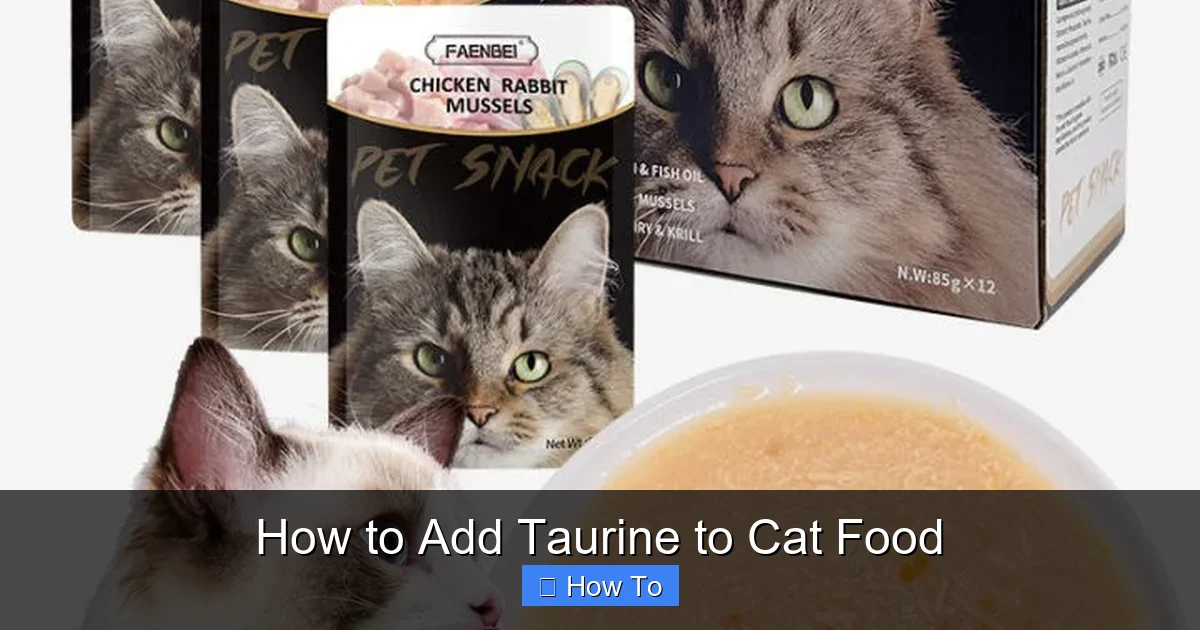
Visual guide about How to Add Taurine to Cat Food
Image source: proud.com.my
Before we dive into the how-to, let’s talk about the why. Taurine isn’t just another nutrient—it’s a non-negotiable part of a cat’s diet. This sulfur-containing amino acid is found naturally in animal-based proteins like meat, fish, and eggs. It’s especially abundant in heart, liver, and dark meat poultry.
So what does taurine actually do? A lot, as it turns out:
– Supports heart health: Taurine helps regulate heart muscle function and rhythm. A deficiency can lead to dilated cardiomyopathy (DCM), a condition where the heart becomes enlarged and weak, making it hard to pump blood effectively.
– Protects vision: Taurine is concentrated in the retina of the eye. Without enough, cats can suffer from retinal degeneration, which may progress to irreversible blindness.
– Aids digestion: Taurine combines with bile acids to help digest fats. Low levels can cause poor nutrient absorption and digestive upset.
– Boosts immune function: It plays a role in maintaining a healthy immune system and reducing inflammation.
– Supports reproduction and growth: Pregnant and nursing cats need extra taurine to support kitten development. Kittens also require it for proper growth and brain development.
Because cats can’t make enough taurine internally, even a short-term deficiency can start causing damage. That’s why supplementation is so important—especially if your cat isn’t eating a balanced commercial diet or is on a homemade or raw food plan.
Signs Your Cat Might Be Taurine Deficient
Even with the best intentions, taurine deficiency can sneak up on you. It often develops slowly, so symptoms may not be obvious at first. But knowing the warning signs can help you act before serious damage occurs.
Look out for:
– Vision problems: Your cat may start bumping into furniture, hesitating in dim light, or showing a dilated pupil that doesn’t respond to light. These can be signs of retinal damage.
– Heart issues: Lethargy, rapid breathing, coughing, or difficulty exercising could indicate heart disease. A vet can diagnose DCM with an echocardiogram.
– Poor coat and skin: A dull, dry, or patchy coat may signal nutritional imbalances, including low taurine.
– Digestive troubles: Diarrhea, vomiting, or poor appetite can sometimes be linked to taurine deficiency, especially if fat digestion is impaired.
– Behavioral changes: Lethargy, irritability, or reduced activity levels may be subtle clues.
If you notice any of these signs, contact your veterinarian right away. Blood tests can measure taurine levels, and early intervention—often just adding a supplement—can reverse damage if caught in time.
Choosing the Right Taurine Supplement
Not all taurine supplements are created equal. When shopping for taurine to add to your cat’s food, keep these tips in mind:
1. Choose Pure Taurine
Look for a supplement that lists “taurine” as the only active ingredient. Avoid products with fillers, artificial colors, flavors, or preservatives. Cats are sensitive to additives, and some ingredients (like xylitol) can be toxic.
2. Pick the Right Form
Taurine comes in several forms, each with pros and cons:
– Powder: The most popular and convenient option. It’s easy to measure and mix into wet or rehydrated food. Look for a fine, white powder that dissolves well.
– Liquid: Some liquid taurine supplements are available, but they’re less common and can be harder to dose accurately. Make sure the dropper is calibrated.
– Capsules: These can be opened and the powder inside sprinkled onto food. Great if you already use capsules for other supplements.
For most cat owners, powder is the best choice due to its ease of use and affordability.
3. Check the Source and Purity
Opt for supplements made by reputable brands that follow Good Manufacturing Practices (GMP). Third-party testing (like NSF or USP certification) is a plus, as it ensures the product contains what it claims and is free from contaminants.
4. Avoid Human-Grade Multivitamins
While some human multivitamins contain taurine, they often include other ingredients that aren’t safe for cats—like iron, which can be toxic in high doses. Stick to supplements formulated for pets or pure taurine powder.
5. Consider Your Cat’s Diet
If you’re feeding a commercial diet labeled “complete and balanced,” it likely already contains added taurine. In that case, additional supplementation may not be necessary—unless your vet recommends it. However, if you’re preparing homemade meals, raw diets, or feeding a low-quality kibble, supplementation is usually needed.
How Much Taurine Should You Add?
Dosage is key. Too little, and your cat remains at risk. Too much, and you could waste money or, in rare cases, cause mild side effects.
Here are general guidelines:
– Adult cats: 250–500 mg per day
– Kittens: 250 mg per day
– Pregnant or nursing cats: 500 mg per day or more, as recommended by a vet
These amounts are for supplemental taurine, not total intake. If your cat is already getting some taurine from food (like raw meat or high-quality canned food), you may need less.
How to Measure Taurine Powder
Most taurine powders come with a measuring scoop. A typical 1/8 teaspoon scoop holds about 250 mg of taurine. If your supplement doesn’t include a scoop, use a digital kitchen scale for accuracy. Weigh out 250 mg (0.25 grams) for a standard dose.
Tip: Store your taurine in a cool, dry place away from light. It’s stable at room temperature but can degrade over time if exposed to moisture or heat.
Adjusting Dosage Based on Diet
– Homemade cooked diets: Add 500 mg per pound of food. For example, if you’re making 2 pounds of food per week, add 1,000 mg total (about 250 mg per day).
– Raw diets: Taurine is naturally present in raw meat, but levels can vary. Most raw feeders add 250–500 mg per day as a safety net.
– Canned or wet food: If using a commercial brand, check the label. If it lists taurine in the ingredients, you may not need to add more. If unsure, consult your vet.
– Dry kibble: Many kibbles are fortified with taurine, but processing can degrade it. If your cat eats only dry food and shows deficiency signs, talk to your vet about supplementation.
Always start with the lower end of the dosage range and monitor your cat’s response. You can increase if needed, but avoid over-supplementing without professional guidance.
Step-by-Step: How to Add Taurine to Cat Food
Now for the fun part—actually adding taurine to your cat’s meals. Follow these steps for safe and effective supplementation.
Step 1: Prepare the Supplement
Measure out the correct dose of taurine using a scoop or scale. If using capsules, open them carefully and pour the powder into a small dish. For liquid taurine, use the dropper to measure the recommended amount.
Pro tip: Pre-measure weekly doses and store them in small, labeled containers. This saves time and reduces the chance of dosing errors.
Step 2: Choose the Right Food
Taurine mixes best with moist food. Here’s how to handle different types:
– Wet/canned food: Open the can and scoop the food into a bowl. Sprinkle the taurine powder directly on top and mix thoroughly with a fork or spoon.
– Homemade cooked meals: Once the food has cooled to room temperature, add the taurine and stir well. Avoid adding it while the food is hot, as heat can degrade the amino acid.
– Raw food: Mix the taurine into the raw meat mixture before serving. Use gloves and practice good hygiene to prevent bacterial contamination.
– Dry kibble: Taurine doesn’t stick well to dry food. To improve absorption, rehydrate the kibble with warm water or low-sodium broth before adding the supplement. Let it soak for 5–10 minutes, then mix in the taurine.
Step 3: Mix Thoroughly
No one likes a surprise powdery bite—especially cats. Make sure the taurine is evenly distributed throughout the food. Use a fork or small whisk to break up clumps and blend it in.
If your cat is picky, try mixing the taurine with a small amount of tuna juice, bone broth, or a dab of plain yogurt (if your cat tolerates dairy). The flavor can help mask any slight bitterness.
Step 4: Serve Immediately
Once mixed, serve the food right away. Taurine is stable at room temperature for a few hours, but it’s best to feed fresh meals to preserve nutrients and prevent spoilage.
If you’re prepping meals in advance, store them in the refrigerator for up to 3 days or freeze for longer storage. Add the taurine just before serving to maintain potency.
Step 5: Monitor Your Cat’s Response
Keep an eye on your cat over the next few weeks. Look for improvements in energy, coat quality, and appetite. If you were supplementing due to a deficiency, your vet may want to recheck taurine levels after 4–6 weeks.
Practical Tips for Success
Adding taurine doesn’t have to be a chore. These tips will make the process smoother and more effective:
– Be consistent: Give taurine at the same time each day, ideally with a meal. This helps maintain steady levels in the body.
– Use a pill organizer: If you’re measuring daily doses, use a weekly pill box to stay organized.
– Involve your vet: Before starting any supplement, especially if your cat has health issues, consult your veterinarian. They can help determine the right dose and monitor progress.
– Store supplements properly: Keep taurine in a sealed container in a cool, dry place. Avoid the bathroom or kitchen where humidity is high.
– Don’t double up: If you miss a dose, don’t give two the next day. Just resume the regular schedule.
Troubleshooting Common Issues
Even with the best planning, you might run into a few hiccups. Here’s how to handle them:
My cat won’t eat food with taurine
Some cats are sensitive to the taste or texture of supplements. Try these fixes:
– Mix taurine with a strong-smelling food like sardines, chicken baby food (no onion or garlic), or broth.
– Start with a smaller dose and gradually increase.
– Use a different form—switch from powder to capsule or liquid if available.
The powder clumps in the food
Taurine can clump if the food is too dry or if it’s not mixed well. To prevent this:
– Add a small amount of water or broth to moisten the food before mixing.
– Use a fork or small whisk to break up clumps.
– Sift the powder through a fine mesh strainer before adding.
I’m not sure if the dose is right
If you’re unsure about the dosage, consult your vet. They can review your cat’s diet, weight, and health status to recommend the best amount. Blood tests can also confirm whether taurine levels are improving.
Can I overdose my cat on taurine?
Taurine is water-soluble, meaning excess amounts are usually excreted in urine. Over-supplementation is rare, but extremely high doses (10 times the recommended amount) could cause mild digestive upset like diarrhea. Stick to vet-recommended doses to be safe.
When to Consult Your Veterinarian
While adding taurine is generally safe, there are times when professional guidance is essential:
– Your cat shows signs of deficiency (vision loss, heart issues, etc.)
– You’re feeding a homemade or raw diet long-term
– Your cat has a chronic health condition (kidney disease, liver issues, etc.)
– You’re unsure about the correct dosage
– Your cat isn’t responding to supplementation after 4–6 weeks
Your vet can run blood tests, assess heart function, and help you create a balanced nutrition plan tailored to your cat’s needs.
Conclusion
Adding taurine to your cat’s food is one of the simplest and most impactful things you can do to support their long-term health. This essential amino acid protects their heart, eyes, and overall well-being—especially when they’re not getting enough from their diet.
By choosing a high-quality supplement, measuring the right dose, and mixing it properly into moist food, you can ensure your cat gets the taurine they need every day. Whether you’re feeding homemade meals, raw diets, or even commercial kibble, a little taurine goes a long way.
Remember, consistency is key. Make taurine supplementation part of your routine, monitor your cat’s health, and don’t hesitate to reach out to your veterinarian with any concerns. With the right care, your feline friend can enjoy a vibrant, healthy life—thanks in part to this tiny but mighty nutrient.