
Struggling to feed feral cats on a tight budget? This guide shows you how to afford food through community programs, grants, bulk buying, and creative solutions. Help cats without breaking the bank.
Key Takeaways
- Seek local and national grants: Many animal welfare organizations offer funding specifically for feral cat care, including food and medical support.
- Partner with community resources: Food banks, shelters, and rescue groups often provide free or low-cost cat food to caregivers.
- Buy in bulk and compare prices: Purchasing larger bags or shopping at discount stores can significantly reduce long-term feeding costs.
- Make homemade cat food safely: With proper recipes and vet guidance, you can prepare nutritious meals at a fraction of the cost.
- Start a small fundraising campaign: Use social media and crowdfunding platforms to gather support from animal lovers in your community.
- Organize volunteer feeding teams: Sharing responsibilities with others reduces individual financial and time burdens.
- Use TNR programs for long-term savings: Trap-Neuter-Return reduces colony growth, lowering future feeding needs.
How to Afford Food for Feral Cats: A Complete Guide
Feeding feral cats is one of the most compassionate acts you can do for animals in need. These cats live outdoors, often in harsh conditions, and rely on the kindness of caregivers for survival. But feeding them regularly can get expensive—especially if you’re caring for multiple cats or living on a tight budget.
The good news? You don’t have to choose between your wallet and their well-being. With a little planning, creativity, and community support, you can afford food for feral cats without sacrificing your financial health.
This guide will walk you through practical, proven strategies to keep feral cats fed—no matter your budget. Whether you’re feeding one cat or managing a whole colony, you’ll find actionable steps, real-life examples, and smart tips to stretch every dollar. From finding free food to making your own meals, we’ve got you covered.
Let’s dive in and learn how to afford food for feral cats—sustainably and compassionately.
Understand the Real Cost of Feeding Feral Cats
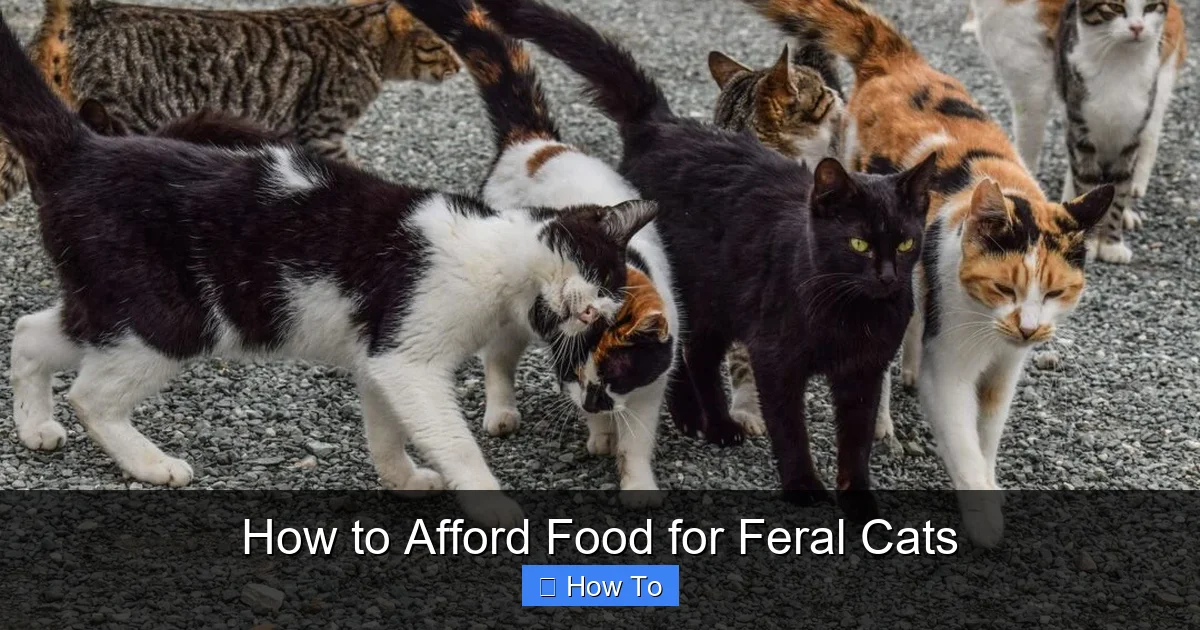
Visual guide about How to Afford Food for Feral Cats
Image source: servicewithaloha.com
Before you can afford food for feral cats, it’s important to understand how much it actually costs. This helps you plan your budget and identify where you can save.
On average, one feral cat needs about 1/2 to 3/4 cup of dry food per day, or one small can of wet food. Dry food is usually cheaper and lasts longer, making it ideal for outdoor feeding.
Let’s break it down:
- Dry food: A 15-pound bag of quality dry cat food costs around $15–$25 and can feed one cat for 2–3 weeks.
- Wet food: A case of 24 small cans (3 oz each) costs about $20–$30 and lasts one cat 2–3 weeks.
- Monthly cost per cat: $10–$20 for dry food, or $15–$25 for wet food.
If you’re feeding five cats, that’s $50–$100 per month just for food. Add in occasional vet visits, traps, or shelter supplies, and costs can climb quickly.
But don’t panic. The goal isn’t to spend less—it’s to spend smarter. With the right strategies, you can reduce costs by 30% to 70%.
Apply for Grants and Financial Assistance
One of the best ways to afford food for feral cats is to tap into existing funding programs. Many animal welfare organizations offer grants specifically for feral cat caregivers.
These grants can cover food, spay/neuter services, medical care, and even equipment like feeding stations.
National and Regional Grant Programs
Start by researching national organizations that support feral cat care:
- Alley Cat Allies: Offers grants and resources for TNR (Trap-Neuter-Return) programs. They also provide food assistance in some areas.
- Best Friends Animal Society: Funds community cat programs and may help with food and supplies.
- Petco Love: Provides grants to rescue groups and caregivers, including those helping feral cats.
- Local humane societies and SPCAs: Many have small grant programs or emergency funds for community cats.
To apply, visit their websites and look for “grants,” “community support,” or “feral cat programs.” You’ll usually need to fill out a short application, describe your colony, and explain your needs.
Microgrants and Emergency Funds
Some organizations offer microgrants—small amounts of money ($50–$500) for immediate needs like food or vet care.
Examples include:
- The Feral Cat Project: Offers small grants and food donations to caregivers.
- Kitty Kindness: Provides emergency food and medical funds for feral cats.
These are often easier to qualify for than large grants and can be processed quickly.
Tips for a Strong Grant Application
To increase your chances of approval:
- Be specific: Mention the number of cats, location, and feeding schedule.
- Show commitment: Explain how long you’ve been caring for the colony.
- Include photos: Visuals help tell your story.
- Ask for what you need: Don’t be shy—request food, funds, or supplies.
Even if you don’t get a grant right away, keep applying. Many programs accept applications year-round.
Partner with Local Animal Shelters and Rescues
Local shelters and rescue groups are often your best allies in affording food for feral cats. They may have surplus food, discounts, or programs to support caregivers.
Ask About Food Donation Programs
Many shelters run “community cat” or “feral cat” programs that provide free or low-cost food to caregivers. Some even deliver.
Call your local shelter and ask:
- Do you offer food for feral cat caregivers?
- Do you have a community cat program?
- Can I pick up donated food or supplies?
Some shelters partner with food banks or pet supply companies to distribute food regularly.
Join a Rescue Network
Rescue groups often have access to bulk food purchases, discounts, and donation drives. By joining their network, you can get food at a lower cost.
Look for local rescues that focus on feral or community cats. Attend meetings, volunteer, or sign up for their newsletter to stay informed.
Host a Food Drive
If your shelter doesn’t have a program, suggest starting one. You can organize a food drive at your workplace, church, or neighborhood.
Create flyers, post on social media, and set up a drop-off point. Many people are happy to donate unused cat food to a good cause.
Buy Smart: Save on Cat Food
Even without grants or donations, you can afford food for feral cats by shopping wisely. A few smart choices can cut your costs in half.
Buy in Bulk
Purchasing larger bags of food reduces the cost per pound. A 30-pound bag of dry food is usually cheaper per pound than a 10-pound bag.
Look for sales at pet stores, farm supply stores, or warehouse clubs like Costco or Sam’s Club.
Tip: Store dry food in airtight containers to keep it fresh and prevent pests.
Compare Prices and Brands
Not all cat food is created equal—but you don’t need the most expensive brand to feed healthy cats.
Look for food that lists meat as the first ingredient and avoids fillers like corn or soy. Mid-range brands like Purina One, Iams, or Kirkland Signature (Costco) offer good nutrition at a fair price.
Use price comparison apps or websites to find the best deals in your area.
Shop at Discount Stores
Dollar stores, discount supermarkets, and farm supply stores often sell cat food at lower prices.
For example:
- Dollar Tree: Sells 3-ounce cans of wet food for $1.
- Aldi: Offers affordable dry and wet cat food under their own brand.
- Tractor Supply Co.: Sells large bags of dry food at competitive prices.
Just check the ingredients to ensure it’s nutritious.
Use Coupons and Loyalty Programs
Sign up for loyalty cards at pet stores like Petco, PetSmart, or Chewy. They often send coupons, offer discounts, and give points for free food.
Apps like Ibotta or Fetch Rewards also offer cash back on pet food purchases.
Make Homemade Cat Food (Safely)
Making your own cat food can be a cost-effective option—if done correctly. Cats have specific nutritional needs, so it’s important to follow vet-approved recipes.
Why Homemade Can Save Money
High-quality commercial cat food can be expensive. Homemade food, made with affordable ingredients like chicken, rice, and supplements, can cost as little as $1–$2 per day per cat.
But safety is key. Never feed cats raw meat without proper handling, and always include essential nutrients like taurine.
Simple Homemade Recipe (Vet-Approved)
Here’s a basic recipe from the Cummings School of Veterinary Medicine at Tufts University:
- 1 pound cooked chicken (boiled or baked, no seasoning)
- 1/2 cup cooked brown rice
- 1/4 cup cooked carrots (mashed)
- 1 teaspoon vegetable oil
- 1/2 teaspoon powdered calcium (or crushed eggshells)
- 1/4 teaspoon taurine powder (essential for cats)
Mix all ingredients and serve at room temperature. Store leftovers in the fridge for up to 3 days.
Note: This recipe is for supplemental feeding. For long-term use, consult a vet or use a complete commercial supplement.
Tips for Safe Homemade Feeding
- Always cook meat thoroughly to avoid bacteria.
- Never use onions, garlic, chocolate, or grapes—these are toxic to cats.
- Add taurine: Cats can’t make it themselves, so it’s essential.
- Rotate proteins: Use chicken, turkey, or fish to provide variety.
Homemade food works best when combined with dry kibble to ensure balanced nutrition.
Start a Fundraising Campaign
If you’re struggling to afford food for feral cats, don’t be afraid to ask for help. Many people are willing to support animal welfare causes—especially when they see the impact.
Use Crowdfunding Platforms
Websites like GoFundMe, Fundly, or YouCaring let you create a campaign to raise money for feral cat food.
To make it successful:
- Write a compelling story: Share photos, names, and details about the cats.
- Set a clear goal: “$300 to feed 10 cats for one month.”
- Offer updates: Post photos and thank donors to build trust.
- Share widely: Post on Facebook, Instagram, and local community groups.
Even small donations add up. A $5 donation from 50 people covers a week of food.
Host a Local Fundraiser
Organize a bake sale, car wash, or yard sale and donate the proceeds to your feral cat fund.
Partner with a local business to host the event—they may donate space or supplies.
Ask for Donations at Work or School
Talk to your employer or school about setting up a donation jar or payroll deduction for animal causes.
Many workplaces match employee donations, doubling your impact.
Organize a Feeding Team
Caring for feral cats alone can be overwhelming—and expensive. By forming a feeding team, you can share the cost and workload.
Recruit Volunteers
Reach out to neighbors, friends, or local animal lovers. Explain the situation and ask if they’d be willing to help.
You can assign different days or cats to each person. For example:
- Person A feeds on Mondays and Thursdays.
- Person B feeds on Tuesdays and Fridays.
- You handle weekends and emergencies.
This reduces your feeding days and spreads the cost.
Create a Shared Fund
Set up a shared bank account or digital wallet (like PayPal or Venmo) where team members contribute monthly.
Use the funds to buy food in bulk and store it in a central location.
Use a Group Chat or App
Stay organized with a group chat (WhatsApp, Telegram) or app like Google Sheets to track feeding schedules, food levels, and expenses.
This keeps everyone informed and accountable.
Use TNR to Reduce Long-Term Costs
One of the most effective ways to afford food for feral cats is to prevent more cats from being born. That’s where Trap-Neuter-Return (TNR) comes in.
What Is TNR?
TNR is a humane method of managing feral cat populations. It involves:
- Trapping the cats safely.
- Taking them to a vet to be spayed/neutered, vaccinated, and ear-tipped (a small notch to show they’ve been treated).
- Returning them to their original location.
Once neutered, cats are less likely to fight, roam, or reproduce. This stabilizes the colony and reduces future feeding needs.
How TNR Saves Money
Without TNR, a single female cat can produce dozens of kittens over her lifetime. Each new cat adds to your feeding costs.
By stopping reproduction, you avoid the expense of feeding more cats in the future.
Many TNR programs also offer free or low-cost services, including food, traps, and medical care.
Find a Local TNR Program
Search online for “TNR program near me” or contact local shelters. Many offer free clinics, loaner traps, and volunteer support.
Alley Cat Allies has a directory of TNR resources by state.
Troubleshooting Common Challenges
Even with the best plans, you may run into obstacles. Here’s how to handle common issues.
“I Can’t Afford Vet Care Along with Food”
Look for low-cost clinics, mobile vans, or nonprofit vets. Many offer sliding scale fees based on income.
Some TNR programs include vaccinations and basic care at no cost.
“The Cats Won’t Eat the Food I Buy”
Feral cats can be picky. Try different brands or switch between wet and dry food.
Warm wet food slightly to enhance the smell—this often attracts reluctant eaters.
“I’m Worried About Raccoons or Strays Stealing the Food”
Use timed feeders or feed at dusk when cats are most active. Remove food after 30 minutes to avoid attracting pests.
Build simple shelters or feeding stations to protect the food.
“I’m Doing This Alone and Feeling Burned Out”
You’re not alone. Reach out to online communities like Reddit’s r/feralcats or Facebook groups for support.
Ask for help—even one extra person can make a big difference.
Conclusion
Affording food for feral cats doesn’t have to be a financial burden. With the right mix of grants, community support, smart shopping, and teamwork, you can provide consistent, nutritious meals—even on a tight budget.
Start by exploring local resources and applying for assistance. Buy in bulk, compare prices, and consider homemade options. Most importantly, don’t hesitate to ask for help. Whether it’s a donation, a volunteer, or a shared feeding schedule, every bit counts.
Remember: every meal you provide gives a feral cat a better chance at survival. Your compassion makes a real difference—one bowl at a time.
By following the steps in this guide, you’ll not only afford food for feral cats but also build a sustainable, supportive care system that benefits both the cats and your community.
Keep feeding. Keep caring. Keep making a difference.