
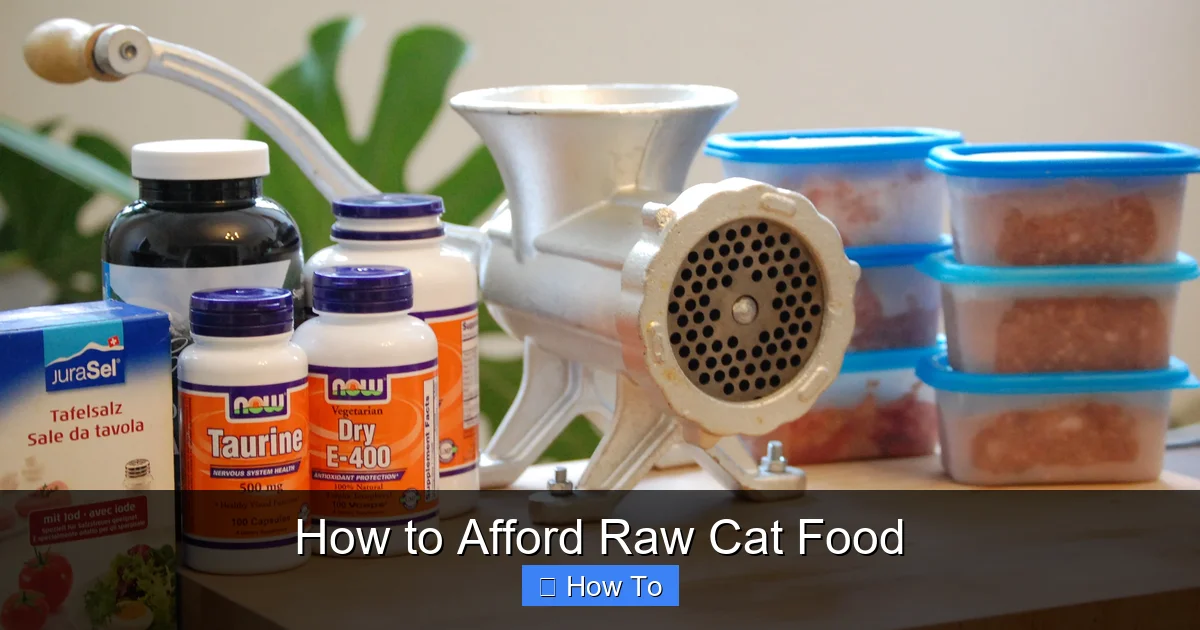
Raw cat food can be pricey, but it doesn’t have to break the bank. This guide shows you practical ways to make raw feeding affordable—from buying in bulk and making your own meals to finding discounts and using organ meats wisely.
Key Takeaways
- Buy in bulk: Purchasing larger quantities of meat and organs reduces the cost per serving and saves time.
- Make your own raw food: Homemade raw diets are often cheaper than commercial brands and let you control ingredients.
- Use affordable protein sources: Chicken, turkey, and rabbit are budget-friendly options that meet feline nutritional needs.
- Shop sales and use coupons: Watch for discounts at pet stores, butcher shops, and online retailers to stretch your budget.
- Include organ meats and bones: These nutrient-rich parts are often cheaper than muscle meat and essential for a balanced raw diet.
- Freeze in portions: Pre-portioning meals prevents waste and makes feeding easier.
- Join raw feeding communities: Online groups share deals, recipes, and tips to help you save money.
How to Afford Raw Cat Food: A Complete Guide
Switching your cat to a raw food diet can be one of the best decisions you make for their health. Raw feeding supports better digestion, shinier coats, healthier teeth, and more energy. But let’s be honest—raw cat food can get expensive. Between premium meats, supplements, and frozen blends, the cost adds up fast. The good news? You don’t have to choose between your cat’s health and your wallet.
In this guide, you’ll learn how to afford raw cat food without sacrificing quality. We’ll cover smart shopping strategies, DIY recipes, budget-friendly ingredients, and time-saving tips. Whether you’re feeding one cat or a whole clowder, these steps will help you make raw feeding sustainable and affordable.
Why Raw Food Is Worth the Investment
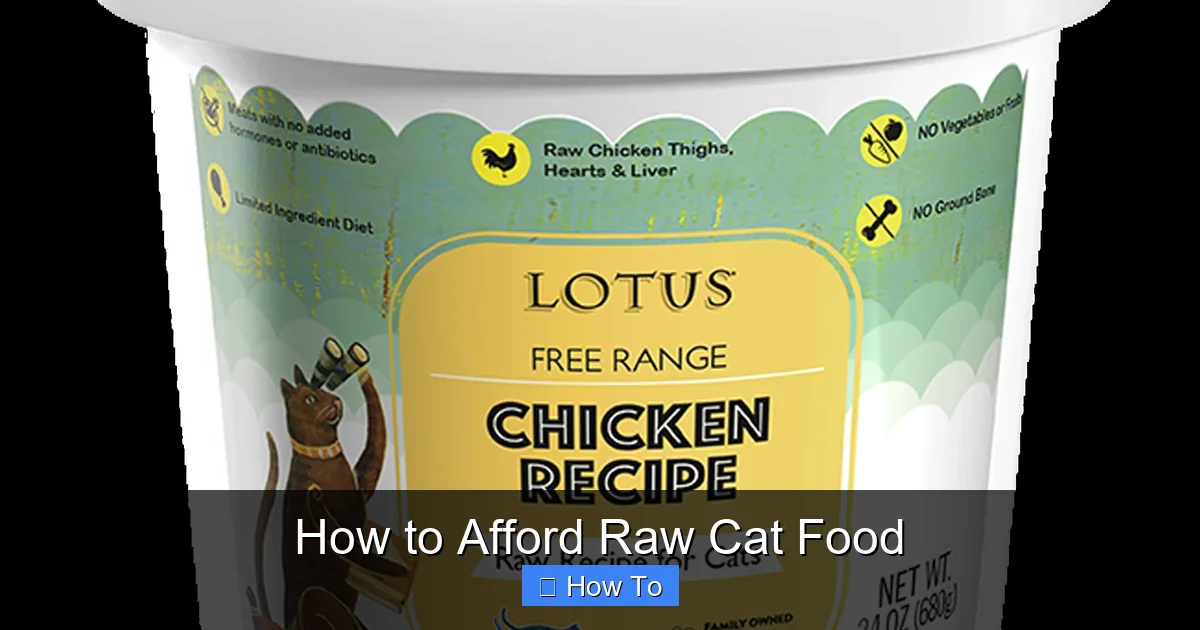
Visual guide about How to Afford Raw Cat Food
Image source: cdn.shoplightspeed.com
Before we dive into cost-saving tips, let’s talk about why raw food is worth considering. Cats are obligate carnivores, which means their bodies are built to thrive on meat. Unlike dogs, cats can’t efficiently process plant-based nutrients. A raw diet mimics what they’d eat in the wild—fresh muscle meat, organs, and bones.
Studies and vet reports suggest that raw-fed cats often have:
– Better dental health (less tartar and gum disease)
– Healthier skin and coat
– Reduced allergies and digestive issues
– Lower risk of obesity and diabetes
While commercial raw food can be pricey, the long-term health benefits may reduce vet bills down the road. That said, you don’t need to spend a fortune to feed your cat well. With a little planning, raw feeding can fit into almost any budget.
Step 1: Buy in Bulk to Save Money
One of the easiest ways to afford raw cat food is to buy in bulk. When you purchase larger quantities, the cost per pound drops significantly. This is especially true for meat, which is the main expense in raw diets.
Where to Buy Bulk Meat
Look for these sources:
– Local butcher shops: Many butchers sell meat scraps, organ meats, and bones at lower prices than grocery stores. Ask if they have “pet-grade” or “human-grade” meat available.
– Farmers markets: Local farms often sell whole chickens, rabbits, or turkeys at wholesale prices. Some even offer discounts for buying entire animals.
– Online bulk retailers: Websites like US Wellness Meats, Farm Food, and Raw Feeding Miami offer bulk discounts on frozen raw meat.
– Warehouse clubs: Costco, Sam’s Club, and BJ’s sell large packs of chicken, turkey, and ground meat that can be repurposed for raw feeding.
How Much to Buy
A typical adult cat eats about 2–4 ounces of raw food per day, depending on size and activity level. That’s roughly 5–7 pounds per month. If you’re feeding multiple cats, multiply accordingly.
Buying a 25- to 50-pound case of ground meat or whole cuts can save you 20–40% compared to smaller packages. Just make sure you have enough freezer space.
Storing Bulk Purchases
Freezing is key to preserving raw meat. Use airtight containers or vacuum-sealed bags to prevent freezer burn. Label each package with the date and contents.
Pro tip: Freeze meals in portion-sized containers (like silicone muffin trays or small deli cups). Once frozen, pop them out and store in labeled freezer bags. This makes daily feeding quick and waste-free.
Step 2: Make Your Own Raw Cat Food
Commercial raw food is convenient, but it’s also the most expensive option. Making your own raw meals at home can cut costs by half or more—while giving you full control over ingredients.
Basic Raw Diet Formula
A balanced raw diet for cats includes:
– 80–85% muscle meat (chicken, turkey, rabbit, duck)
– 10% raw edible bone (like chicken necks or wings)
– 5–10% organ meat (half of which should be liver)
You can also add supplements like taurine, fish oil, and vitamin E, but many homemade recipes use whole foods to meet nutritional needs.
Simple Homemade Recipe
Here’s a budget-friendly recipe for 5 pounds of raw food:
- 3 lbs ground chicken (with bone, like chicken thighs or carcasses)
- 1 lb chicken hearts (muscle and organ meat)
- ½ lb chicken liver
- ½ lb turkey gizzards (optional, for extra texture)
Mix everything in a large bowl or food processor. Portion into meal-sized containers and freeze. Thaw in the fridge before serving.
Tips for Safe Preparation
– Always wash your hands, utensils, and surfaces after handling raw meat.
– Use separate cutting boards for meat and other foods.
– Don’t feed cooked bones—they can splinter and cause injury.
– Rotate protein sources weekly to ensure variety and balanced nutrition.
Save Even More with Scraps
Ask your butcher or local restaurant for meat scraps, trimmings, or expired-but-safe cuts. Many places are happy to give these away for free or at a discount. Just make sure the meat is fresh, not spoiled.
Step 3: Choose Affordable Protein Sources
Not all meats are created equal when it comes to cost. Some proteins are much cheaper than others, and they’re just as nutritious for your cat.
Best Budget-Friendly Proteins
– Chicken: One of the most affordable and widely available options. Use thighs, wings, necks, and backs.
– Turkey: Often cheaper than beef or lamb, especially during holiday sales.
– Rabbit: A great alternative protein that’s usually less expensive than exotic meats.
– Duck: Slightly pricier but often sold in bulk at good rates.
– Beef and lamb: Use sparingly or as occasional treats—these are more expensive but fine in moderation.
Avoid Overpriced Meats
Steer clear of premium cuts like steak, pork chops, or organic-only brands unless they’re on sale. These can quickly blow your budget. Instead, focus on whole animals or ground blends.
Use Organ Meats Wisely
Organ meats like liver, kidney, and heart are nutrient powerhouses—and often cheaper than muscle meat. Liver should make up no more than 5% of the diet to avoid vitamin A toxicity. Heart is rich in taurine and can replace some muscle meat.
Step 4: Shop Sales and Use Coupons
Just like with human groceries, timing your purchases can save you money. Raw food ingredients go on sale just like anything else.
Watch for Seasonal Discounts
– Holiday sales: Thanksgiving and Christmas bring deep discounts on turkey and chicken.
– End-of-season clearance: Butchers and farms often reduce prices on meat at the end of hunting or farming seasons.
– Online flash sales: Sign up for newsletters from raw food brands to get alerts on limited-time deals.
Use Coupons and Loyalty Programs
Many pet stores and online retailers offer:
– First-time buyer discounts
– Loyalty points (earn rewards with every purchase)
– Email-exclusive promo codes
Check sites like RetailMeNot or Honey for active coupon codes before checking out.
Buy Frozen, Not Fresh
Frozen meat is often cheaper than fresh and lasts longer. As long as it’s properly stored, frozen meat is just as safe and nutritious for raw feeding.
Step 5: Include Bones and Organs for Nutrition and Savings
Many cat owners skip bones and organs because they seem complicated or messy. But these parts are essential—and often the cheapest components of a raw diet.
Why Bones Matter
Raw edible bones (like chicken necks or wings) provide:
– Calcium and phosphorus
– Natural teeth cleaning
– Mental stimulation for your cat
They’re also much cheaper than boneless meat. A pound of chicken necks can cost half as much as boneless thighs.
How to Feed Bones Safely
– Only feed raw, never cooked bones.
– Choose bones appropriate for your cat’s size (small bones for small cats).
– Supervise your cat the first few times they eat bones.
– Grind bones if your cat won’t chew them (use a meat grinder or ask your butcher).
Organ Meats Are Nutrient Gold
Organs like liver, kidney, and spleen are packed with vitamins and minerals. Liver is especially rich in vitamin A, while heart is high in taurine—both critical for cat health.
Since organs are often sold at lower prices, they’re a great way to boost nutrition without raising costs.
Step 6: Freeze in Portions to Reduce Waste
Wasting food is wasting money. One of the biggest mistakes raw feeders make is thawing more than they need—or forgetting about meat in the back of the freezer.
Portion Before Freezing
Divide your raw food into daily or meal-sized portions before freezing. This way, you only thaw what you need, and the rest stays frozen.
Use:
– Silicone ice cube trays (perfect for single meals)
– Small deli containers
– Vacuum-sealed bags labeled with dates
Thaw Safely
Always thaw raw food in the refrigerator, not on the counter. This prevents bacterial growth. If you’re in a hurry, place the sealed container in cold water.
Rotate Your Stock
Use the “first in, first out” rule. When you buy new meat, place it behind older packages in the freezer. This ensures nothing gets forgotten and spoils.
Step 7: Join Raw Feeding Communities
You’re not alone in your journey to afford raw cat food. Thousands of cat parents are doing the same thing—and they’re happy to share tips, deals, and support.
Find Online Groups
Join Facebook groups, Reddit communities (like r/RawPetFood), or forums dedicated to raw feeding. Members often post:
– Local meat deals
– Homemade recipe swaps
– Advice on balancing diets
– Warnings about unsafe products
Learn from Experienced Feeders
Many long-term raw feeders have mastered the art of budget-friendly feeding. Ask questions, share your challenges, and learn from their experience.
Some groups even organize group buys, where members pool orders to get wholesale pricing from suppliers.
Troubleshooting Common Challenges
Even with the best planning, you might run into a few hurdles. Here’s how to handle them.
My Cat Won’t Eat Raw Food
Some cats are picky or used to kibble. Try:
– Mixing raw with their current food, then slowly increasing the ratio
– Warming the food slightly to enhance smell
– Offering different proteins (some cats prefer rabbit over chicken)
– Patience—it can take weeks for a cat to adjust
I Don’t Have Enough Freezer Space
If freezer space is tight:
– Buy smaller bulk quantities more often
– Use vacuum sealers to compress packages
– Store food in a shared freezer with family or friends
– Consider a small chest freezer (they’re energy-efficient and affordable)
I’m Worried About Nutritional Balance
Homemade raw diets can lack certain nutrients if not properly formulated. To ensure balance:
– Use a recipe from a trusted source (like Dr. Lisa Pierson or Feline Nutrition Foundation)
– Add supplements if needed (taurine is essential)
– Rotate proteins weekly
– Consult a vet or pet nutritionist if you’re unsure
Raw Food Smells Bad
Yes, raw meat has a strong odor—but it’s normal. To minimize smell:
– Store food in sealed containers
– Clean bowls and surfaces immediately after feeding
– Feed in a well-ventilated area
– Use odor-absorbing products like baking soda in the freezer
Conclusion: Raw Feeding Can Be Affordable
Feeding your cat a raw diet doesn’t have to be a luxury. With smart planning, bulk buying, and a little DIY effort, you can provide high-quality, species-appropriate nutrition without overspending.
Start small. Try making one batch of homemade food or buying a bulk pack of chicken. As you get comfortable, you’ll find more ways to save. Remember, every dollar you save on raw food is a dollar you can spend on toys, vet care, or treats.
Your cat’s health is worth it—and so is your peace of mind. By following these steps, you can afford raw cat food and give your feline friend the best life possible.