
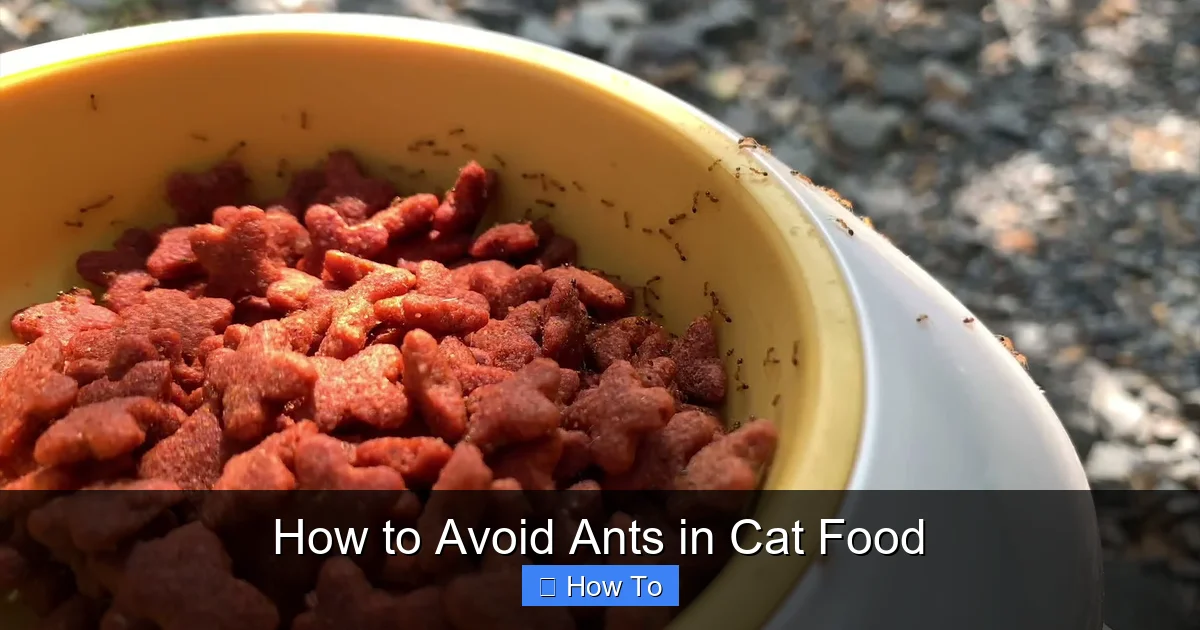
Ants in cat food are more than a nuisance—they can contaminate your pet’s meals and spread bacteria. This guide offers practical, step-by-step solutions to keep ants away, from storage hacks to feeding routines that protect your cat’s health and peace of mind.
Key Takeaways
- Store dry food properly: Keep kibble in airtight containers to block scent trails and prevent ant access.
- Feed on a schedule: Avoid leaving food out all day—this reduces the chance of attracting ants.
- Clean feeding areas daily: Wipe bowls and floors to remove crumbs and sticky residues that draw ants.
- Use natural deterrents: Place cinnamon, vinegar, or citrus peels near feeding zones to repel ants without harming pets.
- Create physical barriers: Use moats, ant guards, or elevated feeders to stop ants from reaching the bowl.
- Inspect your home regularly: Seal cracks and fix moisture issues to eliminate indoor ant entry points.
- Choose the right bowl: Opt for wide, shallow dishes that are harder for ants to climb and easier to clean.
Introduction: Why Ants in Cat Food Are a Problem
Finding ants marching in a line toward your cat’s food bowl is frustrating—and it’s more than just a gross sight. Ants can carry bacteria, fungi, and other pathogens that may contaminate your pet’s meals. Even if your cat seems unfazed, repeated exposure could lead to digestive upset or infections. Plus, once ants discover a food source, they leave pheromone trails that invite hundreds—or even thousands—of their colony mates to join the feast.
The good news? You don’t need harsh chemicals or expensive gadgets to solve this problem. With a few smart habits and simple tools, you can keep ants away from your cat’s food for good. This guide walks you through everything you need to know—from understanding why ants are attracted to pet food in the first place, to implementing long-term prevention strategies that work.
Whether you’re dealing with a minor ant invasion or a full-blown infestation, these tips are designed for real-life homes with real cats. We’ll cover storage solutions, feeding routines, natural repellents, physical barriers, and home maintenance tricks—all while keeping your furry friend safe and happy.
Understand Why Ants Are Drawn to Cat Food
Visual guide about How to Avoid Ants in Cat Food
Image source: i0.wp.com
Before you can stop ants, it helps to know what’s luring them in. Ants are opportunistic scavengers. They’re especially attracted to high-protein and high-fat foods—exactly what’s in most commercial cat kibble and wet food. Even tiny crumbs or a drop of spilled gravy can signal “free meal” to an ant scout.
Once one ant finds the food, it returns to the nest and lays down a scent trail. Other ants follow this trail like a GPS, leading to a steady stream of visitors. This is why you might see just one ant one day—and a dozen the next.
Outdoor ants often enter homes through tiny cracks, gaps around windows, or under doors. Indoor colonies (like those in walls or under floors) can also be the source. Moisture plays a role too: ants need water, so damp areas near sinks, leaky pipes, or humid basements can become hotspots for activity.
Understanding these behaviors helps you target your prevention efforts more effectively. It’s not just about the food—it’s about cutting off access, removing attractants, and disrupting their communication.
Step 1: Store Dry Cat Food Properly
One of the biggest mistakes pet owners make is leaving dry kibble in its original bag, often tucked loosely in a pantry or garage. This doesn’t just expose the food to air and moisture—it also lets ants smell it from yards away.
Use Airtight Containers
Transfer your cat’s dry food into a high-quality, airtight container. Look for bins made of thick plastic or metal with a secure, snap-lock lid. Avoid containers with flimsy seals or gaps—ants are tiny and can squeeze through the tiniest openings.
Popular options include:
– Gamma2 Vittles Vault (BPA-free, stackable, and ant-proof)
– IRIS Airtight Pet Food Container (comes in various sizes)
– Simple human Touch Airtight Canister (great for smaller households)
Make sure the container is cleaned before each refill. Old food residue can attract pests even if the new batch is sealed.
Keep the Container Elevated and Away from Walls
Place the food container on a shelf or stand, not directly on the floor. Ants often crawl along baseboards and floors, so elevating the bin reduces their chances of reaching it. If possible, keep it away from exterior walls, especially in garages or basements where ants are more likely to enter.
Don’t Overfill the Container
Leave a little space at the top. Overfilling can prevent the lid from sealing properly, creating tiny gaps ants can exploit. Also, it’s easier to scoop food when the container isn’t packed to the brim.
Label and Rotate Stock
Write the purchase date on the container and use older food first. Stale kibble loses its aroma over time, but it can still attract ants—and it’s less nutritious for your cat. Rotating stock ensures freshness and reduces waste.
Step 2: Establish a Smart Feeding Routine
Free-feeding—leaving food out all day—might seem convenient, but it’s a major ant magnet. The longer food sits out, the more time ants have to find it.
Switch to Scheduled Meals
Instead of leaving kibble out 24/7, feed your cat at set times—typically twice a day. Most adult cats do well with morning and evening meals. This not only reduces ant exposure but also helps with portion control and monitoring your cat’s appetite.
If your cat is used to grazing, transition slowly. Start by removing the food bowl after 30 minutes, then gradually shorten the window until you’re feeding at fixed times.
Pick Up Uneaten Food Promptly
Whether it’s dry kibble or wet food, remove any leftovers within 30 to 60 minutes. Wet food spoils quickly and emits strong odors that attract not just ants, but flies and other pests too.
For outdoor cats, this is even more critical. Morning dew or rain can make wet food soggy and smelly, turning it into an ant buffet.
Use Smaller Portions
Serve only what your cat can eat in one sitting. This minimizes waste and reduces the chance of crumbs lingering on the floor. If your cat leaves food behind, adjust the portion size slightly at the next meal.
Step 3: Clean the Feeding Area Daily
Even the tiniest food particle can draw ants. A clean feeding zone is your first line of defense.
Wash Bowls After Every Meal
Use hot, soapy water to scrub your cat’s food and water bowls daily. Pay attention to crevices and ridges where grease or kibble dust can hide. Rinse thoroughly to avoid soap residue, which some cats dislike.
For extra sanitation, run bowls through the dishwasher once a week (if they’re dishwasher-safe).
Wipe Down Surfaces
After each meal, wipe the floor, mat, or counter around the feeding area with a damp cloth or pet-safe disinfectant. Focus on spots where crumbs might fall—under the bowl, along the edges of mats, or near cabinets.
Avoid using strong chemical cleaners near your cat’s eating space. Opt for natural options like diluted white vinegar or baking soda paste.
Use a Feeding Mat
Place a silicone or rubber feeding mat under the bowl. These mats catch spills and crumbs, making cleanup easier. Choose one with raised edges to contain messes and prevent ants from crawling underneath.
Vacuum or Sweep Regularly
Even if you wipe daily, do a deeper clean weekly. Vacuum around the feeding area, under furniture, and along baseboards. Ants often nest in hidden spots, and removing debris reduces their food sources.
Step 4: Use Natural Ant Deterrents
You don’t need toxic sprays to keep ants away. Several natural substances repel ants without harming pets or people.
Sprinkle Cinnamon or Black Pepper
Ants hate the smell of cinnamon and black pepper. Lightly sprinkle a thin line around the feeding area, on windowsills, or near entry points. Reapply after cleaning or rain.
Note: Use ground spices, not essential oils, near your cat. Some essential oils (like tea tree or citrus) can be toxic to cats if inhaled or ingested.
Use Vinegar Solution
Mix equal parts white vinegar and water in a spray bottle. Spray around the feeding zone, doorways, and cracks. Vinegar disrupts ant scent trails and leaves a smell ants avoid.
Wipe down surfaces after spraying to prevent slipping hazards. The vinegar smell fades quickly and won’t affect your cat.
Place Citrus Peels
Save lemon, lime, or orange peels and place them near the food bowl or entry points. The d-limonene in citrus oils repels ants. Replace peels every few days to keep them effective.
Avoid placing peels directly in or near the food bowl—your cat might not like the smell.
Try Diatomaceous Earth (Food-Grade)
Sprinkle a thin layer of food-grade diatomaceous earth around the feeding area. This natural powder dehydrates ants on contact. It’s safe for pets as long as it’s not inhaled in large amounts.
Reapply after cleaning or if it gets wet. Keep it away from your cat’s face and food.
Step 5: Create Physical Barriers
Sometimes, the best way to stop ants is to block their path entirely.
Use an Ant Moat
An ant moat is a small water-filled dish that sits under your cat’s food bowl. Ants can’t swim across the water, so they’re stopped before they reach the food.
You can buy commercial ant moats or make your own:
– Use a shallow dish slightly larger than the food bowl.
– Fill it with water (add a drop of dish soap to break surface tension).
– Place the food bowl in the center.
Check and refill the moat daily. Clean it weekly to prevent algae or bacteria buildup.
Try an Elevated Feeder
Raise the food bowl off the ground using a stand or platform. Ants have a harder time climbing smooth, vertical surfaces. Choose a feeder with a wide base to prevent tipping.
Some elevated feeders come with built-in ant guards or moats—ideal for persistent problems.
Use Double-Bowl Systems
Place the food bowl inside a larger, water-filled dish. This creates a moat effect without needing a separate container. Just make sure the inner bowl sits securely and doesn’t float.
Apply Petroleum Jelly or Teflon Spray
Smear a thin layer of petroleum jelly or apply Teflon-based spray (like those used for sliding glass doors) around the legs of a feeder stand. Ants can’t grip the slippery surface and will turn back.
Reapply every few weeks or after cleaning.
Step 6: Seal Entry Points and Fix Moisture Issues
If ants keep coming back, they’re likely entering from outside or from hidden indoor nests.
Inspect Your Home
Walk around your home’s exterior and look for cracks, gaps, or holes near windows, doors, pipes, and foundations. Indoors, check baseboards, under sinks, and behind appliances.
Use a flashlight to spot tiny entry points—ants can squeeze through openings as small as 1/16 of an inch.
Seal Cracks and Gaps
Use caulk to seal gaps around windows, doors, and utility lines. For larger holes, use steel wool or expandable foam. Ants can’t chew through steel wool, making it a great temporary barrier.
Focus on areas near the feeding zone—especially if your cat eats in the kitchen or garage.
Fix Leaks and Reduce Humidity
Fix dripping faucets, leaking pipes, or condensation under sinks. Use a dehumidifier in damp basements or bathrooms. Ants need water, so eliminating moisture sources makes your home less inviting.
Wipe down wet surfaces after use and ensure good ventilation in high-moisture areas.
Keep Outdoor Areas Clean
If your cat eats outside, keep the yard free of food scraps, fallen fruit, or pet waste. Trim bushes and trees away from your home’s exterior to reduce ant highways.
Step 7: Choose the Right Food Bowl
Not all bowls are created equal when it comes to ant prevention.
Opt for Wide, Shallow Bowls
Deep, narrow bowls are easier for ants to climb into. Wide, shallow dishes make it harder for ants to reach the food and are easier to clean.
Ceramic or stainless steel bowls are best—they’re heavy, non-porous, and don’t retain odors.
Avoid Plastic Bowls
Plastic can scratch easily, creating tiny grooves where food particles hide. These residues attract ants and can harbor bacteria. If you must use plastic, choose BPA-free, high-quality options and replace them frequently.
Consider Weighted or Non-Skid Bowls
Bowls that don’t slide around are less likely to spill food. Look for models with rubber bases or weighted bottoms.
Use Separate Water and Food Bowls
Keep water and food bowls apart. Water can dilute food and make it spoil faster, increasing odor and ant attraction.
Troubleshooting Common Problems
Even with the best efforts, ants may still appear. Here’s how to handle common issues:
Ants Keep Coming Back
If ants return despite your efforts, they may have a nest nearby. Look for trails leading to walls, under floors, or outside. Consider using bait stations (pet-safe ones) to eliminate the colony. Avoid spraying insecticides near food areas.
My Cat Hates the New Bowl
Some cats are picky about bowl changes. Introduce the new bowl gradually—place it next to the old one for a few days, then mix in a little food from the old bowl. Most cats adjust within a week.
The Moat Is Too Messy
If water spills or your cat plays in the moat, try a smaller dish or switch to an elevated feeder with a built-in guard. You can also use a shallow tray with sand instead of water (though this is less effective).
Ants Are Getting In Through the Window
Install fine mesh screens on windows and doors. Seal gaps around frames with weatherstripping. Use natural deterrents like cinnamon or vinegar along the sill.
Outdoor Feeding Is Impossible to Control
If you must feed outside, do it during daylight hours and remove food within 30 minutes. Use a covered feeder or place the bowl on a smooth, elevated surface like a concrete slab. Avoid grassy or mulched areas where ants nest.
Conclusion: Stay Consistent for Long-Term Success
Keeping ants out of your cat’s food isn’t a one-time fix—it’s an ongoing practice. The most effective strategy combines proper food storage, consistent feeding routines, daily cleaning, and smart use of deterrents and barriers.
Start with the basics: store kibble in an airtight container, feed on a schedule, and clean the area daily. Then, layer in natural repellents and physical barriers as needed. Over time, these habits will become second nature—and your cat’s meals will stay ant-free.
Remember, every home is different. What works for one household might need tweaking for another. Stay observant, adjust your approach, and don’t hesitate to try new solutions.
Your cat deserves fresh, safe, and uncontaminated food. With these tips, you can protect their meals—and your peace of mind—from unwanted six-legged guests.