

Befriending a stray cat without relying on food is possible with patience, consistency, and the right approach. This guide teaches you how to build trust using body language, safe spaces, and calm interactions—without using treats or meals as bait.
Key Takeaways
- Patience is essential: Stray cats are naturally cautious, and trust takes time to develop—rushing can set progress back.
- Use non-food rewards: Soft toys, gentle voice, and safe spaces can encourage positive associations without food.
- Body language matters: Slow movements, blinking, and sitting low help signal safety and reduce fear.
- Create a safe environment: A quiet, sheltered space gives the cat control and reduces stress during interactions.
- Consistency builds trust: Daily, predictable visits help the cat recognize you as a non-threatening presence.
- Avoid direct eye contact: Staring can feel threatening; instead, use slow blinks to communicate friendliness.
- Respect boundaries: Let the cat initiate contact—forcing interaction can damage trust.
How to Befriend a Stray Cat Without Food
If you’ve ever spotted a stray cat lingering near your home or neighborhood, you might feel the urge to help—but what if you can’t or don’t want to use food to gain their trust? Whether you’re allergic, on a budget, or simply prefer not to feed strays, building a bond without treats is not only possible—it’s often more respectful and sustainable.
Stray cats are survivors. They’ve learned to be cautious, often due to past trauma or negative experiences with humans. While food is a common tool for gaining trust, it’s not the only way. In fact, relying solely on food can create dependency or attract unwanted animals. Instead, you can use patience, body language, and environmental cues to show a stray cat that you’re safe.
This guide will walk you through a step-by-step process to befriend a stray cat without using food. You’ll learn how to communicate through movement, create a welcoming space, and build trust over time—all while respecting the cat’s boundaries. Whether you’re hoping to eventually adopt, provide care, or simply offer companionship, these methods are safe, effective, and rooted in feline behavior science.
Understanding Stray Cat Behavior
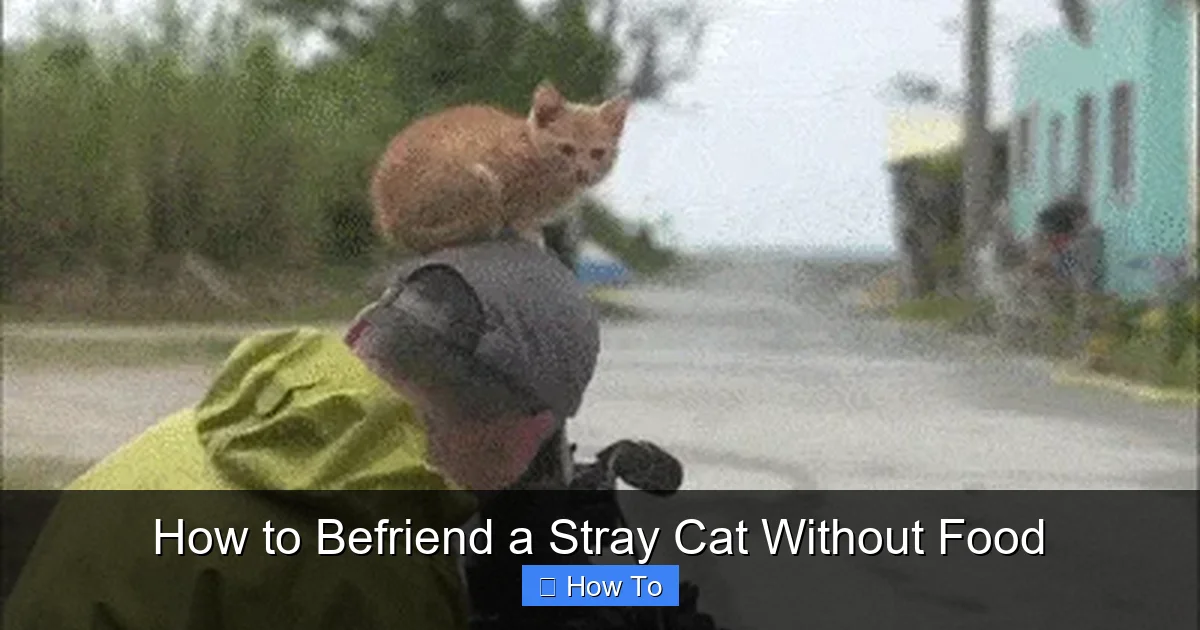
Visual guide about How to Befriend a Stray Cat Without Food
Image source: pulptastic.com
Before you begin, it’s important to understand why stray cats act the way they do. Strays are not the same as feral cats—though the terms are often used interchangeably. A stray cat is typically one that was once socialized to humans but has been lost or abandoned. They may still remember kindness and be more open to human contact. Feral cats, on the other hand, have had little to no human interaction and are often too fearful to approach.
Stray cats are naturally cautious. Their survival depends on reading threats quickly. Loud noises, sudden movements, or direct approaches can trigger a fight-or-flight response. That’s why trust must be earned slowly and respectfully.
Signs a Stray Cat Is Open to Interaction
Not all stray cats are ready to befriend humans. Look for these signs that a cat might be open to connection:
- The cat approaches you voluntarily, even from a distance.
- It sits or lies down near you without hiding.
- It makes soft eye contact or slow blinks.
- It purrs or kneads when near you (once trust is established).
- It doesn’t hiss, growl, or flatten its ears when you’re nearby.
If the cat runs away, hides, or shows aggression, it’s not ready. Respect its space and try again another day.
Why Avoid Food-Based Approaches?
While food is a powerful motivator, it’s not always the best tool—especially if you’re not planning to feed the cat regularly. Here’s why:
- Dependency: Once a cat associates you with food, it may expect meals daily. If you stop, the cat could become stressed or aggressive.
- Overfeeding risks: Strays often have poor diets. Introducing rich or unfamiliar food can cause digestive issues.
- Attracting other animals: Food can draw raccoons, rats, or other strays, creating conflict.
- Ethical concerns: Feeding without a long-term plan can leave the cat worse off if you move or become unavailable.
By avoiding food, you’re focusing on building a genuine bond based on safety and trust—not rewards.
Step 1: Observe from a Distance
The first step in befriending a stray cat is observation. Before you even try to interact, spend time watching the cat from afar. This helps you understand its routine, behavior, and comfort level.
Find a Safe Viewing Spot
Choose a location where you can see the cat without being noticed. A window, porch, or quiet corner of your yard works well. Sit quietly and avoid sudden movements. The goal is to become a familiar, non-threatening presence.
Note Daily Patterns
Pay attention to:
- When the cat appears (morning, evening, etc.).
- Where it rests or hides.
- How it reacts to people, animals, or noises.
- Whether it seems healthy or injured.
This information will help you plan your approach and know the best times to interact.
Be Patient and Consistent
Visit the same spot at the same time each day—even if the cat isn’t there. Over time, the cat will start to recognize your presence. Consistency is key. Cats thrive on routine, and your predictable visits will signal that you’re not a threat.
Step 2: Use Calm Body Language
Cats communicate primarily through body language. To show you’re friendly, you need to speak their language—slowly and gently.
Avoid Direct Eye Contact
To humans, eye contact shows interest. To cats, it can feel like a challenge or threat. Instead, use slow blinks. This is a cat’s way of saying “I trust you.” Try blinking slowly at the cat from a distance. If it blinks back, that’s a great sign!
Sit Low and Still
Crouch or sit on the ground to appear smaller and less intimidating. Avoid standing tall or looming over the cat. Keep your movements slow and deliberate. Sudden gestures can startle even the calmest cat.
Turn Sideways
Facing a cat head-on can feel confrontational. Instead, sit or stand at an angle. This shows you’re not trying to dominate or chase.
Use a Soft Voice
Speak in a calm, quiet tone. Avoid high-pitched baby talk or loud noises. A gentle “hello” or soft humming can be soothing. Never shout or make sudden sounds.
Step 3: Create a Safe Space
A stray cat needs to feel in control. Offering a safe, quiet space can encourage it to stay near you without feeling trapped.
Set Up a Sheltered Area
Place a small shelter—like a cardboard box with a blanket or a pet igloo—in a quiet corner of your yard or porch. Make sure it has an entrance and exit so the cat doesn’t feel cornered. Add a soft towel or fleece for comfort.
Keep It Private
Choose a spot away from foot traffic, loud noises, and other animals. The more peaceful the environment, the more likely the cat will use it.
Add Familiar Scents
Cats rely heavily on scent. If you’ve petted a friendly cat before, rub a soft cloth on it and place the cloth near the shelter. The familiar scent can be comforting. Avoid strong perfumes or cleaners—they can be overwhelming.
Respect the Cat’s Choice
Don’t force the cat to use the space. If it doesn’t go in, that’s okay. The goal is to offer options, not demands. Over time, the cat may start using it as a safe retreat.
Step 4: Use Non-Food Rewards
Since you’re not using food, you’ll need other ways to create positive associations. These alternatives can be just as effective—if not more so—because they build emotional bonds.
Offer Soft Toys
Cats love to play, even strays. Place a lightweight toy—like a feather wand, crinkly ball, or stuffed mouse—near the shelter or your sitting spot. Move it slowly to mimic prey. Playtime releases endorphins and reduces stress.
Use Gentle Touch (When Ready)
Once the cat approaches you voluntarily, you can try gentle petting. Start with slow strokes under the chin or behind the ears—areas cats enjoy. Avoid the belly or tail, which can be sensitive.
Provide Comfort Items
A soft blanket, heated pet pad (on low), or even a warm water bottle wrapped in cloth can be soothing. Cats seek warmth for comfort and safety.
Play Calming Music
Soft classical music or cat-specific relaxation tracks (available online) can reduce anxiety. Play it quietly near the shelter during your visits.
Step 5: Build Trust Through Routine
Cats are creatures of habit. A predictable routine helps them feel secure and builds trust over time.
Visit at the Same Time Daily
Whether it’s morning or evening, try to be there at the same time each day. Even if the cat doesn’t appear right away, your consistency will be noticed.
Keep Sessions Short at First
Start with 5–10 minute visits. Gradually increase the time as the cat becomes more comfortable. Long sessions can be overwhelming early on.
Let the Cat Initiate Contact
Never reach out first. Wait for the cat to approach you. This gives it control and reduces fear. If it rubs against your leg or sits nearby, that’s a sign of trust.
Be Present, Not Pushy
Sit quietly and let the cat explore. Read a book, listen to music, or simply relax. Your calm presence is the reward.
Step 6: Recognize and Respect Boundaries
Not every cat will warm up to you—and that’s okay. Respecting boundaries is crucial for ethical and safe interaction.
Watch for Stress Signals
If the cat shows any of these signs, give it space:
- Hissing or growling
- Flattened ears
- Tail flicking or puffing
- Hiding or fleeing
- Dilated pupils
These are clear signs the cat feels threatened. Back away slowly and try again another day.
Don’t Chase or Corner
Never try to pick up or corner a stray cat. This can cause trauma and erase weeks of progress. Always allow an escape route.
Accept Rejection Gracefully
Some cats may never fully trust humans—and that’s their right. Your goal isn’t to “win” the cat over, but to offer kindness and safety. Even small gestures can make a difference.
Troubleshooting Common Challenges
Even with the best approach, you may face setbacks. Here’s how to handle common issues.
The Cat Won’t Approach
If the cat stays far away, don’t take it personally. It may need more time. Continue your routine, and avoid staring or calling out. Sometimes, just being a quiet presence is enough.
The Cat Seems Aggressive
Aggression often stems from fear. Give the cat plenty of space. Avoid direct eye contact and sudden movements. If the behavior continues, consider contacting a local rescue for help.
The Cat Disappears for Days
Strays often have large territories. The cat may be exploring or avoiding danger. Keep your routine going. It may return when it feels safe.
Other Animals Are Interested
If dogs, raccoons, or other cats show up, they may scare the stray away. Try to interact during quieter times or in a more secluded area.
When to Seek Professional Help
While befriending a stray is rewarding, there are times when expert assistance is needed.
Signs the Cat Needs Medical Care
Look for:
- Limping or difficulty moving
- Visible wounds or sores
- Discharge from eyes or nose
- Extreme thinness or bloated belly
- Labored breathing
If you notice any of these, contact a local animal rescue or TNR (Trap-Neuter-Return) group. They can provide medical care and guidance.
Considering Long-Term Care
If you’d like to adopt the cat, work with a rescue organization. They can help with vaccinations, spaying/neutering, and behavioral assessments. Never take a stray indoors without proper preparation.
Conclusion
Befriending a stray cat without food is a slow, gentle process—but one that can be deeply rewarding. By focusing on trust, safety, and respect, you can build a meaningful connection with a cat that may have known little kindness. Remember, the goal isn’t to “tame” the cat, but to offer it a sense of security and companionship.
Every slow blink, quiet visit, and safe space you provide is a step toward trust. Some cats will warm up quickly; others may take months. But even small progress is meaningful. You’re not just helping one cat—you’re showing compassion in a world that often overlooks the vulnerable.
So be patient. Be kind. And let the cat lead the way.