
Food aggression in cats can be stressful for both pets and owners, but it’s manageable with patience and consistency. This guide walks you through safe, effective techniques to reduce aggressive behaviors during mealtime and help your cat feel calm and secure.
Key Takeaways
- Understand the root cause: Food aggression often stems from fear, competition, or past trauma—identifying the trigger is the first step to solving it.
- Never punish your cat: Scolding or physical correction increases anxiety and worsens aggression. Always use positive reinforcement.
- Gradual desensitization works best: Slowly change your cat’s environment and feeding routine to reduce stress over time.
- Use feeding stations and routines: Consistent meal times and dedicated feeding areas help your cat feel safe and in control.
- Monitor progress and adjust: Keep a behavior journal to track improvements and tweak your approach as needed.
- Consult a vet or behaviorist if needed: Rule out medical issues and get expert help for severe cases.
- Patience is key: Breaking food aggression takes weeks or months—stay consistent and compassionate.
How to Break Food Aggression in Cats
If your cat growls, swats, or lunges when you approach their food bowl, you’re not alone. Food aggression in cats—also known as resource guarding—is more common than many pet owners realize. While it can be alarming, the good news is that it’s treatable with the right approach. This guide will walk you through a step-by-step process to help your cat feel safe, reduce aggressive behaviors, and create a peaceful mealtime environment.
You’ll learn how to identify the signs of food aggression, understand why it happens, and apply proven, humane techniques to break the cycle. Whether your cat is new to your home or has been displaying these behaviors for years, this guide offers practical, science-backed strategies that prioritize your cat’s emotional well-being.
We’ll cover everything from setting up a calm feeding routine to using positive reinforcement, managing multi-cat households, and knowing when to seek professional help. By the end, you’ll have a clear action plan to help your feline friend enjoy meals without fear or tension.
What Is Food Aggression in Cats?
Visual guide about How to Break Food Aggression in Cats
Image source: cats.com
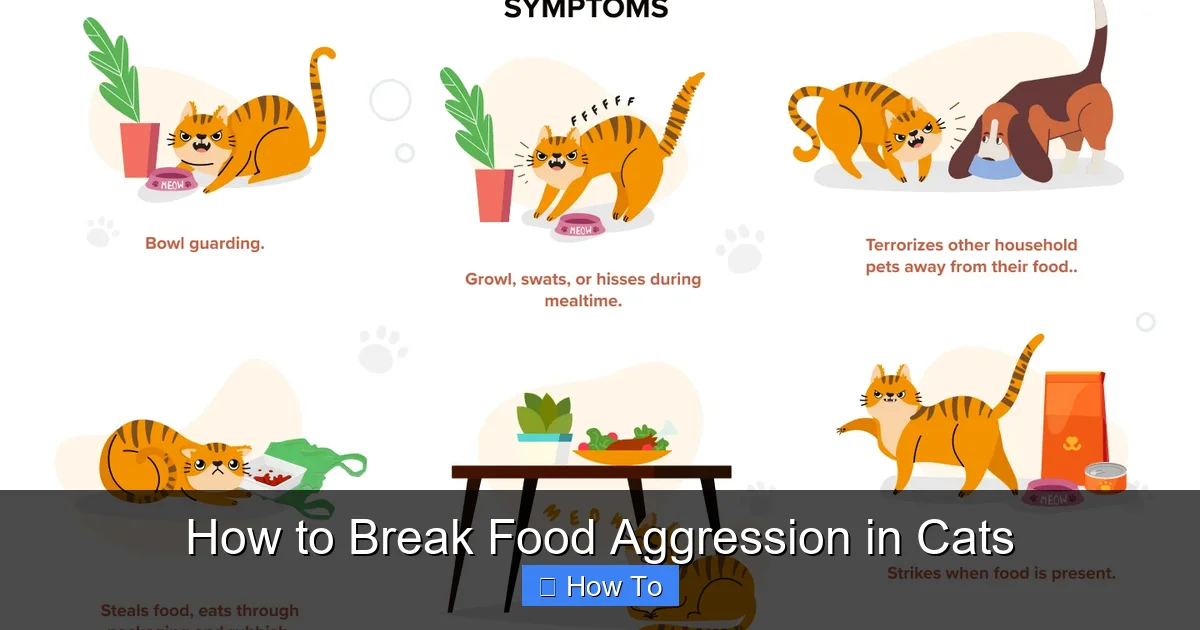
Food aggression occurs when a cat becomes defensive or hostile around food. This can include behaviors like hissing, growling, swatting, blocking access to the food bowl, or even biting when someone approaches during mealtime. In severe cases, a cat may guard their food so intensely that they won’t eat unless completely alone.
It’s important to note that food aggression is not the same as general irritability or playfulness. It’s a specific behavior tied to resource protection—your cat sees food as a valuable, limited resource and feels the need to defend it.
This behavior can develop for several reasons:
– Past experiences of food scarcity (e.g., strays or rescued cats)
– Competition with other pets in the household
– Medical issues causing pain or increased hunger
– Anxiety or fear related to people or environments
– Lack of early socialization
Recognizing food aggression early is key. The sooner you address it, the easier it is to correct. Left untreated, it can escalate and lead to stress, weight loss, or even injuries to people or other pets.
Signs of Food Aggression in Cats
Before you can fix the problem, you need to identify it. Here are common signs that your cat may be displaying food aggression:
- Staring or freezing when you approach the food bowl
- Hissing, growling, or spitting during or after eating
- Swatting or lunging at people or other pets near the feeding area
- Eating very quickly or gulping food down
- Guarding the food bowl by standing over it or blocking access
- Refusing to eat unless completely alone or in a hidden spot
- Changes in body language such as flattened ears, dilated pupils, or a puffed-up tail
If you notice one or more of these behaviors consistently during mealtime, your cat may be experiencing food aggression. Keep in mind that some cats show subtle signs—like tensing up or avoiding eye contact—while others are more overt.
Why Do Cats Develop Food Aggression?
Understanding the root cause is essential for effective treatment. Food aggression doesn’t happen for no reason. It’s usually a response to stress, fear, or past trauma. Here are the most common causes:
Past Trauma or Food Scarcity
Cats that were strays, lived in shelters, or came from homes with inconsistent feeding may have experienced hunger or competition for food. This creates a deep-seated fear of not having enough, leading them to guard their meals fiercely.
Multi-Cat Households
In homes with multiple cats, competition for resources—including food—can trigger aggression. Even if all cats are fed at the same time, one may feel the need to protect their portion from others.
Medical Issues
Pain, illness, or hormonal imbalances (like hyperthyroidism) can increase hunger or irritability. A cat in pain may lash out when approached, especially during vulnerable moments like eating.
Lack of Routine
Cats thrive on predictability. If feeding times are irregular or the environment is chaotic, your cat may feel anxious and defensive around food.
Poor Socialization
Kittens that weren’t exposed to people or other animals during critical developmental periods may be more fearful and reactive as adults.
Human Interaction During Meals
If a cat has been startled, scolded, or disturbed while eating—especially as a kitten—they may associate mealtime with danger.
Identifying the underlying cause helps you tailor your approach. For example, a cat with a medical issue needs veterinary care first, while a cat with competition anxiety may benefit from separate feeding zones.
Step 1: Rule Out Medical Problems
Before starting any behavioral training, it’s crucial to rule out health issues. Pain, dental problems, gastrointestinal disorders, or metabolic diseases can all contribute to food aggression.
Visit Your Veterinarian
Schedule a full check-up with your vet. Mention the aggressive behaviors and ask about possible medical causes. Your vet may recommend:
– Blood tests to check for thyroid issues or diabetes
– Dental exams to rule out tooth pain
– Fecal tests for parasites
– Pain assessments, especially in older cats
Monitor for Other Symptoms
While at the vet, also watch for signs like:
– Weight loss or gain
– Vomiting or diarrhea
– Lethargy
– Excessive thirst or urination
– Changes in appetite (eating too much or too little)
If a medical issue is found, treating it may significantly reduce or eliminate the aggression. For example, a cat with painful teeth may stop guarding food once they’re no longer in discomfort.
Step 2: Create a Safe Feeding Environment
A calm, predictable environment is essential for reducing food-related stress. Your goal is to make mealtime feel safe and routine.
Choose a Quiet, Low-Traffic Area
Feed your cat in a quiet room away from loud noises, children, or other pets. Avoid high-traffic areas like hallways or near doors. A spare room, bathroom, or corner of a bedroom works well.
Use a Dedicated Feeding Station
Set up a consistent spot for meals. This could be a mat, a small table, or a feeding station with a placemat. Over time, your cat will associate this area with safety and food.
Minimize Distractions
Turn off TVs, radios, or other loud devices during meals. If you have other pets, keep them out of the room during your cat’s feeding time.
Feed at the Same Time Every Day
Cats are creatures of habit. Feed your cat at the same times each day—ideally twice a day for adult cats. This reduces anxiety about when the next meal will come.
Use the Same Bowl and Food
Sudden changes in food type, bowl material, or location can trigger stress. Stick to familiar items unless you’re intentionally transitioning (and even then, do it gradually).
Step 3: Implement a Consistent Feeding Routine
A predictable routine helps your cat feel secure. Here’s how to build one:
Stick to a Schedule
Feed your cat at the same times every day—morning and evening. Use an alarm if needed. Consistency reduces uncertainty and fear.
Use Measured Portions
Avoid free-feeding (leaving food out all day), as it can increase anxiety about food availability. Instead, offer measured meals at set times.
Prepare the Food in Advance
Have the food ready before your cat sees or smells it. This prevents begging or frantic behavior. Use a food scale for accuracy.
Stay Calm and Quiet
Avoid talking loudly or making sudden movements during meals. Your calm energy helps your cat relax.
End on a Positive Note
After your cat finishes eating, quietly remove the bowl and offer a brief, gentle pet or treat (if appropriate). This creates a positive association with the end of mealtime.
Step 4: Use Positive Reinforcement
Positive reinforcement is the most effective way to change behavior. Reward calm, non-aggressive actions to encourage them.
Reward Calm Behavior
When your cat eats without aggression, quietly praise them or offer a small treat after they finish. Avoid interrupting them during the meal.
Use Treats to Build Trust
Place a few high-value treats (like cooked chicken or freeze-dried liver) near the food bowl while your cat eats. This teaches them that your presence means good things.
Gradually Increase Proximity
Start by standing far away while your cat eats. Over days or weeks, slowly move closer—always rewarding calm behavior. If your cat shows signs of stress, back up and try again later.
Avoid Punishment
Never yell, spray water, or physically punish your cat. This increases fear and worsens aggression. Instead, redirect or ignore unwanted behavior.
Use Clicker Training (Optional)
A clicker can help mark desired behaviors. Click and treat when your cat eats calmly or allows you to approach. This builds positive associations quickly.
Step 5: Desensitize Your Cat to Your Presence
Desensitization means gradually exposing your cat to the thing they fear—your approach during meals—in a controlled, non-threatening way.
Start at a Distance
Begin by standing 10–15 feet away while your cat eats. Stay still and quiet. Do this for several days.
Move Closer Gradually
Each day, move 1–2 feet closer—only if your cat remains calm. If they tense up or growl, return to the previous distance.
Pair Your Approach with Rewards
As you move closer, toss a treat toward your cat (not at them). This creates a positive link between your presence and good things.
Practice During Non-Meal Times
Spend time near your cat when they’re not eating. Sit quietly, read, or offer gentle pets. This builds general trust.
Be Patient
This process can take weeks or months. Go at your cat’s pace. Rushing can undo progress.
Step 6: Manage Multi-Cat Households
If you have more than one cat, food aggression is often linked to competition. Here’s how to reduce tension:
Feed Cats Separately
Use different rooms or baby gates to create separate feeding zones. This prevents competition and allows each cat to eat in peace.
Use Puzzle Feeders or Slow Feeders
These devices slow down eating and make mealtime more engaging. They also reduce the urge to guard food.
Feed at the Same Time, But Apart
Even if cats are separated, feeding them simultaneously helps maintain routine and reduces anxiety about missing out.
Monitor Interactions
Watch for signs of tension between cats. If one is consistently bullied or stressed, consider longer-term separation during meals.
Introduce New Cats Slowly
If you’ve recently added a cat, give them time to adjust. Use scent swapping and gradual introductions to reduce territorial behavior.
Step 7: Use Environmental Enrichment
A mentally stimulated cat is less likely to fixate on food. Enrichment reduces overall anxiety and redirects energy.
Provide Interactive Toys
Use puzzle toys, treat balls, or foraging mats to make eating more engaging. This mimics natural hunting behavior.
Rotate Toys Regularly
Keep your cat interested by switching out toys every few days. Novelty prevents boredom.
Create Vertical Space
Cat trees, shelves, and perches give your cat safe places to observe and relax—reducing stress.
Use Calming Aids
Consider pheromone diffusers (like Feliway) or calming sprays to reduce anxiety. Always consult your vet before using supplements.
Play Before Meals
A 5–10 minute play session before feeding can help your cat burn off energy and approach food calmly.
Troubleshooting Common Challenges
Even with the best plan, you may run into setbacks. Here’s how to handle common issues:
Your Cat Still Growls or Hisses
Go back a step in your training. Increase distance or slow down the process. Consistency and patience are key.
Your Cat Won’t Eat Unless Alone
This is common in anxious cats. Feed them in a quiet room with the door closed. Gradually open the door a crack over time, rewarding calm behavior.
Another Pet Interferes
Use baby gates, closed doors, or separate rooms. Never allow free access during meals if competition is an issue.
Progress Is Slow
That’s okay. Some cats take months to change. Keep a journal to track small improvements—like reduced growling or shorter eating time.
Your Cat Starts Regressing
Stressful events (like moving, new pets, or illness) can cause setbacks. Return to earlier steps and rebuild trust slowly.
When to Seek Professional Help
If your cat’s food aggression is severe, persistent, or worsening, it’s time to consult a professional.
Veterinary Behaviorist
A vet specializing in behavior can assess your cat and recommend medication if needed. This is helpful for cats with extreme anxiety or fear.
Certified Cat Behavior Consultant
These experts create customized plans and offer ongoing support. Look for someone certified by IAABC or CCPDT.
Never Use Force or Punishment
Avoid “flooding” techniques (forcing exposure) or physical corrections. These can cause lasting trauma.
Conclusion
Breaking food aggression in cats is not about dominance or discipline—it’s about building trust, reducing fear, and creating a safe environment. With patience, consistency, and compassion, most cats can learn to eat calmly and peacefully.
Remember, every cat is different. Some respond quickly to changes in routine, while others need months of gentle training. The key is to stay consistent, avoid punishment, and celebrate small victories along the way.
By following the steps in this guide—ruling out medical issues, creating a calm feeding space, using positive reinforcement, and managing the environment—you can help your cat feel secure and reduce aggressive behaviors over time.
Your cat’s well-being is worth the effort. With time and love, mealtime can become a peaceful, positive experience for both of you.