
Buying cat food in bulk can save you time and money, but it requires smart planning. This guide walks you through choosing the right food, finding trusted suppliers, storing properly, and avoiding common pitfalls so your cat stays happy and healthy.
Key Takeaways
- Assess your cat’s needs first: Consider age, weight, activity level, and any health conditions before choosing a bulk food option.
- Calculate accurate consumption rates: Track how much your cat eats weekly to avoid overbuying and food spoilage.
- Choose reputable suppliers: Stick to trusted brands and retailers with good reviews, return policies, and fresh stock rotation.
- Invest in proper storage: Use airtight containers, cool, dry spaces, and label everything to maintain freshness and prevent pests.
- Rotate stock and check expiration dates: Practice “first in, first out” to ensure older food is used before newer batches.
- Watch for sales and subscribe for savings: Combine bulk buying with discounts, loyalty programs, and auto-ship options for maximum value.
- Monitor your cat’s health: Keep an eye on weight, coat condition, and digestion after switching to bulk food.
How to Buy Cat Food in Bulk
If you’re a cat parent, you know how quickly those kibble bags and canned food cans add up—both in cost and in trips to the store. Buying cat food in bulk might sound like a no-brainer for saving money and time, but it’s not as simple as grabbing the biggest box on the shelf. Done right, bulk buying can cut your pet expenses by 20–30% and reduce packaging waste. Done wrong, you could end up with stale food, wasted money, or even health issues for your furry friend.
In this guide, we’ll walk you through every step of buying cat food in bulk the smart way. You’ll learn how to assess your cat’s dietary needs, calculate how much food to buy, find reliable suppliers, store it properly, and avoid common mistakes. Whether you have one cat or a full feline crew, this guide will help you make bulk buying work for your household—and your budget.
Step 1: Understand Your Cat’s Nutritional Needs

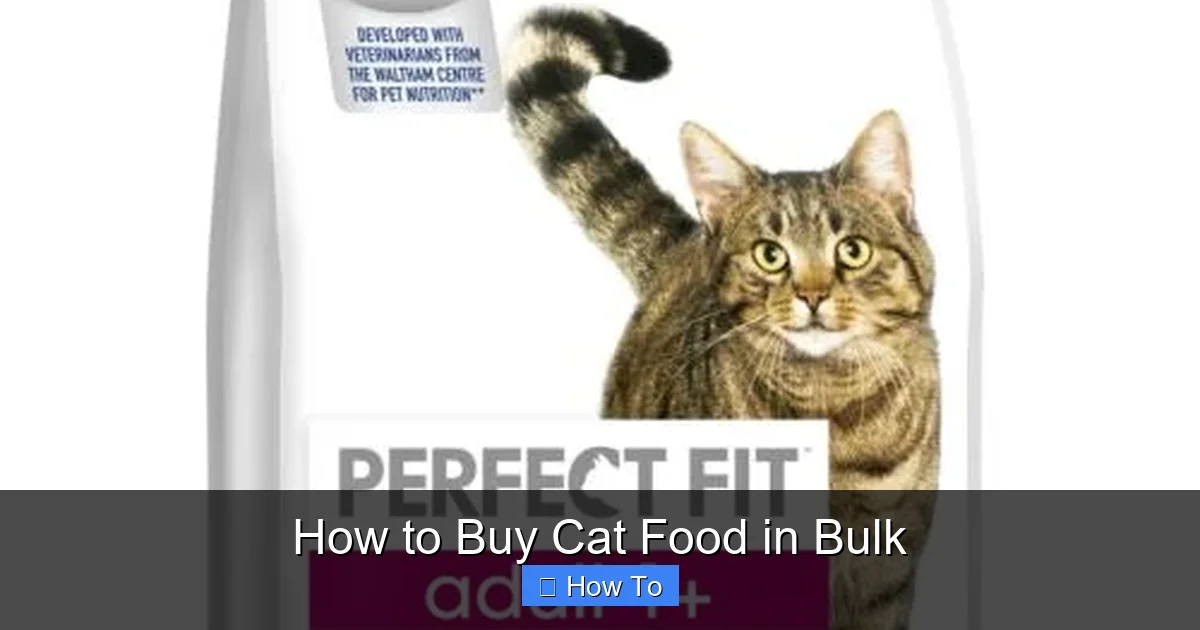
Visual guide about How to Buy Cat Food in Bulk
Image source: catlovesbest.com
Before you even think about bulk buying, you need to know what kind of food your cat actually needs. Cats are obligate carnivores, which means they require a diet high in animal protein and low in carbohydrates. Their nutritional needs also change based on life stage, health, and lifestyle.
Consider Your Cat’s Life Stage
Kittens, adult cats, and seniors have very different dietary requirements. Kittens need more calories, protein, and fat to support growth. Adult cats need balanced nutrition to maintain weight and energy. Senior cats may benefit from lower-calorie, joint-supporting formulas.
For example, a 12-week-old kitten might eat 3–4 small meals a day of high-calorie kitten food, while a 7-year-old indoor cat may thrive on a maintenance formula with added fiber. Always check the label for “complete and balanced” certification from the Association of American Feed Control Officials (AAFCO).
Factor in Health Conditions
If your cat has diabetes, kidney disease, allergies, or obesity, their diet must be carefully managed. Some cats need prescription diets, which may not be available in bulk or may require a vet’s approval. Talk to your veterinarian before switching to a new food—especially if you’re buying in large quantities.
For instance, a cat with urinary tract issues might benefit from a moisture-rich wet food diet. In that case, buying bulk canned food makes sense. But if your cat needs a special hydrolyzed protein diet, you may be limited in bulk options and should consult your vet first.
Account for Activity Level and Weight
An active outdoor cat burns more calories than a couch-loving indoor kitty. Overfeeding can lead to obesity, while underfeeding can cause malnutrition. Use your vet’s recommendations or online feeding calculators to estimate daily caloric needs.
A typical 10-pound indoor cat needs about 200–250 calories per day. If you’re feeding dry food (around 350–400 calories per cup), that’s roughly ½ to ¾ cup daily. Multiply that by 7 for a weekly total, then by 4 for a monthly estimate. This helps you determine how much to buy without overstocking.
Step 2: Calculate How Much Food to Buy
One of the biggest mistakes people make when buying in bulk is overestimating how much their cat will eat. Cats are creatures of habit, and their appetites don’t usually increase just because food is available. Overbuying leads to stale kibble, wasted money, and potential pest problems.
Track Your Cat’s Eating Habits
For one week, measure exactly how much food your cat eats each day. Use a kitchen scale or measuring cup for accuracy. Note any changes due to weather, activity, or stress. This gives you a realistic baseline.
For example, if your cat eats ½ cup of dry food and one 5.5-oz can of wet food per day, that’s 3.5 cups of dry and 7 cans of wet food per week. Multiply by 4 to get monthly needs: 14 cups dry and 28 cans wet.
Factor in Storage Space and Shelf Life
Dry cat food typically lasts 6–12 months unopened, and 4–6 weeks once opened—if stored properly. Wet food has a shorter shelf life: unopened cans last 1–2 years, but once opened, they should be refrigerated and used within 5–7 days.
If you buy a 40-pound bag of dry food, that’s about 160 cups. At ½ cup per day, it will last over 10 months. That’s fine if you have space and your cat eats consistently. But if you live in a humid climate or have limited storage, that bag might go stale before it’s finished.
A good rule of thumb: don’t buy more than a 3–6 month supply at a time. This balances savings with freshness.
Adjust for Multiple Cats
If you have more than one cat, multiply individual needs by the number of cats. But watch for differences in appetite. One cat might eat more than the other, so monitor each one separately if possible.
For two cats eating ½ cup each daily, that’s 1 cup per day, 7 cups per week, and 28 cups per month. A 30-pound bag (about 120 cups) would last over 4 months—ideal for bulk buying.
Step 3: Choose the Right Type of Cat Food for Bulk Buying
Not all cat foods are created equal—and not all are suitable for bulk purchasing. Dry food is the most common choice for bulk buying because it’s cost-effective, has a long shelf life, and is easy to store. Wet food can also be bought in bulk, but it requires more planning.
Dry Food: The Bulk Buying Favorite
Dry kibble is lightweight, compact, and economical. A 40-pound bag can cost 20–30% less per pound than smaller bags. It’s also easier to portion and store.
Look for high-quality brands with real meat as the first ingredient, no artificial preservatives, and AAFCO certification. Popular options include Royal Canin, Hill’s Science Diet, Purina Pro Plan, and Wellness Core.
Avoid foods with excessive fillers like corn, soy, or wheat. These offer little nutritional value and can contribute to weight gain or allergies.
Wet Food: Bulk Buying with Caution
Wet food is great for hydration and picky eaters, but it’s heavier, more expensive per ounce, and harder to store in large quantities. However, buying cases of canned food (e.g., 24 or 36 cans) can still save money.
Choose brands with high meat content and minimal additives. Look for “grain-free” or “limited ingredient” options if your cat has sensitivities.
Tip: Buy wet food in mixed variety packs to keep your cat interested. Rotate flavors to prevent boredom and ensure balanced nutrition.
Freeze-Dried and Raw Diets: Special Considerations
Some cat owners prefer freeze-dried or raw diets for their high protein and natural ingredients. These can be bought in bulk, but they’re more expensive and require freezer storage.
Freeze-dried food rehydrates with water and has a long shelf life when sealed. Raw food must be stored in a freezer and thawed before serving. If you’re buying raw in bulk, ensure you have enough freezer space and a reliable power source.
Step 4: Find Reliable Suppliers and Retailers
Where you buy your cat food matters—especially when buying in bulk. You want a supplier that offers fresh stock, competitive prices, good return policies, and reliable shipping.
Online Retailers
Websites like Chewy, Amazon, and Petco offer bulk cat food at discounted rates. Chewy, in particular, is known for fast shipping, auto-ship discounts (up to 35% off), and excellent customer service.
Amazon’s Subscribe & Save program can save you 5–15% on recurring orders. Just be sure to check seller ratings—stick to fulfilled-by-Amazon or authorized retailers to avoid counterfeit or expired products.
Tip: Sign up for price alerts or use browser extensions like Honey to catch discounts.
Warehouse Clubs
Costco, Sam’s Club, and BJ’s Wholesale Club sell large bags of cat food at lower per-unit costs. These are great for dry food, but selection may be limited.
Check expiration dates carefully—warehouse clubs sometimes stock older inventory. Also, consider membership fees: if you don’t shop often, the savings might not outweigh the cost.
Local Pet Stores and Co-ops
Some local pet stores offer bulk discounts or loyalty programs. Co-ops or buying groups can pool orders with other cat owners to get wholesale pricing.
Support local businesses when possible—they often provide personalized advice and faster returns.
Veterinary Clinics
If your cat needs a prescription diet, your vet may offer bulk purchasing options. Some clinics partner with distributors to provide discounted rates for long-term clients.
Step 5: Store Bulk Cat Food Properly
Buying in bulk is only beneficial if the food stays fresh. Poor storage leads to rancidity, mold, pests, and loss of nutrients.
Use Airtight Containers
Once opened, transfer dry food to a high-quality, airtight container. Plastic bins with gasket seals or metal containers with locking lids work best. Avoid keeping food in the original bag inside the container—moisture and air can still seep in.
Label each container with the brand, flavor, and opening date. This helps with rotation and tracking.
Store in a Cool, Dry Place
Heat and humidity accelerate spoilage. Store food in a pantry, closet, or basement—not in a garage or near a heater. Ideal temperature is below 75°F (24°C) with low humidity.
Avoid direct sunlight, which can degrade fats and vitamins in the food.
Keep It Off the Floor
Store containers on shelves or pallets to prevent moisture absorption and deter rodents or insects.
Freeze for Long-Term Storage
If you must store food for more than 6 months, consider freezing portions. Divide dry food into meal-sized bags and freeze. Thaw in the refrigerator before use.
Note: Freezing can affect texture slightly, but it preserves freshness and prevents oxidation.
Prevent Pests
Mice, ants, and pantry moths love cat food. Keep storage areas clean, seal containers tightly, and inspect regularly. Use natural deterrents like bay leaves or diatomaceous earth (food-grade) if needed.
Step 6: Rotate Stock and Monitor Freshness
Even with perfect storage, food doesn’t last forever. Use the “first in, first out” (FIFO) method: always use the oldest food first.
Label Everything
Write the purchase or opening date on every container. When you open a new bag, move the older one to the front.
Check for Signs of Spoilage
Before feeding, inspect the food. Dry kibble should smell fresh, not sour or rancid. It should be crisp, not soft or moldy. Wet food should have a clean smell and normal texture—no bulging cans or off odors.
If food looks or smells wrong, throw it out immediately. Don’t risk your cat’s health.
Monitor Your Cat’s Reaction
After switching to bulk food, watch for changes in appetite, digestion, coat condition, or energy levels. Some cats are sensitive to even small formulation changes.
If your cat develops diarrhea, vomiting, or lethargy, stop the new food and consult your vet.
Step 7: Take Advantage of Discounts and Subscriptions
Bulk buying is already cost-effective, but you can save even more with smart shopping strategies.
Subscribe for Auto-Ship
Many online retailers offer discounts for recurring deliveries. Chewy’s Autoship gives up to 35% off your first order and 5% off future ones. Amazon Subscribe & Save offers 5–15% off.
Set deliveries for every 2–3 months based on your cat’s consumption. You’ll never run out—and you’ll save money.
Use Loyalty Programs
Sign up for rewards programs at Petco, Chewy, or your local pet store. Earn points for purchases, get birthday discounts, and receive exclusive offers.
Watch for Sales and Promotions
Major holidays (Black Friday, Cyber Monday, Prime Day) often feature deep discounts on pet food. Stock up during these times.
Also, sign up for brand newsletters—many companies send exclusive coupons to subscribers.
Buy in Multi-Packs
Instead of single bags, look for 2-pack or 3-pack deals. These often cost less per unit and reduce shipping fees.
Troubleshooting Common Bulk Buying Problems
Even with the best planning, issues can arise. Here’s how to handle them.
Problem: Food Goes Stale Before Use
Solution: Buy smaller bulk quantities or split large bags with a friend. Store in airtight containers and keep in a cool, dry place. Consider vacuum-sealing portions.
Problem: Your Cat Refuses the New Food
Solution: Transition slowly over 7–10 days. Mix increasing amounts of new food with the old. Add warm water or a topper (like tuna juice) to entice eating.
Problem: Pests Get Into the Food
Solution: Clean the storage area thoroughly. Use sealed containers and natural repellents. Dispose of contaminated food safely.
Problem: Unexpected Changes in Formula
Solution: Check the lot number and contact the manufacturer. Some brands change ingredients without notice. Stick to trusted suppliers with consistent formulations.
Conclusion
Buying cat food in bulk is a smart, money-saving strategy—when done correctly. By understanding your cat’s nutritional needs, calculating accurate consumption, choosing the right food and supplier, and storing it properly, you can enjoy the benefits of convenience and cost savings without compromising your pet’s health.
Remember: bulk buying isn’t just about buying more—it’s about buying smarter. Rotate stock, monitor freshness, and take advantage of discounts to maximize value. And always keep your cat’s well-being at the center of every decision.
With this guide, you’re ready to make bulk cat food buying a seamless part of your pet care routine. Your wallet—and your cat—will thank you.