

Choosing healthy cat food can feel overwhelming, but it doesn’t have to be. This guide walks you through everything you need to know—from reading labels to understanding nutrients—so you can make the best choice for your feline friend.
Key Takeaways
- Prioritize animal-based protein: Cats are obligate carnivores, so the first ingredient should always be a named meat like chicken, turkey, or salmon.
- Read the ingredient list carefully: Avoid foods with vague terms like “meat by-products” or fillers such as corn, soy, and wheat.
- Check for AAFCO statements: Look for labels that say the food meets AAFCO nutritional standards for your cat’s life stage (kitten, adult, senior).
- Choose the right format: Wet, dry, or raw—each has pros and cons. Wet food supports hydration, while dry food is convenient and helps with dental health.
- Consider your cat’s individual needs: Age, weight, activity level, and health conditions (like kidney disease or allergies) should influence your choice.
- Introduce new food gradually: Sudden changes can upset your cat’s stomach. Mix old and new food over 7–10 days.
- Store food properly: Keep dry food sealed and cool; refrigerate opened wet food and use within a few days.
How to Buy Healthy Cat Food: A Complete Guide
Welcome, cat parent! If you’re reading this, you probably care deeply about your furry companion’s health and happiness. And one of the most important ways to support that is through nutrition. But with so many brands, formulas, and claims on the market, how to buy healthy cat food can feel like solving a puzzle without the box.
The good news? You don’t need a degree in veterinary science to make smart choices. With a little knowledge and a few practical tips, you can confidently pick food that fuels your cat’s energy, supports their immune system, and keeps their coat shiny and skin healthy. This guide will walk you through every step—from understanding what cats really need to eat, to decoding labels, choosing the right format, and even troubleshooting common feeding issues.
By the end, you’ll know exactly what to look for on a label, how to match food to your cat’s lifestyle, and how to transition them safely to a new diet. Let’s get started on the path to better feline health—one meal at a time.
Step 1: Understand Your Cat’s Nutritional Needs
Before you even step into a pet store or browse online, it’s essential to understand what makes cat food truly healthy. Cats aren’t small dogs—they have unique dietary requirements that set them apart from other pets.
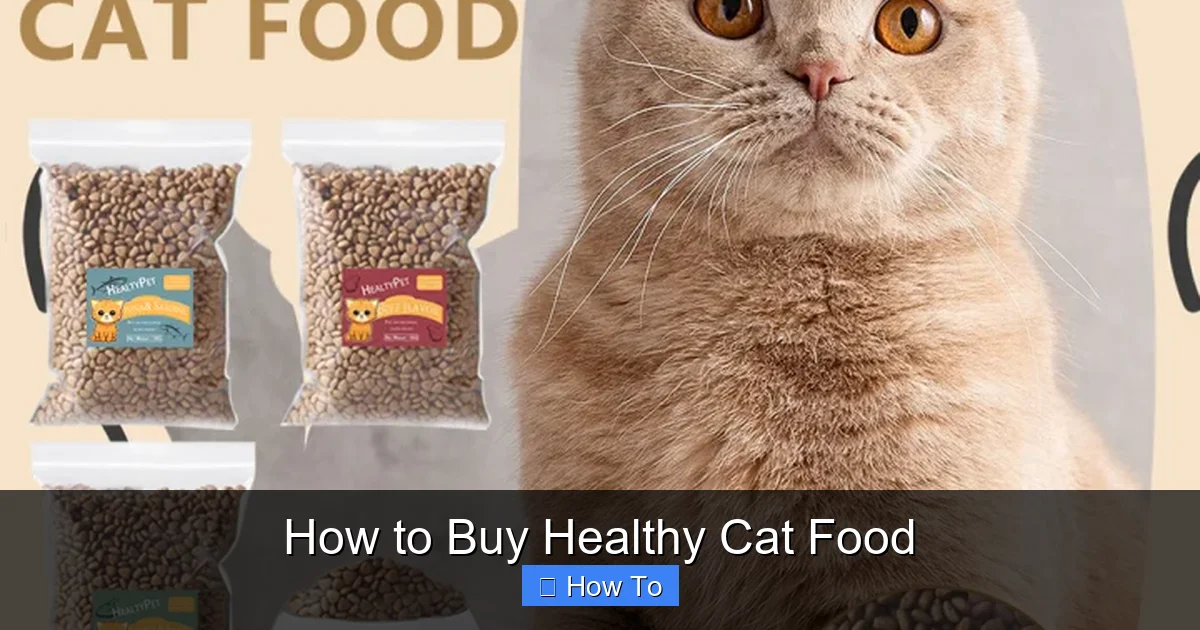
Visual guide about How to Buy Healthy Cat Food
Image source: img.lazcdn.com
Why Cats Need Animal Protein
Cats are obligate carnivores, which means their bodies are designed to thrive on a meat-based diet. Unlike omnivores (like humans or dogs), cats can’t efficiently produce certain nutrients on their own. They must get them from animal sources. Key nutrients include:
- Taurine: An amino acid critical for heart health, vision, and reproduction. A deficiency can lead to blindness or heart disease.
- Arachidonic acid: A fatty acid found only in animal fats, essential for skin, coat, and inflammation regulation.
- Vitamin A: Cats can’t convert plant-based beta-carotene into usable vitamin A—they need preformed vitamin A from meat.
- Vitamin B12: Found almost exclusively in animal products, vital for nerve function and red blood cell production.
Because of this, the foundation of any healthy cat food should be high-quality animal protein. Look for meals or whole meats listed first—like “chicken,” “turkey meal,” or “salmon”—not vague terms like “meat” or “animal by-products.”
Life Stage Matters
Just like humans, cats have different nutritional needs at different stages of life:
- Kittens (under 1 year): Need more calories, protein, and fat to support rapid growth. Look for formulas labeled “kitten” or “growth.”
- Adult cats (1–7 years): Require balanced nutrition to maintain weight and energy. Choose “maintenance” or “adult” formulas.
- Senior cats (7+ years): May benefit from lower-calorie, high-fiber foods with joint support (like glucosamine) and easier-to-digest proteins.
Feeding a kitten food to an adult cat might lead to weight gain, while senior cats on kitten food could miss out on important joint and kidney support. Always match the food to your cat’s life stage.
Health Conditions and Special Diets
Some cats have medical needs that require special diets. For example:
- Kidney disease: Low-phosphorus, low-protein diets can help reduce strain on the kidneys.
- Diabetes: High-protein, low-carbohydrate foods help regulate blood sugar.
- Food allergies: Cats with itchy skin or digestive issues may benefit from limited-ingredient diets (e.g., duck and pea or rabbit and potato).
- Urinary tract issues: Wet food or prescription diets can increase water intake and reduce crystal formation.
If your vet has diagnosed a health issue, ask for a recommended diet. Prescription foods are often available through vets or authorized retailers.
Step 2: Learn to Read Cat Food Labels
Now that you know what your cat needs, it’s time to become a label detective. The front of the bag might boast “natural,” “grain-free,” or “premium,” but the real story is in the ingredient list and nutritional information.
Ingredient List: The First Five Matter Most
Ingredients are listed by weight, so the first few items make up the bulk of the food. Here’s what to look for:
- Named animal protein first: “Chicken,” “deboned turkey,” or “salmon” are ideal. Avoid “meat meal” or “poultry by-product meal” unless specified (e.g., “chicken meal”).
- Whole meats vs. meals: Whole meats (like “chicken”) contain water, so they may appear heavier even if the dry protein content is similar to a meal. Meals (like “chicken meal”) are concentrated protein sources—also good, as long as they’re named.
- Healthy fats: Look for sources like “chicken fat” or “salmon oil.” These provide essential fatty acids. Avoid generic “animal fat.”
- Carbohydrates in moderation: Cats don’t need carbs, but small amounts from vegetables or legumes (like peas or sweet potatoes) are fine. Avoid corn, wheat, soy, and rice as primary ingredients—they’re often fillers.
- Natural preservatives: “Mixed tocopherols” (vitamin E) or “rosemary extract” are safer than artificial preservatives like BHA, BHT, or ethoxyquin.
Red flags to avoid:
- “Meat by-products” or “animal digest”
- Artificial colors (like Red 40 or Blue 2)
- Excessive grains or starches
- Unnamed protein sources (“meat meal,” “poultry meal”)
Nutritional Analysis: Protein, Fat, and Moisture
The guaranteed analysis tells you the minimum protein and fat, and maximum moisture and fiber. Here’s what to aim for:
- Protein: At least 30% for adult cats, 35–40% for kittens (on a dry matter basis).
- Fat: 10–20% for adults, higher for active or growing cats.
- Moisture: Dry food should be under 10%; wet food typically has 70–80%.
- Fiber: 3–5% is ideal. Too much can cause digestive upset.
Tip: To compare dry and wet food, convert to “dry matter basis.” For example, if wet food has 10% protein and 78% moisture, the dry matter protein is:
(10 ÷ (100 – 78)) × 100 = ~45% protein. That’s excellent!
AAFCO Statement: The Gold Standard
Look for a statement like:
“[Brand] is formulated to meet the nutritional levels established by the AAFCO Cat Food Nutrient Profiles for [life stage].”
AAFCO (Association of American Feed Control Officials) sets standards for pet food nutrition. This statement means the food has been tested or formulated to meet those standards. Without it, the food may be incomplete or unbalanced.
Note: Some foods say “animal feeding tests” were conducted—this means real cats ate it and stayed healthy. That’s even better than formulation alone.
Step 3: Choose the Right Food Format
Cat food comes in three main forms: dry, wet, and raw. Each has benefits and drawbacks. The best choice depends on your cat’s preferences, health, and your lifestyle.
Dry Food: Convenient and Crunchy
Pros:
- Long shelf life—once opened, it stays fresh for weeks if sealed.
- More affordable per serving.
- Helps reduce plaque buildup (though not a substitute for dental care).
- Easy to measure and store.
Cons:
- Low moisture content—can contribute to dehydration, especially in cats prone to urinary issues.
- Often higher in carbohydrates.
- Some cats lose interest over time.
Best for: Busy households, multi-cat homes, or cats who enjoy crunchy kibble.
Wet Food: Hydrating and Tasty
Pros:
- High moisture content—supports kidney and urinary health.
- Typically higher in protein and lower in carbs.
- More palatable for picky eaters.
- Helps with weight management (lower calorie density).
Cons:
- Shorter shelf life—must be refrigerated after opening and used within 3–5 days.
- More expensive per ounce.
- Can contribute to dental plaque if not balanced with brushing or dental treats.
Best for: Cats with kidney disease, urinary tract issues, or those who don’t drink enough water.
Raw or Freeze-Dried Food: Natural but Risky
Raw diets aim to mimic what cats would eat in the wild. Options include fresh raw, frozen, or freeze-dried.
Pros:
- High in protein and moisture.
- No processing—retains natural enzymes and nutrients.
- Many report shinier coats and better digestion.
Cons:
- Risk of bacterial contamination (Salmonella, Listeria).
- Expensive and requires careful handling.
- Not all raw diets are balanced—may lack essential nutrients.
- Not recommended for immunocompromised cats or households with young children.
Best for: Experienced pet owners who can source high-quality, balanced raw food and follow strict hygiene practices.
Hybrid Approach: Many owners feed a mix—dry food available all day and wet food at meals. This gives the benefits of both: convenience and hydration.
Step 4: Match Food to Your Cat’s Lifestyle
Not all cats are the same. A sedentary indoor cat has different needs than an active outdoor explorer. Consider these factors:
Activity Level
- Active cats: May need higher-calorie food with more fat and protein.
- Sedentary cats: Benefit from lower-calorie, high-fiber formulas to prevent obesity.
Weight Management
Over 50% of cats in the U.S. are overweight or obese. If your cat is carrying extra pounds:
- Choose “light,” “low-calorie,” or “weight management” formulas.
- Increase wet food比例 to boost satiety with fewer calories.
- Measure portions carefully—free-feeding can lead to overeating.
- Encourage play to increase activity.
Indoor vs. Outdoor Cats
- Indoor cats: Often less active and prone to hairballs. Look for formulas with added fiber (like psyllium) and omega-3s for coat health.
- Outdoor cats: May need more calories and robust immune support. Ensure they’re vaccinated and protected from parasites.
Multi-Cat Households
If you have more than one cat, consider:
- Feeding different diets if cats have different needs (e.g., one is diabetic, one is a kitten).
- Using separate feeding stations to prevent food guarding.
- Choosing a high-quality food that works for all, if possible.
Step 5: Transition to New Food Safely
Even the healthiest food won’t help if your cat refuses to eat it—or gets sick from a sudden switch. Always introduce new food gradually.
The 7–10 Day Transition Plan
Mix the old and new food, increasing the proportion of new food each day:
- Days 1–2: 25% new food, 75% old
- Days 3–4: 50% new, 50% old
- Days 5–6: 75% new, 25% old
- Day 7+: 100% new food
Tip: Warm wet food slightly (to room temperature or slightly warmer) to enhance aroma—cats rely heavily on smell.
Watch for Digestive Upsets
Some cats may experience loose stools, vomiting, or gas during the transition. If symptoms last more than 2–3 days, slow down the process or consult your vet.
Never fast your cat: Unlike dogs, cats can develop serious liver disease (hepatic lipidosis) if they go without food for more than 24–48 hours.
Step 6: Store Food Properly
Even the best food loses quality if stored incorrectly.
Dry Food
- Keep in a cool, dry place away from sunlight.
- Use an airtight container—don’t just roll the bag closed.
- Don’t buy in bulk unless you can use it within 6 weeks of opening.
- Wash the container monthly to prevent rancidity.
Wet Food
- Refrigerate opened cans or pouches immediately.
- Use within 3–5 days.
- Cover with a lid or plastic wrap to prevent drying out.
- Don’t leave wet food out for more than 2–4 hours (especially in warm weather).
Raw Food
- Store frozen until ready to use.
- Thaw in the refrigerator, not on the counter.
- Wash bowls and utensils with hot, soapy water after each use.
Troubleshooting Common Issues
My Cat Won’t Eat the New Food
- Try mixing in a small amount of tuna juice or bone broth (make sure it’s cat-safe, no onions or garlic).
- Warm the food slightly.
- Offer it at the same time each day to build a routine.
- If refusal continues after 3–4 days, consult your vet—it could signal an underlying health issue.
My Cat Is Gaining Weight
- Measure portions using a kitchen scale or measuring cup.
- Switch to a weight-management formula.
- Increase playtime with interactive toys.
- Limit treats to no more than 10% of daily calories.
My Cat Has Digestive Issues
- Sudden changes in diet can cause diarrhea or vomiting—transition slowly.
- Food allergies may cause chronic gas, loose stools, or itchy skin. Try a limited-ingredient diet.
- Always rule out medical causes with your vet.
My Cat Drinks Very Little Water
- Switch to wet food or add water to dry kibble.
- Use a cat water fountain—many cats prefer running water.
- Place multiple water bowls around the house.
Conclusion
Buying healthy cat food doesn’t have to be complicated. By focusing on high-quality animal protein, reading labels carefully, and matching food to your cat’s unique needs, you’re already ahead of the game. Remember, the best food is one that’s nutritionally complete, safe, and something your cat actually enjoys eating.
Don’t be afraid to experiment—within reason—and always consult your vet if you’re unsure. Your cat’s health is worth the effort. With the knowledge from this guide, you’re now equipped to make informed, confident choices that support a long, vibrant life for your feline friend.
So go ahead—read that label, compare those ingredients, and give your cat the gift of great nutrition. They’ll thank you with purrs, playfulness, and years of love.