
Buying wet cat food in bulk can save you time and money, but it requires smart planning. This guide walks you through choosing the right food, finding reliable suppliers, storing properly, and avoiding common pitfalls—so your cat gets fresh, nutritious meals every time.
Key Takeaways
- Assess your cat’s dietary needs first: Not all wet cat foods are equal—consider age, health, and preferences before buying in bulk.
- Calculate realistic consumption rates: Overbuying leads to waste; underbuying causes stress. Track how much your cat eats weekly.
- Choose reputable suppliers with good return policies: Look for retailers that offer fresh stock, fast shipping, and easy returns in case of damaged cans.
- Invest in proper storage solutions: Once opened, wet food spoils quickly. Use airtight containers and refrigerate leftovers promptly.
- Rotate stock using FIFO (First In, First Out): Always use older cans before newer ones to maintain freshness and prevent expiration waste.
- Watch for sales and subscribe for discounts: Many online stores offer auto-ship programs with savings—ideal for consistent bulk buyers.
- Check expiration dates upon delivery: Even unopened cans have a shelf life. Inspect every shipment to ensure quality.
How to Buy Wet Cat Food in Bulk
If you’re a proud cat parent, you know how quickly those little cans of wet food add up—both in cost and shopping trips. Whether you have one finicky feline or a whole clowder, buying wet cat food in bulk can be a game-changer. It saves money, reduces packaging waste, and ensures you’re never caught off guard when your cat gives you that “I’m hungry now” stare at 6 a.m.
But here’s the catch: buying in bulk isn’t as simple as grabbing the biggest box on the shelf. Wet cat food is perishable, sensitive to storage conditions, and comes in many varieties. Without a smart strategy, you could end up with expired cans, spoiled food, or a cat who refuses to eat anything but the fancy salmon pâté you accidentally over-ordered.
That’s why this guide exists. We’ll walk you through every step—from understanding your cat’s needs to storing your haul correctly—so you can buy wet cat food in bulk with confidence. By the end, you’ll know exactly how much to buy, where to get it, and how to keep it fresh. Let’s dive in!
Step 1: Understand Your Cat’s Nutritional Needs
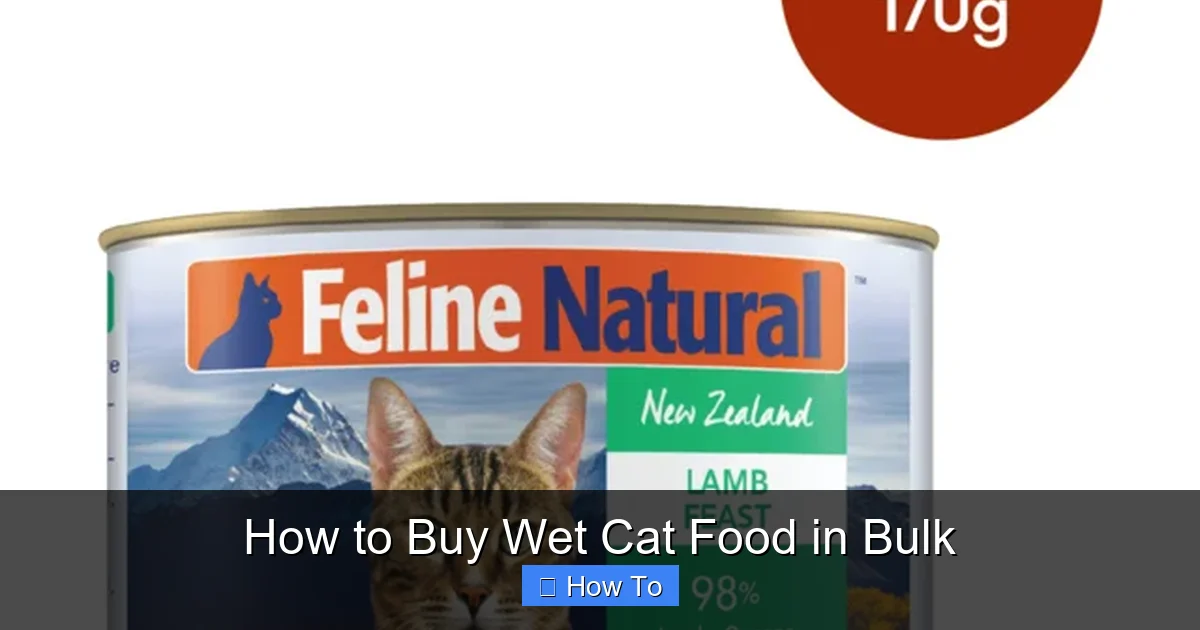
Visual guide about How to Buy Wet Cat Food in Bulk
Image source: cdn.petdirect.co.nz
Before you even think about bulk shopping, you need to know what your cat actually needs to eat. Wet cat food isn’t just “meat in a can”—it’s a carefully balanced meal designed to meet feline dietary requirements. Cats are obligate carnivores, which means they need animal-based protein, specific amino acids (like taurine), and moisture to stay healthy.
Consider Your Cat’s Life Stage
Kittens, adults, and senior cats all have different nutritional needs. For example:
– Kittens need higher calories, fat, and protein for growth.
– Adult cats thrive on balanced formulas with moderate fat and high protein.
– Senior cats may benefit from lower phosphorus (for kidney health) and added joint support.
Always check the label for “complete and balanced” certification from AAFCO (Association of American Feed Control Officials). This ensures the food meets minimum nutritional standards.
Account for Health Conditions
If your cat has allergies, urinary issues, diabetes, or obesity, their diet matters even more. Some wet foods are specially formulated for these conditions—like low-magnesium diets for urinary health or high-fiber options for weight management.
Talk to your vet before switching or buying large quantities. A sudden change in diet can upset your cat’s stomach, and buying 50 cans of the wrong food is a costly mistake.
Know Your Cat’s Preferences
Even the healthiest food is useless if your cat won’t eat it. Some cats love pâté, others prefer shreds or gravy. Texture, flavor (chicken, fish, beef), and brand loyalty all play a role.
Pro tip: Buy a small variety pack first. Test 3–5 different types over a few weeks. Once you find a winner, that’s your bulk buy candidate.
Step 2: Calculate How Much to Buy
Now that you know what to feed, figure out how much to buy. Overestimating leads to wasted money and expired cans. Underestimating means emergency trips to the store at midnight.
Track Weekly Consumption
Most adult cats eat about 3–6 ounces of wet food per day, depending on size and activity level. Here’s how to calculate:
– If your cat eats one 5.5-ounce can per day, that’s 38.5 ounces per week.
– Multiply by 4 to get monthly needs: ~154 ounces (about 28 cans).
– For a 3-month supply: ~84 cans.
But don’t stop there. Consider:
– Number of cats: Two cats = double the food.
– Feeding schedule: Some owners mix wet and dry food. Adjust accordingly.
– Seasonal changes: Cats may eat more in winter or less in summer.
Factor in Shelf Life
Unopened wet cat food typically lasts 18–24 months from the manufacture date. Once opened, it should be refrigerated and used within 3–5 days.
So, if you buy a 6-month supply, make sure your cat can eat it all before the earliest expiration date. A good rule: don’t buy more than a 3–4 month supply at once unless you have multiple cats or a very consistent eater.
Use a Feeding Tracker
Apps like Petcube or simple spreadsheet logs can help you monitor how much your cat eats daily. Over time, you’ll spot patterns and buy more accurately.
Step 3: Choose the Right Retailer
Not all bulk sellers are created equal. You want a supplier that offers fresh stock, fast shipping, and hassle-free returns.
Online Retailers (Best for Bulk)
These platforms often have the best prices and selection:
– Chewy: Free shipping on orders over $49, auto-ship discounts (up to 35% off), and excellent customer service.
– Amazon: Subscribe & Save offers up to 15% off recurring orders. Prime members get fast delivery.
– Petco or PetSmart online: Often run BOGO deals or bulk discounts. In-store pickup available.
Pro tip: Sign up for newsletters. Retailers frequently send exclusive promo codes for first-time bulk buyers.
Warehouse Clubs
Costco, Sam’s Club, and BJ’s offer large multipacks at lower per-can prices. But watch out:
– Limited variety (often only 2–3 brands).
– Larger can sizes (like 12.5 oz) may not suit small eaters.
– Membership fees add to long-term cost.
Local Pet Stores
Some independent shops offer bulk discounts or loyalty programs. Plus, you can inspect cans before buying. However, prices are usually higher than online.
Check Return and Damage Policies
Even the best retailers can ship dented or expired cans. Before buying in bulk:
– Read return policies.
– Look for “freshness guaranteed” promises.
– Choose sellers with responsive customer service.
Step 4: Inspect Your Order Upon Delivery
When your bulk order arrives, don’t just toss it in the pantry. Take 10 minutes to inspect everything.
Check for Damage
Look for:
– Dented or bulging cans (signs of spoilage or botulism risk).
– Leaking seals or rust.
– Broken packaging.
If you find damaged cans, contact the seller immediately. Most will replace them for free.
Verify Expiration Dates
Scan every can for the “best by” or “use by” date. Sort them with the earliest dates in front. This leads us to the next step: rotation.
Confirm Flavor and Variety
Double-check that you received the correct flavors and textures. If you ordered 30 cans of chicken pâté and got 30 cans of fish shreds, your cat may protest.
Step 5: Store Your Bulk Purchase Properly
Proper storage is the secret to making bulk buying work. Wet cat food doesn’t last forever—even unopened.
Unopened Cans: Cool, Dry, and Dark
Store unopened cans in a cool, dry place away from sunlight. Ideal conditions:
– Temperature: Below 75°F (24°C).
– Humidity: Low (avoid basements or garages if damp).
– Location: Pantry or cupboard, not near appliances that generate heat.
Avoid storing cans in hot garages or attics—heat accelerates spoilage.
Opened Cans: Refrigerate and Cover
Once opened, wet food should be:
– Transferred to an airtight container (glass or BPA-free plastic).
– Labeled with the date opened.
– Used within 3–5 days.
Never leave wet food out at room temperature for more than 2 hours. Bacteria grow quickly, especially in warm environments.
Use Airtight Containers for Leftovers
Instead of leaving food in the can, scoop leftovers into small containers. This prevents metal taste and keeps food fresher longer.
Freezing Wet Food (Advanced Tip)
Yes, you can freeze wet cat food! Here’s how:
– Portion into ice cube trays.
– Freeze, then transfer cubes to a freezer bag.
– Thaw in the fridge before serving.
Note: Texture may change slightly, but most cats don’t mind. Avoid freezing food with high water content (like broth-based formulas).
Step 6: Rotate Stock Using FIFO
FIFO stands for “First In, First Out.” It’s a simple but powerful system to prevent waste.
How to Implement FIFO
– When you receive a new shipment, place it behind older cans.
– Always grab from the front of the shelf.
– Label cans with purchase or expiration dates if needed.
This ensures older food gets used first, reducing the risk of expired cans.
Use a Rotation Bin
Some pet owners use plastic bins with separate compartments for new and old stock. Others use lazy Susans for easy access. Find a system that fits your space.
Step 7: Take Advantage of Discounts and Subscriptions
Buying in bulk is already cost-effective, but you can save even more with smart shopping tactics.
Subscribe for Auto-Ship
Most online retailers offer subscription services:
– Chewy: Up to 35% off + free shipping.
– Amazon Subscribe & Save: Up to 15% off.
– Petco: 10–15% off recurring orders.
Set deliveries every 1–3 months based on your usage. You’ll never run out, and you’ll save money.
Stack Coupons and Cashback
– Use apps like Rakuten or Honey for cashback.
– Combine store sales with manufacturer coupons (found on brand websites).
– Sign up for loyalty programs (e.g., Chewy Autoship Rewards).
Buy During Sales Events
Major sales happen during:
– Black Friday / Cyber Monday
– Amazon Prime Day
– Chewy’s “Treat Yourself” events
– End-of-season clearances
Stock up during these times for maximum savings.
Step 8: Monitor Your Cat’s Health and Preferences
Even the best-laid plans can go awry if your cat’s needs change.
Watch for Digestive Issues
If your cat develops diarrhea, vomiting, or refuses to eat, it could be:
– A reaction to a new food.
– Spoiled or expired cans.
– An underlying health issue.
Stop feeding immediately and consult your vet.
Adjust for Life Changes
Pregnancy, illness, aging, or stress can alter your cat’s appetite. Reassess your bulk buying schedule every 3–6 months.
Keep a Food Journal
Note:
– What you fed.
– How much was eaten.
– Any reactions.
This helps you spot trends and make better decisions next time.
Troubleshooting Common Bulk Buying Problems
Even with the best planning, issues can arise. Here’s how to handle them.
Problem: Cans Are Expired or Damaged
Solution: Contact the seller immediately. Most reputable retailers will issue a refund or replacement. Keep photos as proof.
Problem: Your Cat Won’t Eat the Food
Solution: Try mixing it with a favorite treat or warming it slightly (not hot). If refusal continues, donate unopened cans to a shelter and switch brands.
Problem: You Bought Too Much
Solution: Share with friends, donate to rescues, or return if the seller allows it. Some shelters accept unopened pet food donations.
Problem: Food Spoils Before Use
Solution: Re-evaluate your buying quantity. Next time, buy smaller batches or increase feeding frequency.
Problem: Storage Space Is Limited
Solution: Use under-bed storage bins, closet organizers, or vertical shelving. Rotate stock more frequently.
Final Thoughts: Is Buying Wet Cat Food in Bulk Worth It?
Absolutely—if you do it right. Buying wet cat food in bulk saves time, reduces stress, and often cuts costs by 20–30%. But success depends on planning, smart storage, and knowing your cat’s needs.
Remember: bulk buying isn’t about hoarding. It’s about being prepared. With the steps in this guide, you’ll avoid waste, keep your cat healthy, and enjoy the convenience of always having food on hand.
So go ahead—click that “subscribe” button, stack those coupons, and give your cat the consistent, high-quality meals they deserve. Your wallet (and your cat) will thank you.