
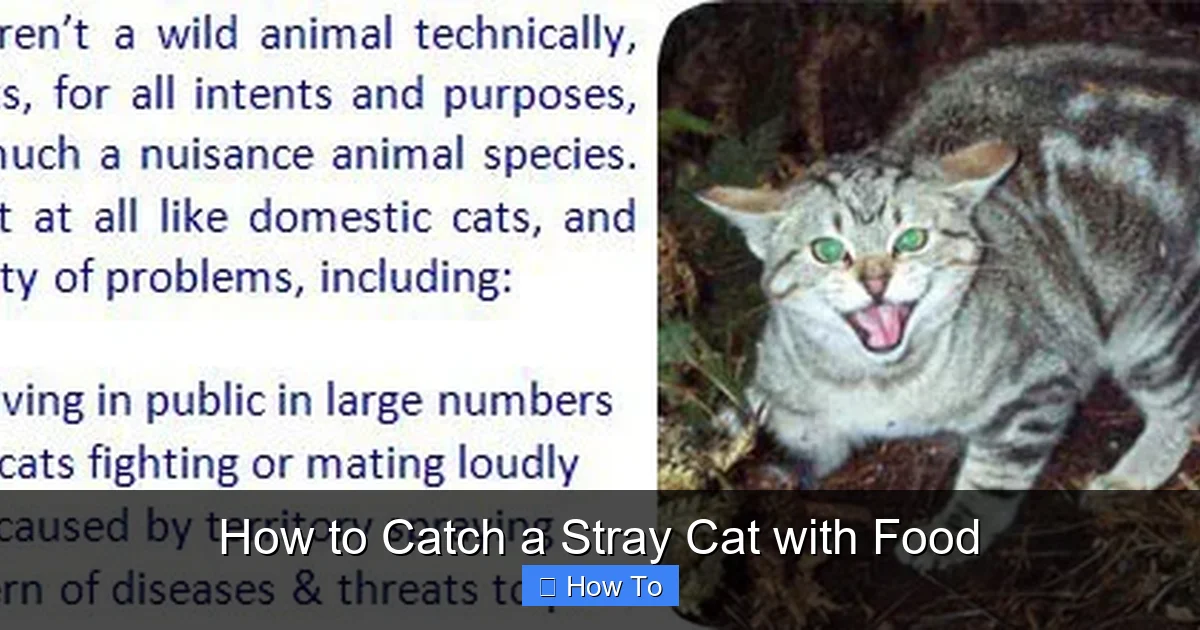
This guide teaches you how to catch a stray cat with food using patience, the right bait, and gentle techniques. You’ll learn how to build trust, use traps safely, and ensure the cat’s well-being throughout the process.
Key Takeaways
- Use high-value food: Strong-smelling wet food like tuna or chicken helps attract stray cats from a distance.
- Build trust slowly: Spend days feeding the cat at the same time and place to establish routine and comfort.
- Choose the right trap: A humane live trap is the safest and most effective tool for catching stray cats.
- Timing matters: Feed the cat consistently before attempting to trap, so it associates food with safety.
- Stay calm and patient: Never chase or corner the cat—this increases fear and reduces success.
- Check local laws: Some areas require permits or have specific rules for trapping stray animals.
- Have a plan post-capture: Know where you’ll take the cat (vet, shelter, foster) before you trap it.
How to Catch a Stray Cat with Food: A Complete Guide
If you’ve spotted a stray cat in your neighborhood—perhaps a skittish feline that appears thin, injured, or just lost—you might want to help. But how do you safely bring it in when it’s wary of humans? The answer lies in one of the most powerful motivators in the animal world: food. Learning how to catch a stray cat with food is not only effective but also humane when done correctly.
This guide walks you through every step of the process, from initial observation to successful capture and beyond. Whether the cat is feral, abandoned, or simply lost, using food as bait can help you gain its trust and safely bring it to safety. We’ll cover everything from choosing the right food and setting up a feeding routine to using humane traps and troubleshooting common problems.
By the end of this guide, you’ll have a clear, step-by-step plan to help a stray cat—without causing stress or harm. Let’s get started.
Why Food Works: The Science Behind Cat Attraction
Cats are natural hunters and opportunistic eaters. Even stray or feral cats retain strong instincts to seek out food, especially when they’re hungry. Food is more than just a reward—it’s a powerful tool for building trust and creating positive associations with humans.
When a cat is living outdoors, its survival depends on finding consistent meals. If you offer high-value, aromatic food regularly, the cat will begin to see you as a source of safety and nourishment. Over time, this reduces fear and increases the likelihood that the cat will approach—and eventually enter—a trap.
The key is consistency. Cats thrive on routine. If you feed them at the same time and place every day, they’ll learn to expect food and become more comfortable in that environment. This predictability is essential when you’re trying to catch a stray cat with food.
Step 1: Observe the Cat’s Behavior
Before you start feeding or trapping, spend a few days observing the cat from a distance. This helps you understand its habits, personality, and level of fear.
Look for Patterns
Note when the cat appears—early morning, dusk, or late at night. Observe where it goes, how it moves, and whether it interacts with other animals or people. Is it limping? Does it have visible injuries or signs of illness like matted fur or discharge from the eyes?

Visual guide about How to Catch a Stray Cat with Food
Image source: mustsharenews.com
Assess the Cat’s Temperament
Is the cat skittish and quick to flee, or does it linger near people? A cat that approaches cars or people may be more socialized, while one that hides or runs is likely feral. This will influence your approach.
Determine Feeding Times
Once you’ve identified the cat’s schedule, plan your feeding routine around it. For example, if the cat appears every evening around 6 PM, that’s your best window to start feeding.
Step 2: Choose the Right Food
Not all cat food is created equal when it comes to attracting strays. You need something strong-smelling, high in protein, and appealing enough to draw the cat in—even from a distance.
Best Foods to Use
- Wet tuna in oil: The strong scent travels far and is irresistible to most cats.
- Chicken or turkey baby food: Choose varieties with no onion or garlic (toxic to cats).
- High-quality wet cat food: Look for pâté-style foods with real meat as the first ingredient.
- Canned sardines or mackerel: These oily fish are highly aromatic and effective.
Avoid These Foods
- Dry kibble (less scent, less effective)
- Foods with onions, garlic, or artificial sweeteners (xylitol is deadly to cats)
- Milk (many adult cats are lactose intolerant)
Pro Tip: Warm the Food
Warming wet food slightly (not hot) enhances its aroma. Place the can in warm water for a few minutes before serving. This makes it even more enticing.
Step 3: Establish a Feeding Routine
Consistency is key when trying to catch a stray cat with food. The goal is to make the cat associate you—and the feeding spot—with safety and nourishment.
Choose a Quiet, Safe Location
Pick a spot away from traffic, loud noises, and other animals. A backyard, alley, or quiet corner of a park works well. Make sure it’s sheltered from wind and rain.
Feed at the Same Time Daily
Start feeding the cat every day at the same time. Use a consistent bowl and place it in the exact same spot. This builds predictability.
Stay Nearby—But Keep Your Distance
At first, sit or stand about 10–15 feet away while the cat eats. Over several days, gradually move closer. The goal is for the cat to see you as non-threatening.
Use a Feeding Log
Keep a simple notebook to track feeding times, the cat’s behavior, and any changes. This helps you refine your approach.
Step 4: Introduce the Trap Gradually
Once the cat is comfortable eating in your presence, it’s time to introduce the trap. But don’t rush—this step can take days or even weeks.
Choose a Humane Live Trap
Buy or rent a humane live trap (also called a cage trap) from a pet store, shelter, or online. Look for a model that’s at least 32 inches long—large enough for most adult cats.
Set the Trap Without Bait First
Place the trap in the feeding area a few days before using it. Leave it open and unbaited so the cat can explore it without fear.
Add Food Inside the Trap
Once the cat is comfortable walking near the trap, place food inside—but don’t set the door yet. Let the cat eat from the trap for a few days.
Trigger the Door Manually (Optional)
Some people prefer to trigger the trap door by hand (using a string or remote) to avoid startling the cat. This requires practice and timing.
Step 5: Bait the Trap Effectively
Now it’s time to use food to lure the cat into the trap. The bait should be placed strategically to ensure the cat steps on the trigger plate.
Use Strong-Smelling Bait
Place a small amount of tuna, sardines, or wet food at the very back of the trap. This forces the cat to walk all the way in.
Add a Trail of Food
Scatter small bits of food leading up to and inside the trap. This encourages the cat to follow the scent.
Use a Food Dish or Plate
Place the bait on a small dish or paper plate inside the trap. This prevents the cat from dragging food out and reduces mess.
Pro Tip: Use a Scent Trail
Rub a bit of tuna juice or fish oil on the trigger plate. The strong scent will draw the cat in and increase the chances of triggering the door.
Step 6: Set the Trap and Wait
Timing is everything. Set the trap during the cat’s regular feeding time and be patient.
Set the Trap the Night Before
If the cat feeds at dawn, set the trap the night before. This gives the cat time to discover it and reduces last-minute stress.
Check the Trap Frequently
Check the trap every 1–2 hours. Never leave a trapped cat unattended for long—especially in extreme weather.
Stay Out of Sight
Hide nearby (in a car, behind a tree, or in a window) so the cat doesn’t see you. Your presence can scare it away.
Be Patient
It may take several attempts. Some cats are more cautious than others. Don’t get discouraged.
Step 7: Handle the Captured Cat Safely
Once the cat is trapped, your priority is safety—for both you and the animal.
Cover the Trap
Drape a towel or blanket over the trap to calm the cat. This reduces stress and prevents injury.
Move the Trap Gently
Carry the trap carefully to avoid jostling. Place it in a quiet, secure area like a garage or bathroom.
Do Not Handle the Cat Directly
Even friendly-looking strays can scratch or bite when scared. Use gloves if you must move the trap.
Provide Water
Place a shallow dish of water inside the trap. Do not offer food immediately—some cats may vomit from stress.
Step 8: What to Do After Capture
Catching the cat is just the beginning. Now you need a plan for its next steps.
Take the Cat to a Veterinarian
Schedule a vet visit as soon as possible. The cat may need vaccinations, deworming, spaying/neutering, or treatment for injuries.
Check for a Microchip
The vet can scan for a microchip to see if the cat has an owner. If so, you can reunite them.
Contact Local Shelters or Rescues
If the cat is unclaimed, reach out to local animal shelters or rescue groups. They may offer foster care or adoption services.
Consider Fostering
If you’re able, consider fostering the cat temporarily while it recovers or waits for a permanent home.
Troubleshooting Common Problems
Even with the best plan, things don’t always go smoothly. Here’s how to handle common issues.
The Cat Won’t Enter the Trap
This is normal, especially in the beginning. Keep feeding the cat near the trap and gradually move the food inside. Be patient—some cats take weeks to trust a trap.
The Cat Eats the Bait but Doesn’t Trigger the Door
The cat may be eating from the front without stepping on the trigger plate. Try using a longer food trail or placing the bait deeper inside the trap.
The Cat Is Too Big for the Trap
Large cats or multiple cats may need a bigger trap. Look for models designed for large dogs or multiple animals.
The Cat Escapes After Being Trapped
This is rare but can happen if the trap is faulty or the door isn’t secure. Always inspect the trap before use and test the mechanism.
The Cat Is Aggressive or Injured
If the cat shows signs of aggression or severe injury, contact a local animal control officer or rescue group. Do not attempt to handle it yourself.
Safety Tips and Ethical Considerations
Helping a stray cat is a kind and responsible act—but it comes with responsibilities.
Wear Protective Gear
Use gloves and long sleeves when handling traps or food. This protects you from scratches, bites, or diseases like rabies.
Wash Your Hands
Always wash your hands after handling food, traps, or the cat. This prevents the spread of bacteria.
Respect the Cat’s Space
Never corner, chase, or yell at the cat. This increases fear and makes future efforts harder.
Follow Local Laws
Some cities require permits for trapping animals. Check with your local animal control or wildlife agency before setting traps.
Work with Professionals
If you’re unsure or the situation is complex, contact a local rescue group or TNR (Trap-Neuter-Return) program. They have experience and resources.
Conclusion
Learning how to catch a stray cat with food is a compassionate and effective way to help animals in need. By using patience, the right food, and humane methods, you can safely bring a stray cat to safety—whether for medical care, adoption, or reuniting with its owner.
Remember, every cat is different. Some will warm up quickly; others may take weeks. The key is consistency, kindness, and respect. With time and effort, you can make a real difference in a cat’s life.
Start by observing, then feeding, and finally trapping. Always prioritize the cat’s well-being and work with local resources when needed. Your efforts could save a life.